

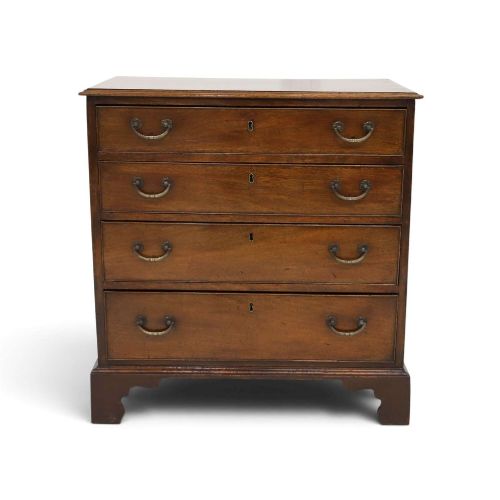
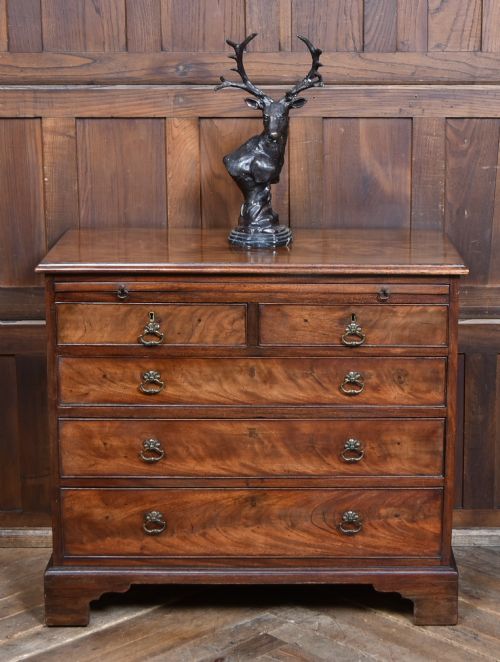


Period Timber Storage Drawers
Period timber storage drawers offer solid domestic utility and rich grain, bringing centuries of craftsmanship directly into your home.
Period Timber Storage Drawers
When you search for period timber storage drawers, you encounter a robust selection of chests of drawers and cabinets spanning multiple centuries. These domestic items provided essential household storage long before modern fitted wardrobes existed.
The pieces on this page draw from diverse origins and historical eras, including Georgian, Edwardian, and earlier 18th century examples. Forms range from simple country pine-sided chests to elaborate walnut and marquetry designs.
You are most likely to meet mahogany and oak chests of drawers on this page, reflecting the dominant cabinetry materials of the Georgian and Jacobean periods. Alongside these traditional British forms appear Chinese lacquered cabinets and Japanese tansu chests.
How they were made
Cabinet makers utilised dense hardwoods such as mahogany, oak, walnut, and satinwood, often pairing them with secondary softwoods like pine for drawer linings and sides. These timbers were selected for their durability and distinctive grain patterns.
Construction techniques relied on traditional joinery, incorporating brass hardware for handles and key escutcheons, as well as intricate inlay work. Surface finishes included lacquer applied to wood bases, highlighting the natural material.
Makers integrated decorative elements such as marquetry and inlaid veneers into walnut and satinwood carcases, defining the aesthetic of higher-status pieces from the William and Mary and Queen Anne periods.
Period Timber Storage Drawers Retail Price Guide 2026
Typical asking prices for period timber storage drawers among the pieces listed under this phrase on Sellingantiques today, from the lower quarter to the upper quarter. They describe what is for sale here now, not the wider market.
Makers incorporated everything from quiet pine sides to imported Chinese lacquer, proving that ancestors simply wanted a tidy room.
What varies in quality
Quality in period timber storage drawers rests upon the selection of timber and the precision of the cabinet maker's joinery. Superior examples display carefully matched grain patterns across the drawer fronts and sound structural integrity in the carcase.
The choice of secondary woods and the finesse of decorative details, such as brass handles and inlaid veneers, separate standard utilitarian storage from finer stylistic expressions. Earlier pieces from the 1700s often exhibit distinct hand-worked surfaces and vernacular regional traits.
The Period Timber Storage Drawers Glossary
- Carcase
- The main body or framework of a piece of furniture without the drawers or doors fitted. This structural shell dictates the overall shape and stability of the chest.
- Marquetry
- Decorative patterns formed by inserting pieces of contrasting veneer into a wood foundation. This technique creates pictorial or geometric designs on the surface.
- Escutcheon
- A flat plate surrounding a keyhole that protects the surrounding wood from wear. Brass is the most common metal used for these plates on period pieces.
- Tansu
- Traditional Japanese mobile storage cabinetry featuring timber construction and metal fittings. These chests were designed for versatility and everyday household organisation.
- Veneer
- A thin layer of superior timber applied to a base wood surface to improve appearance. Satinwood and walnut were frequently utilised in this manner for decorative effect.
Period Timber Storage Drawers: Frequently Asked Questions
How do I date a timber chest of drawers?
Dating relies on observing the secondary woods, construction joints, and handle styles characteristic of specific centuries. Examining the overall proportions and decorative veneer techniques helps narrow down the era.
Changes in hardware fixing methods and drawer lining timber also provide reliable clues for distinguishing Georgian pieces from Edwardian or earlier 1700s examples.
What is the difference between oak and mahogany chests?
Oak furniture tends to date from earlier periods such as the Jacobean era, displaying prominent grain and heavy construction. Mahogany became prevalent later in the 18th century during the Georgian period.
Mahogany allowed for smoother polished surfaces and finer carved details, whereas oak pieces often emphasise sturdy vernacular joinery and dark patination.
How do I care for antique timber storage?
Maintaining period timber requires stable room humidity and protection from direct sunlight to prevent wood splitting and fading. Gentle cleaning with appropriate wax preserves the historic finish.
Avoid placing these items near heat sources or damp areas, as fluctuating temperatures cause timber to expand and contract unnaturally.
Where were tansu chests used?
Japanese tansu chests served as portable domestic storage for clothing and valuables within traditional homes. Their timber construction and iron hardware made them practical for daily movement.
These cabinets reflect distinct Meiji period craftsmanship, differing significantly in construction style from contemporary British case furniture.