

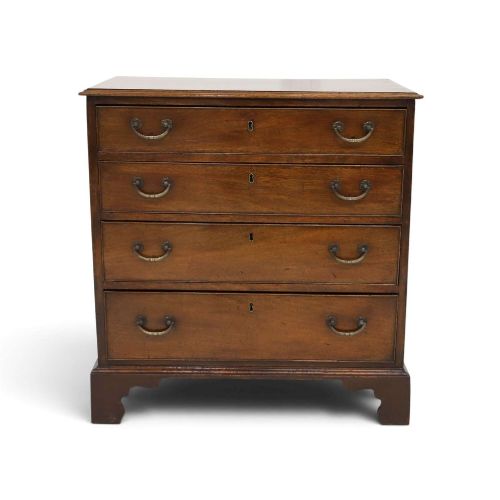
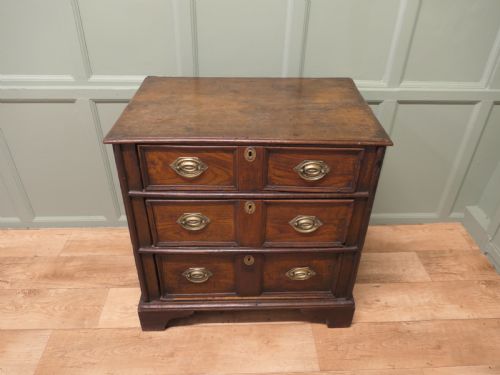
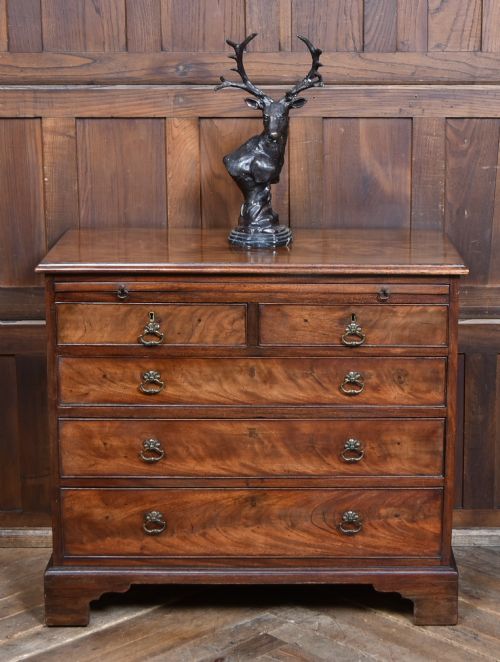
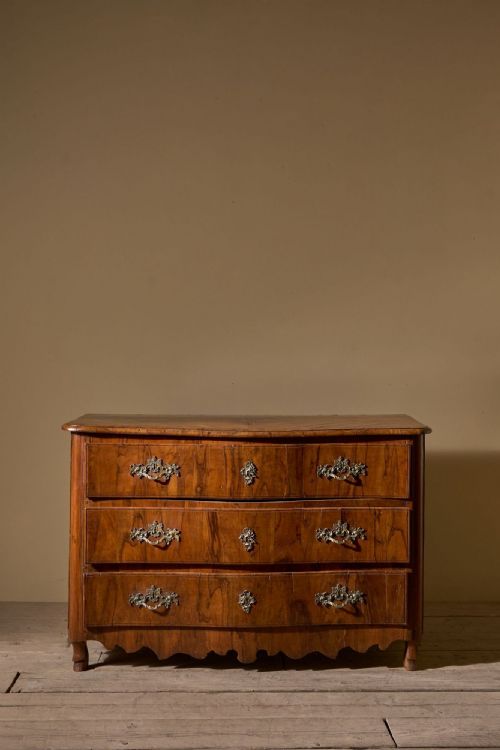


Period Timber Dresser
A period timber dresser carries the weight of centuries in its grain, offering both deep storage and a grounding presence in a room.
Period Timber Dresser
When you search for a period timber dresser, you find robust storage furniture built from substantial native and exotic hardwoods. These items span several centuries, reaching from the early eighteenth century through the Edwardian era.
The versions you are most likely to meet on this page take the form of chests of drawers and dresser bases. They originate from diverse design traditions, including Georgian, French Provincial, and Jacobean styles.
Makers constructed these pieces to serve utilitarian storage needs in domestic interiors. Over time, their heavy timber construction and practical proportions have secured their place as focal points in traditional and contemporary spaces.
How they were made
Cabinetmakers relied on dense timbers such as oak, mahogany, walnut, and elm for the primary carcases and drawer fronts. They frequently selected figured veneers, olivewood, and marquetry inlay to elevate the visual texture of the surfaces.
Construction techniques involved solid joinery suited to the specific wood species employed, supported by metal hardware including brass handles. Workshops utilised secondary timbers like pine and softwood for internal partitions and drawer linings.
Period Timber Dresser Retail Price Guide 2026
Typical asking prices for period timber dresser among the pieces listed under this phrase on Sellingantiques today, from the lower quarter to the upper quarter. They describe what is for sale here now, not the wider market.
Some chests incorporate hidden compartments designed to guard family secrets from curious houseguests.
What varies in quality
The grade of timber selected for the face and carcase establishes the baseline standard of a piece. Finer examples display carefully matched grain patterns, intricate marquetry work, and superior surface preparation.
The integrity of the construction and the preservation of original hardware distinguish high-level craftsmanship from simpler utilitarian builds. Pieces retaining their early brass fittings and untouched timber patination represent the upper tier of the range.
The Period Timber Dresser Glossary
- Marquetry
- Decorative veneer work forming pictures or geometric patterns by assembling small pieces of wood. Cabinetmakers applied this technique to enrich the exterior surfaces of high-status furniture.
- Dresser Base
- A low sideboard or standalone cabinet featuring drawers and cupboards, historically used for food preparation and storage. Early examples often rest on sturdy legs and utilise thick timber planks.
- Carcase
- The main structural body or shell of a piece of furniture before doors, drawers, and decorative mouldings are attached. It provides the essential support framework for the entire item.
- Patina
- The deep surface sheen and soft texture developed by wood and metal over decades of use and polishing. Collectors value this visual evidence of age and history.
Period Timber Dresser: Frequently Asked Questions
How were these dressers used historically?
Historically, these pieces functioned as essential domestic storage for textiles, household provisions, and personal valuables. They stood in reception rooms, bedchambers, and dining spaces where daily access to goods was required.
Their robust surfaces also acted as display areas for decorative objects or serving platters. Over generations, their roles shifted from purely utilitarian storage to prominent interior focal points.
How do I live with a timber dresser?
Living with a timber dresser involves placing it away from direct heat sources and strong sunlight to protect the wood from drying out. Regular dusting with a soft cloth maintains the surface without the need for heavy chemical polishes.
These pieces integrate easily into modern rooms by providing practical drawer space while anchoring the interior scheme. Their neutral wood tones complement both traditional architectural details and contemporary decor.
How do I tell different periods apart?
Distinguishing between periods requires examining the decorative vocabulary, hardware styles, and construction techniques evident in the piece. Early eighteenth-century items often feature robust oak framing, walnut veneers, and brass drop handles, while later pieces show shifts in proportion and inlay.
Stylistic markers such as cabriole legs, bracket feet, or faux bamboo turnings point directly to specific design eras. Comparing these physical characteristics helps date the furniture accurately.