





Period Timber Drawers
Period timber drawers bring genuine age and honest construction into a room, offering practical storage through centuries of craftsmanship.
Period Timber Drawers
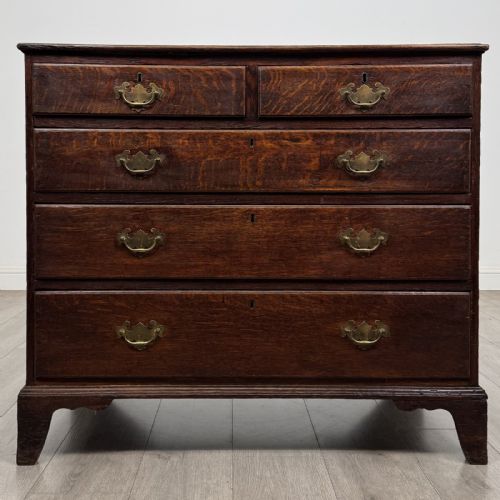
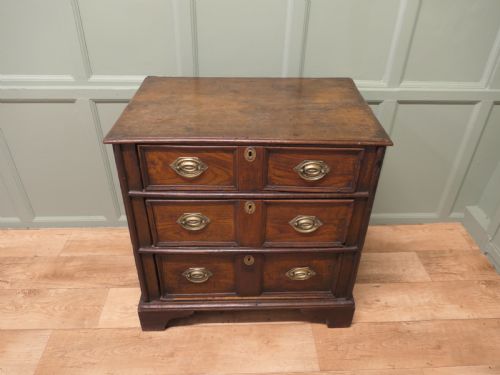
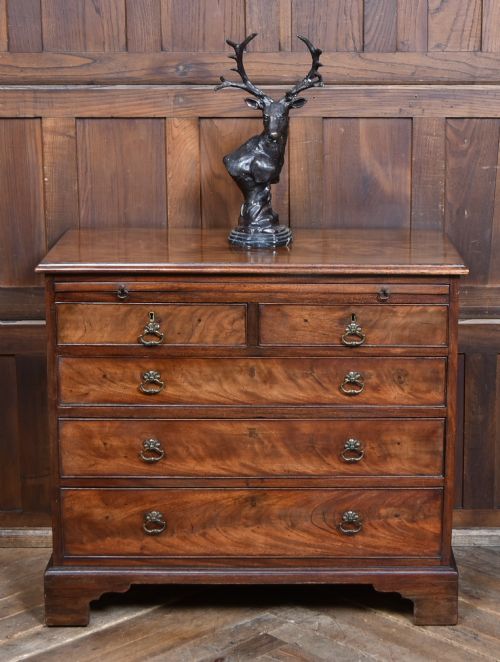
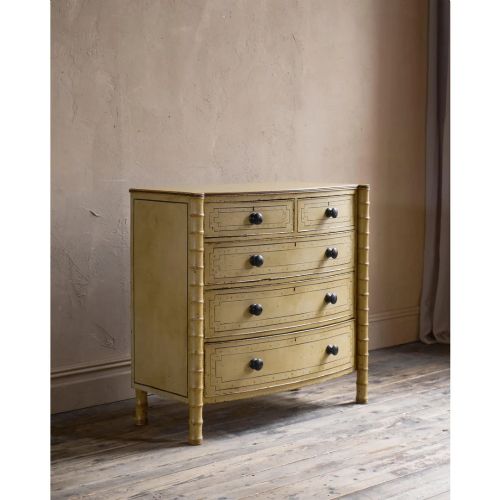
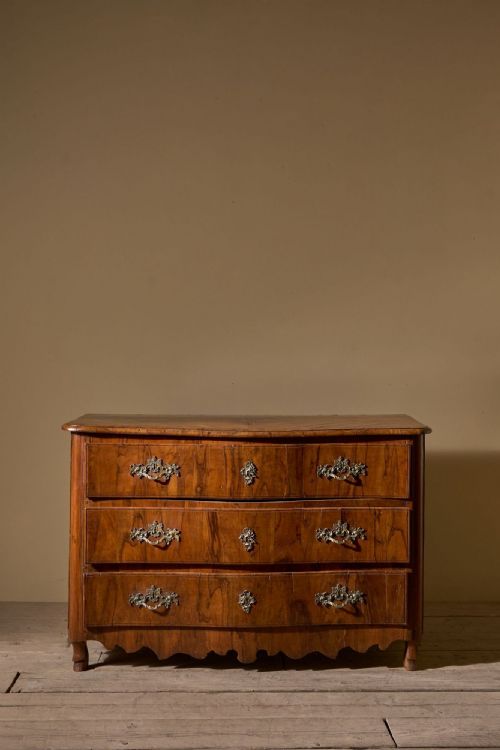
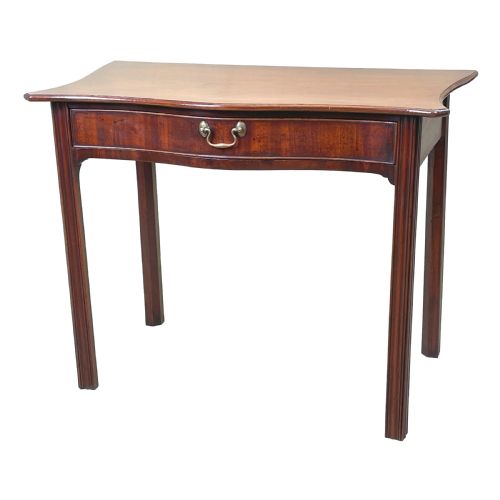
When searching for period timber drawers, you encounter solid wood storage pieces spanning the seventeenth through the early twentieth centuries. The selection on this page leans heavily towards chests of drawers, supplemented by side tables, writing desks, and cabinets.
The materials vary across centuries and regions, showing substantial use of mahogany, oak, walnut, elm, and pine. Styles range from Georgian and Regency to William and Mary, Jacobean, and Edwardian periods.
These items originate from diverse traditions, including English country workshops, continental European makers, and far eastern ateliers. Each piece serves as a functional storage unit defined by the timber and woodworking techniques of its era.
How they were made
Cabinet makers utilised dense hardwoods like mahogany, oak, and walnut, often pairing them with secondary softwoods for internal drawer framing. Surfaces show traditional finishes applied over hand-prepared timber boards.
Hardware such as brass handles and iron fittings were secured to house drawers and doors constructed with period joinery methods. Inlaid veneers, marquetry work, and lacquer finishes appear on select examples to add decorative surface pattern.
Period Timber Drawers Retail Price Guide 2026
Typical asking prices for period timber drawers among the pieces listed under this phrase on Sellingantiques today, from the lower quarter to the upper quarter. They describe what is for sale here now, not the wider market.
Listings span from the 17th century through the Edwardian period, utilising oak, mahogany, walnut, elm, and pine.
What varies in quality
The standard of a piece rests upon the selection of the timber and the precision of the underlying joinery. Superior examples display carefully matched grain patterns and stable carcass construction that withstands centuries of use.
Refined surface patination and original hardware distinguish finer specimens from heavily restored or later altered items. The sophistication of decorative details, such as marquetry or hand-cut dovetails, marks the distinction between standard utility items and masterwork pieces.
The Period Timber Drawers Glossary
- Chest of drawers
- A piece of furniture consisting of multiple parallel drawers used for storage.
- Marquetry
- Decorative veneer work formed by fitting together small pieces of wood and other materials to create pictorial patterns on a surface.
- Dovetail
- A joint formed by interlocking wedge-shaped fingers, commonly used in drawer construction.
- Patina
- The surface sheen and colour developed on timber over long periods of handling and age.
- Veneer
- A thin layer of choice wood applied over a base of cheaper timber to provide an ornamental exterior.
Period Timber Drawers: Frequently Asked Questions
How do I date a timber chest?
Dating relies on examining construction methods, timber species, and handle styles against known historical periods. Subtle changes in drawer assembly and tool marks help establish the decade of manufacture.
Comparing the secondary woods inside the drawers to regional workshop practices provides further clues to origin and age.
Are these drawers suitable for daily use?
Most period chests remain sturdy enough for everyday storage when handled with reasonable care. Solid timber construction provides robust housing for clothes or household items.
Drawer runners and internal framing may require gentle maintenance by a specialist to ensure smooth operation.
How do I clean antique wood?
Dusting with a dry, soft cloth prevents grit accumulation on the polished timber surface. Avoid modern silicone sprays or harsh chemical cleaners that can damage historical wax and polish.
Periodic application of a traditional beeswax feed helps nourish dry timber without stripping the original patina.
What is red walnut?
Red walnut refers to a specific tone or regional variety of walnut timber utilised by eighteenth-century cabinet makers. The wood develops a distinct warm reddish hue as it ages under light and air.
Pieces designated with this term showcase the natural colour variations prized during the Georgian era.