



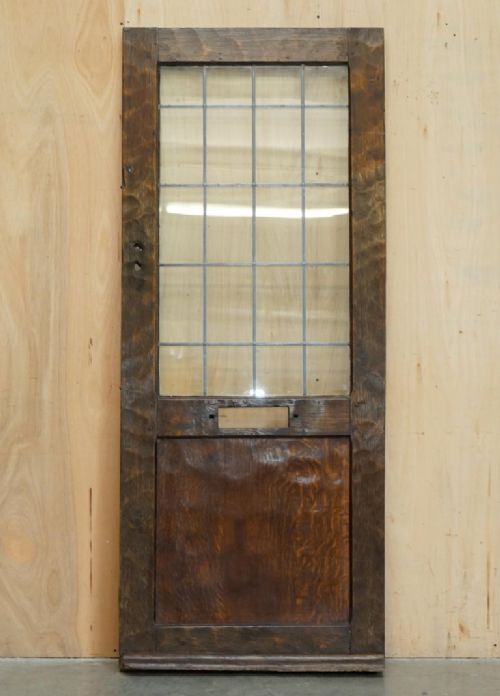


Period Timber Doors
Period timber doors bring enduring character and solid construction to an interior, offering homeowners genuine architectural history to anchor a room.
Period Timber Doors
When you search for period timber doors, you uncover heavy, characterful entrances and internal architectural salvage dating from the seventeenth century through to the early twentieth century. These pieces carry the unmistakable weight and presence of older craftsmanship, serving as both functional partitions and striking visual statements.
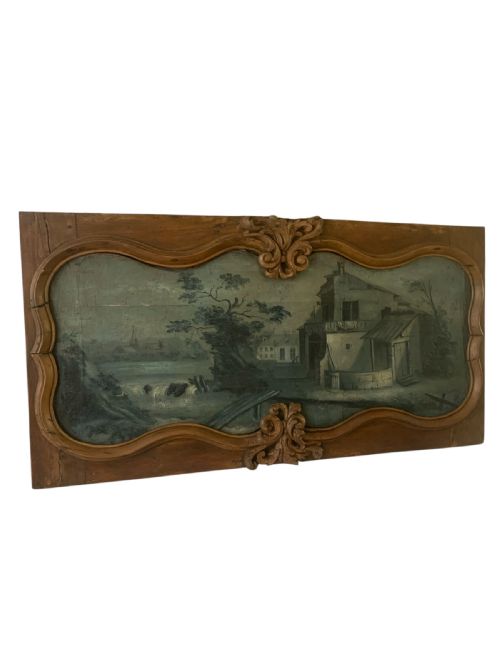
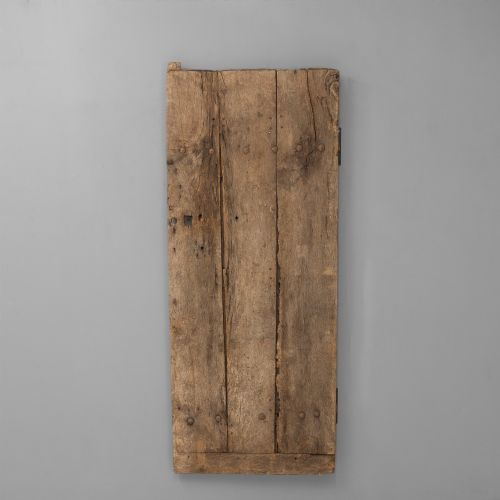
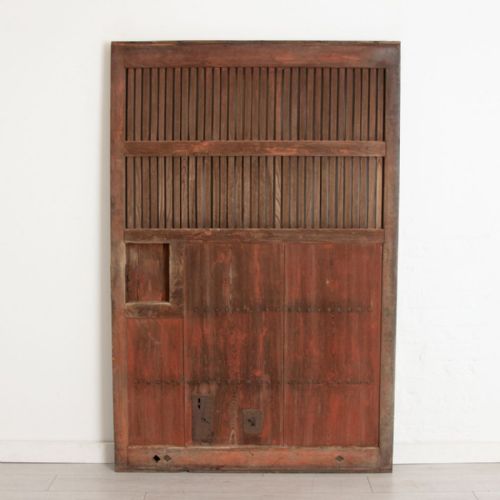
The selection ranges from robust eighteenth-century oak examples to decorative Italian vestibule doorways and exotic woods like cedarwood and mahogany. Buyers frequently encounter diverse forms spanning traditional English oak doors, Japanese storehouse barriers, and painted overdoor panels.
Each item bears the distinct marks of its era, whether that involves the panel arrangement typical of the Regency period or the rustic country styling found in earlier provincial work. Selecting the right piece depends on matching these historical proportions and wood tones to your specific architectural setting.
Materials and construction
Makers relied on dense hardwoods such as oak, walnut, and cedarwood, selecting timber that could withstand centuries of daily use without losing its structural integrity. These heavy timbers were seasoned carefully to prevent warping, providing a stable foundation for complex panel assembly.
Construction techniques utilised traditional joinery methods, securing heavy frames with pegged mortise and tenon joints rather than modern adhesives. Iron and brass hardware, from sturdy hinges to decorative door knobs, completed the assembly with functional reliability.
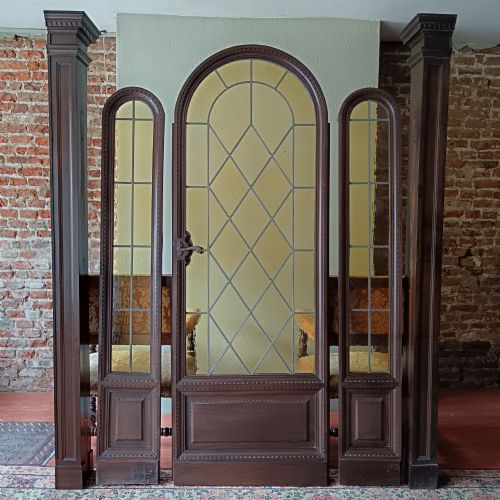
Surface treatments ranged from natural oil finishes that highlighted the grain of Gonçalo Alves and burr amboyna to leaded glass inserts and layered oil paint on decorative panels. This combination of dense timber and considered finishing ensures the physical survival of these pieces across multiple centuries.
Period Timber Doors Retail Price Guide 2026
Typical asking prices for period timber doors among the pieces listed under this phrase on Sellingantiques today, from the lower quarter to the upper quarter. They describe what is for sale here now, not the wider market.
Listings span multiple centuries, incorporating seventeenth-century joinery, eighteenth-century oak and cedarwood, and twentieth-century architectural salvage.
Judges of quality
Quality rests primarily in the selection of the timber and the integrity of the original joinery, separating utilitarian salvage from high-status architectural joinery. Dense, tightly grained hardwoods and uncompromised structural frames indicate superior workshop origins.
The presence of untouched period hardware, such as original brass handles or leaded glass, elevates a piece significantly by preserving its complete historical context. Subtle details in moulding profiles and carved elements show the hand of a skilled maker rather than mass production.
The Period Timber Doors Glossary
- Architectural salvage
- Building elements rescued from older structures for reuse in restoration or new interior schemes. This category includes everything from entire doorways to individual panels and hardware.
- Regency
- An English design style dating from the early nineteenth century defined by classical restraint, elegance, and exotic wood veneers. Pieces from this era often feature clean architectural lines.
- Overdoor painted panel
- A decorative artwork designed to be positioned directly above a doorway, often featuring classical or pastoral scenes in oil paint. These items complete the grandeur of formal rooms.
- Mortise and tenon
- A traditional woodworking joint where a protruding tongue fits tightly into a corresponding cavity, securing timbers together without metal fasteners. This technique underpins the longevity of period woodwork.
Period Timber Doors: Frequently Asked Questions
How do I fit a period door into a modern frame?
Fitting an older door usually requires a skilled joiner to plane the edges carefully, as historic timber frames and openings rarely match modern standard dimensions.
You should also check the swing direction and allow for the weight of dense hardwoods like oak or cedar when choosing heavy-duty period hinges.
Can I use external doors inside?
Using heavy exterior architectural pieces inside creates a striking partition or pantry entrance, provided you account for their substantial thickness and weight.
Heavier examples may require reinforced door frames and specialised hanging hardware to support the load safely over time.
How do I care for historic timber?
Maintain older wood by applying microcrystalline wax periodically to nourish the surface and protect the grain from excessive dryness or moisture.
Avoid harsh chemical cleaners and keep antique doors away from direct heat sources to prevent the timber from splitting.
What defines a Regency door style?
Regency design emphasises classical symmetry, refined proportions, and often incorporates rich tropical hardwoods or painted finishes rather than heavy rustic carving.
These pieces reflect an architectural shift toward elegance and restraint, matching the lighter interior schemes of the early nineteenth century.