

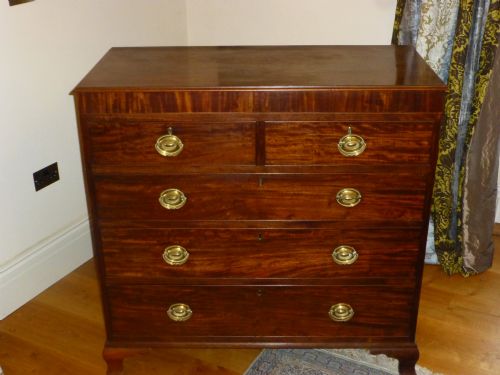
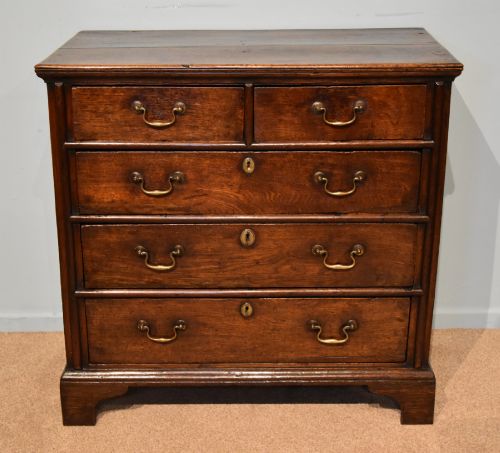
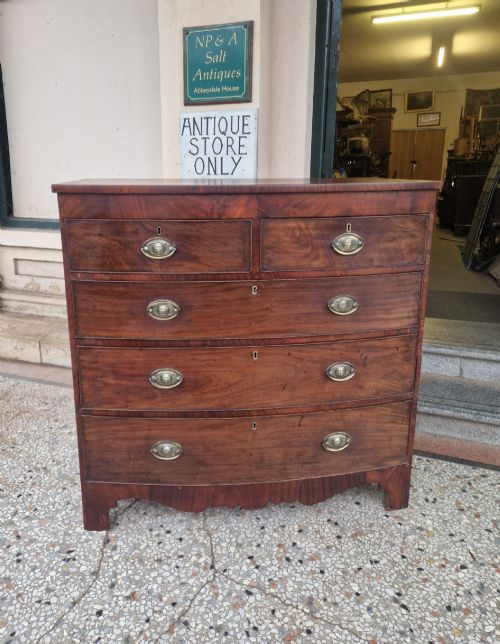
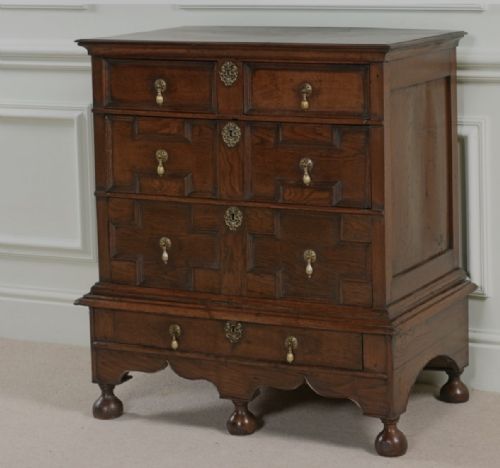
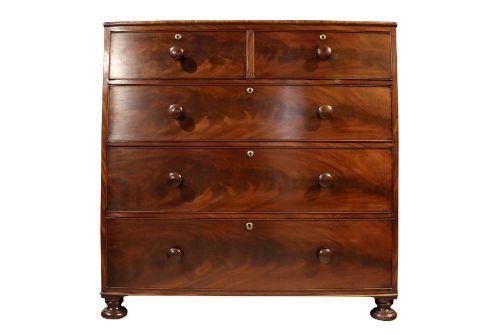
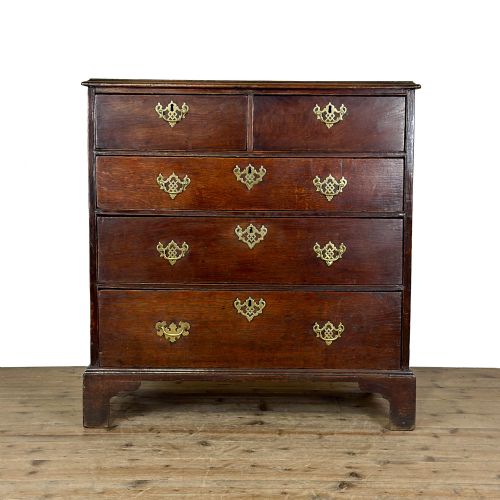
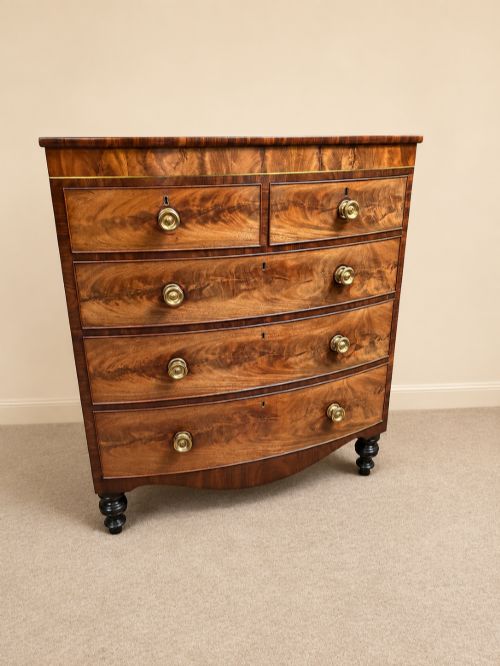
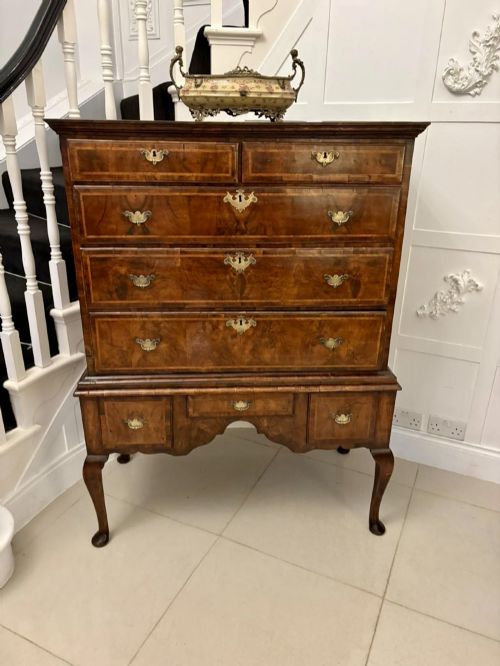
Period Tallboy Dresser
These period tallboy dresser forms combine height and generous storage, bringing centuries of English cabinet-making directly into your room.
Period Tallboy Dresser
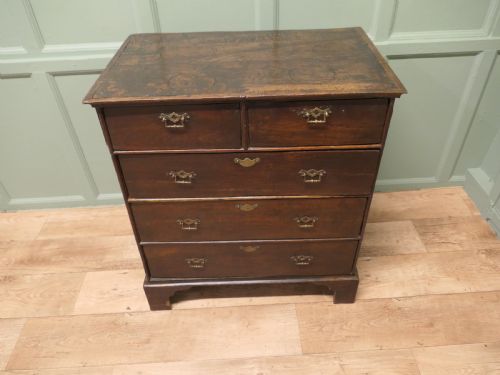
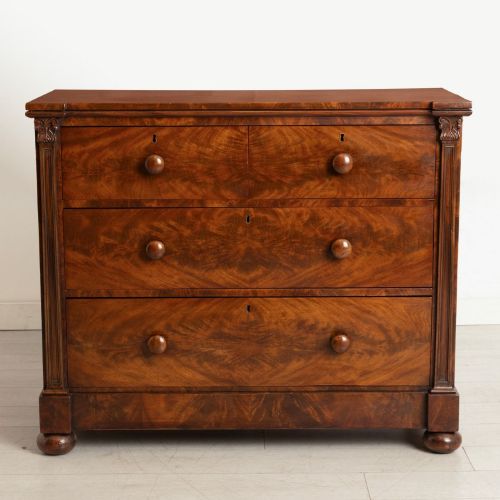
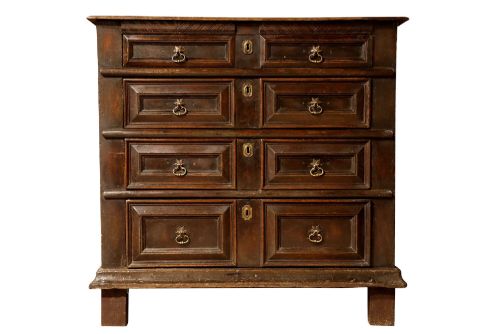
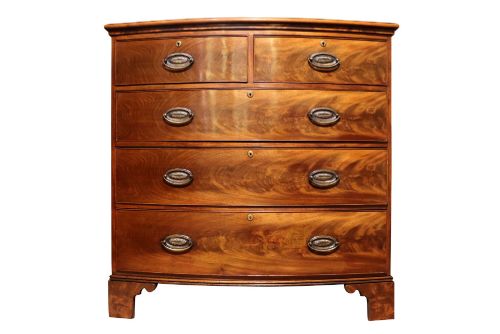
A period tallboy dresser search uncovers practical storage forms, most frequently encountered as chests of drawers and chests on chest spanning multiple centuries. These vertical case pieces range from modest oak examples to grand figured mahogany and walnut designs.
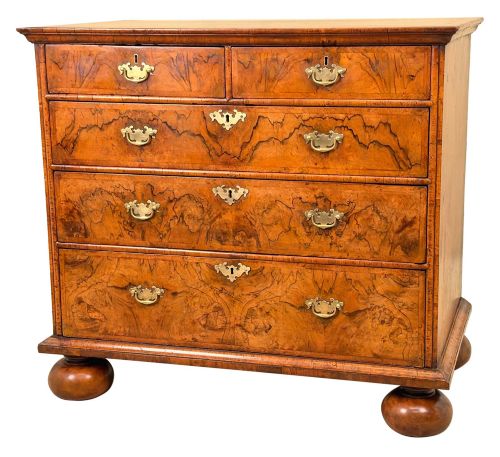
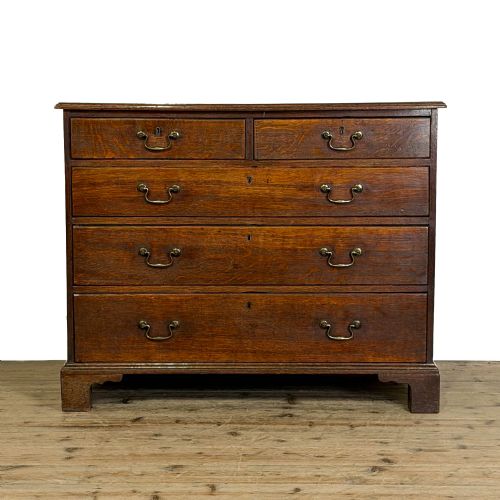
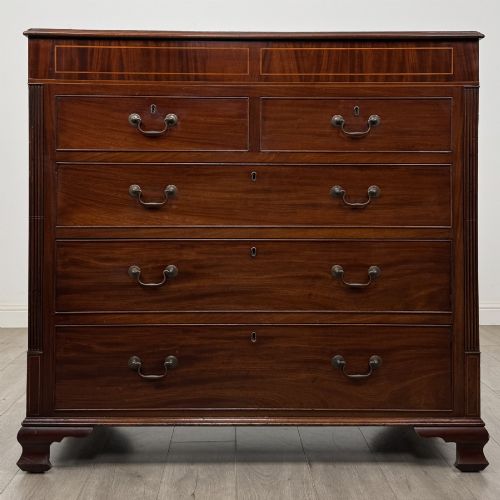
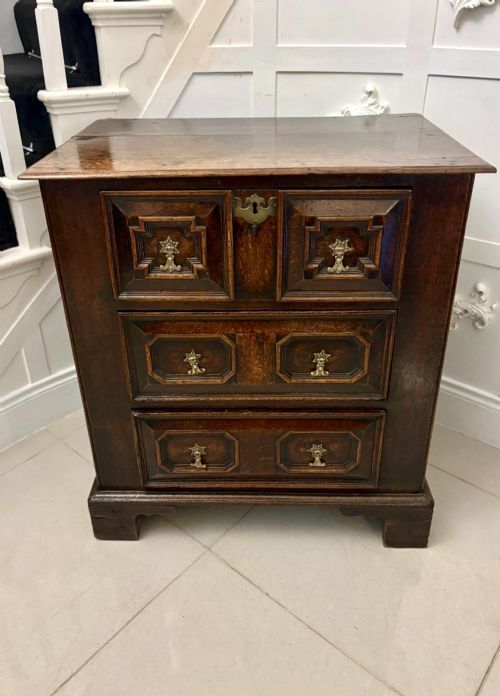
The material palette shifts across eras from early joined oak and walnut to rich mahogany and satinwood veneers during the Georgian and Regency periods. Brass fittings and bracket feet punctuate these silhouettes, showing how cabinet-makers adapted proportions for domestic interiors.
How they were made
Construction relies on solid timbers like oak and mahogany, often paired with delicate veneers including walnut and satinwood. Cabinet-makers joined drawer frames using hand-cut dovetails while employing brass handles and escutcheons for functional hardware.
Surface finishing involved polishing and waxing to highlight the grain patterns of figured timbers. Inlaid details and geometric mouldings required precise hand-tooling by skilled artisans.
Period Tallboy Dresser Retail Price Guide 2026
Typical asking prices for period tallboy dresser among the pieces listed under this phrase on Sellingantiques today, from the lower quarter to the upper quarter. They describe what is for sale here now, not the wider market.
Listings feature items spanning the 17th Century, 18th Century, Georgian, Regency, and 19th Century eras in mahogany, oak, walnut, and satinwood.
What varies in quality
The distinction between tiers rests upon timber selection and the crispness of execution in details such as dovetailing and moulding profiles. Pieces utilising heavily figured mahogany or oyster veneers stand apart from simpler utilitarian builds.
Proportion and original hardware integration dictate visual harmony. Finer items retain their matching brass handles and balanced bracket or ogee feet rather than later replacements.
The Period Tallboy Dresser Glossary
- Dovetail
- A joint used in drawer construction formed by interlocking wedge-shaped fingers. This method provides robust tensile strength.
- Bracket foot
- A structural support projecting beneath the corners of a case piece. These are often shaped in ogee or bracket profiles.
- Escutcheon
- A protective brass plate surrounding a keyhole. It prevents timber wear from repeated key use.
- Oyster veneer
- Thin slices of branch wood arranged in circular patterns. This technique creates a distinctive rippled surface.
Period Tallboy Dresser: Frequently Asked Questions
What is a tallboy dresser?
A tallboy dresser typically refers to a high chest of drawers or a chest on chest configuration designed to maximise vertical storage space.
These pieces provide substantial drawer capacity while maintaining a smaller floor footprint than traditional low dressers.
How do I date a chest of drawers?
Dating relies on observing timber choices, construction techniques, and hardware styles across different historical periods. Early pieces often feature heavy oak frames while later Georgian and Regency items showcase refined mahogany veneers.
Drawer construction methods, such as hand-cut dovetails, offer further clues to the manufacturing era.
Where should I place a tallboy in my home?
These vertical storage units suit bedrooms, hallways, or living spaces where floor area is restricted. Their height allows them to anchor a wall while holding significant quantities of clothing or linens.
Ensure adequate clearance for opening drawers fully without obstructing room pathways.
Are these pieces made of solid wood?
Many examples utilise solid primary timbers such as oak, mahogany, or walnut for their structural frames and drawer linings. Other pieces incorporate decorative wood veneers applied over secondary backing timbers.
Both solid construction and veneering methods reflect traditional period craftsmanship.