








Period Tableware
Period tableware encompasses historic ceramic plates, silver spoons and crystal vessels designed for dining across the seventeenth to nineteenth centuries.
Period Tableware
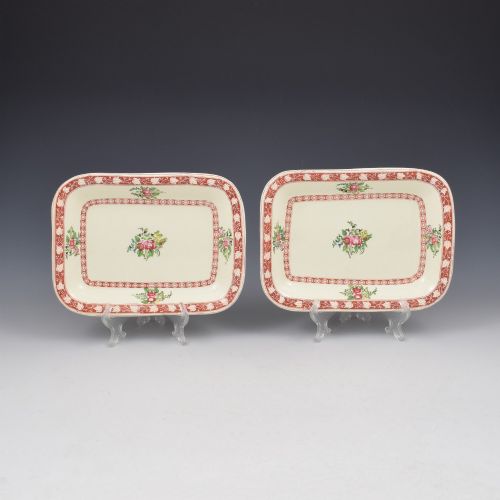
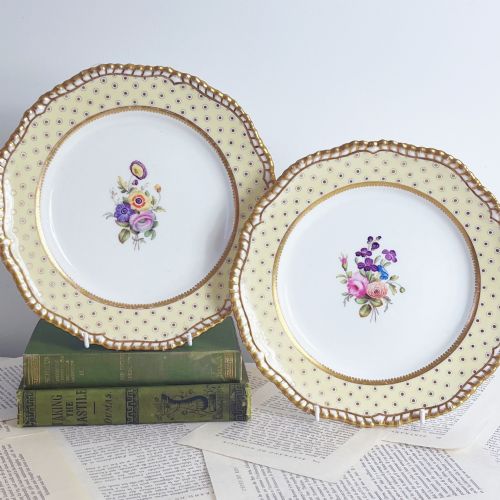
Porcelain and earthenware versions from Worcester, Spode, Coalport, and Minton appear frequently alongside silver spoons and sugar baskets. These objects reflect the dining habits of Georgian, Regency, and Victorian households. Buyers meet both individual serving pieces and larger matching sets designed for historic tables.
Materials and construction
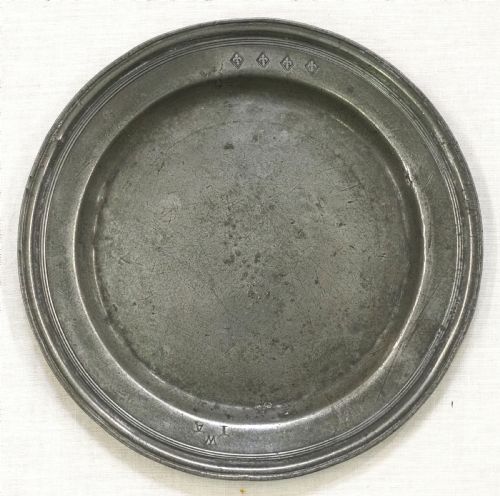
Makers utilised porcelain, earthenware, silver, pewter, and crystal glass to shape these items. Ceramic pieces involved clay bodies finished with glaze, enamel, and gold leaf, while metal items relied on sterling silver and pewter worked by hand. Glass objects required crystal blowing and cutting techniques.
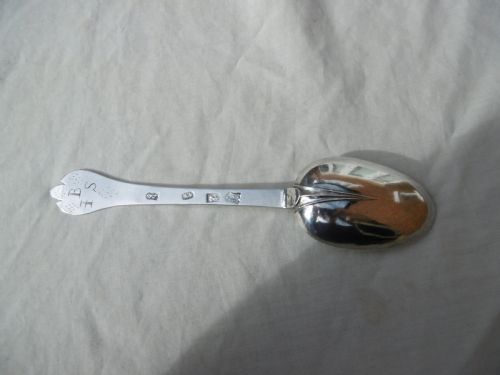
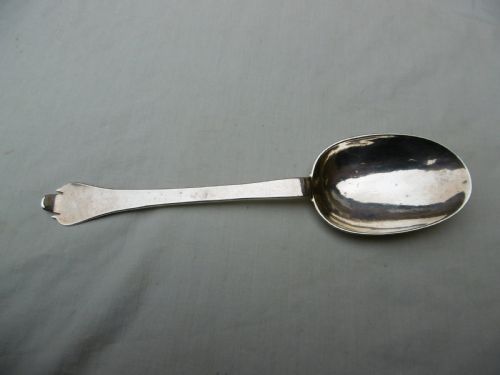
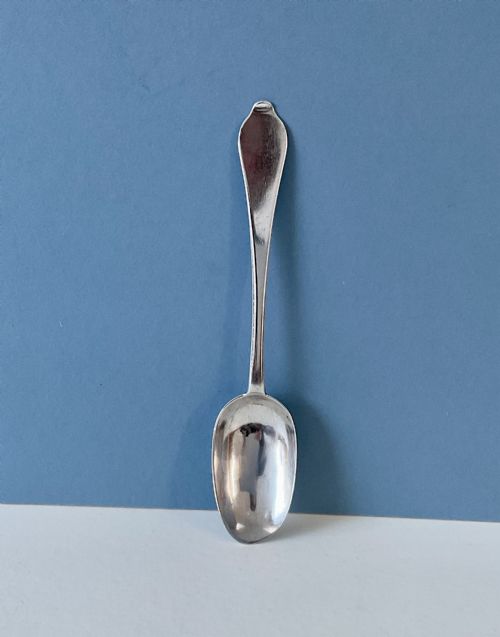
Workshops applied hand-painted botanical motifs, armorial crests, and transfer patterns to ceramics. Silversmiths hammered silver into trefid spoons, salt cellars, and sugar baskets, adding engraved details and hallmarks.
Period Tableware Retail Price Guide 2026
Typical asking prices for period tableware among the pieces listed under this phrase on Sellingantiques today, from the lower quarter to the upper quarter. They describe what is for sale here now, not the wider market.
Some nineteenth-century cows were immortalised on porcelain as the "Crazy Cow" pattern.
Assessing quality
Quality rests in the crispness of decoration, the weight of the metal, and the clarity of the crystal. Superior ceramics exhibit precise enamel work, intact gold leaf, and well-defined painted details without smudging. Silver items demonstrate clear hallmarks, substantial weight, and well-executed engraving.
The sophistication of the form and the renown of the pottery or silversmith elevate certain examples above standard domestic wares. Completeness within sets and the survival of matching liners or original storage boxes also influence the standing of the piece.
Robert Moulins·William Penstone·Benjamin Prosser·Stephen Coleman·George Wintle
The Period Tableware Glossary
- Trefid spoon
- An early form of dining spoon featuring a flat, three-lobed terminal handle. This style appears frequently in seventeenth-century silver tableware.
- Imari
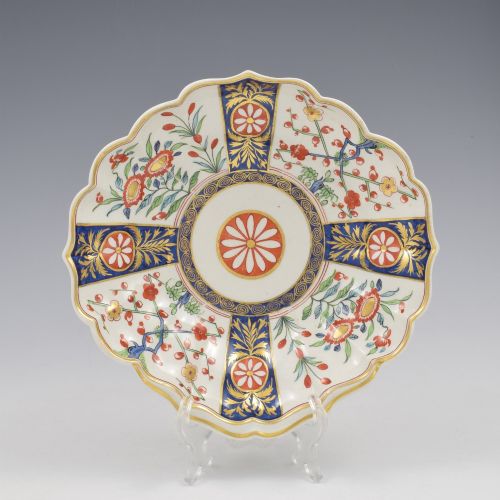
- A style of Japanese porcelain decorated in underglaze blue and iron red with additions of gold. These wares were widely exported to Europe during the period.
- Armorial
- A ceramic or silver surface painted or engraved with a family coat of arms. Such tableware was commissioned by aristocratic households.
- Cruet stand
- A frame holding glass bottles for oil, vinegar, or condiments. These stands often incorporate silver mounts and ebonised wood.
- Felspar
- A type of porcelain body utilised by English potteries during the nineteenth century. It provided a durable surface for botanical and decorative patterns.
Period Tableware: Frequently Asked Questions
How do I date silver spoons?
Silver spoons from the seventeenth and eighteenth centuries carry stamped hallmarks that record the assay office, date letter, and silversmith's mark. Comparing these stamps against historical registers reveals the exact year of production.
Handle the silver carefully to examine the maker's mark and assay symbols located on the stem or back of the handle.
What is Japanese Imari porcelain?
Japanese Imari porcelain consists of pieces decorated in distinct palettes of cobalt blue, iron red, and gold. Exported in large quantities, these vibrant plates and bowls graced European dining tables from the seventeenth century onward.
The contrasting colours and intricate floral designs make these dishes easily recognisable among other ceramic wares.
How were salt cellars used?
Historic salt cellars held fine salt at the dining table before the invention of free-flowing table salt. Diners used small spoons or pinched the salt directly from the open vessels to season their food.
Silver examples often incorporate glass liners to protect the metal from corrosion caused by the salt.
Can I use antique plates for dining?
Using antique plates for daily dining requires caution due to the delicate nature of soft-paste porcelain, historic glazes, and potential wear to gold leaf. Many collectors prefer to display these items or reserve them for special occasions.
Hand washing without harsh detergents helps preserve the painted surfaces and fragile edges.