

Period Tables
These period tables span centuries of craftsmanship, offering practical surfaces in mahogany, oak, and rosewood that anchor a room with traditional character.
Period Tables
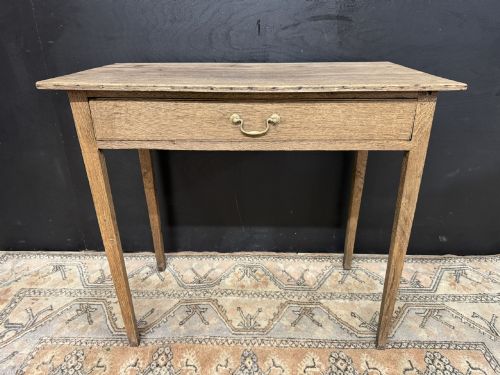
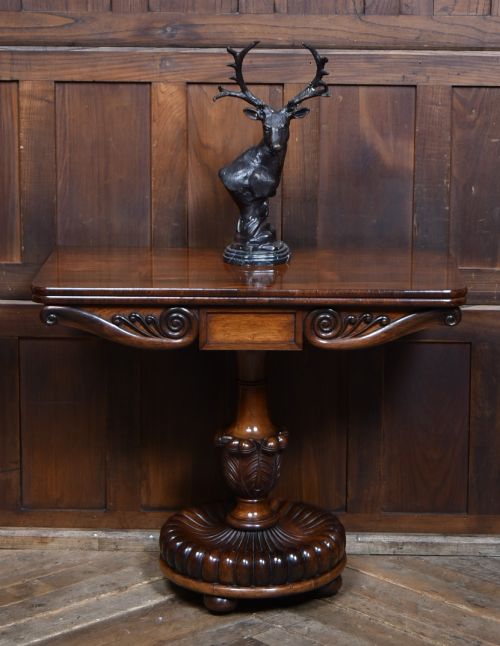
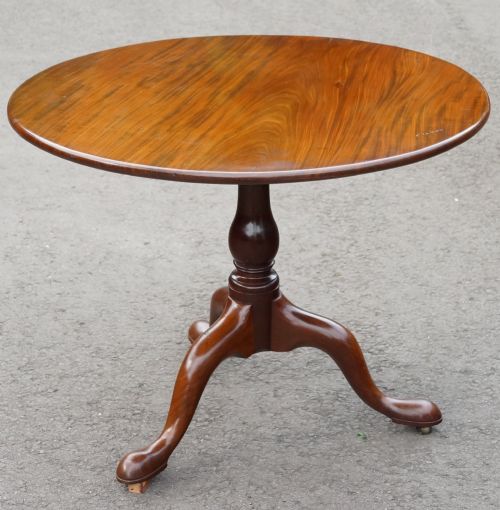
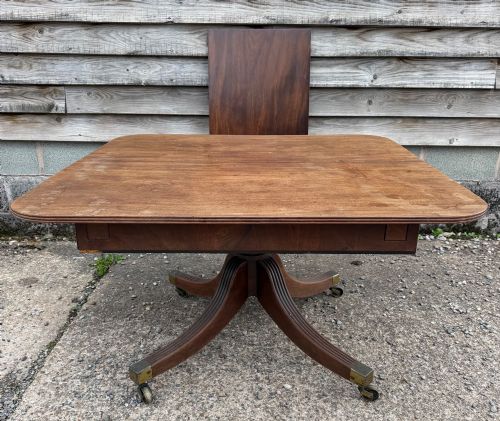
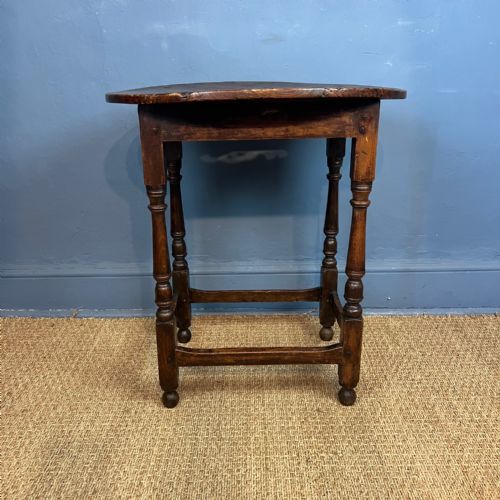
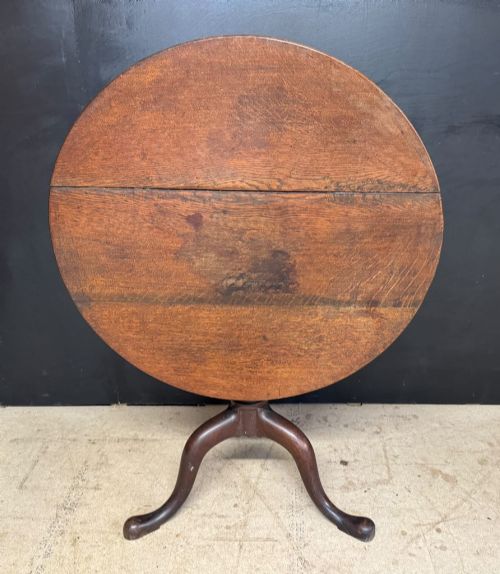
When you search for period tables, you encounter a diverse array of items ranging from utilitarian oak lowboys to elegant rosewood centre pieces and mahogany sofa tables. These pieces date across the seventeenth, eighteenth, and nineteenth centuries, reflecting the shifting domestic requirements of their eras.
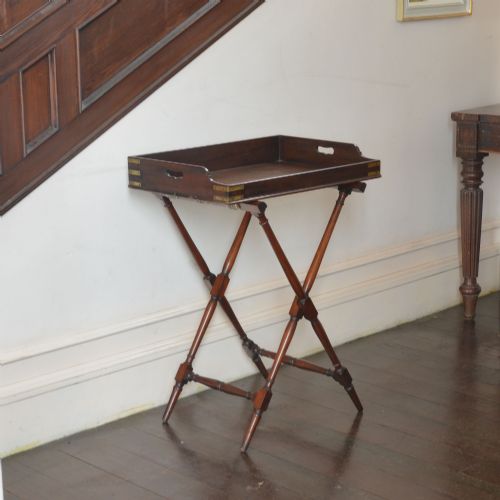
The versions you are most likely to meet on this page include side tables, occasional tables, and wine tables fashioned in classic styles such as Regency, Georgian, and Victorian. Such forms served specific functions in historic homes, from holding tea services to providing a stable surface for correspondence.
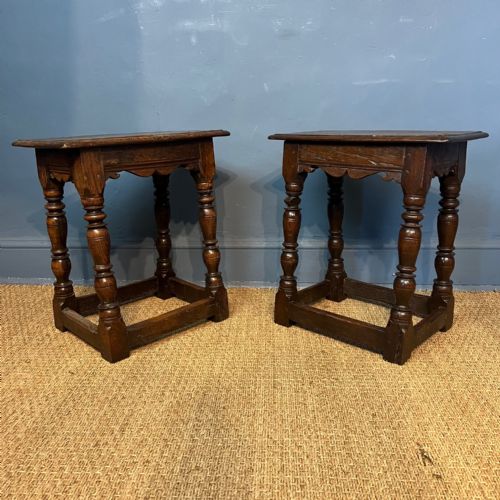
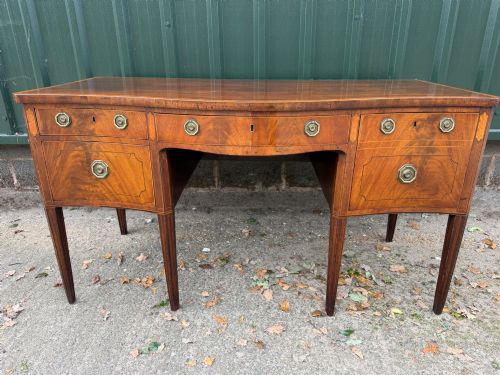
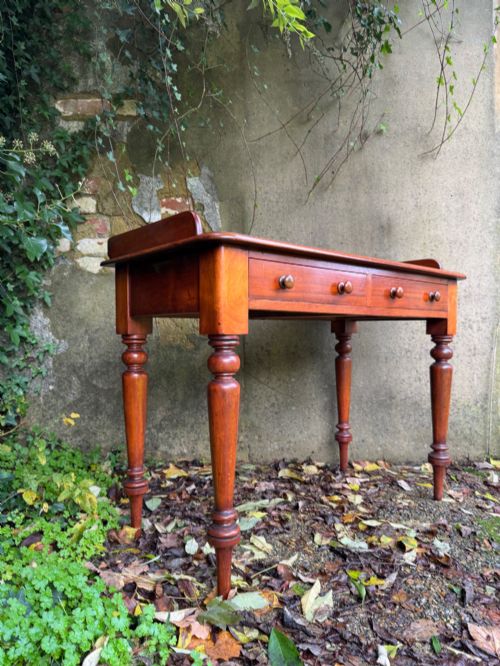
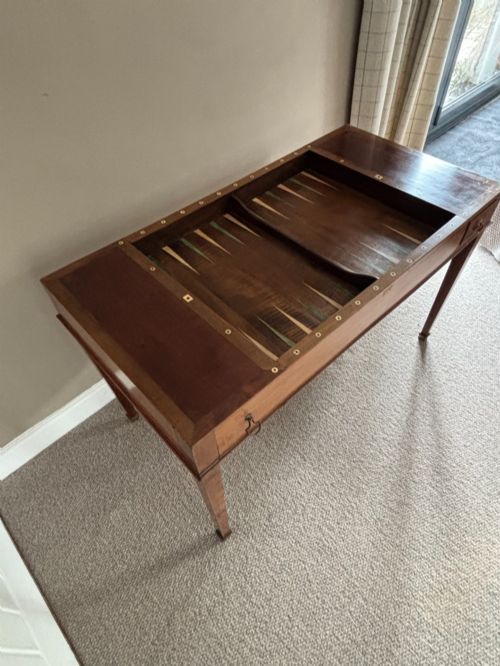
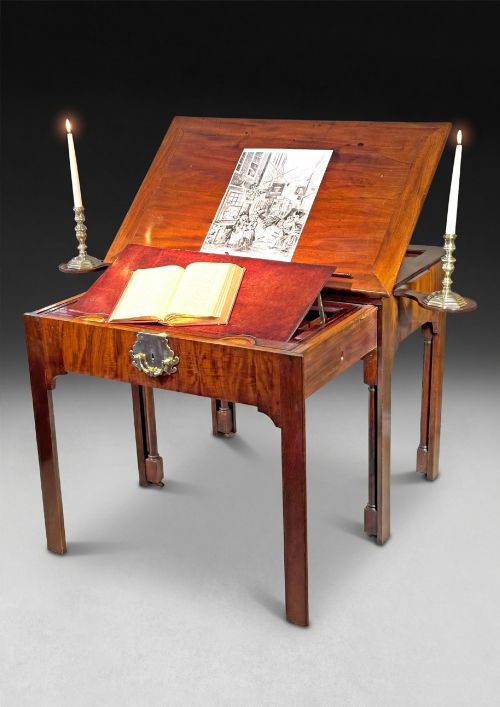
Beyond standard side and occasional pieces, the selection encompasses specialised furniture like work tables, writing tables, and joint stools. Each item demonstrates the distinct proportions and functional design priorities characteristic of its specific period of origin.
Materials and construction
Cabinet makers relied heavily on durable timbers like mahogany, oak, and walnut, frequently utilising figured veneers such as burr walnut or satinwood for decorative surfaces. These hardwoods provided the structural integrity necessary for foldover tea tables, lowboys, and heavy centre tables to survive centuries of use.
Surface ornamentation involved skilled techniques including brass inlay, marquetry, and painted details, which enhanced the visual appeal of rosewood and mahogany pieces. Structural support often featured turned elements such as bobbin-turning on seventeenth-century oak pieces or the refined legs typical of Regency designs.
Period Tables Retail Price Guide 2026
Typical asking prices for period tables among the pieces listed under this phrase on Sellingantiques today, from the lower quarter to the upper quarter. They describe what is for sale here now, not the wider market.
Specialist forms represented include joint stools, lowboys, and various occasional, tea, and writing tables.
Factors of quality
The standard of a piece depends largely on the selection of timber, where tightly figured grains and well-matched veneers distinguish superior examples from plain stock. Craftsmanship in secondary woods and internal framing further separates workshop standards across different periods.
Proportion and the restraint or elegance of decorative additions, such as brass stringing or marquetry inlay, dictate the visual hierarchy. Pieces retaining original hardware and untouched polished surfaces command greater appreciation among collectors than heavily restored examples.
The Period Tables Glossary
- Lowboy
- A small eighteenth-century dressing table or side table featuring one or more drawers and cabriole or straight legs. They typically stood in bedchambers for personal grooming.
- Sofa table
- A graceful nineteenth-century table designed to stand in front of a sofa, characterised by drop leaves on either end and trestle feet. They frequently incorporate twin drawers.
- Joint stool
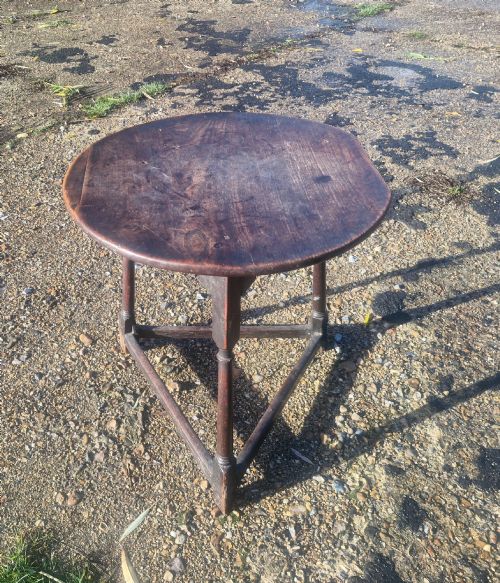
- An early form of wooden stool constructed with mortise and tenon joints pegged together rather than turned legs. These sturdy pieces predated widespread chair usage.
- Marquetry
- The art of applying decorative veneer pieces in geometric or pictorial patterns onto a furniture surface. Craftsmen used contrasting woods to create intricate tabletop designs.
- Compendium table
- A multi-functional nineteenth-century table containing compartments for various pursuits such as writing or needlework. These specialised pieces reflect Regency ingenuity.
Period Tables: Frequently Asked Questions
What is a lowboy used for?
A lowboy served historically as a compact dressing table or side table in private chambers. They provided a convenient surface for personal items alongside accessible drawer storage.
Today, these versatile oak or walnut pieces function well as hallway surfaces or compact desks in modern interiors. Their modest proportions allow them to fit easily into tight spaces.
How do I date a mahogany table?
Dating mahogany furniture involves examining the construction methods, secondary timbers used in framing, and the specific style of the legs and hardware. Georgian examples often display rectilinear proportions while Regency pieces favour classical curves and brass detailing.
Secondary woods visible underneath or inside drawers provide further clues regarding the workshop origin and decade of manufacture. Comparing edge mouldings with established period templates helps confirm the era.
Where should I place a centre table?
A centre table is designed to stand free in the middle of a room rather than pushed against a wall. Historically, they anchored large drawing rooms and displayed decorative objects or lamps.
In contemporary settings, they work effectively as statement pieces in spacious hallways or libraries. Their finished appearance from all sides allows unobstructed circulation around them.
What distinguishes a sofa table from a side table?
Sofa tables are characterised by drop leaves on opposing short sides and usually feature two small drawers beneath the top. They were originally proportioned to sit immediately behind a sofa.
Standard side tables lack drop leaves and typically sit flush against a wall. Side tables also span a much wider range of historic periods, including seventeenth-century oak and Victorian mahogany.