

Period Table Light
A period table light brings character and illumination to a room, spanning brass candlesticks, converted vases, and bronze oil lamps.
Period Table Light
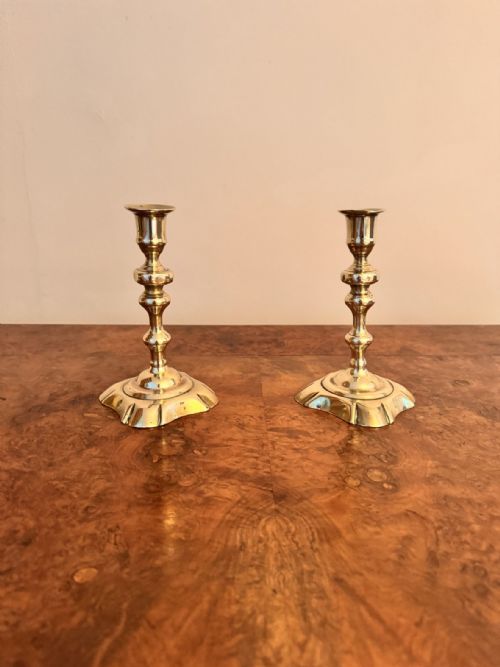
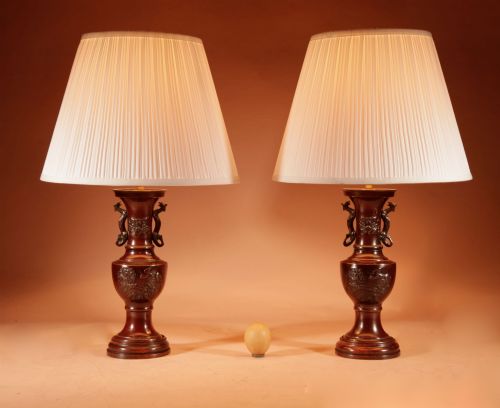
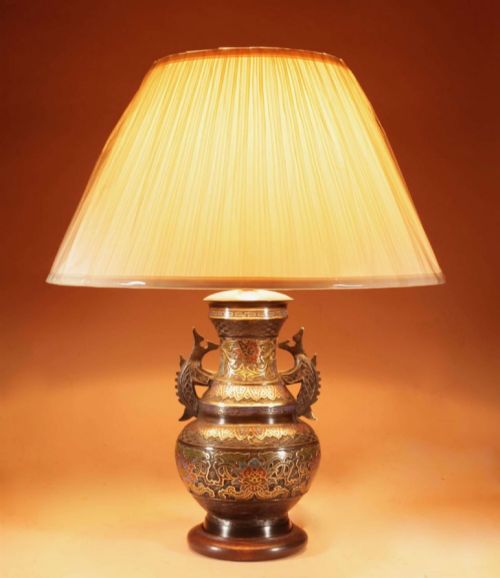
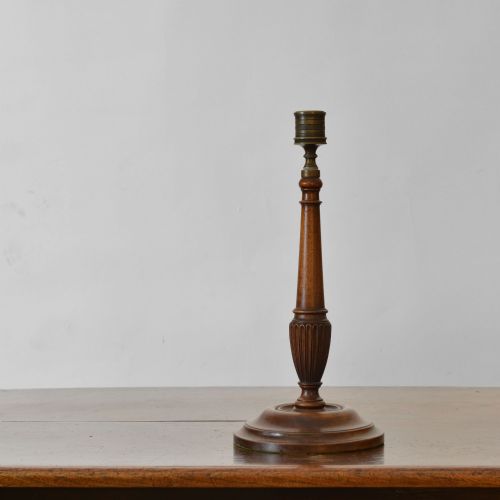
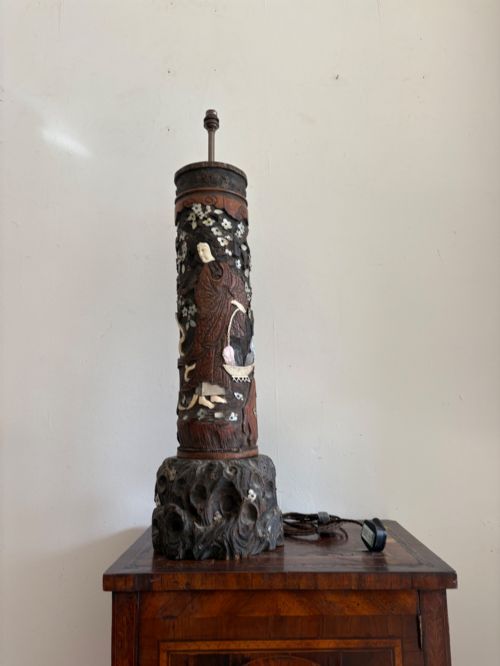
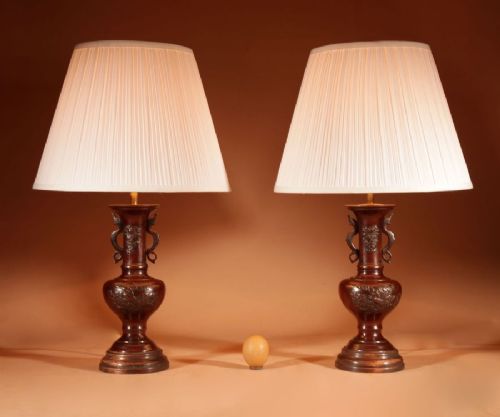
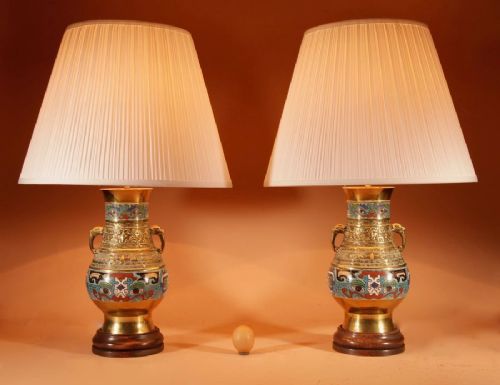
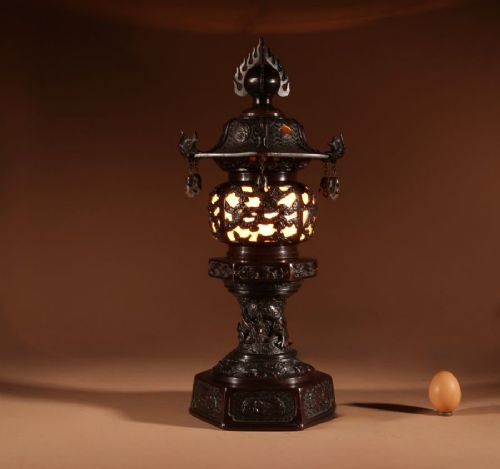
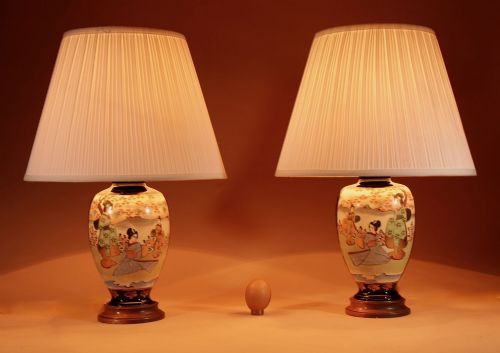
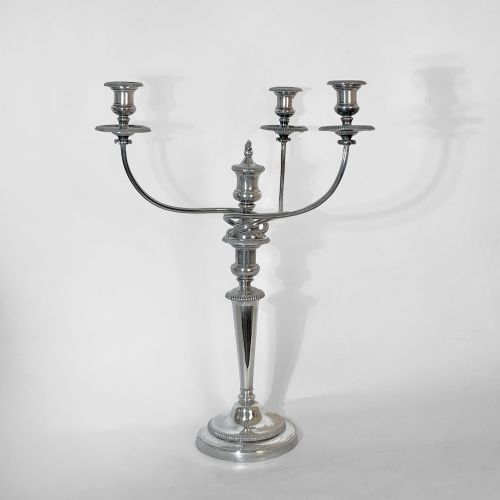
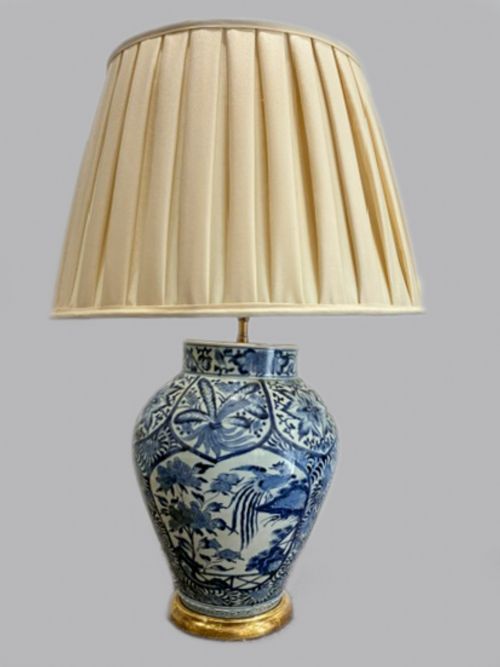
A period table light encompasses various historical lighting forms designed to sit on surfaces, ranging from Georgian brass candlesticks to Victorian oil lamps and converted Japanese vases. Buyers seeking a period table light will frequently encounter metal and ceramic constructions adapted from earlier vessels or manufactured specifically for illumination across the eighteenth and nineteenth centuries.
The selection includes candelabra, candle lamps, and paraffin lamps from distinct eras such as the Regency, Victorian, and Meiji periods. Many examples originate as utilitarian items like candlesticks or oil lamps subsequently converted for electrical use, alongside decorative bronze and brass figures integrated into lighting fixtures.
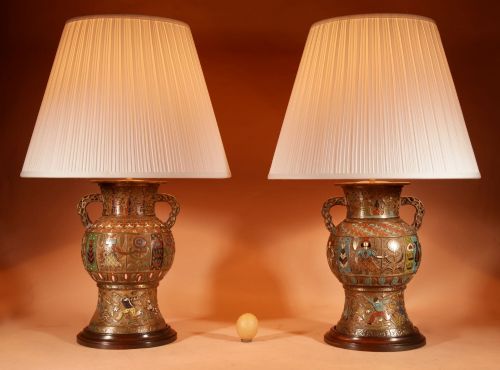
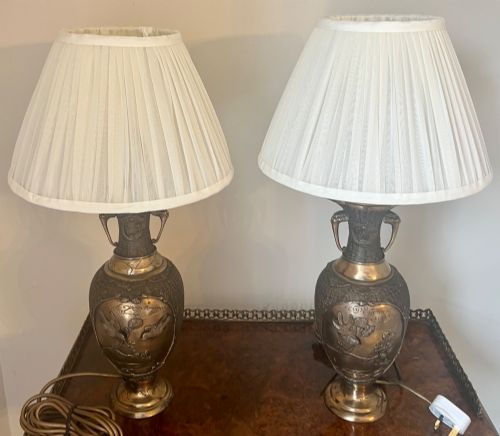
Japanese export pieces, including Satsuma pottery and champlevé bronze, feature heavily alongside traditional English and French metalwork. This mix reflects both domestic production and the historical demand for imported decorative arts converted into functional household illumination.
Materials and construction methods
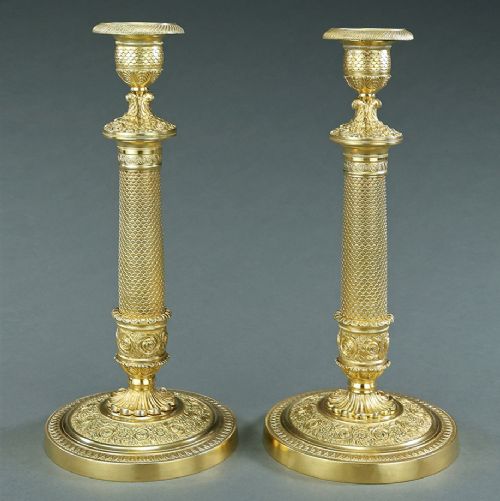
Metalwork forms the backbone of these pieces, utilising cast and seamed brass, bronze, gilt bronze, and copper formed into candlesticks, bases, and structural mounts. Techniques such as champlevé enamel, cloisonné, and ormolu mounting add surface decoration and colour to Japanese and French examples.
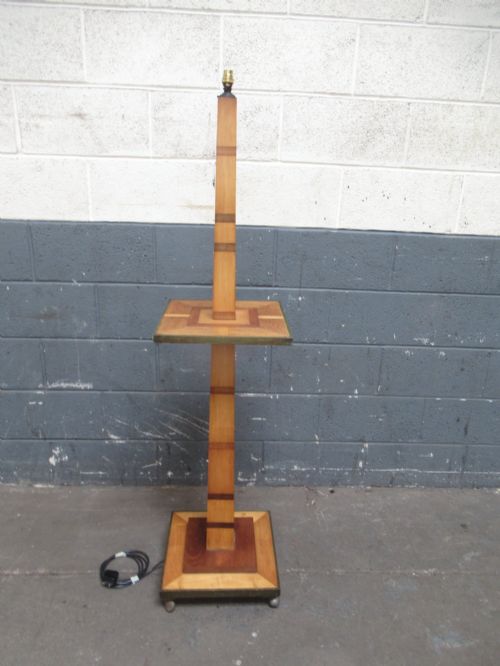
Organic and delicate materials complement the metal structures, with fabric, silk, and glass utilised for shades and reservoirs. Wood and marble appear in specific bases, including mahogany, sycamore, and rouge marble, providing weight and stability to taller lamp bodies.
Listings feature brass, bronze, porcelain, and silk across eighteenth, nineteenth, and early twentieth-century periods.
Distinguishing quality across pieces
The refinement of the casting and champlevé or cloisonné enamel work dictates the visual standard of metal lamps. Crisp detailing in bronze figures and clean execution of decorative motifs set finer examples apart from standard production items.
Material integrity and the survival of original components, such as matched pairs of candlesticks or untouched surface patination on brass and bronze, elevate the standing of a piece within its period.
Rabiat·Polaire of Paris·Gustave Serrurier Bovy·Ronson
The Period Table Light Glossary
- Candelabra
- A branched candlestick holding multiple candles or configured with multiple electric lights. These often feature adjustable arms or central decorative columns.
- Champlevé
- An enamelling technique where troughs or cells are carved into the surface of a metal base and filled with vitreous enamel before firing.
- Cloisonné
- A method of decorating metal objects where metal wire is soldered to the base to form compartments filled with enamel paste.
- Ormolu
- Gilt bronze ornamentation applied to furniture, clocks, and lighting fixtures, popular in French decorative arts during the eighteenth and nineteenth centuries.
- Pricket candlestick
- A candlestick featuring a central spike or pricket upon which the candle is mounted, rather than resting in a socket.
Period Table Light: Frequently Asked Questions
What is a period table light?
A period table light is a functional lighting fixture originating from a specific historical era, encompassing candlesticks, oil lamps, and desk lamps.
These objects often bridge utility and decorative arts, utilising materials like brass, bronze, and ceramic.
How were old oil lamps converted?
Older oil lamps and candlesticks were adapted to hold electrical wiring to meet modern household requirements.
This process typically involves running a cord through the central axis while preserving the original metal or ceramic body.
Are these lamps safe to use?
Many historical lamps have been rewired for contemporary electrical standards, though checking the internal components is recommended.
Consulting a qualified electrician ensures that older metal bases meet current safety guidelines.
How do I identify the period?
Dating relies on stylistic markers, manufacturing techniques, and materials characteristic of eras such as the Georgian or Victorian periods.
Examining metal casting methods and decorative motifs helps establish the chronological origin of each piece.