
Period Style Seating
Period style seating brings together historic forms like dining chairs and settees, offering traditional craftsmanship for everyday rooms.
Period Style Seating
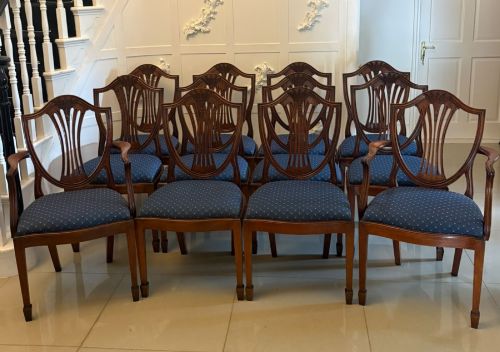
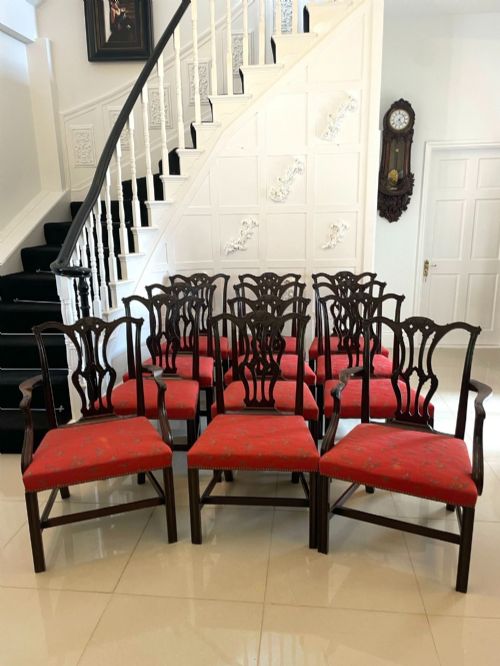
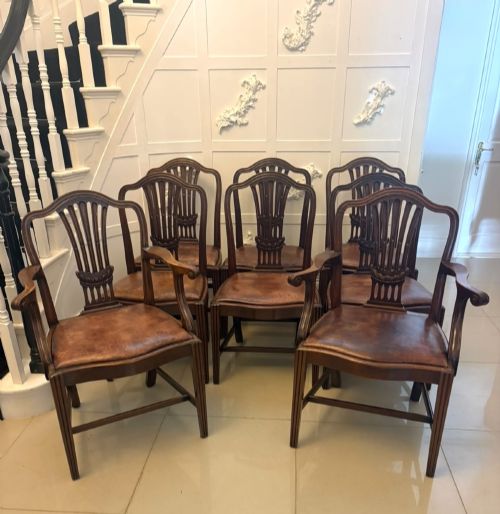
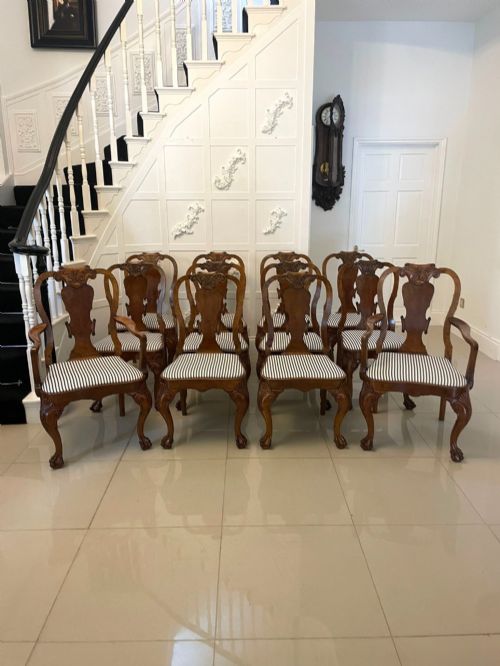
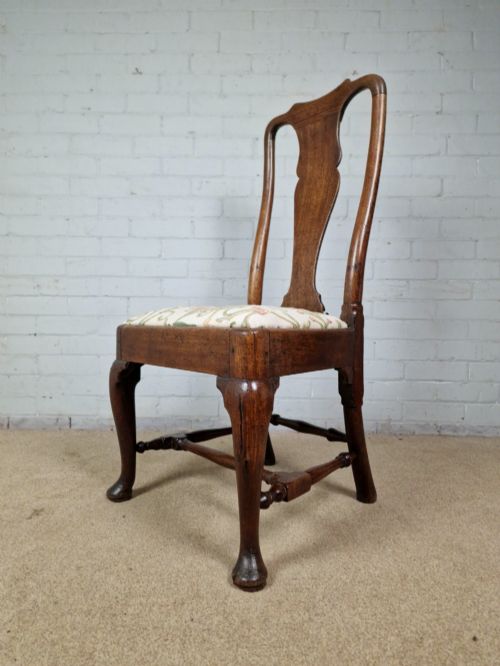
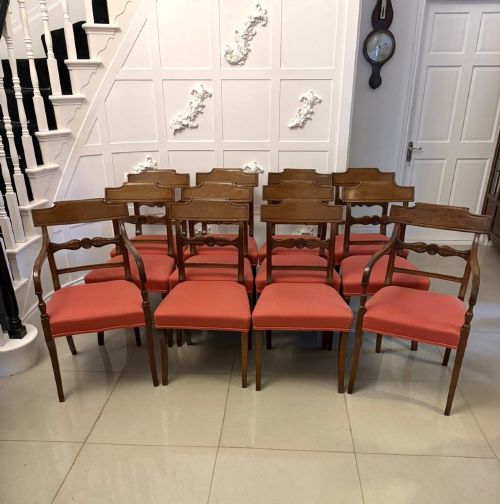
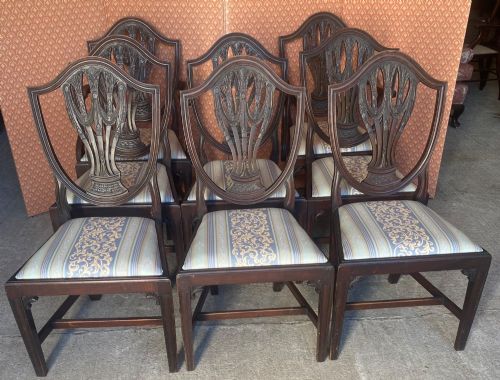
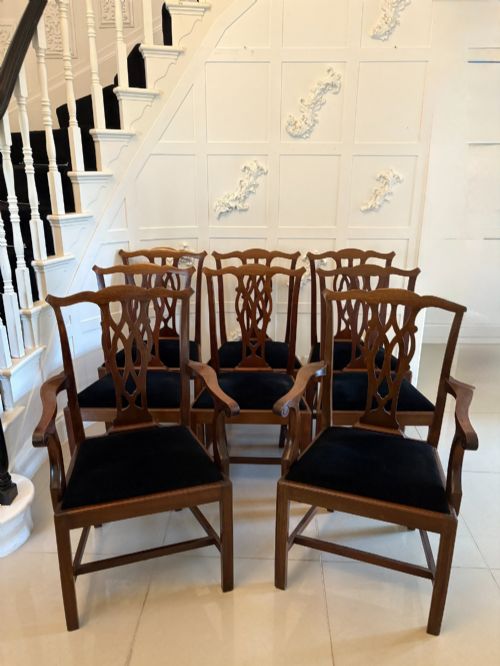
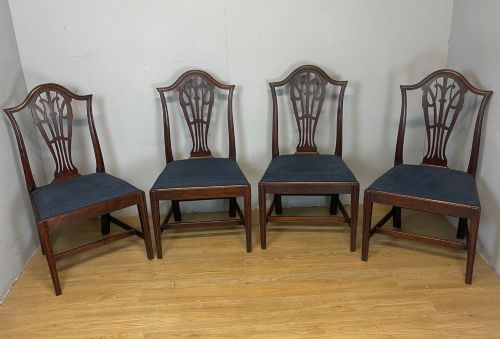
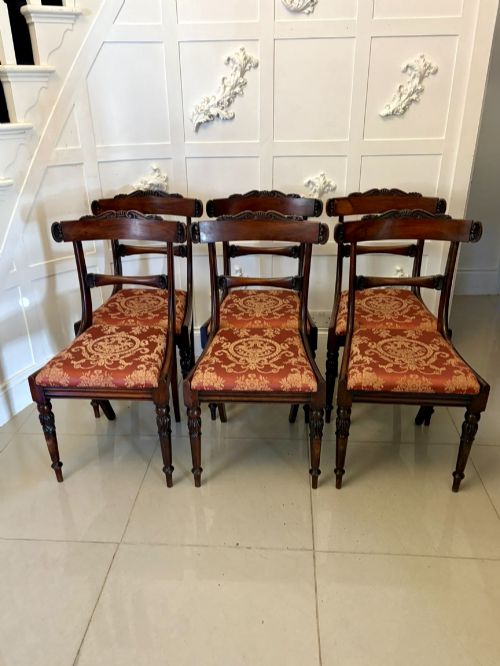
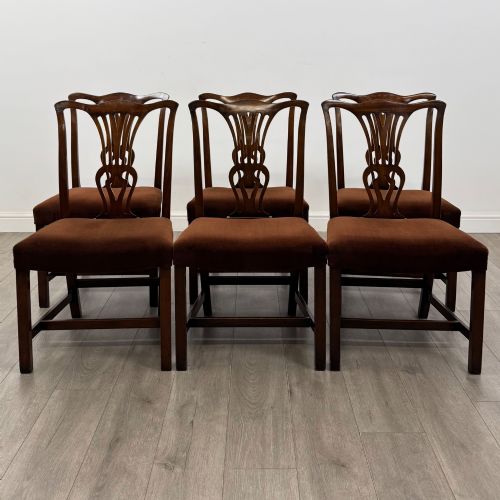
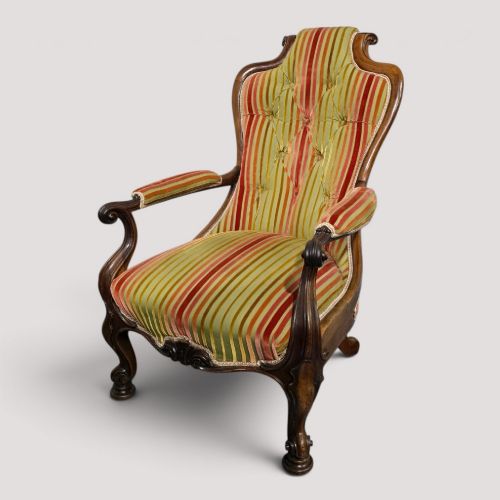
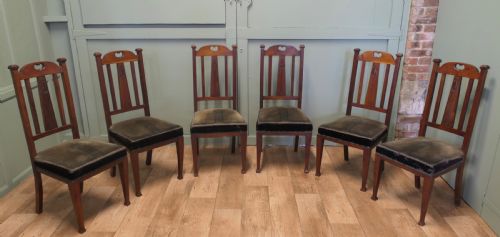
The options range from single armchairs to substantial sets of dining chairs intended for formal tables. Many pieces reflect revival movements, incorporating classic design vocabulary such as shield backs, bar backs and carved arm frames.
Origin influences appearance, with English mahogany designs appearing alongside French giltwood open armchairs and Scottish dining sets. The selection balances original antique production with later interpretations from the early twentieth century.
Materials and construction
Makers utilised solid hardwoods, predominantly mahogany, oak and walnut, to construct durable frames capable of supporting daily use. Joinery techniques relied on traditional mortise and tenon joints to secure chair legs, rails and backs without relying on modern fasteners.
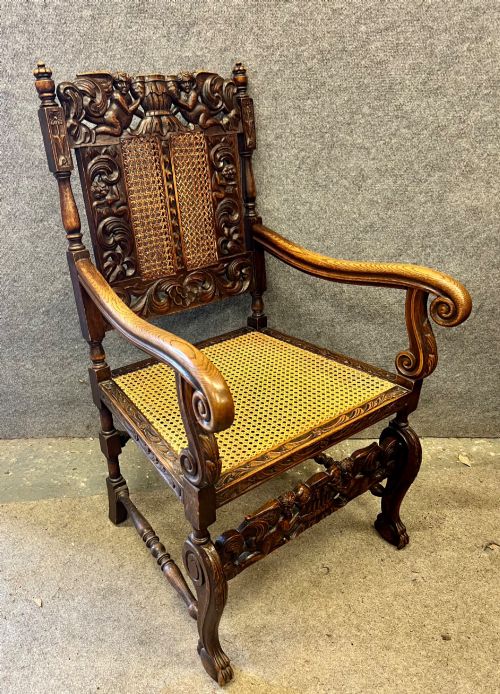
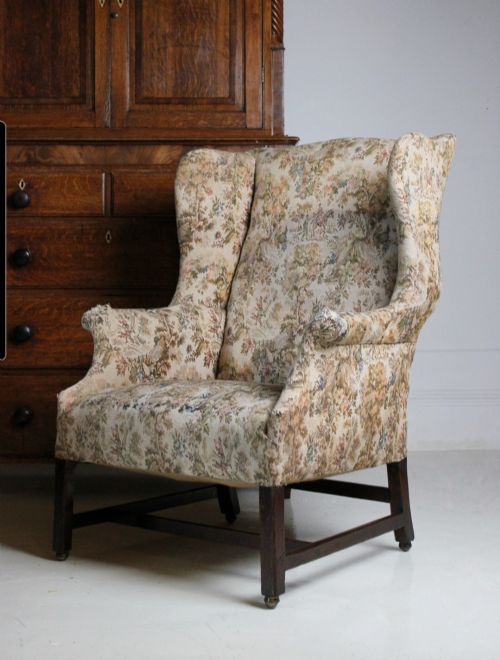
Surface treatments included polishing wood to expose natural grain patterns, alongside painted finishes, parcel gilding and decorative faux maple effects. Upholstery involved traditional fabric coverings, including velvet and tapestry, secured over internal webbing and padding.
Period representation spans from the seventeenth century through the Georgian, Victorian, and Edwardian eras up to 1920.
Quality differences
The standard of carving and timber selection dictates the distinction between standard production and exhibition grade pieces. Dense, finely figured mahogany or walnut with crisp, hand-carved decorative motifs represents superior craftsmanship.
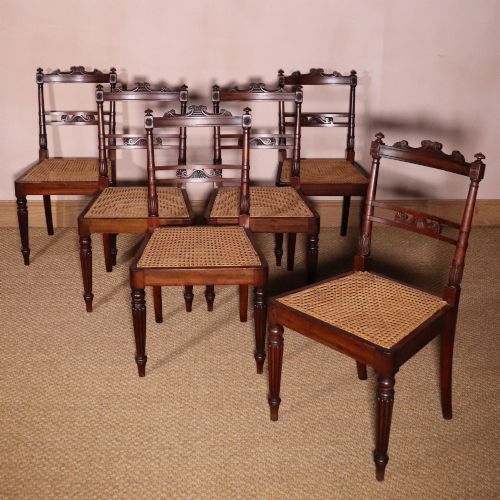
Structural integrity depends on the precision of the joinery and the retention of original components within sets. Uniformity across large dining sets and the condition of decorative elements like cane seating or giltwood frames determine overall distinction.
Charles Tozer·Maple and Co
The Period Style Seating Glossary
- Shield back
- A chair back shaped like a heraldic shield, popular in late eighteenth century dining furniture. This design often incorporates pierced splats for visual lightness.
- Bar back
- A horizontal wooden rail integrated into the upper section of a chair back. It provides lumbar support while maintaining a clean profile.
- Carver
- A term for an armchair, typically designed as part of a dining set to sit at the head of a table. These pieces match the smaller side chairs in style.
- Parcel gilt
- A finishing technique where specific carved details on a wooden surface are partially gilded with gold leaf. It highlights decorative motifs against a painted or polished ground.
- Fauteuil
- An open-arm armchair originating in France, characterised by upholstered back and arm pads with exposed wooden framing. These seats reflect formal continental interior styles.
Period Style Seating: Frequently Asked Questions
How do I care for antique wood chairs?
Maintain timber frames by dusting with a dry cloth and applying appropriate wax polish periodically to preserve the finish.
Keep seating away from direct heat sources and strong sunlight to prevent the wood from drying out or splitting.
Can I use period chairs for daily dining?
Solid hardwood construction ensures these chairs remain structurally robust for regular daily use around a dining table.
Check that joints remain tight and stable before heavy seating use, arranging professional tightening if movement occurs.
How do I identify Regency style seating?
Regency designs draw inspiration from classical antiquity, featuring saber legs, reeded frames, and dark polished mahogany.
Expect bolder decorative elements and simplified structural lines compared to earlier ornate Georgian production.