



Period Study Chair
These period study chairs are substantial timber seats designed for reading, writing and serious work, built to last generations.
Period Study Chair
A period study chair serves as a practical seat for a library, desk or morning room, combining sturdy construction with classical design. Buyers searching for a period study chair encounter versatile forms such as elbow chairs, library armchairs and desk chairs.
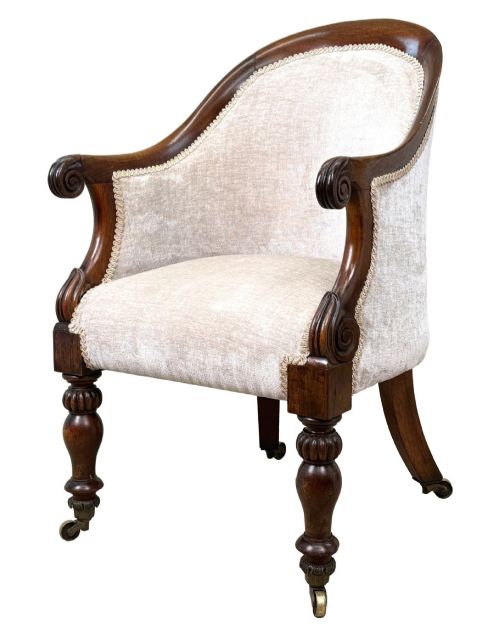
The selections span several eras, with Regency mahogany models and Victorian walnut examples appearing most frequently alongside Georgian and Edwardian pieces. These seats range from simple carver chairs to deep-sprung tub library armchairs with leather or fabric upholstery.
Materials and construction
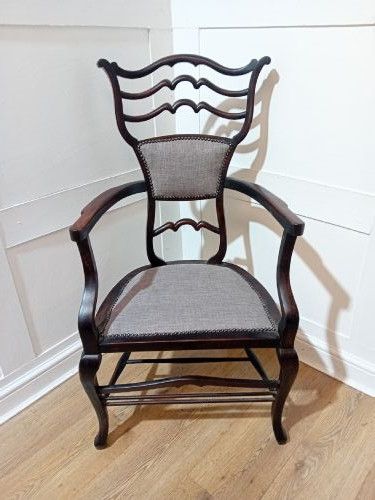
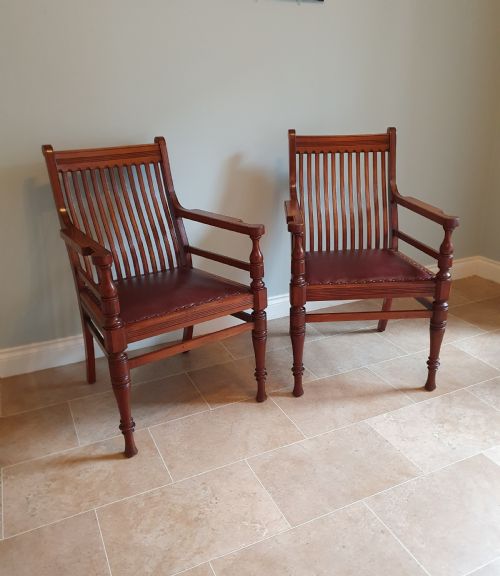
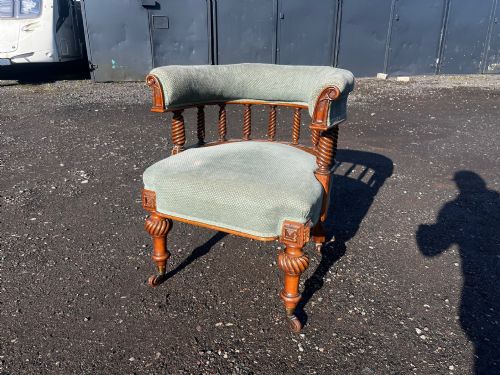
Cabinetmakers built these seats primarily in dense hardwoods such as mahogany, walnut and rosewood, ensuring structural strength for daily use at a desk or table. Timber frames often feature carved details and turned legs that reflect the prevailing taste of their period.
Makers integrated brass elements, such as casters or upholstery studs, alongside supportive seats upholstered in leather, fabric or textile. These materials work together to provide both comfort during long hours of study and lasting durability.
Period Study Chair Retail Price Guide 2026
Typical asking prices for period study chair among the pieces listed under this phrase on Sellingantiques today, from the lower quarter to the upper quarter. They describe what is for sale here now, not the wider market.
Listings feature mahogany, walnut and rosewood timbers across Regency, Georgian, Victorian and Edwardian periods.
Distinguishing quality
The distinction between standard examples and superior pieces rests upon the crispness of the timber carving and the selection of well-figured mahogany or walnut. Higher quality chairs exhibit harmonious proportions and careful joinery that remains tight over centuries of use.
The integrity of the original framing and the quality of secondary timbers underneath reveal the care taken by the original maker. Finer items retain sophisticated design touches, such as sliding mechanisms or superior brass hardware, that elevate them above utility pieces.
The Period Study Chair Glossary
- Bergere
- An enclosed armchair with cane or upholstered sides and back. This French-inspired form offers a deep and comfortable seat for a library.
- Tub chair
- An upholstered armchair with a rounded back enclosing the sides in a continuous curve. The design provides snug support during reading and writing.
- Elbow chair
- An informal term for a wooden armchair with low arms, typically used in a drawing room, bedroom or study. It provides comfortable seating without taking up excessive space.
Period Study Chair: Frequently Asked Questions
What defines a study chair?
A study chair is a sturdy timber seat designed specifically for reading, writing and working at a desk or in a library. These pieces prioritise practical support and durability alongside classical design.
Such chairs often feature robust arms, supportive backs and durable leather or fabric upholstery to withstand long hours of use.
How do I date a wooden chair?
Dating a chair involves examining the primary and secondary timbers, the joinery methods and the stylistic details characteristic of specific eras like the Georgian or Victorian periods. Cabinetmakers shifted their decorative vocabulary and construction techniques over time.
Comparing the carved motifs, leg forms and hardware against known historical examples helps determine the exact period of manufacture.
Are these chairs comfortable for daily use?
These historical chairs were built for regular use in libraries, studies and morning rooms, offering solid ergonomic support for reading and writing. Many include upholstered seats in leather or textile to ensure comfort.
Placing one at a modern desk provides both a functional workspace seat and a piece of historical furniture with character.
What is the difference between mahogany and walnut?
Mahogany and walnut are both dense hardwoods used extensively in fine cabinetmaking, each offering distinct colour and grain patterns. Mahogany tends to feature a rich, reddish-brown tone that takes a high polish.
Walnut displays a darker, deeply figured grain with characteristic warmth, favoured during the Georgian, Victorian and Edwardian eras for sophisticated desk and library seating.