
Brown Library Chair
A brown library chair brings substance and comfort to a study, combining durable wood frames with practical seating designed for long hours of reading or work.
Brown Library Chair
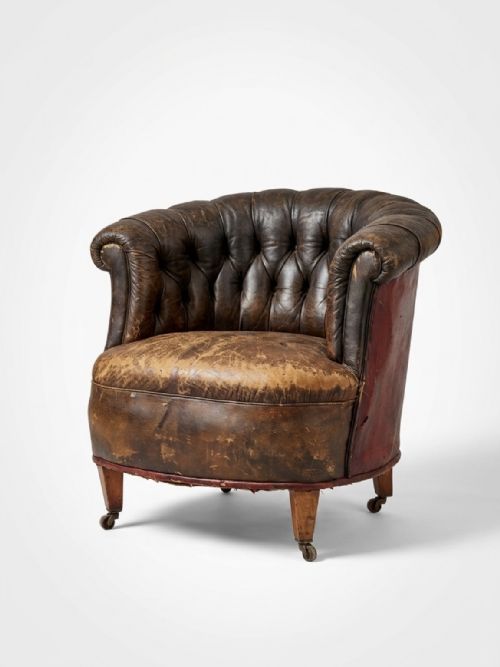
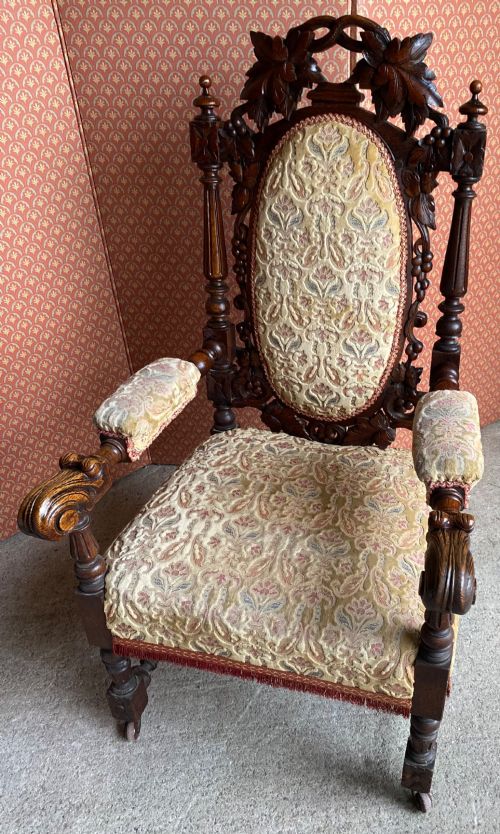
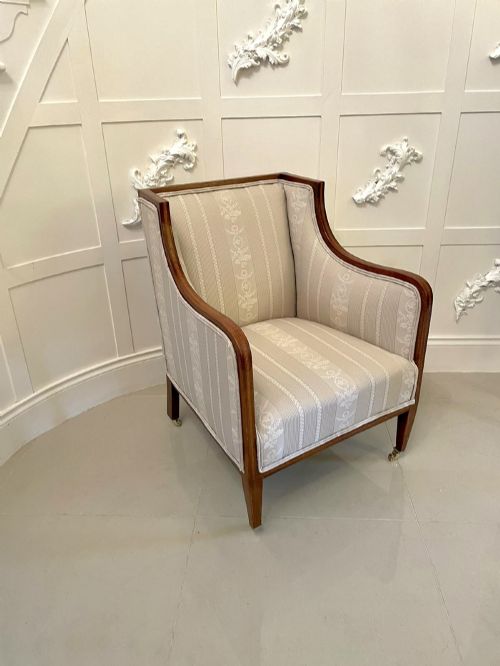
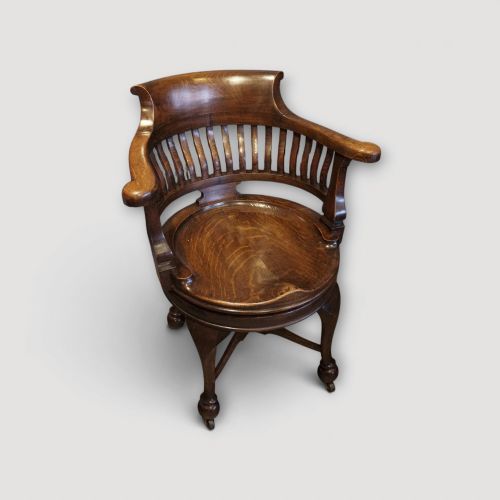
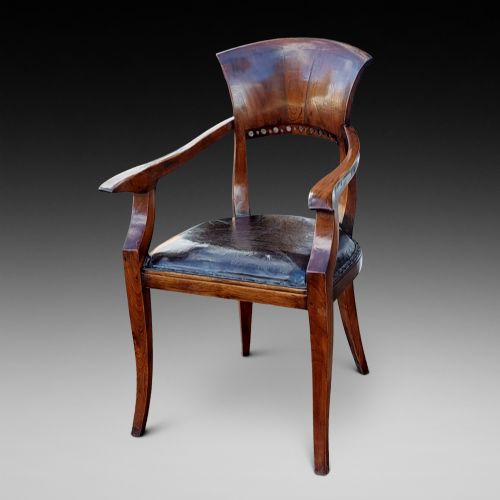
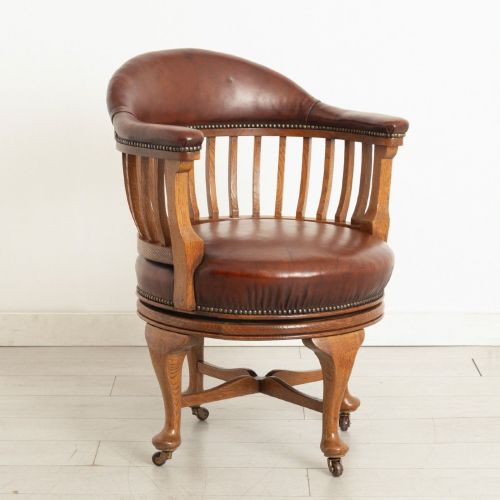
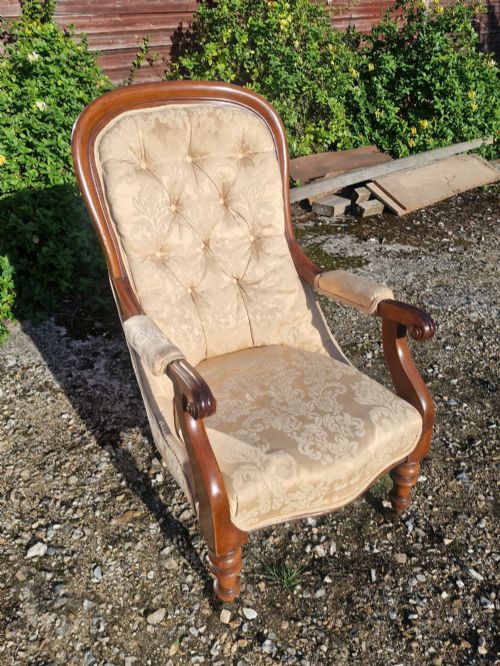
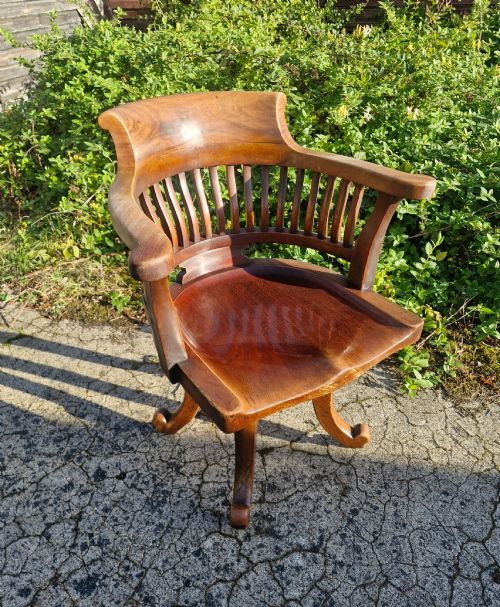
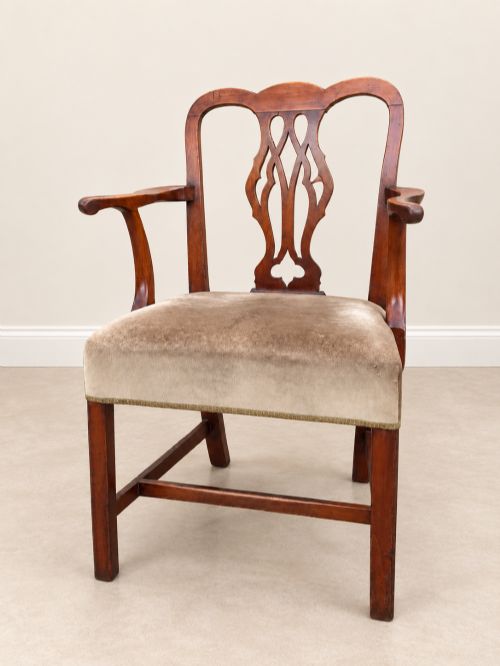
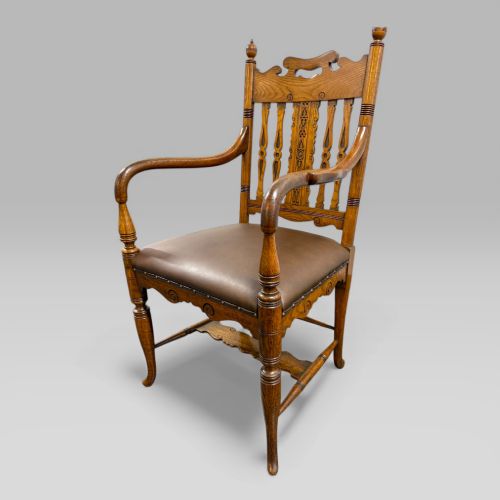
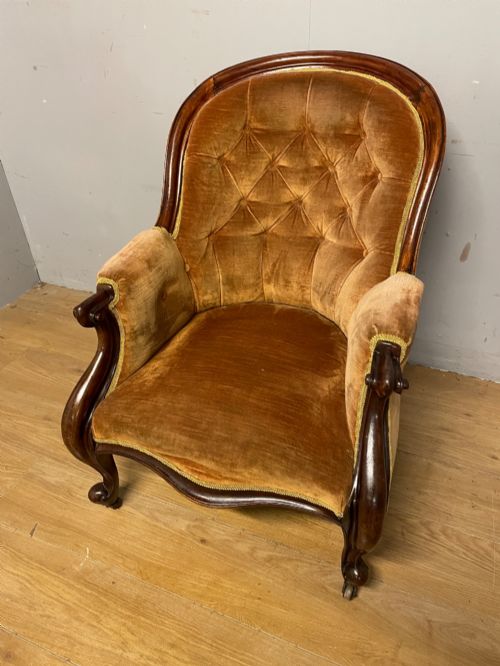
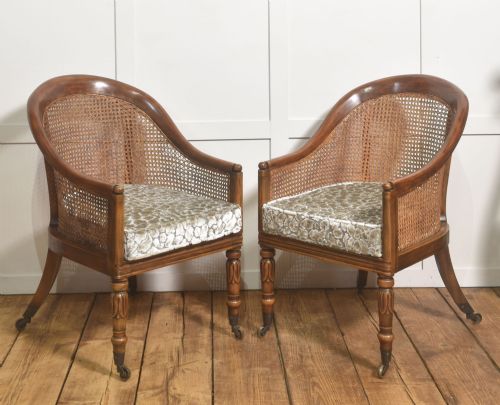
A brown library chair encompasses sturdy desk chairs, revolving office seats, and leather-upholstered armchairs originating from periods such as the Georgian, Victorian, and Edwardian eras. These pieces bridge the gap between functional work furniture and comfortable seating intended for private studies and home libraries.
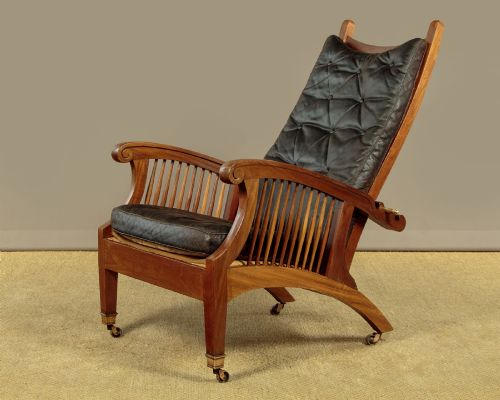
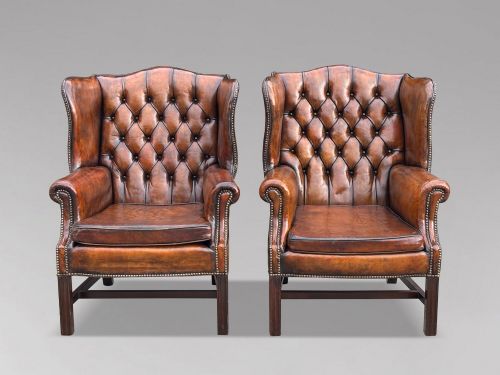
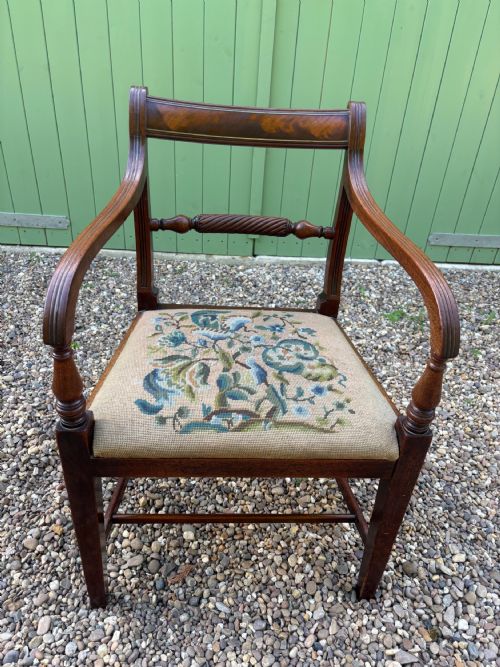
The most common examples on this page are mahogany or oak armchairs featuring leather upholstery, swivel mechanisms, or cane panels. Many incorporate traditional forms like the tub chair, wing back, or desk chair, reflecting the domestic and professional needs of the nineteenth and early twentieth centuries.
How they were made
Frames rely heavily on dense hardwoods like mahogany and oak, shaped through traditional joinery and occasional carved ornamentation. These timbers provide the structural integrity necessary for daily use in offices and libraries.
Upholstery typically employs supple leather fixed with brass studs, alongside woven cane panels and buttoned cushioning. Metal components such as cast brass castors and swivel mechanisms appear frequently on desk and office variants.
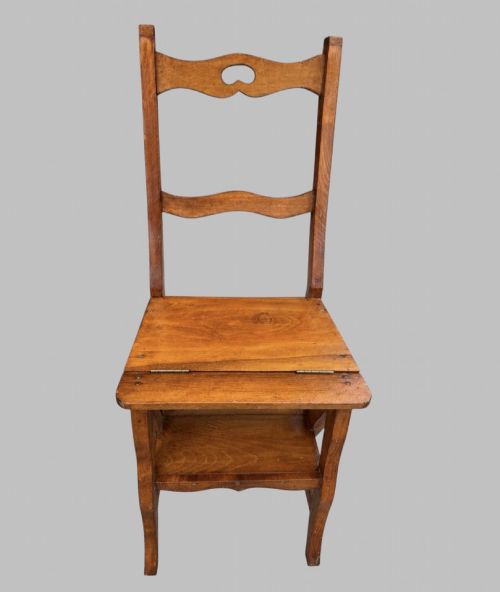
Some library chairs cleverly unfold into a set of wooden steps for reaching high bookshelves.
What varies in quality
The choice of timber and the precision of the joinery dictate the baseline quality of each frame. Heavier, denser woods and crisp carving separate standard utility seating from finer workshop pieces.
The condition and grade of the leather upholstery significantly influence the character and appeal of the chair. Original patination and well-executed buttoning denote a higher standard of craftsmanship.
Gillows·Bruce James Talbert·Philip Webb·Giles Grendey·Alexander Greek Thomson
The Brown Library Chair Glossary
- Bergere
- A traditional upholstered armchair with enclosed cane work sides and back. The wooden frame is usually exposed and polished.
- Castor
- A small wheel fitted to the legs of a chair to allow easy movement across floor surfaces. These are frequently cast in brass on nineteenth-century examples.
- Metamorphic
- Furniture designed to transform into another object, such as an armchair that folds out into a set of library steps.
- Tub chair
- An armchair with a continuous curved back and arms forming a rounded enclosure. This shape offers supportive seating around desks and reading tables.
Brown Library Chair: Frequently Asked Questions
How do I use a library chair today?
These chairs function well at modern desks, reading tables, or as fireside seating in a living room. Their sturdy construction supports daily working use while adding traditional character to a room.
Revolving and desk variants suit home offices, whereas leather wing backs provide comfortable lounging. Pairing them with modern furniture creates a balanced, eclectic interior.
Are these chairs comfortable for working?
Many examples are specifically designed for long hours at a desk, featuring supportive high backs and padded leather seats. Swivel mechanisms and tilt functions on office variants aid mobility.
Depth of seat and lumbar support vary by period, so matching the chair dimensions to your workspace ensures physical comfort during use.
How do I tell a Victorian chair from a Georgian one?
Georgian chairs generally display cleaner, more restrained classical lines with native timbers like mahogany and yew wood. Carving is often crisp and architectural.
Victorian pieces tend to be heavier, incorporating industrial innovations like castors and revolving mechanisms alongside buttoned leather upholstery and eclectic revival styles.
What maintenance do leather library chairs need?
Leather upholstery benefits from regular dusting and occasional treatment with suitable conservation balms to prevent drying and cracking. Keeping chairs away from direct heat sources preserves the hide.
Checking and gently tightening any structural joints or castors periodically ensures the wooden frames remain stable through regular use.