
Period Storage Cabinet
A period storage cabinet brings centuries of craftsmanship into a room, offering practical organisation through centuries-old timber furniture.
Period Storage Cabinet
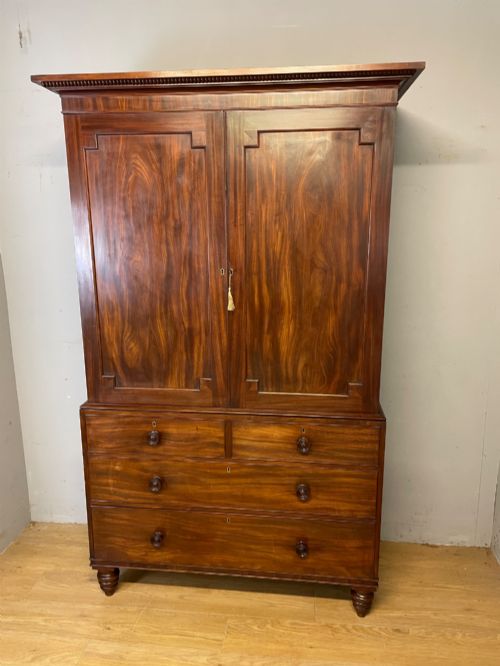
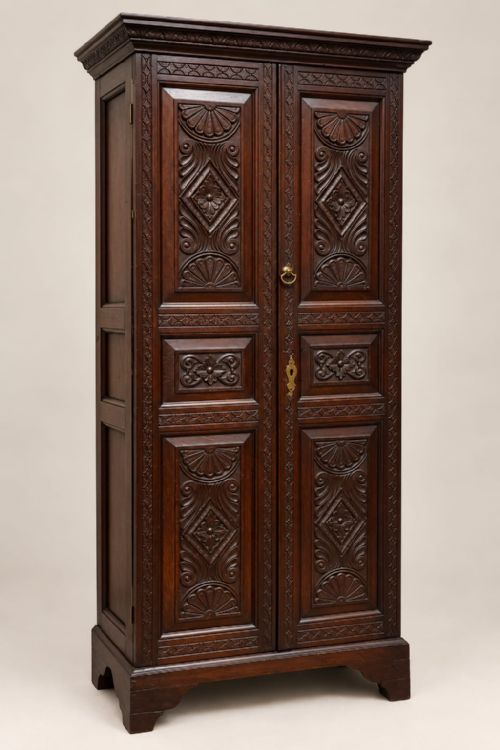
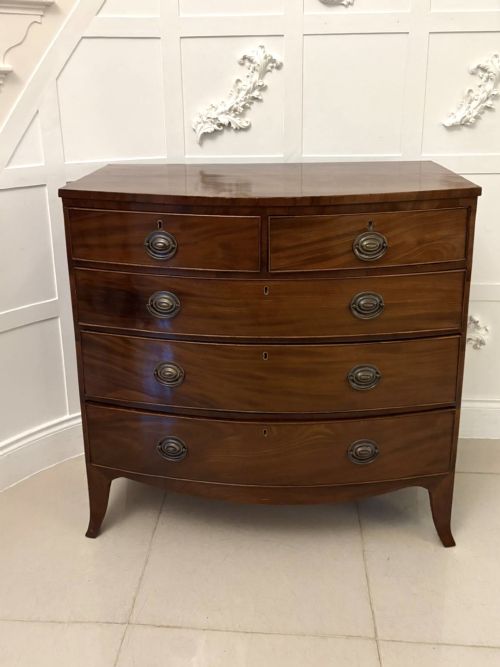
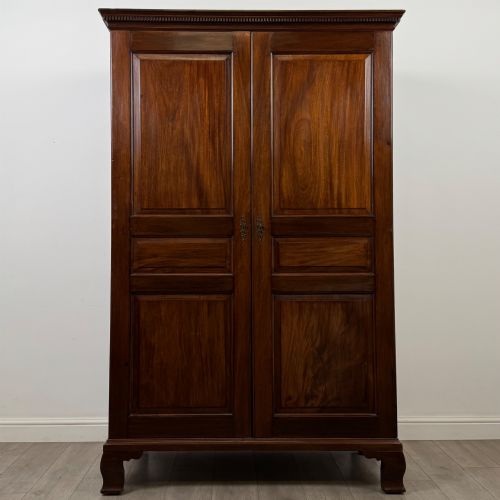
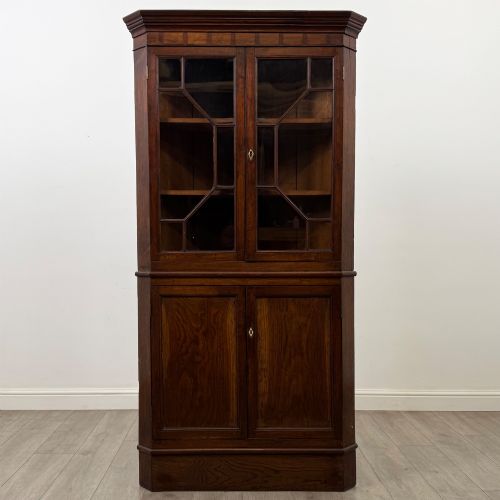
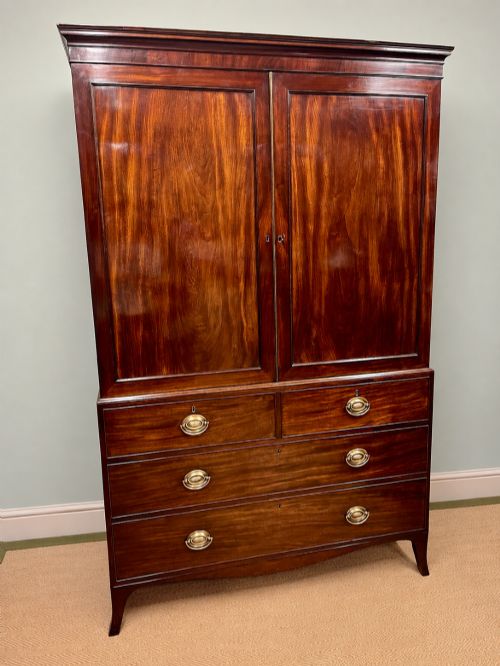
When searching for a period storage cabinet, buyers encounter a diverse selection of antique furniture spanning the 17th, 18th, 19th, and early 20th centuries. These items serve functional storage roles within domestic spaces, ranging from compact corner cupboards to grand linen presses and chests of drawers.
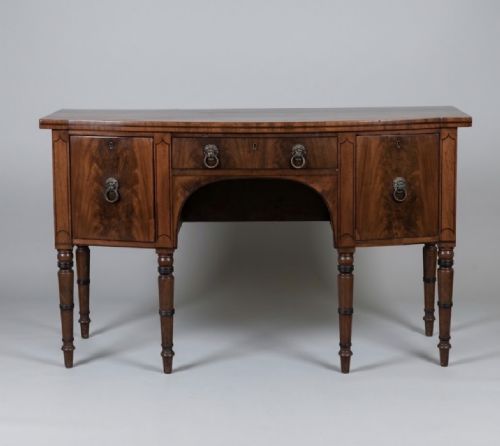
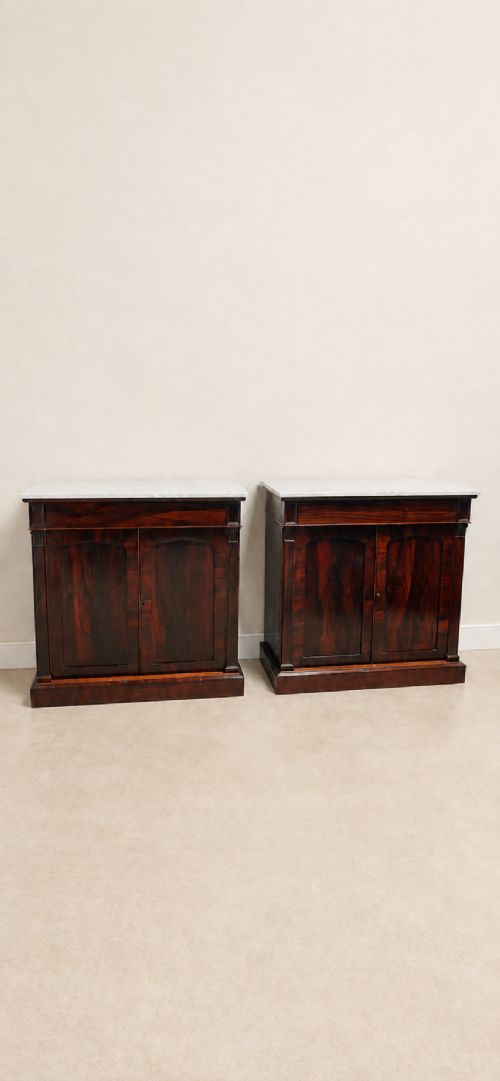
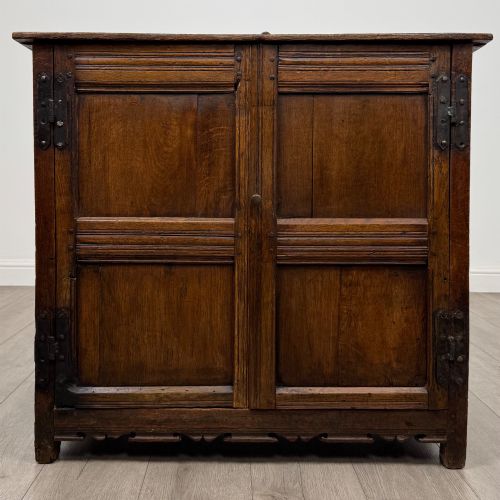
The most common examples on this page date from the Georgian and Regency eras, alongside robust 17th-century oak items and Edwardian additions. Formats vary extensively to suit different interior layouts, encompassing wall-hanging units, floor-standing corner cabinets, side cabinets, and multi-tiered chests.
Regional and international influences appear frequently among the listings, incorporating English country pieces, French provincial designs, and Japanese tansu chests. Such variety ensures that buyers find functional timber storage tailored to specific aesthetic preferences and spatial requirements.
How they were made
Cabinet makers relied heavily on robust native timbers like oak, elm, and mahogany, frequently selecting figured veneers such as flame mahogany, burr oak, rosewood, and amboyna for decorative surfaces. These woods were expertly joined to construct durable carcases designed to withstand daily domestic use over generations.
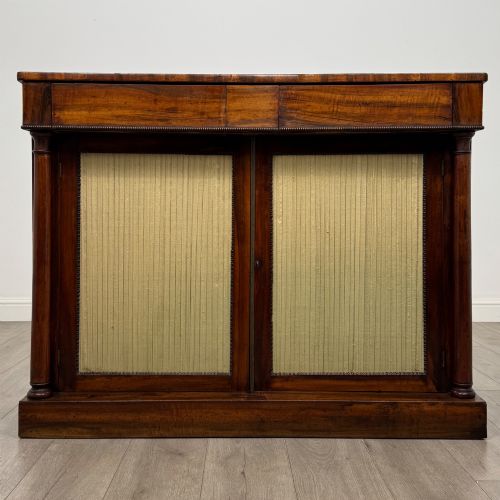
Construction techniques involved traditional hand-cut joinery, often enhanced by inlay work, dentil cornices, and applied brass details like grilles. Interior fittings ranged from simple wooden shelving to silk-panelled doors and specialised drawers tailored for linen, collectors' items, or kitchen wares.
Materials span native oak, elm, and pine alongside decorative imported timbers like amboyna and goncalo alves.
What varies in quality
Quality across these cabinets is defined by the selection of timber veneers, the precision of the cabinet maker's joinery, and the retention of original brass or wooden hardware. Pieces featuring highly figured mahogany, burr oak, or exotic rosewood naturally sit higher up the scale than simpler, utilitarian pine or plain oak versions.
The sophistication of decorative details - such as intricate inlay, carved mouldings, and specialist silk panels or brass grilles - distinguishes standard regional furniture from high-design country house commissions. Preservation of the original surface finish and structural integrity also plays a major role in establishing the tier of a given cabinet.
The Period Storage Cabinet Glossary
- Linen press
- A tall cupboard traditionally used for storing freshly laundered household textiles and linen. These pieces typically feature sliding trays or shelves enclosed behind upper doors, sitting above a base of multiple drawers.
- Chiffonier
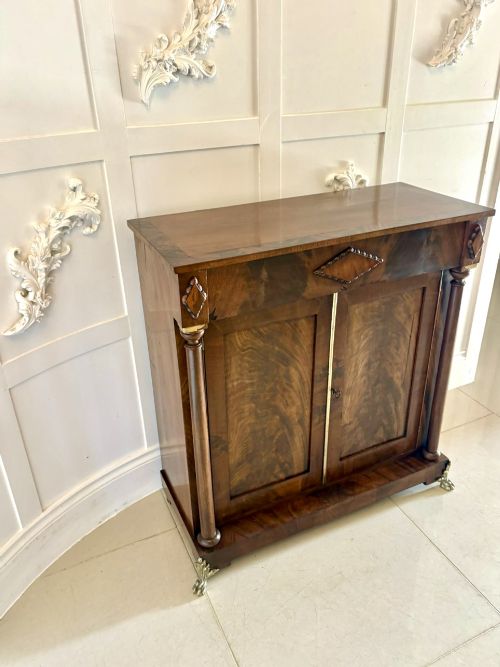
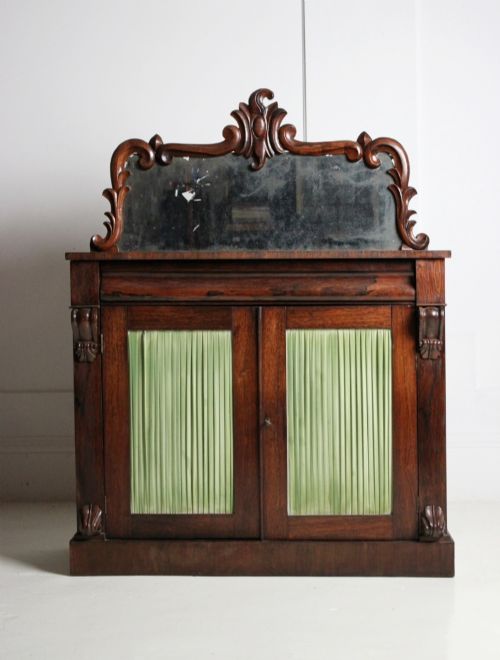
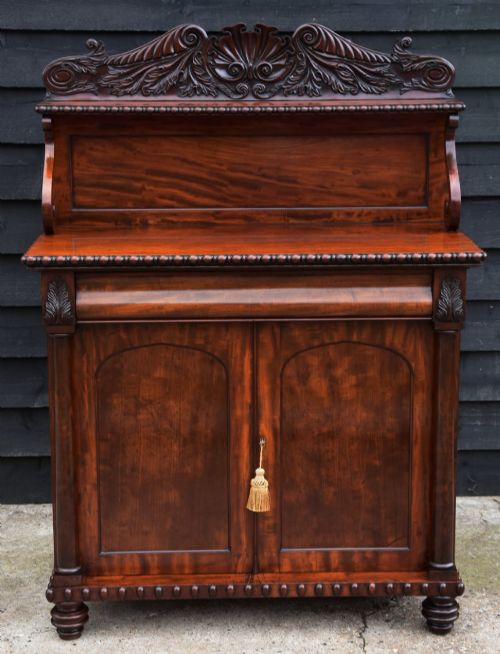
- A compact sideboard cabinet developed during the Regency period, usually fitted with enclosed lower cupboards and sometimes featuring a raised shelf or brass gallery on top.
- Chest on chest
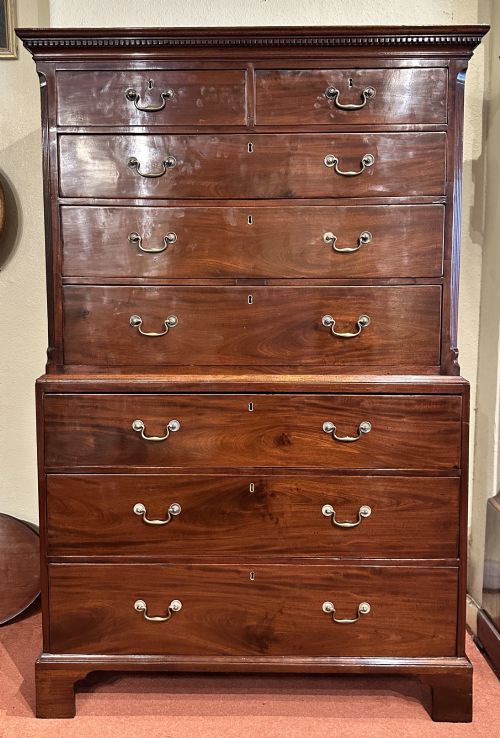
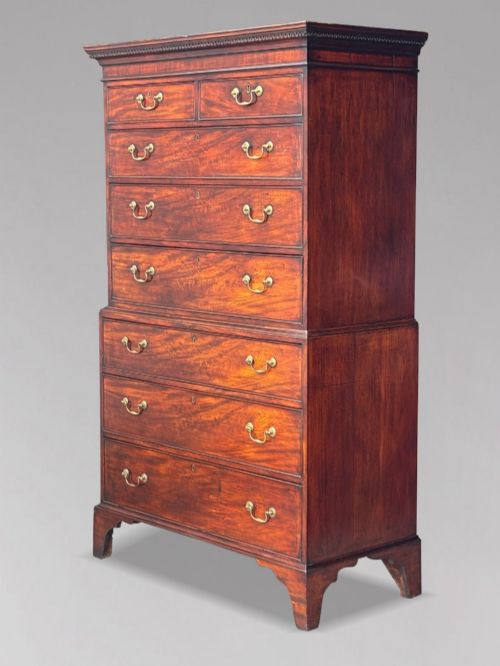
- A tall storage unit formed by stacking a smaller chest of drawers directly on top of a wider lower chest, sometimes referred to as a tallboy. This form maximises vertical storage capacity while maintaining a neat footprint.
- Corner cabinet
- A specialised storage piece constructed with an angled back designed to fit neatly into the corner of a room. Versions are built for floor standing or for hanging directly on a wall.
- Goncalo Alves
- A dense, heavily figured exotic hardwood utilised for fine cabinet making during the Regency era. Its striking decorative grain makes it sought after by collectors of high-status furniture.
Period Storage Cabinet: Frequently Asked Questions
How do I use a period storage cabinet today?
These versatile timber cabinets integrate seamlessly into modern homes for organising clothing, tableware, or everyday household items.
Larger linen presses and chests function effectively in bedrooms, while corner cupboards and side cabinets suit living rooms and hallways.
What is the difference between a chiffonier and a side cabinet?
A chiffonier is a specific type of low sideboard cabinet that emerged during the Regency period, often incorporating enclosed lower storage.
General side cabinets encompass a broader range of formats without the specific configuration of shelves and cupboards typical of a chiffonier.
How can I tell a Georgian cabinet from a Regency one?
Georgian pieces, particularly those from the George III era, often feature classical mahogany joinery, bracket feet, and dentil cornices.
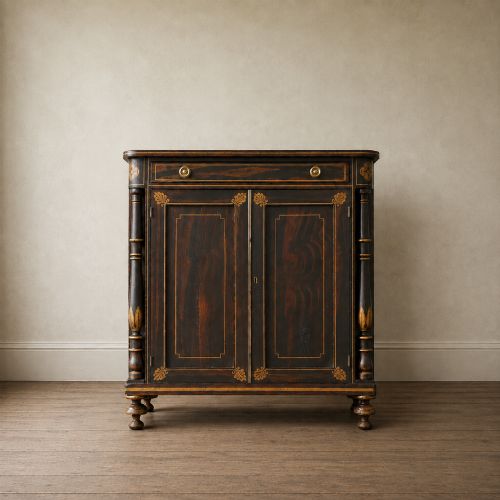
Regency examples tend to incorporate bolder exotic veneers like rosewood or amboyna, alongside decorative brass grilles and gilt highlights.
Where were corner cupboards placed in historic homes?
Corner cupboards were designed to occupy awkward or unused angles in dining rooms, parlours, and country house hallways.
Wall-hanging versions saved valuable floor space, whereas floor-standing models anchored the corner of a room while providing dual-level storage.