


Period Sideboard Cabinet
A period sideboard cabinet brings substantial timber and disciplined storage to a dining room, hallway or study.
Period Sideboard Cabinet
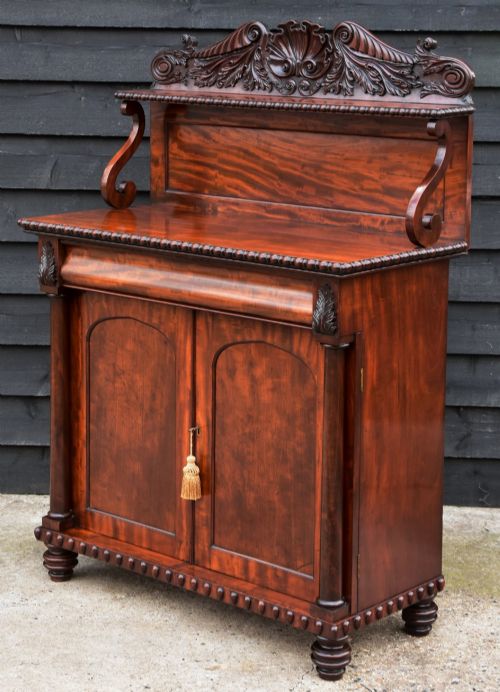
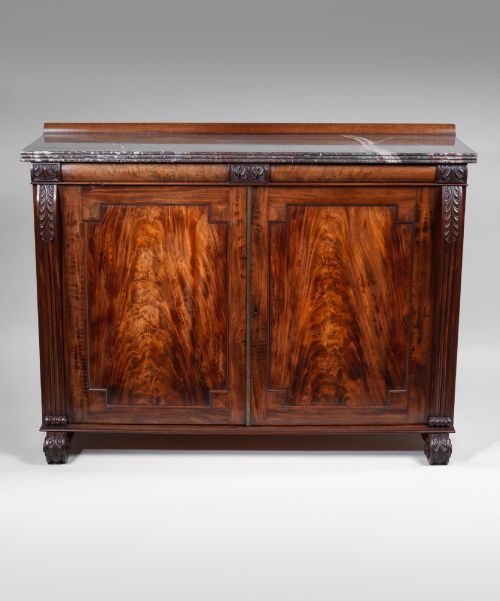
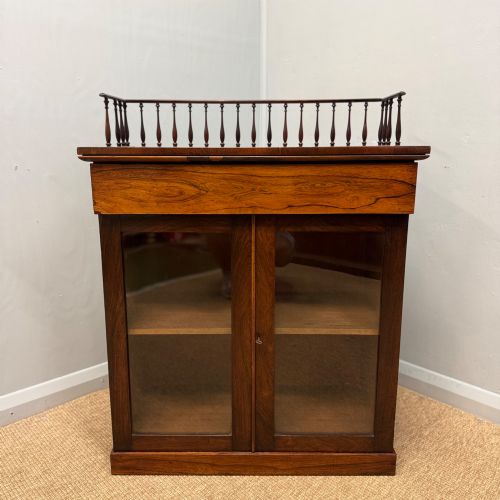
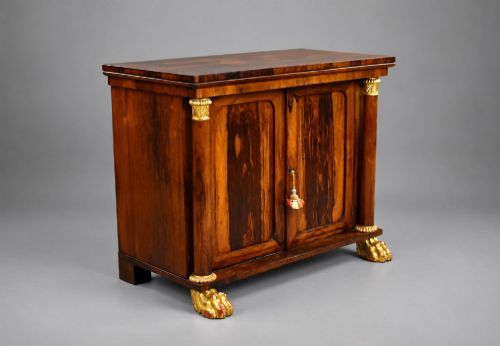
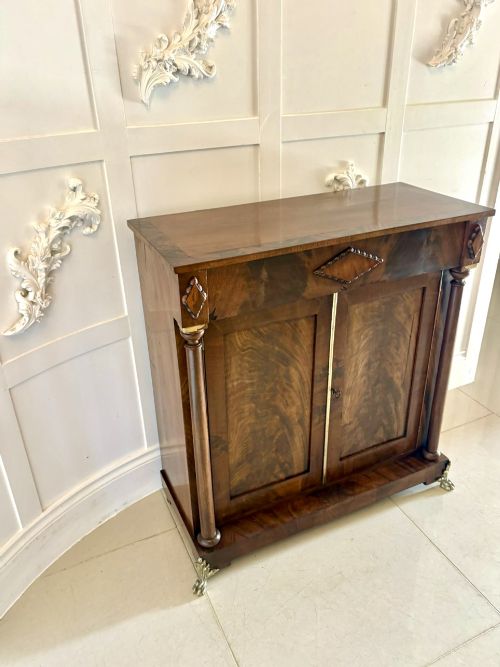
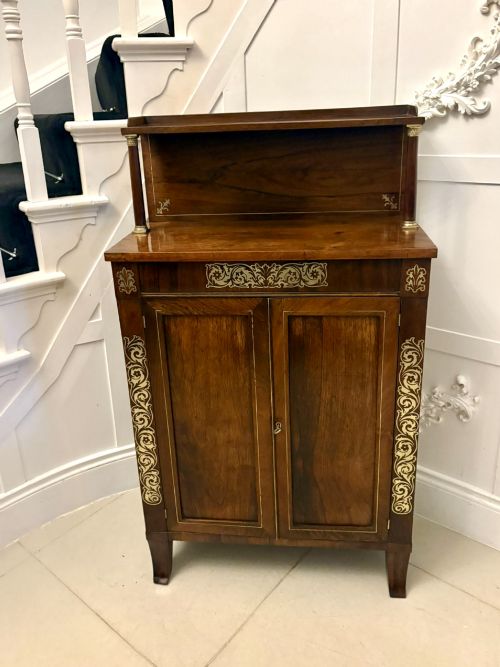
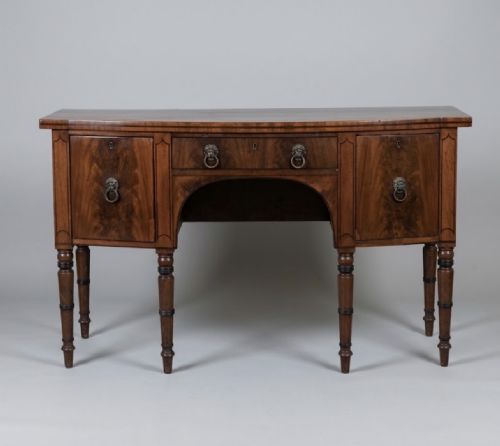
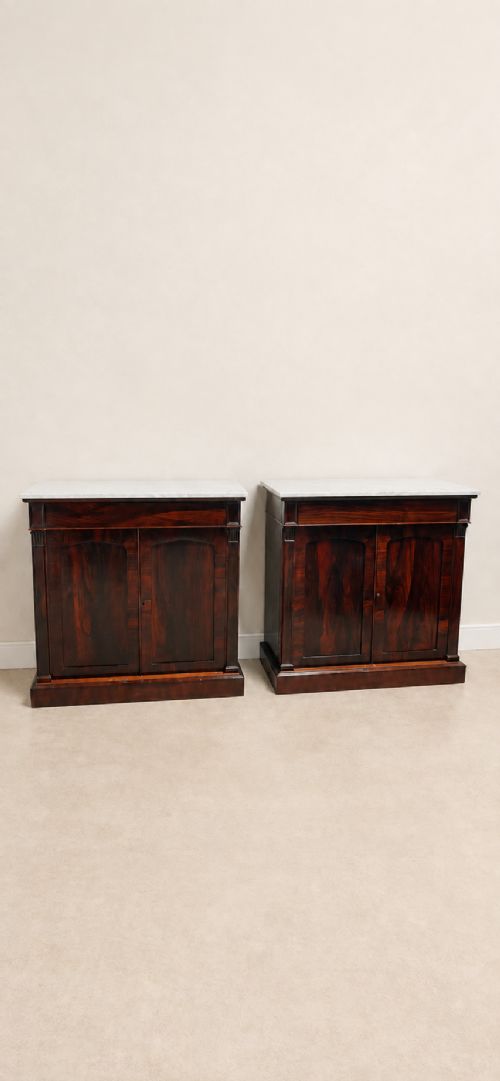
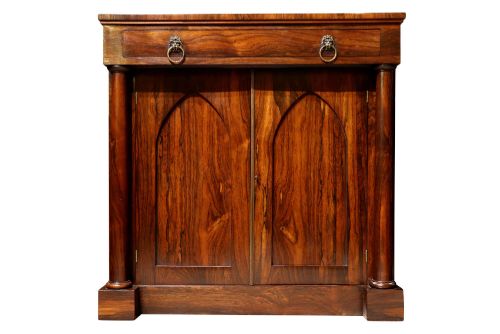
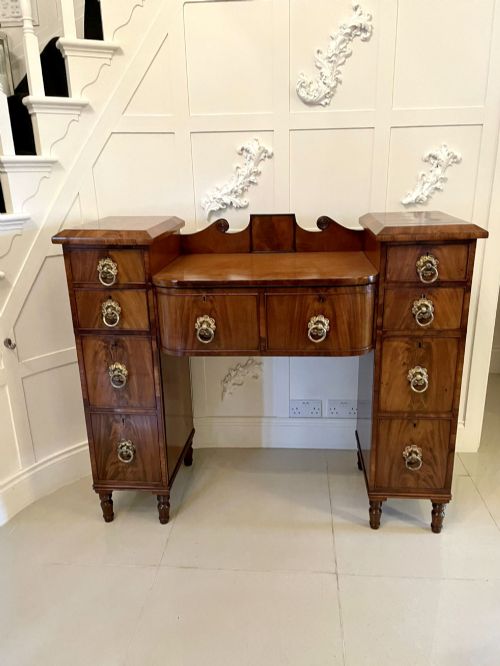
A period sideboard cabinet serves as a heavy storage piece designed for dining spaces, hallways and formal rooms. When you examine a period sideboard cabinet on this page, you encounter forms ranging from low side cabinets and chiffoniers to bowfront sideboards and bookcases.
The material origins stretch from the Georgian and Regency eras into the Victorian period, Edwardian years and the seventeenth century. Mahogany, rosewood and oak dominate the selection, accompanied by walnut, amboyna, goncalo alves and plum pudding mahogany.
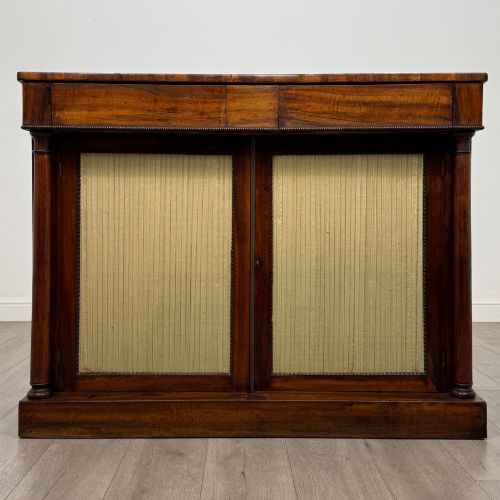
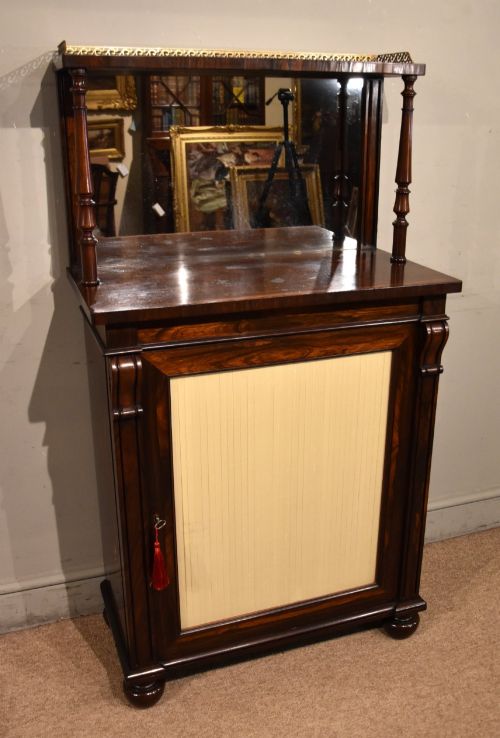
Regional and international varieties also appear, including French provincial buffets, Japanese tansu chests and Maltese walnut work. Sideboards and chiffoniers form the core of what meets the eye, often featuring cupboards, silk or brass grille panels, and drawers.
How they were made
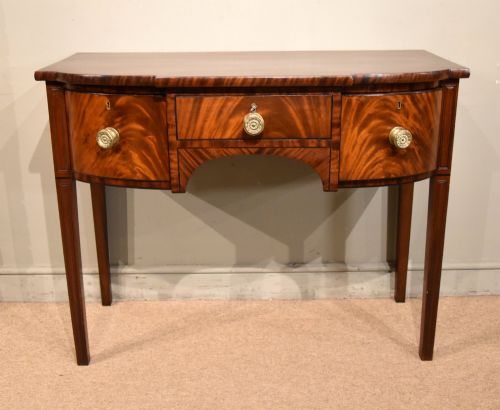
Cabinet makers constructed these pieces primarily from solid hardwoods and figured veneers over supportive secondary timbers. Mahogany and rosewood form the visual base, often enhanced by flame mahogany veneer, amboyna or walnut to create patterned surfaces on doors and drawer fronts.
Metalwork and textiles integrated directly into the construction of these cabinets. Brass mounts, brass grilles and gilt decoration appear frequently, alongside silk panels and pleated chiffon fabric set behind glazed or wooden doors.
Period Sideboard Cabinet Retail Price Guide 2026
Typical asking prices for period sideboard cabinet among the pieces listed under this phrase on Sellingantiques today, from the lower quarter to the upper quarter. They describe what is for sale here now, not the wider market.
Listings span multiple centuries, ranging from seventeenth century oak pieces to Edwardian mahogany buffets and nineteenth century Japanese tansu chests.
What varies in quality
Integration of secondary materials dictates the refinement of a piece. Fine cast brass mounts, intricate brass grilles, well-executed inlay and original pleated silk or chiffon panels elevate the standing of a cabinet.
The Period Sideboard Cabinet Glossary
- Chiffonier
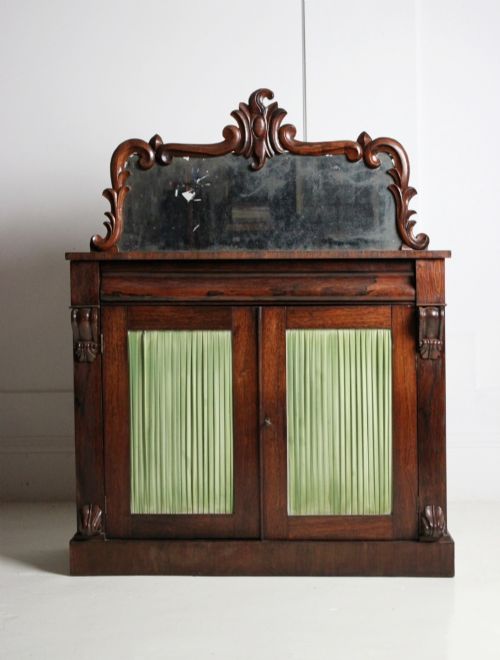
- A low standing cupboard or sideboard, popular during the Regency period, often featuring a raised shelf back and fabric-panelled doors.
- Bowfront
- A curved convex front profile found on various sideboards and cabinets of the Georgian era.
- Goncalo Alves
- A dense exotic hardwood used in high-status Regency furniture for its striking contrasting grain patterns.
- Plum Pudding Mahogany
- A prized variety of mahogany displaying circular markings that resemble the fruit in a traditional pudding.
- Tansu
- A traditional Japanese mobile storage chest utilising regional timbers like keyaki for domestic utility.
Period Sideboard Cabinet: Frequently Asked Questions
Where should a sideboard cabinet go?
These pieces fit naturally into dining rooms for storing tableware, linens and bottles. They also anchor entrance halls or reception rooms.
Their linear forms allow them to sit flat against long walls without dominating the floor space.
How do I identify a Regency cabinet?
Regency cabinets often display classical proportions, dark exotic timbers like rosewood, and decorative brass mounts or grilles. Look for clean architectural lines derived from Greek and Roman precedents.
Many incorporate low mirror backs or silk-backed door panels characteristic of the early nineteenth century.
What is the difference between a sideboard and a chiffonier?
A sideboard traditionally functions as a large dining room server with multiple drawers and cupboards below. A chiffonier is generally a smaller, lower piece designed for living spaces and drawing rooms.
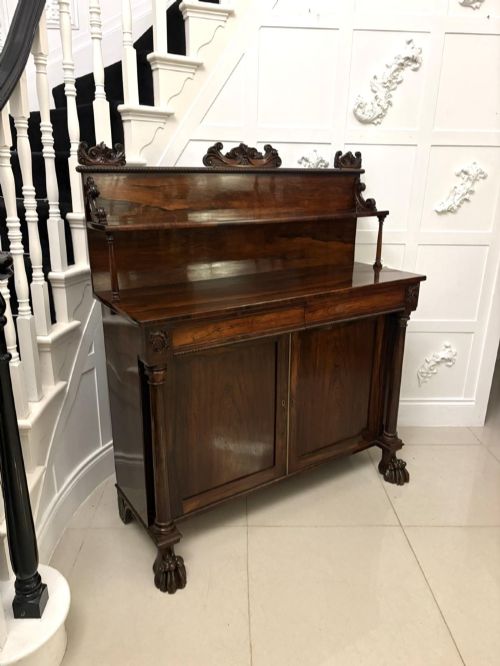
Chiffoniers frequently include a tiered shelf superstructure supported by small columns at the top.
Can I use an antique cabinet for modern storage?
These cabinets offer deep internal shelving and drawers suited for books, glassware and contemporary media equipment. Their robust timber construction handles everyday items with ease.
Measuring internal depths helps ensure modern objects fit comfortably behind the historic doors.