

Period Seating Furniture
Period seating furniture brings centuries of solid craftsmanship into daily use, offering everything from heavy oak joint stools to mahogany dining chairs.
Period Seating Furniture
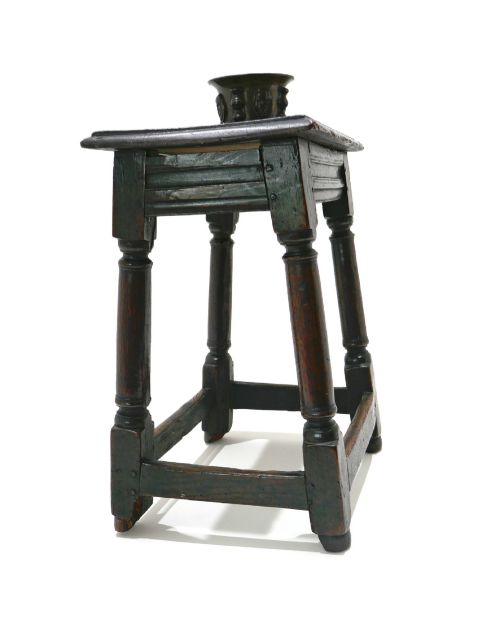
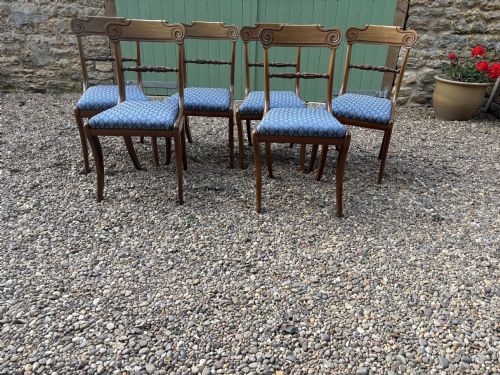
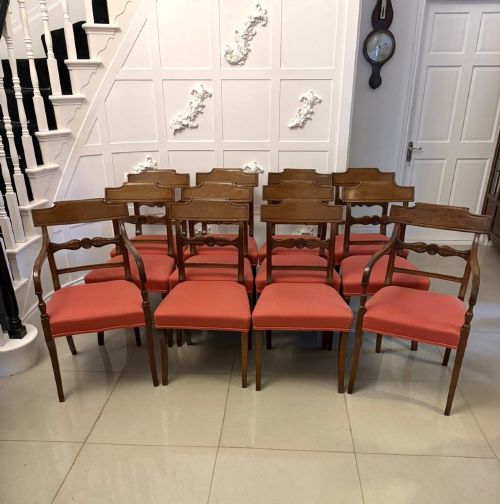
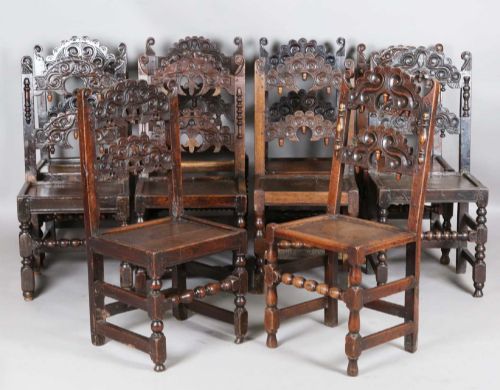
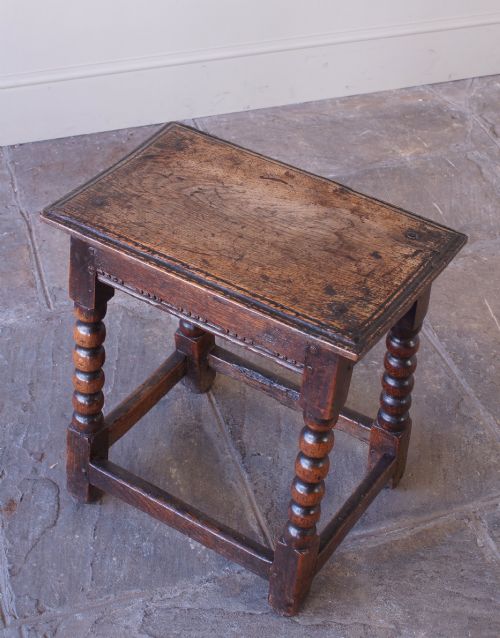
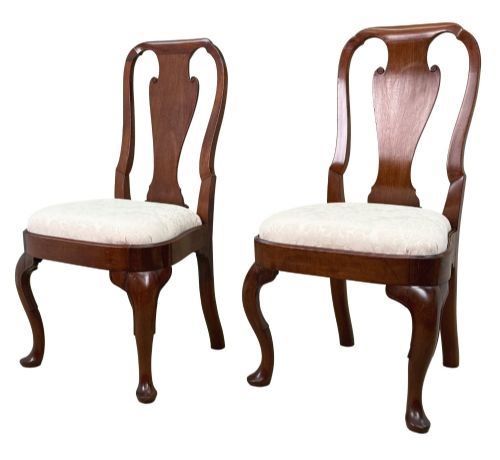
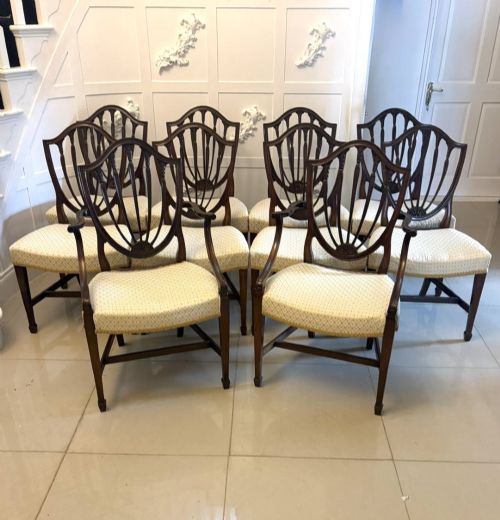
Period seating furniture encompasses a wide range of historical forms designed for sitting, resting, and gathering, spanning from the seventeenth century through to the Edwardian era. You will find sturdy oak wainscot armchairs and joint stools from the 1600s, alongside elegant mahogany and rosewood dining chairs produced during the Georgian and Regency periods.
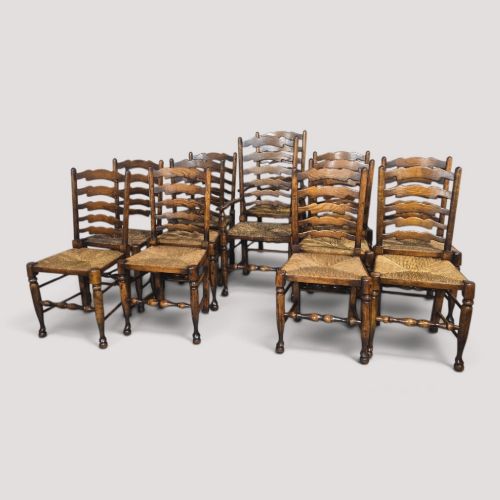
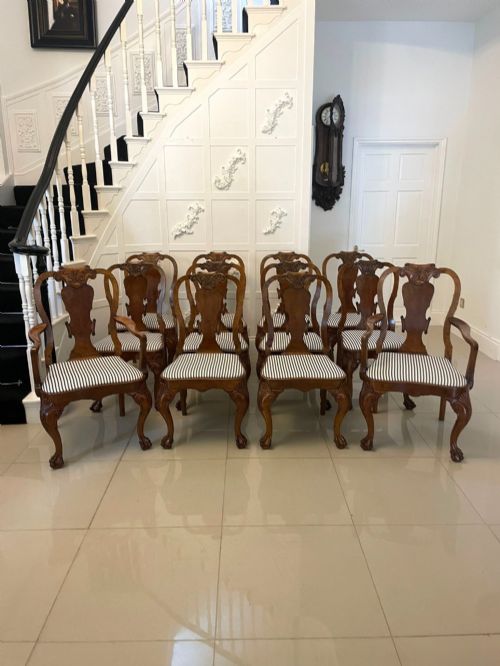
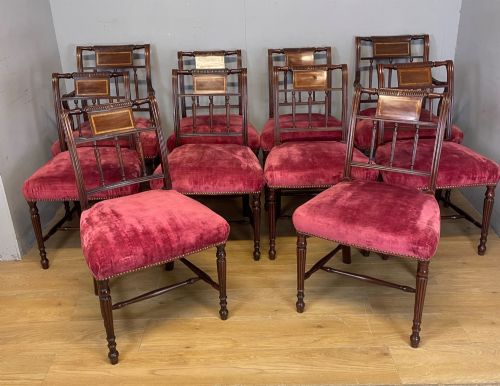
The selection frequently includes large sets of dining chairs made from mahogany, walnut, or oak, intended for formal dining rooms. Alongside these sit occasional chairs, window seats, and heavy cast-iron or wooden garden benches suited for outdoor placement.
Origins vary across English, Scottish, Irish, and continental European workshops, reflecting distinct regional preferences in timber and turning. Early pieces typically rely on native hardwoods like oak and elm, while later nineteenth-century examples showcase exotic veneers and upholstered finishes.
Materials and Construction
Makers relied primarily on native and imported timbers, utilising oak for seventeenth-century joint stools and wainscot chairs, and shifting towards dense mahogany, walnut, and rosewood for eighteenth and nineteenth-century dining chairs. Elm and fruitwood also appear in regional vernacular seating, providing toughness for pieces like Windsor and lambing chairs.
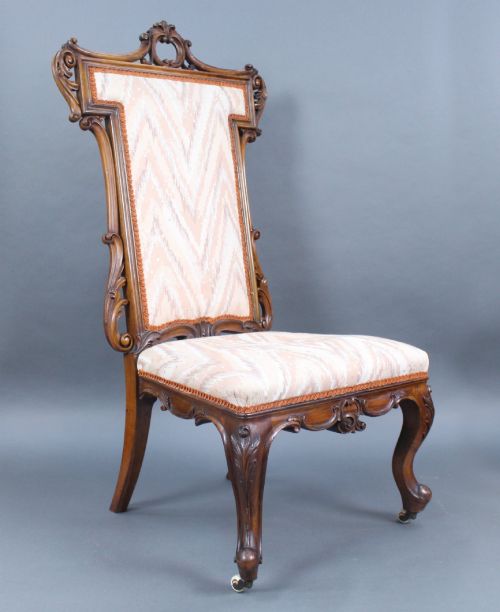
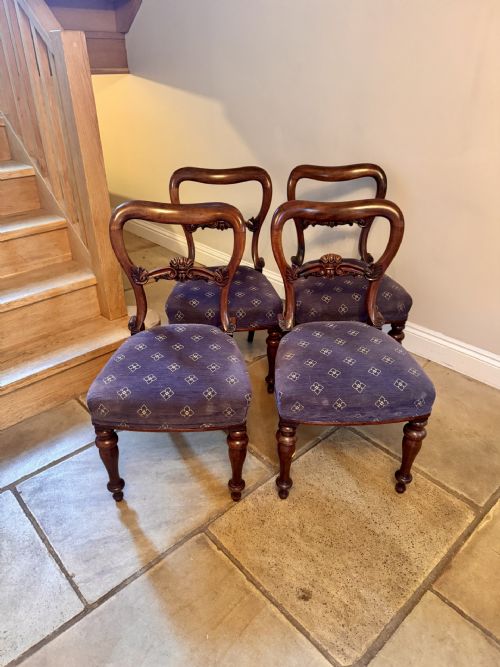
Joinery methods define the structural integrity of these items, employing pegged mortise and tenon joints in early oak furniture to handle heavy daily wear. Later nineteenth-century seating often incorporates turned elements, curved balloon backs, and detailed hand-carved ornamentation.
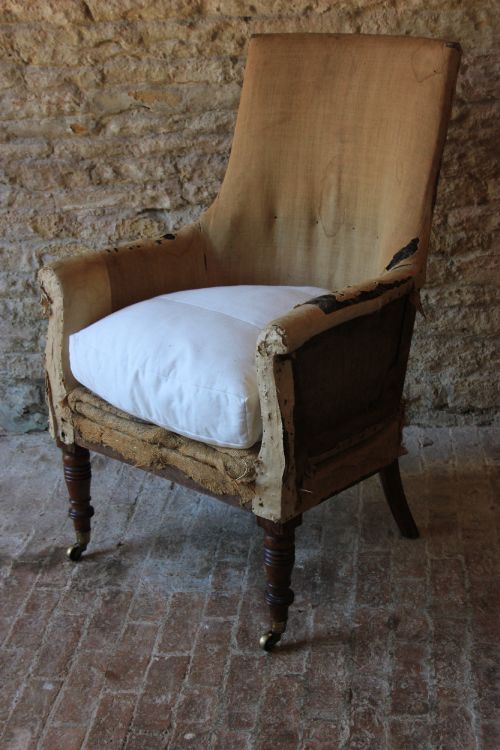
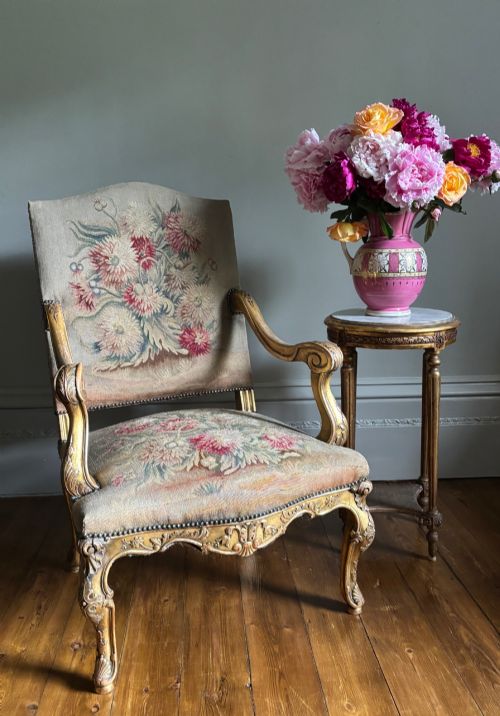
Upholstery and metalwork complete the construction of many pieces, utilising textiles, leather, velvet, and cane supported by webbing or horsehair stuffing. Garden and outdoor variants instead employ robust cast iron and wrought iron strapwork for weather resistance.
Early child's lambing chairs offered a cosy, enclosed wooden hood to keep small family members out of floor drafts.
Distinctions in Quality
The standard of a piece rests heavily on the crispness of its carving and the integrity of its timber selection. Furniture fashioned from dense, well-figured mahogany or quarter-sawn oak displays a visual depth that lesser, plain-grained substitutes lack.
Completeness and originality dictate the standing of larger suites, particularly sets of dining chairs where matching timbers and uniform turning across all items are essential. Alterations, replaced elements, or mismatched members within a set diminish the overall coherence of the design.
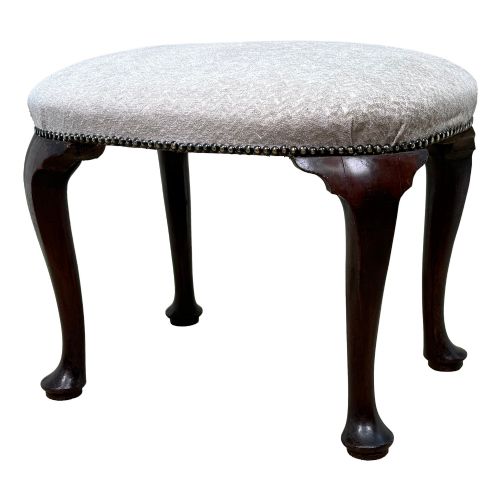
Structural refinement separates standard utilitarian seating from superior workshop output, evident in the balanced proportions of a Regency library chair or the careful joinery of an early walnut stool. Finer items retain their original surface patination and tight joints without excessive modern intervention.
Maple and Co·Strahan
The Period Seating Furniture Glossary
- Joint stool
- A low wooden stool constructed with mortise and tenon joints, commonly used for sitting or reaching during the seventeenth century.
- Wainscot chair
- A heavy wooden armchair from the sixteenth or seventeenth century, featuring a panelled back and solid timber seat.
- Carver
- An armchair designed to match a set of smaller side chairs, traditionally placed at the heads of a dining table.
- Strapwork
- Ornamental scrollwork resembling flat leather bands, frequently found on the iron frames of nineteenth-century garden benches.
- Balloon back
- An oval or rounded chair back shape popular during the Victorian period, curving outward to support the spine.
Period Seating Furniture: Frequently Asked Questions
How do I date an old wooden chair?
Dating relies on examining the timber species, joinery techniques, and tool marks left by the maker. Seventeenth-century pieces typically feature hand-cleaved oak with pegged joints, whereas later periods introduce machine-sawn components and different woods like mahogany.
Style provides further clues through carved motifs, leg shapes, and upholstery methods. Comparing these details against documented examples from specific decades helps narrow down the origin.
Can I use antique dining chairs every day?
Most solid hardwood dining chairs from the Georgian and Victorian eras were built for robust daily use and remain structurally dependable today. Checking the tightness of the joints ensures they can handle regular sitting without risking damage.
Delicate frames, such as highly carved occasional chairs or pieces with fragile cane seats, require more mindful placement. Routine maintenance of the wooden surface and joints keeps them functional in a modern home.
How should I care for antique wood and upholstery?
Preserving wooden surfaces involves keeping furniture away from direct heat sources and sudden humidity changes that cause timber to split. Applying natural beeswax periodically nourishes the grain without building up heavy synthetic residues.
Upholstered sections benefit from gentle vacuuming using a low suction attachment to remove dust. Professional cleaning is advisable for antique textiles and leather to prevent damage to historic stuffing materials.