



Period Reading Desk
A period reading desk or matching library chair provides a sturdy focal point for study, drawing upon centuries of mahogany and rosewood craftsmanship.
Period Reading Desk
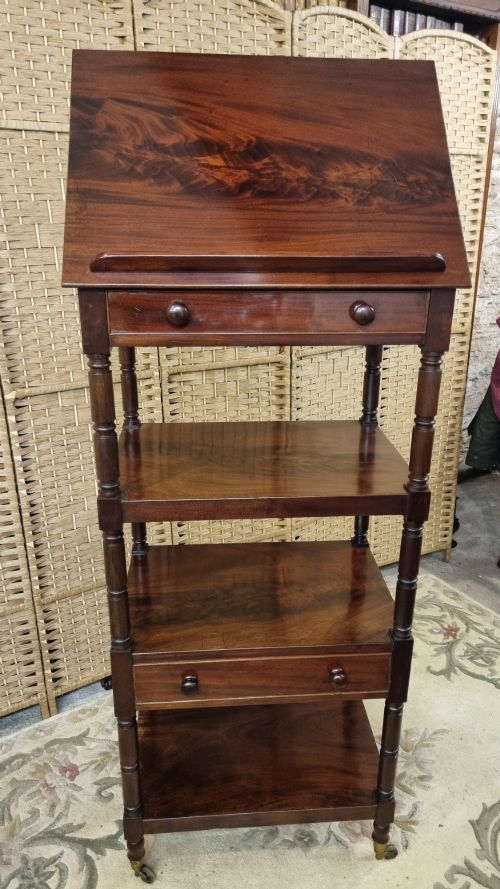
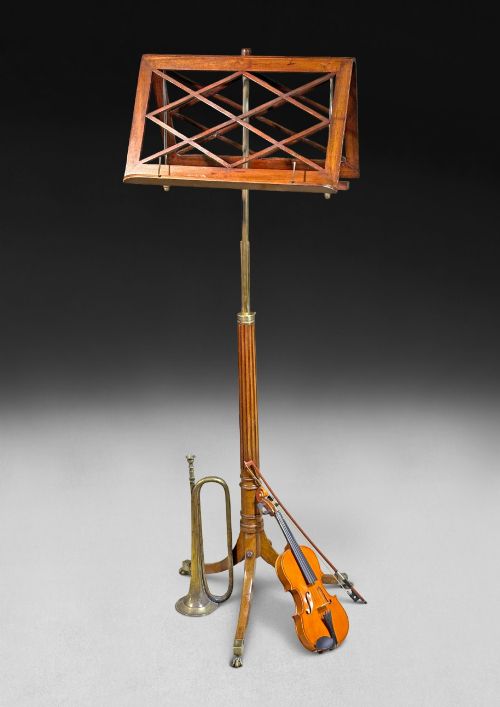
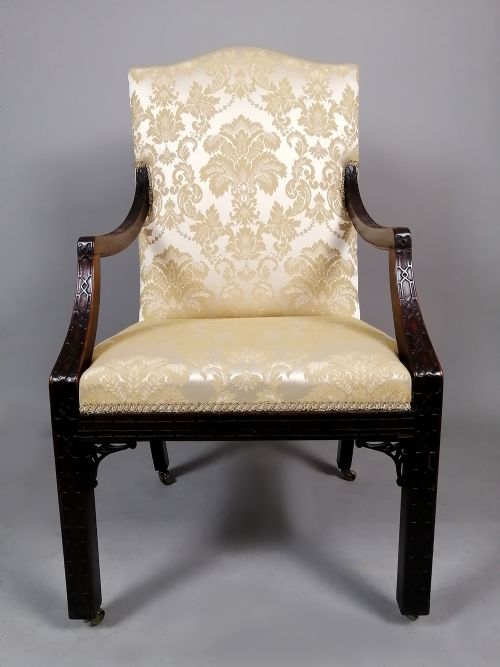
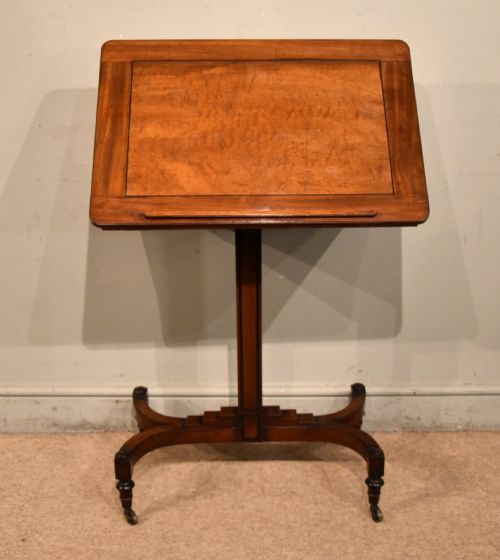
A period reading desk search reveals a rich selection of library seating, music stands, and writing tables spanning the eighteenth and nineteenth centuries. You will most frequently encounter mahogany armchairs, tub chairs, and adjustable stands suited for study or drawing rooms.
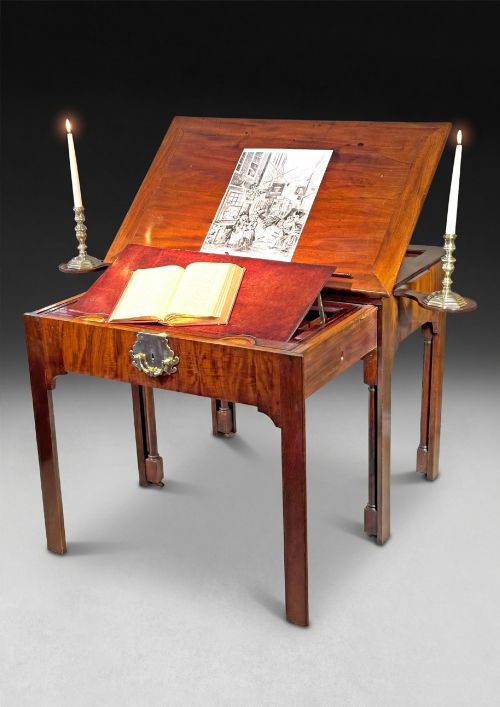
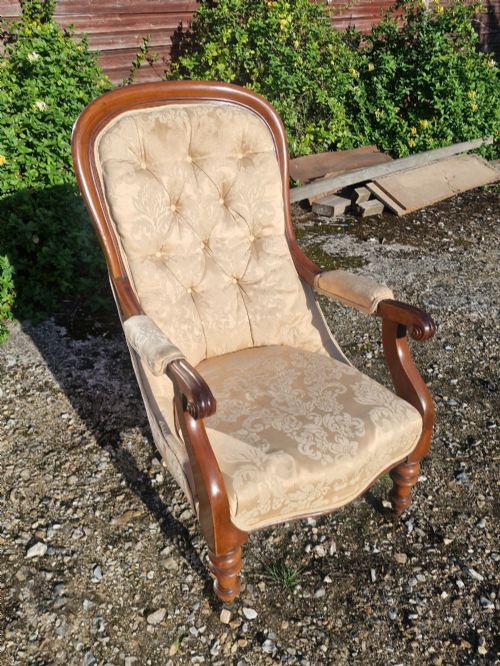
The objects originate from distinct eras including the Georgian, Regency, and Victorian periods, often taking the form of bergere chairs, Gainsborough chairs, or metamorphic architect desks. These diverse seating and surface options reflect the scholarly domestic interiors of their original owners.
Makers and designers from these earlier centuries combined utility with elegance, producing freestanding desks alongside specialised reading furniture. Each piece demonstrates how workspace furniture evolved to accommodate books, folios, and manuscripts.
Materials and construction methods
Cabinet makers utilised dense hardwoods such as mahogany, rosewood, walnut, and oak to build durable frames capable of supporting heavy folios and daily use. These timbers were often selected for their rich grain patterns and deep natural colour.
Fine brass mounts, adjustable ratchets, and leather or damask inserts were incorporated into desks and reading stands to add both function and decorative contrast. Structural stability was achieved through traditional joinery and carved wooden supports.
Period Reading Desk Retail Price Guide 2026
Typical asking prices for period reading desk among the pieces listed under this phrase on Sellingantiques today, from the lower quarter to the upper quarter. They describe what is for sale here now, not the wider market.
Spider web back chairs bring an unexpected arachnid motif to Victorian studies.
Distinguishing levels of craftsmanship
Quality in these pieces is dictated by the depth of the carving, the proportion of the frame, and the selection of figured timber. Better examples exhibit crisp detailing in elements like spider web backs or scroll arms.
Original mechanisms on reading stands and desks, alongside well-preserved brass and leather details, elevate a piece above standard domestic iterations. The integrity of the timber and the skill of the original joinery define the upper tier of the range.
The Period Reading Desk Glossary
- Bergere
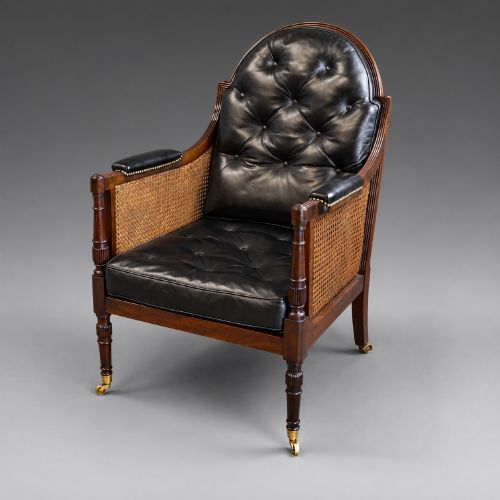
- An enclosed upholstered armchair with cane or fabric sides, popular in the eighteenth and nineteenth centuries for domestic libraries.
- Gainsborough
- A wide upholstered armchair with open wooden arms, designed in the mid-eighteenth century for writing tables and desks.
- Metamorphic
- Describing furniture designed with hidden mechanisms to transform from one form, such as a desk, into another.
- Satinwood
- A pale, highly reflective timber used for contrasting inlay and decorative banding on Georgian furniture.
- Duet music stand
- A specialised adjustable stand designed to hold scores or folios for two musicians or readers simultaneously.
Period Reading Desk: Frequently Asked Questions
What is a bergere library chair?
A bergere library chair is an enclosed upholstered seat featuring cane or fabric panels along the sides. These chairs were designed for comfortable reading in private studies.
They often appear in mahogany or rosewood frames dating from the Regency and nineteenth-century periods, offering generous proportions for daily use.
How do I identify a George III desk?
George III desks and writing tables are characterised by refined mahogany construction, often accented with satinwood inlay or brass hardware. Their proportions reflect eighteenth-century classical design.
Looking closely at the timber grain and the precision of the drawer joinery helps confirm the period of manufacture.
What makes an architect desk different?
Architect desks, or riser desks, incorporate adjustable tops and mechanical elements designed for drafting and consulting large plans. They often include metamorphic properties.
These taller pieces were built to accommodate standing or seated work in nineteenth-century offices and libraries.
Where should I place a reading stand?
Reading stands function well beside armchairs or as freestanding display pieces in a study or sitting room. Their adjustable heights suit varied reading positions.
Ensure the stand sits away from direct heat sources to protect the polished mahogany or rosewood surfaces.