
Period Portrait of Lady
A period portrait of lady captures centuries of individual likeness and costume in paint, pastel, or print.
Period Portrait of Lady
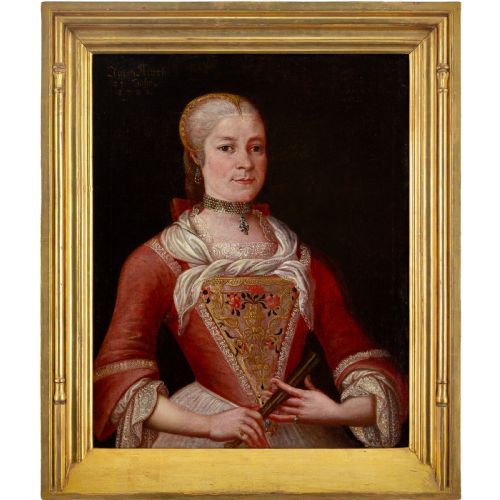
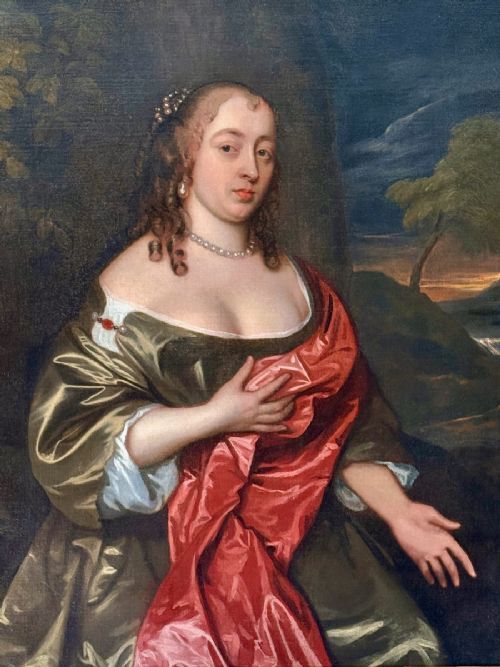
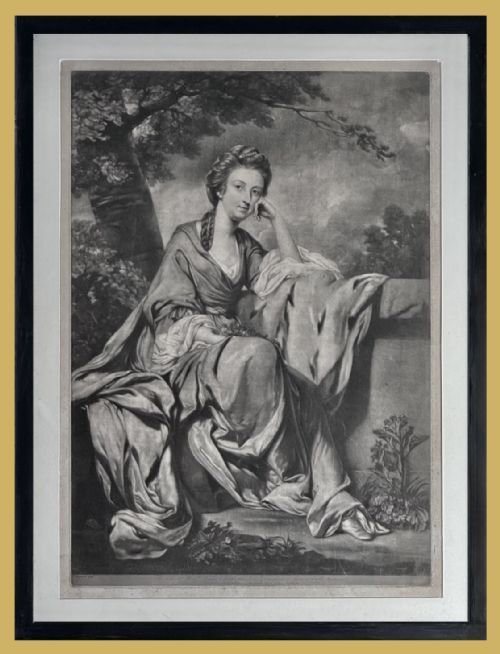
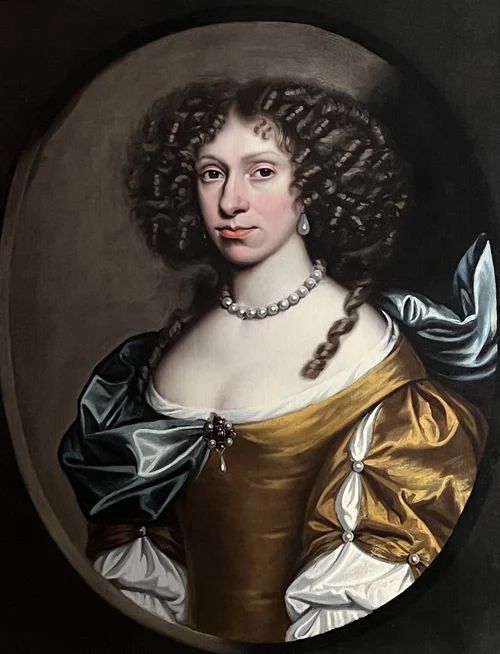
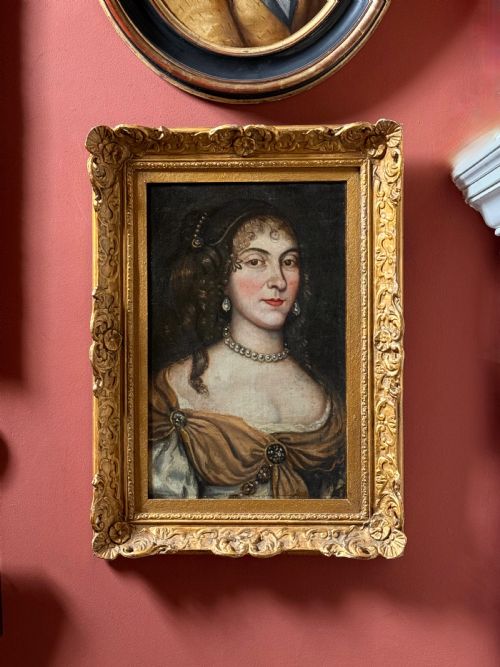
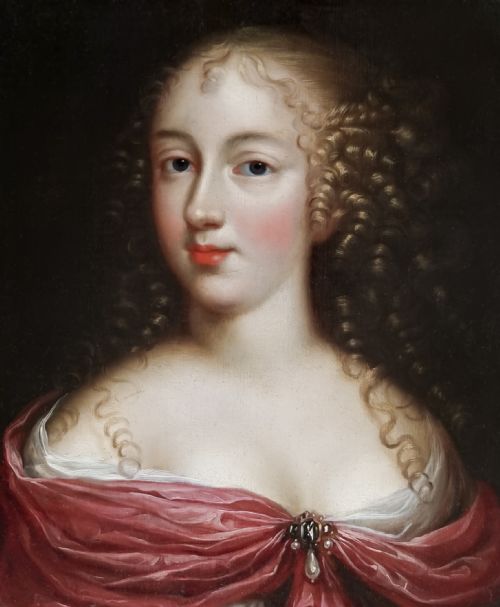
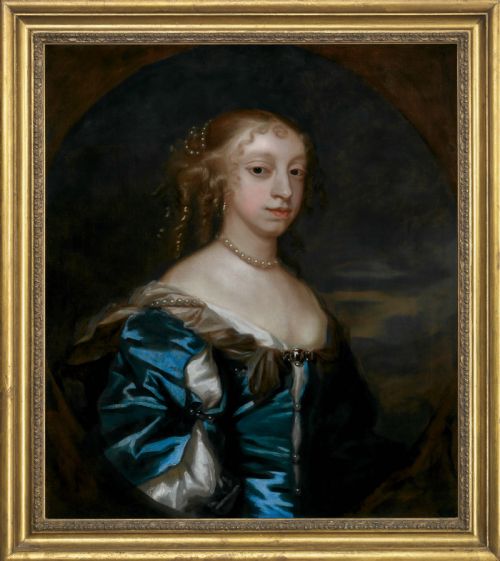
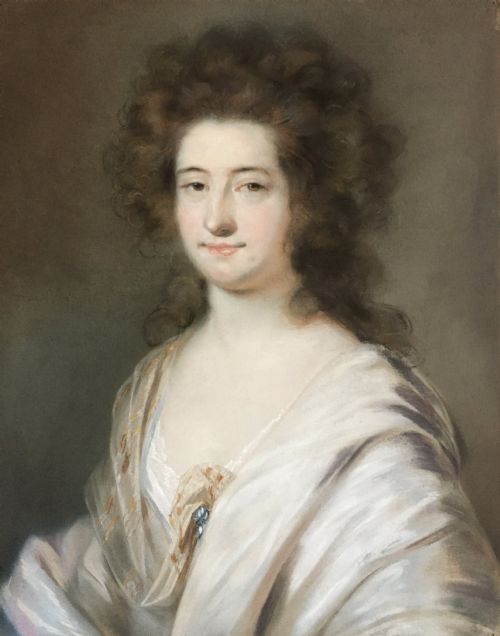
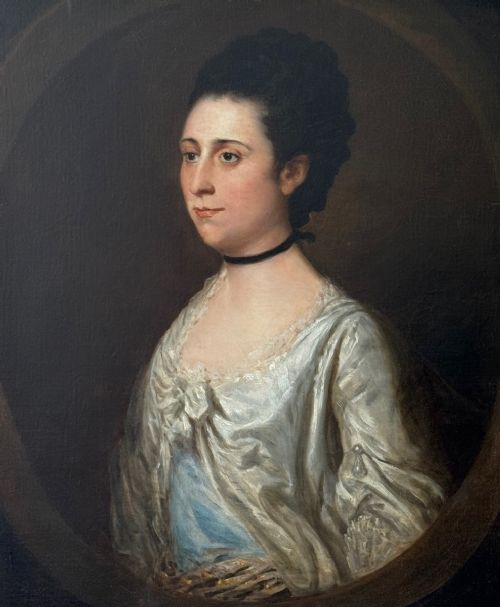
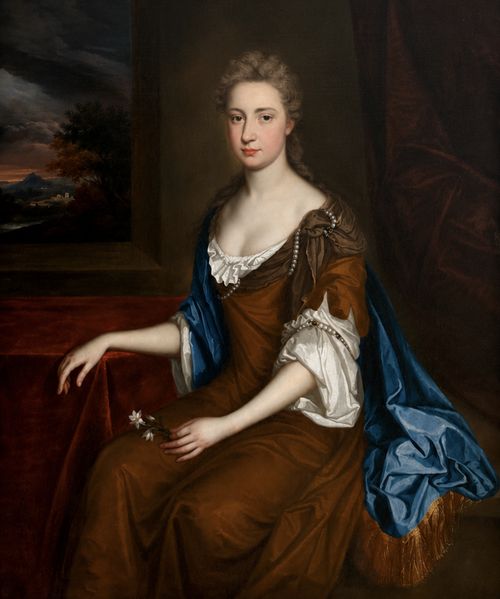
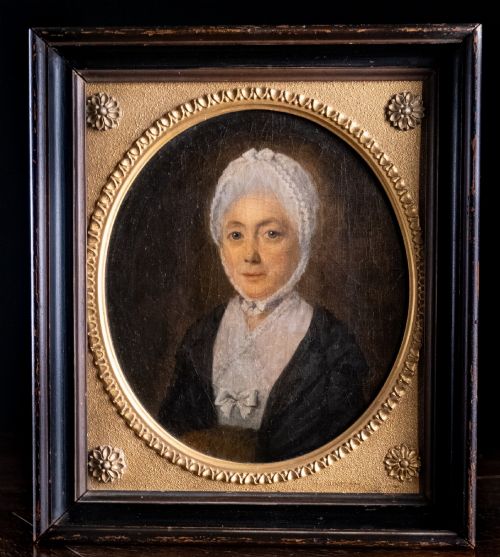
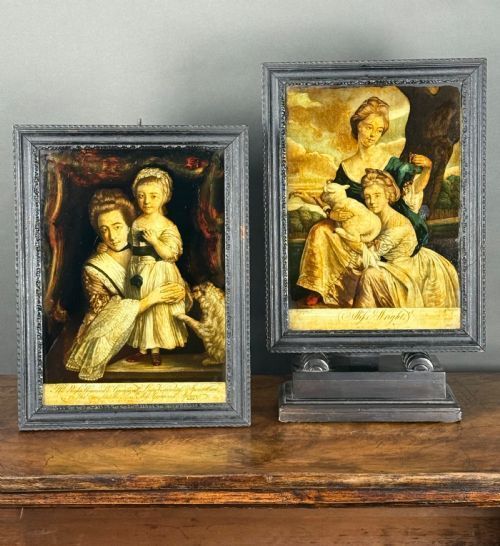
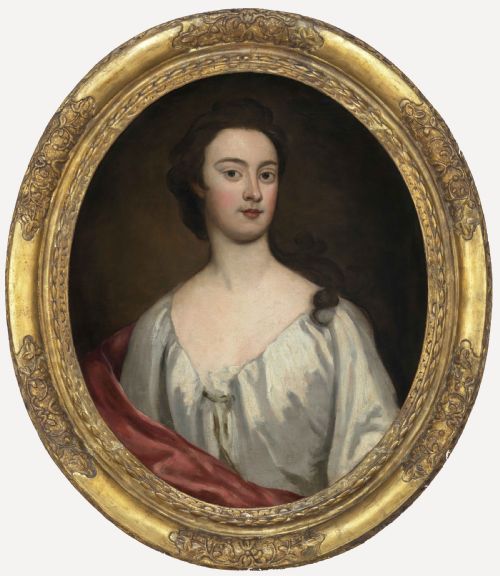
A period portrait of lady encompasses depictions of female subjects executed across the seventeenth, eighteenth, and nineteenth centuries. These works range from grand aristocratic oils on canvas to intimate miniature watercolours and reverse glass prints.
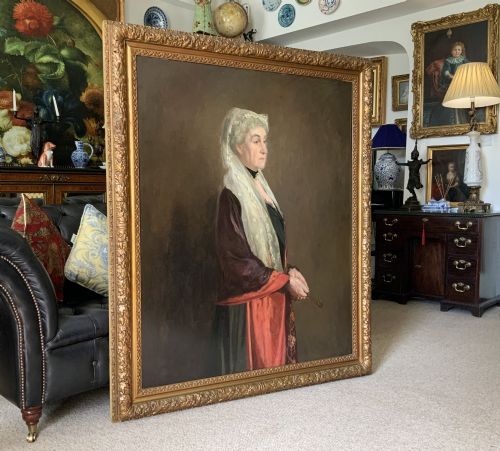
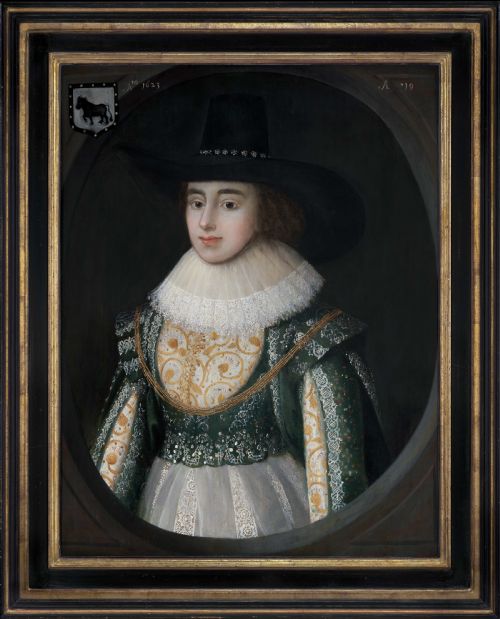
Most examples encountered on this page derive from the British, Dutch, and Bavarian schools, reflecting the prevailing portraiture trends of the Georgian, Victorian, and Edwardian eras. Painters recorded subjects in contemporary attire, from Jacobean lace ruffs to Edwardian summer hats.
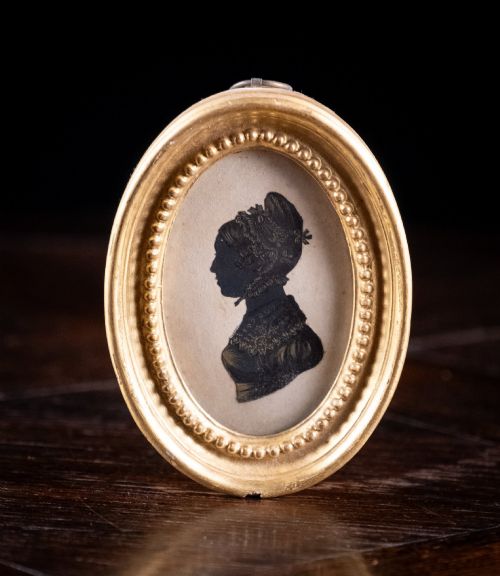
Formats vary significantly, incorporating large framed canvases intended for country house walls as well as delicate pastel drawings and silhouette profiles. The sitter is frequently identified by name or family lineage, anchoring the artwork in a specific historical context.
What Varies in Quality
The survival of original giltwood or gold leaf frames significantly influences the integrity of a piece. Frames exhibiting period joinery and matching historical finishes enhance the overall context of the artwork.
Attribution to documented painters or recognised schools elevates the standing of a canvas. Works supported by identified sitters and traceable provenance carry greater historical weight than anonymous provincial productions.
Listings feature oil on canvas, oil on panel, watercolours, gouache, pastels, and reverse glass paintings spanning the seventeenth to the twentieth century.
John Hayls·David Scougall·Pierre Mignard·Thomas Beach·Jeremiah Davison·Cornelius Johnson·Henry Pickering·James Maubert·John Greenhill·Joseph Highmore·Nicolaes Maes·Takabatake Kasho·Sir Joshua Reynolds·John Russell·Allan Ramsay·Sir Anthony Van Dyck·Robert Walker·Vincent Galloway
The Period Portrait of Lady Glossary
- Mezzotint
- A printmaking process where the copper plate is roughened to produce dark backgrounds, allowing lighter areas to be scraped out for tonal gradation.
- Giltwood
- Wood carved and coated with gold leaf or gesso to create an ornate frame finish.
- Provenance
- The documented history of ownership of an artwork, tracing its descent from creation to the present.
- Portrait miniature
- A small-scale painting executed with meticulous detail on vellum, ivory, or card.
- Reverse glass painting
- An artwork painted directly onto the back of a glass panel and viewed from the front.
Period Portrait of Lady: Frequently Asked Questions
How do I identify the period of a portrait?
Examine the sitter's costume, hairstyle, and framing materials against documented historical fashions of the seventeenth, eighteenth, or nineteenth centuries. Painters often recorded precise contemporary attire that dates the execution.
Canvas preparation, stretcher construction, and panel types also offer physical clues to the age of the work. Written inscriptions on the reverse frequently record the sitter's identity and date.
Were these portraits always painted from life?
Many formal commissions involved direct sitting sessions, though artists occasionally utilised preparatory sketches or standard drapery models for parts of the composition. Posthumous portraits relied on earlier miniatures or descriptions.
School copies and follower works were frequently produced after successful prototypes without the original sitter present. This practice allowed prominent workshops to supply multiple family members with likenesses.
How should I care for an antique oil portrait?
Keep paintings away from direct sunlight, high humidity, and rapid temperature fluctuations that can cause canvas tension issues or paint cracking. Display the work on stable interior walls with adequate air circulation.
Dust surfaces gently with a soft, dry brush without applying pressure to the pigment layer. Avoid chemical cleaners and consult a professional conservator for cleaning varnishes.
What does attribution to a school mean?
Attribution to a specific school indicates that the work originates from a particular region or artistic circle during a defined era, without confirming the exact hand of a master. These pieces reflect the dominant techniques of regional workshops.
Such designations help historians contextualize provincial art production alongside major metropolitan centres. They represent the collective skill level of period practitioners.