

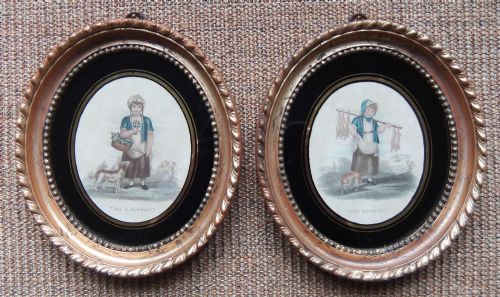
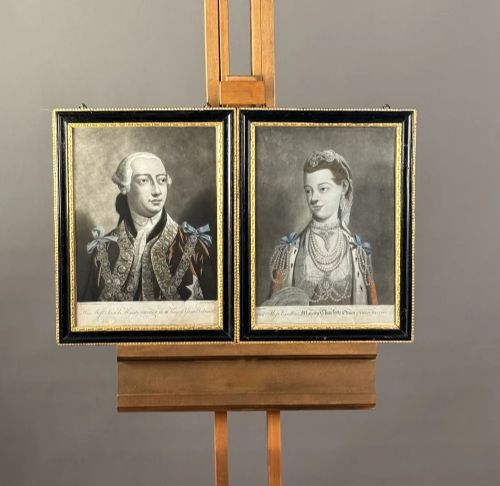
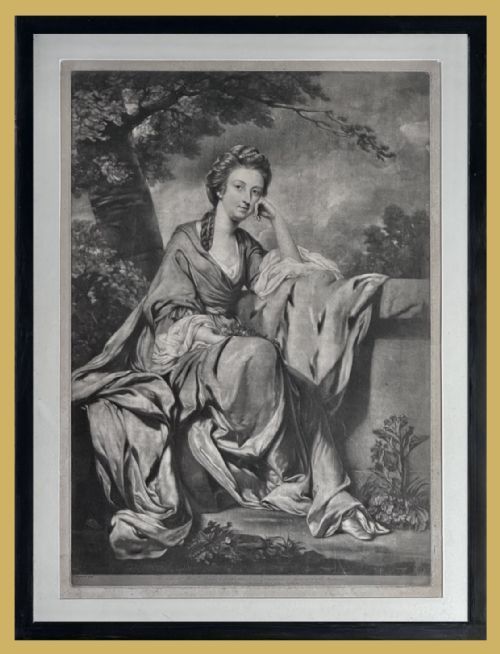

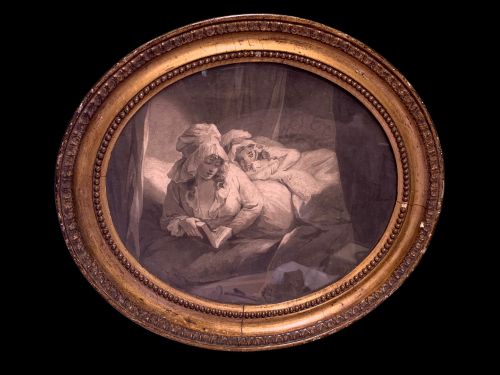
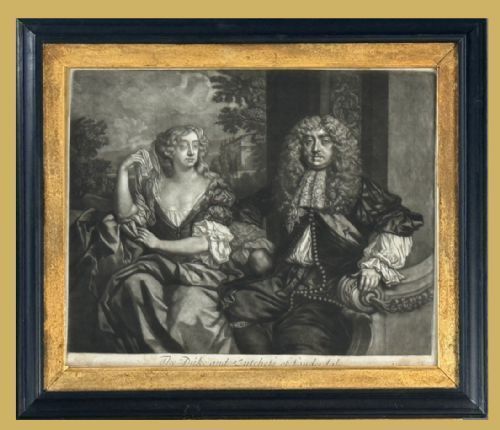


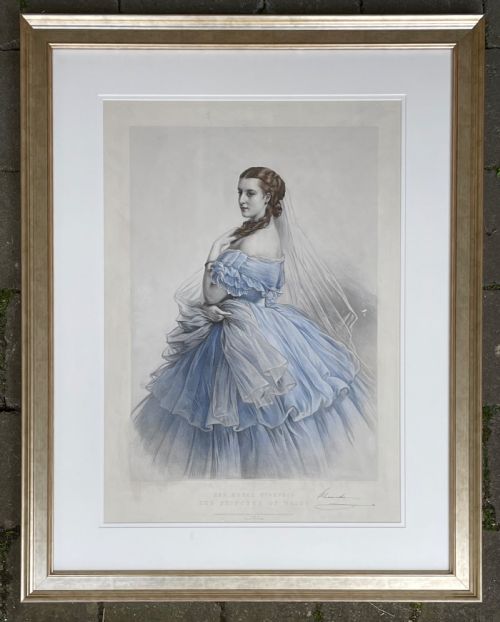
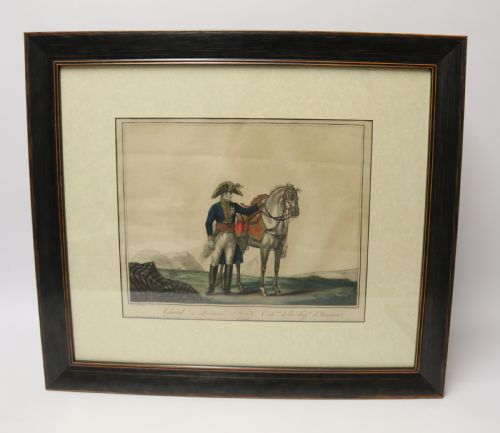

Period Portrait Engraving
These period portrait engraving examples capture royal figures and society sitters on paper, offering direct contact with past faces.
Period Portrait Engraving
When you search for period portrait engraving, you encounter printed likenesses produced across the seventeenth, eighteenth, and nineteenth centuries. These works record monarchs, nobility, and family groups through ink on paper, housed within timber frames.
The pieces on this page span Georgian, Regency, Victorian, and Baroque styles, showing subjects ranging from royalty to military officers and children. You are most likely to meet mezzotint prints and hand-coloured engravings framed in wood, giltwood, or ebonised surrounds.
How they were made
Maker plates utilise ink on paper, employing mezzotint, stipple, and lithography techniques to render tonal depth and fine line work. Artisans worked copper or steel plates to transfer images before applying hand-colouring to specific examples.
Framing employs wood, gilt wood, ebonised wood, and glass to protect the paper works. These materials combine to house the prints securely while providing period-appropriate presentation.
Period Portrait Engraving Retail Price Guide 2026
Typical asking prices for period portrait engraving among the pieces listed under this phrase on Sellingantiques today, from the lower quarter to the upper quarter. They describe what is for sale here now, not the wider market.
Current listings feature paper, ink, and glass housed within wood, giltwood, and ebonised wood frames across six distinct periods.
What varies in quality
Frame construction and material preservation also separate examples, where original ebonised or giltwood surrounds maintain their integrity alongside the paper sheet.
Thomas Frye·Richard Purcell·Edward Fisher·Sir Joshua Reynolds·John Smith·Thomas Murray·Robert Williams·Sir Peter Lely·George Romney·Queen Alexandra·Adam Buck
The Period Portrait Engraving Glossary
- Mezzotint
- A printmaking process where the copper plate is roughened to achieve rich dark tones and subtle gradations of light. This technique allows for remarkably soft and painterly portrait representations.
- Stipple engraving
- A method of creating prints using dots of varying density rather than continuous lines. It produces gentle, flesh-like textures suited to classical portraiture.
- Ebonised wood
- Timber treated to resemble ebony, frequently utilised for dark, contrasting framing. It provides a formal border that enhances the tonal contrast of black and white prints.
- Hand-coloured
- A print finished with applied watercolours by hand after the initial impression. This technique adds specific hues to garments or backgrounds.
Period Portrait Engraving: Frequently Asked Questions
How should I hang a period portrait engraving?
Hang these framed paper works away from direct sunlight to protect the ink and any hand-coloured pigments from fading over time. Ensure the wall environment maintains stable humidity levels to preserve both the paper sheet and the wooden frame.
Secure the frame using appropriate wall fixings that match the weight of the timber and glass assembly. Position the portrait at eye level to best appreciate the fine detail of the engraved lines.
What periods do these engravings cover?
The pieces span from the seventeenth century through the Georgian and Regency eras into the Victorian period. Each era brings distinct framing choices and print techniques, from seventeenth-century mezzotints to nineteenth-century lithographs.
Stylistic shifts reflect changing artistic tastes, moving from Baroque formality to the softer portrayals of the Regency and Napoleonic periods.
Are the frames original to the prints?
Many examples retain period frames made from giltwood, ebonised wood, or standard timber that complement the age of the print. These surrounds often feature traditional joinery and finishes appropriate to the century of production.
Examining the rebate and the backboards can provide further context regarding how long the print has resided within its current housing.
How do I care for framed paper art?
Keep the glass clean using a dry or barely damp cloth, taking care not to let moisture seep beneath the edge into the paper. Avoid using harsh chemical sprays near the antique wood and gilt surfaces.
Regularly check the hanging cord and back sealing tape to ensure the print remains protected from dust and atmospheric particles.