



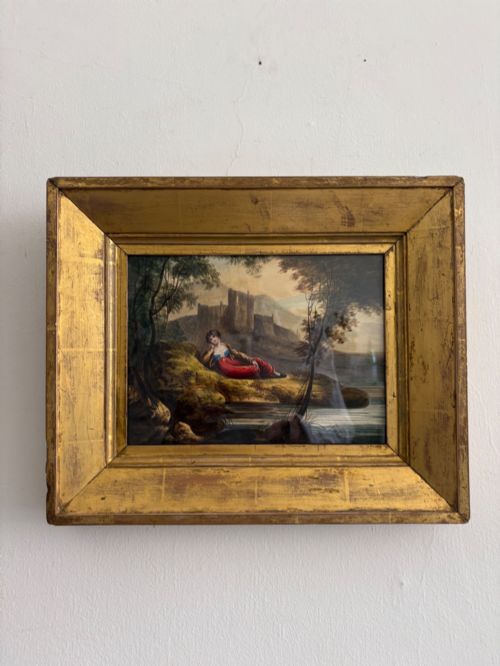
Period Portrait Artwork Gilt
Period portrait artwork gilt brings together centuries of painted likenesses set within shining metallic frames.
Period Portrait Artwork Gilt
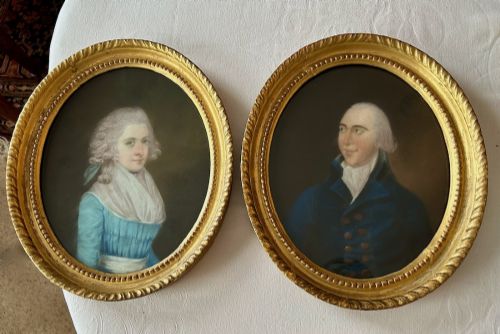
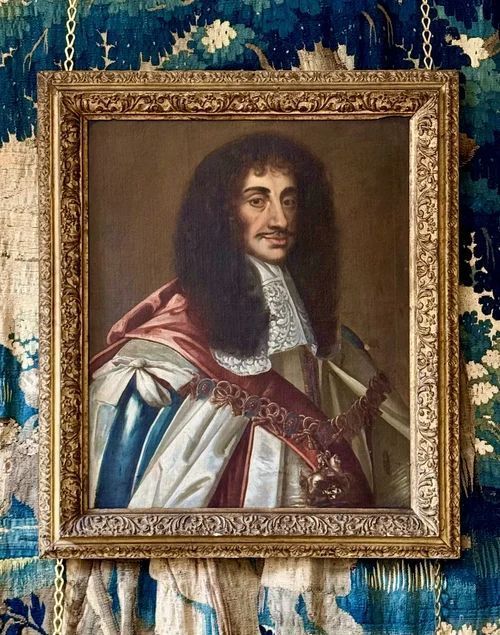
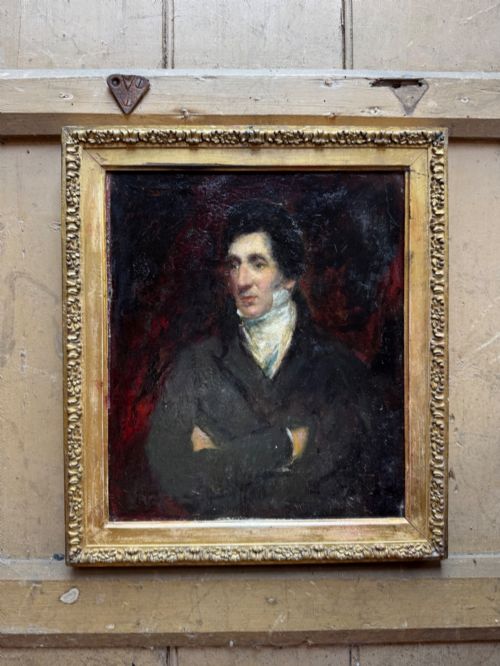
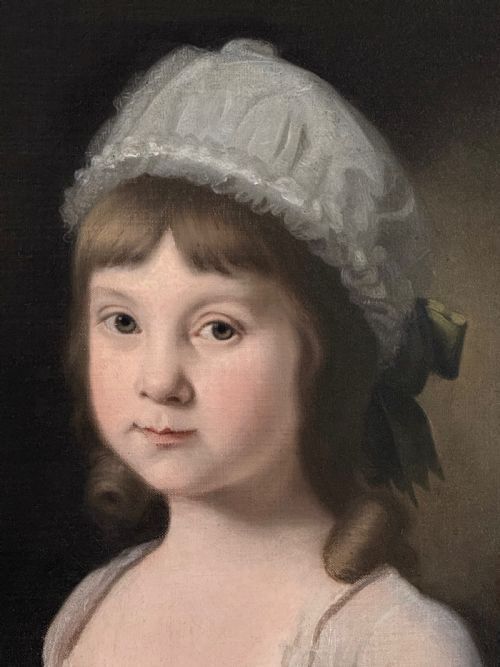
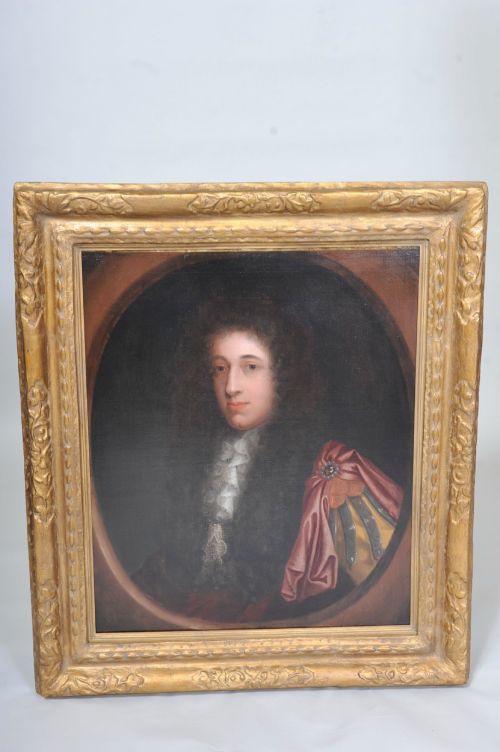
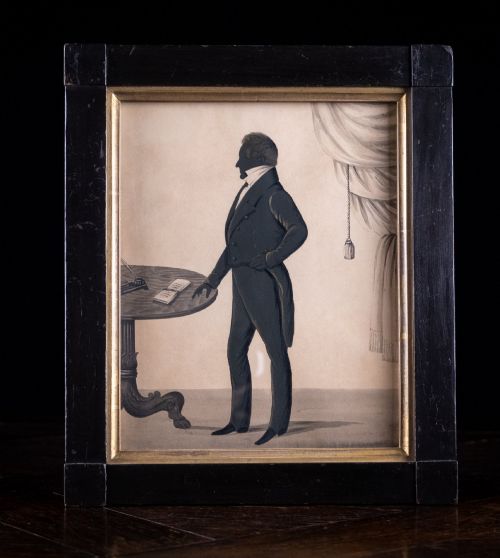
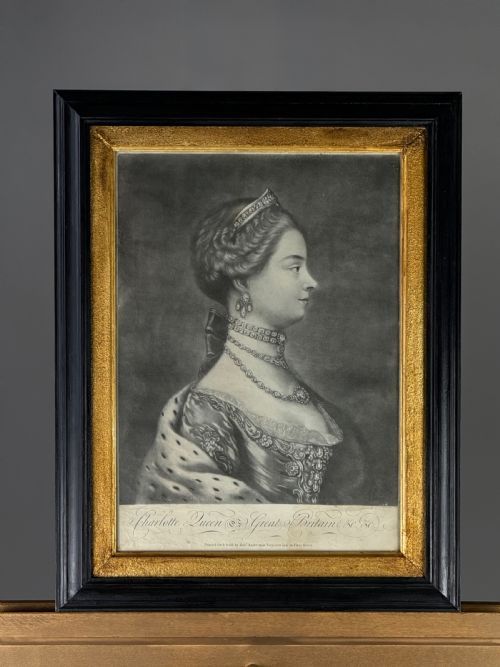
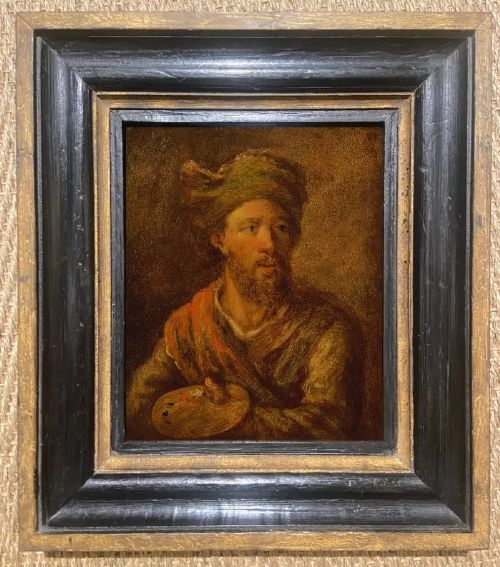
When exploring period portrait artwork gilt, collectors examine historic depictions of individuals rendered in oil paint, watercolour, pastel, and print. These works span from the seventeenth century through the Victorian era, capturing sitters ranging from nobility to children and country gentlemen.
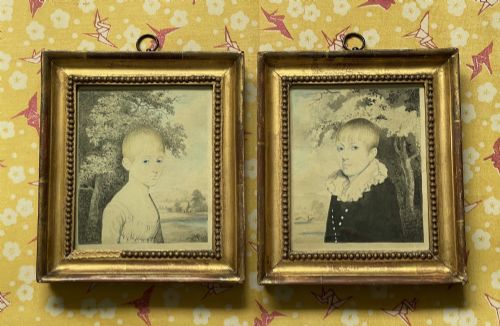
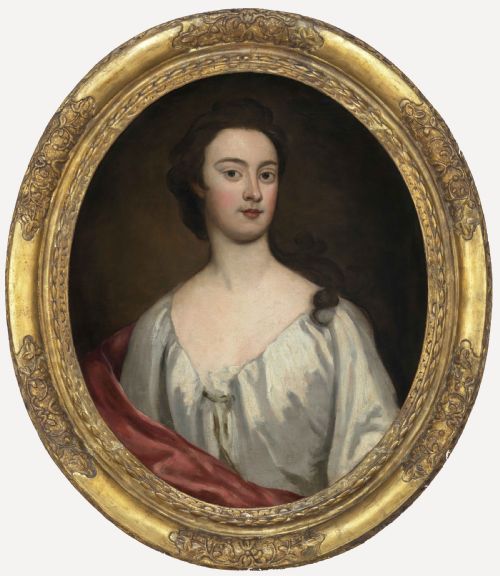
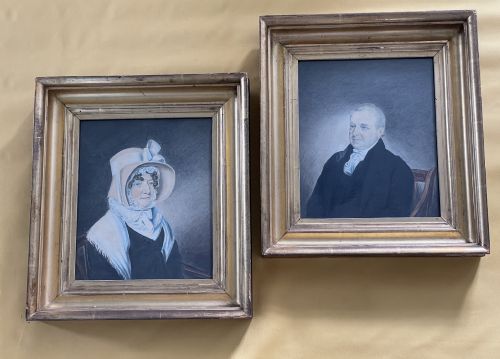
The most common representations on this page are oil on canvas paintings and watercolours housed within decorative wooden and giltwood surrounds. These pieces reflect the aesthetic standards of Georgian, Regency, and Victorian interiors, offering a window into past portraiture traditions.
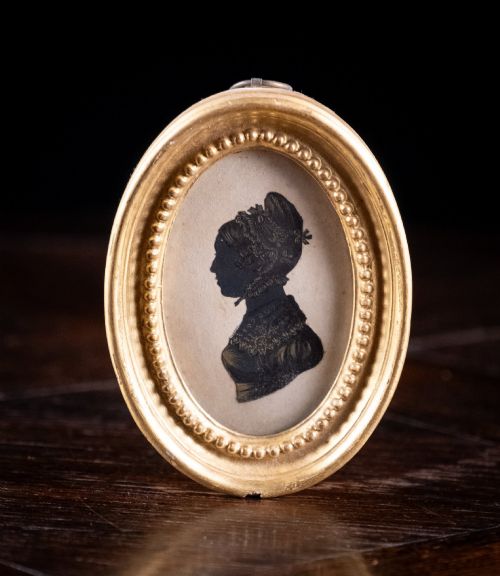
The assortment includes works attributed to specific artists as well as pieces created by regional English and European schools. Buyers encounter both large oval formats and intimate portrait miniatures designed for domestic display.
Materials and Construction
Artists painted primarily upon stretched canvas or paper, applying oil pigments, watercolours, or gouache to capture the likeness and attire of the sitter. These painted surfaces were often paired with glass protection, particularly for works on paper and miniatures.
Surrounding the artwork, frames utilise carved wood finished with gold leaf or giltwood to create a reflective border that complements the tones of the portrait. Craftspeople applied these metallic finishes by hand, shaping mouldings to match the prevailing style of the period.
An auctioneer and a gentleman with a wide blue sash peer out from the centuries alongside lords and ladies.
Assessing the Pieces
The distinction between standard examples and superior works lies in the precision of the brushwork and the psychological depth captured in the sitter's expression. Masterful handling of fabric textures, such as silk satin and lace, separates accomplished portraitists from lesser contemporaries.
The integration between the artwork and its period frame also determines overall quality, as original or contemporary matching surrounds preserve the historical integrity of the piece. Superior condition of the painted surface, free from excessive overpainting, maintains the visual harmony intended by the creator.
Sir Peter Lely·Joshua Reynolds·Anthony Van Dyck·Godfrey Kneller·George Romney
The Period Portrait Artwork Gilt Glossary
- Giltwood
- Wood that has been coated with gold leaf or a metallic gilt finish. This material is characteristic of period picture frames designed to reflect candlelight.
- Mezzotint
- A printmaking process of the intaglio family where the plate is roughened to achieve tonal gradations. This technique allowed printmakers to reproduce oil paintings with subtle shading.
- Old Master
- A term used to describe European artists of high skill working before the nineteenth century. These painters established foundational traditions in portraiture.
- Pastel
- A dry medium composed of powdered pigment and a binder, used to create coloured drawings on paper. Pastels offer a soft texture well suited for eighteenth-century portraiture.
Period Portrait Artwork Gilt: Frequently Asked Questions
How do I date a gilt portrait frame?
Frame dating relies on the moulding profile, corner construction methods, and the type of gesso applied beneath the gold leaf. Earlier frames often feature hand-carved wooden ornament, while later nineteenth-century examples utilise moulded composition decoration.
Examining the reverse of the frame reveals joinery details and wood types that help confirm the period of manufacture. Original pairings between artwork and frame remain a key consideration for collectors.
What is an English School portrait?
An English School attribution denotes a painting produced in England by an artist working within the national tradition whose specific identity is not recorded. These works reflect the stylistic conventions and portraiture trends of their respective centuries.
Such pieces often demonstrate the technical standards of regional studios and contemporary portrait painters. They provide valuable insight into historical dress and social representation.
How were portrait miniatures displayed?
Portrait miniatures were often housed in small protective cases, pocket frames, or worn as lockets close to the body. Their compact scale allowed owners to carry likenesses of family members during travel.
Over time, many of these small works found placement on interior walls within dedicated groupings or small frames. Their intimate nature required close viewing rather than distant display.
What is the difference between oil and pastel portraits?
Oil portraits utilise pigment suspended in drying oil applied to canvas or wood panels, offering durability and rich colour depth. Pastels consist of compressed pigment sticks applied to paper, creating a distinct velvety texture.
Pastel works require glass protection to prevent the pigment from smudging, whereas oil paintings tolerate open air exposure. Both mediums captured detailed likenesses but demanded different techniques from the artist.