

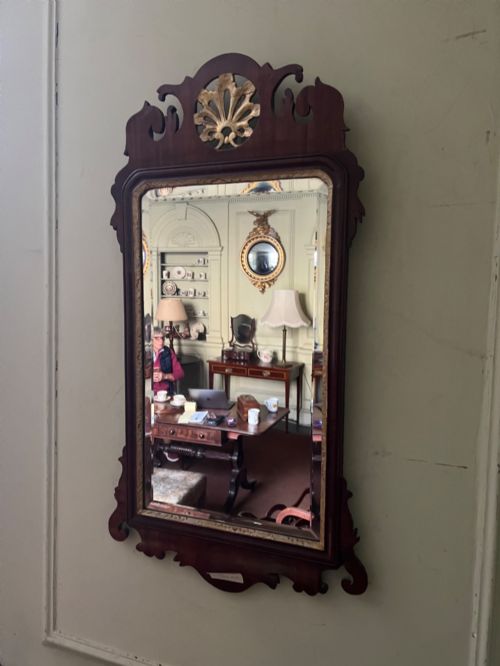
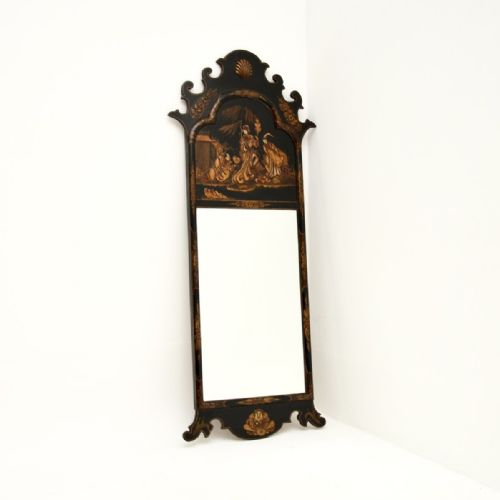
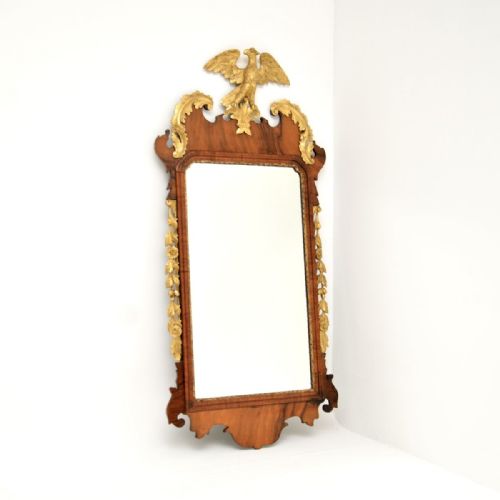
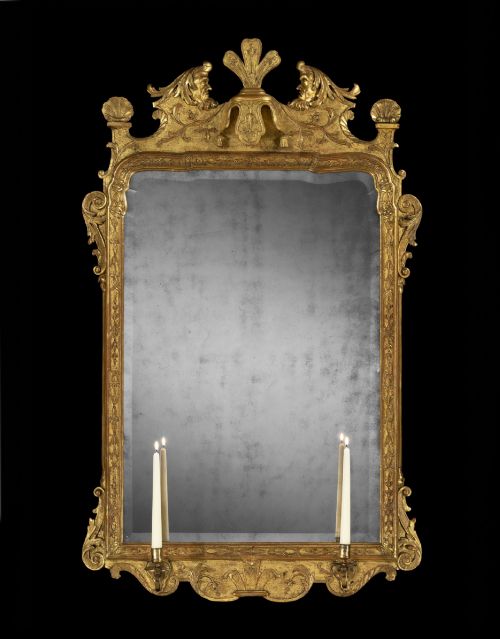
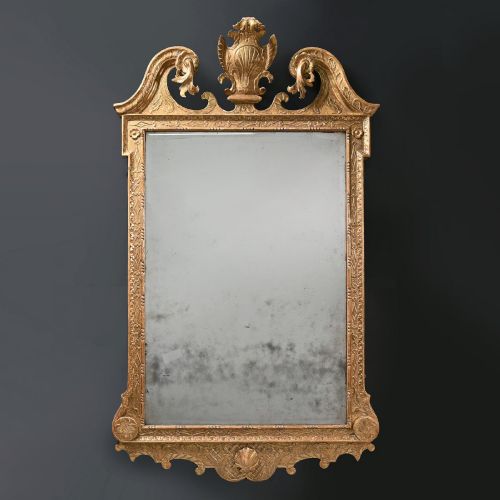

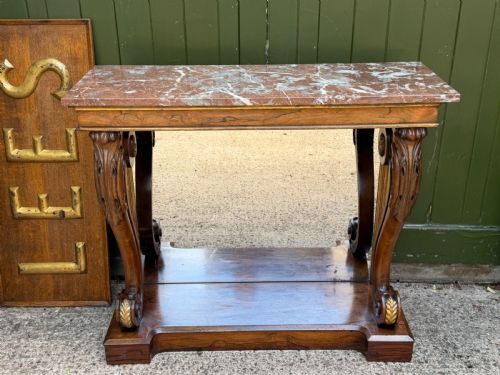


Period Pier Mirror
A period pier mirror commands a room, hanging low between tall windows to catch the daylight and reflect the interior.
Period Pier Mirror
A period pier mirror sits between windows on a pier wall, designed originally to fill the architectural gap and bounce interior light back into reception rooms. These examples span the eighteenth and nineteenth centuries, including Regency, Georgian, and Victorian eras.
The forms vary from grand gilded wall glasses to console tables with matching mirror backs, utilising woods like mahogany, walnut, and sycamore alongside carved giltwood and gesso.
Buyers meet both genuine eighteenth-century pieces and later nineteenth-century revivals styled after earlier designs like those of George II and William Kent.
How they were made
The makers of a period pier mirror shaped dense timbers like mahogany, walnut, and sycamore, often applying gesso layers to carve intricate relief decoration. Artisans then laid gold leaf over the prepared surfaces or applied parcel-gilt accents to highlight the carved details.
Mirrors utilised heavy plate glass set into frames with wooden backs, sometimes incorporating marble tops into the accompanying console tables.
Period Pier Mirror Retail Price Guide 2026
Typical asking prices for period pier mirror among the pieces listed under this phrase on Sellingantiques today, from the lower quarter to the upper quarter. They describe what is for sale here now, not the wider market.
Listings feature walnut, mahogany, and sycamore woods alongside traditional gesso and gold leaf applications across eighteenth and nineteenth-century periods.
What varies in quality
The depth and crispness of the hand-carving define the upper tier of these pieces, where gesso is layered thickly enough to retain sharp undercut details. Lesser examples rely on shallower moulding or later recast ornaments that lack the definition of primary-period work.
The integrity of the original gilding and the preservation of early mirror glass, with its characteristic subtle oxidation and distortions, separate masterwork examples from later restorations or standard reproductions.
William Kent·John Belchier
The Period Pier Mirror Glossary
- Pier glass
- A tall mirror designed specifically to hang on the wall space between two windows. It frequently sat above a console table or formed part of a unified pier table ensemble.
- Gesso
- A mixture of chalk, gypsum, and size applied to wood frames to create a smooth surface for carving and gilding. This foundational layer allowed artisans to achieve high-relief ornamentation.
- Parcel-gilt
- A decorative technique where specific portions of a wooden or painted object receive gold leaf while other areas show the exposed timber beneath. This treatment emphasised architectural lines and carved motifs.
- Chinoiserie
- A European artistic style reflecting Chinese motifs and decorative techniques, popular in lacquerwork on eighteenth-century frames. It introduced whimsical landscapes and figures to traditional British forms.
- Fretwork
- Openwork patterns cut from thin wood boards using a saw, common in the pierced friezes of mid-eighteenth-century frames. This technique created light, intricate geometric or organic silhouettes.
Period Pier Mirror: Frequently Asked Questions
Where should I hang a pier mirror?
These mirrors suit narrow wall spaces, traditionally positioned between two windows to reflect natural light across the room. They also anchor entrance halls or sit above matching console tables.
Ensure the wall construction supports the substantial weight of these timber and glass pieces, securing them firmly with appropriate fixings.
How do I identify a Georgian pier mirror?
Look for dense timbers such as mahogany and walnut, alongside hand-carved giltwood frames featuring architectural symmetry or rococo scrolls. Eighteenth-century examples often display distinct construction methods on the reverse.
Check for period-appropriate glass plates, which frequently exhibit slight imperfections and hand-beveled edges rather than modern machine-cut uniformity.
Did these mirrors come with tables?
Many pier mirrors were paired with console tables designed to sit directly beneath them against the wall. These combinations frequently incorporated figured marble tops and matching timber finishes.
Surviving pairs or matched sets integrate the architectural style of the room, creating a cohesive focal point between windows.
How do I care for antique gilding?
Dust the gilded and gesso surfaces gently with a soft, dry brush, avoiding all modern chemical cleaners or moisture. Water and commercial sprays can lift the delicate gold leaf from the gesso base.
Keep the mirrors away from direct, strong sunlight and fluctuating dampness to protect both the wooden frames and the historic silvering on the glass.