
Period Pedestal Table
A period pedestal table brings a central column and balanced support to dining rooms and libraries, offering enduring elegance and practical surface space.
Period Pedestal Table
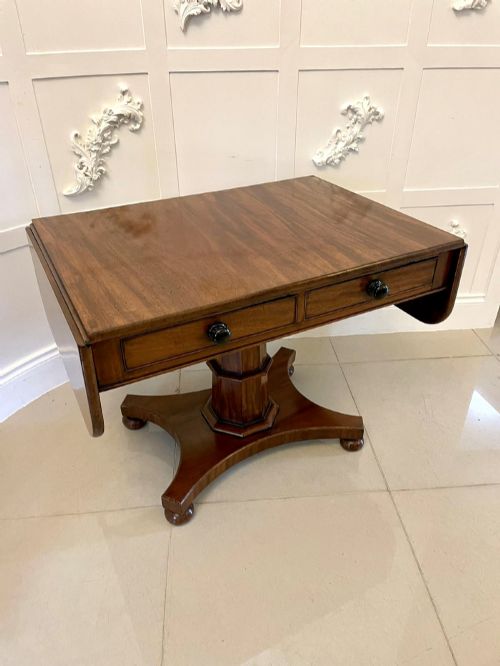
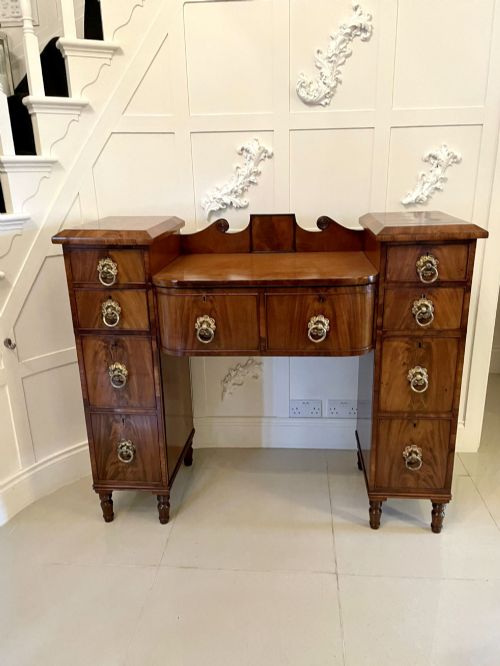
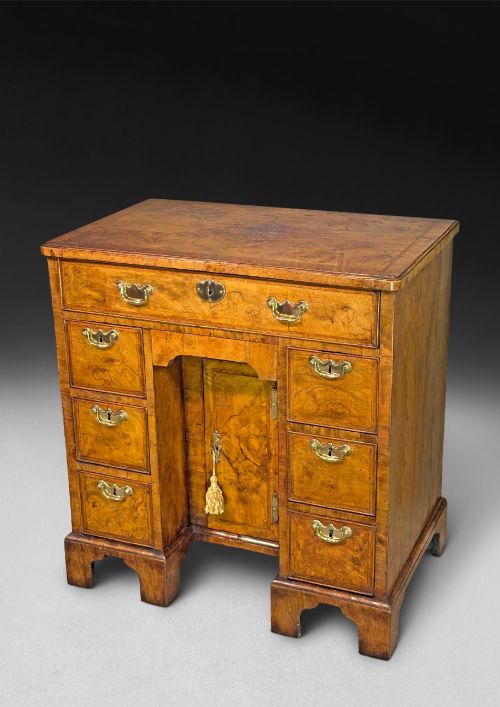
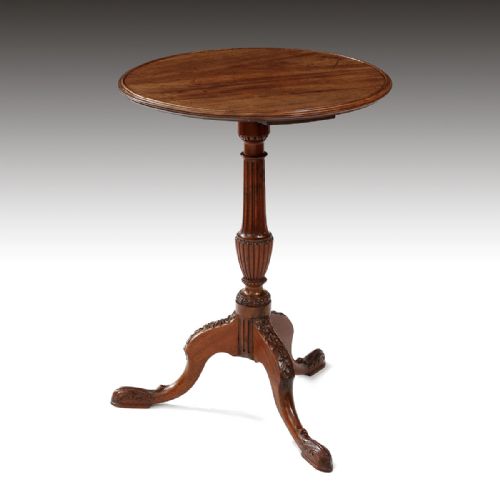
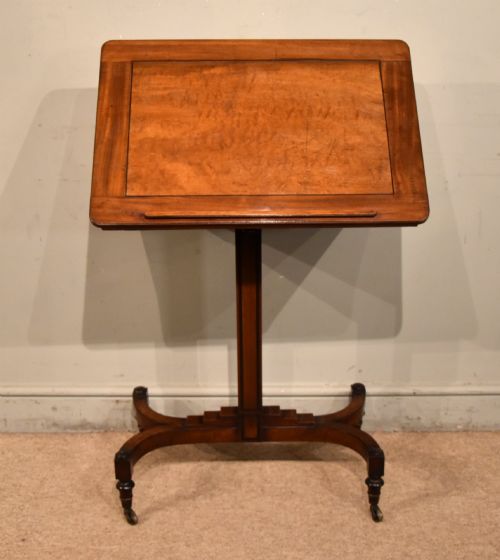
A period pedestal table represents a diverse group of furnishings designed around a single central column or multiple pillars rather than traditional corner legs. These pieces span the 18th century, Georgian, Regency, and Victorian eras, encompassing dining tables, occasional tables, card tables, and library tables.
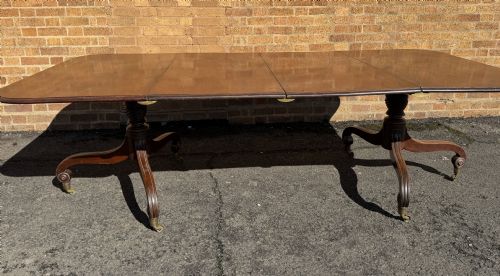
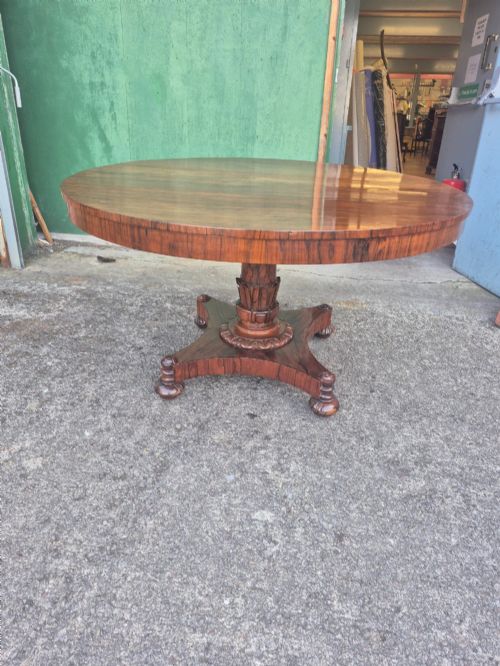
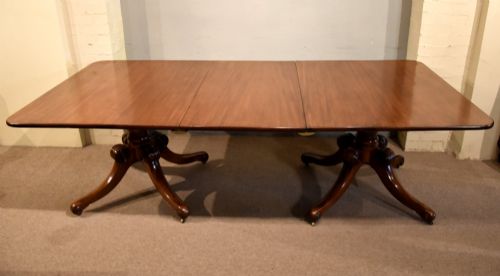
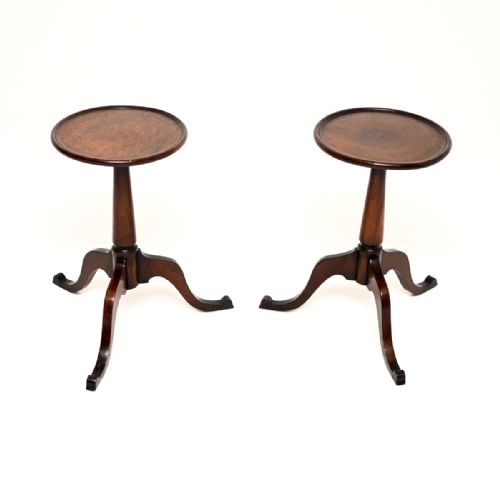
The version most frequently met on this page is the mahogany dining table supported by twin or triple pedestals, alongside smaller tripod wine tables and rosewood breakfast tables from the Regency era. Cabinetmakers constructed these forms to serve functional domestic roles, from holding books to accommodating large dinner parties.
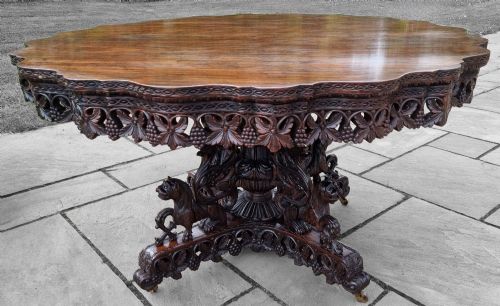
Origins stretch across British workshops as well as continental French Empire designs and Indian Raj productions, utilising native and tropical timbers. Each era imparts distinct proportions and decorative details, connecting current selections directly to historical cabinet-making traditions.
Materials and construction
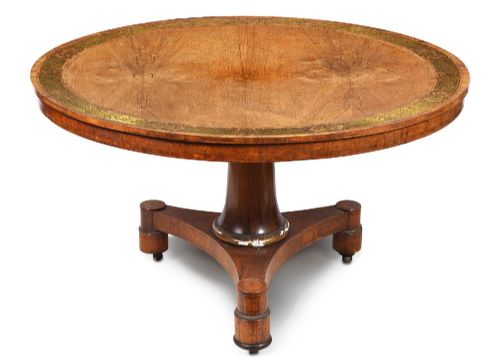
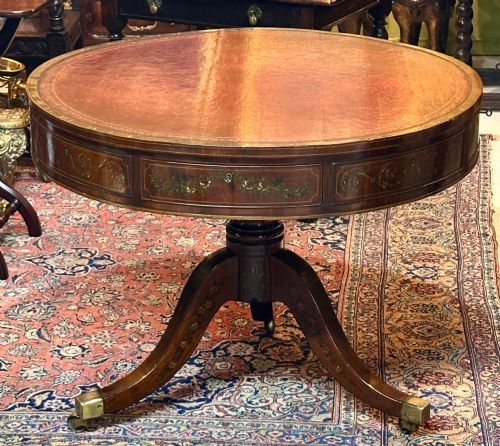
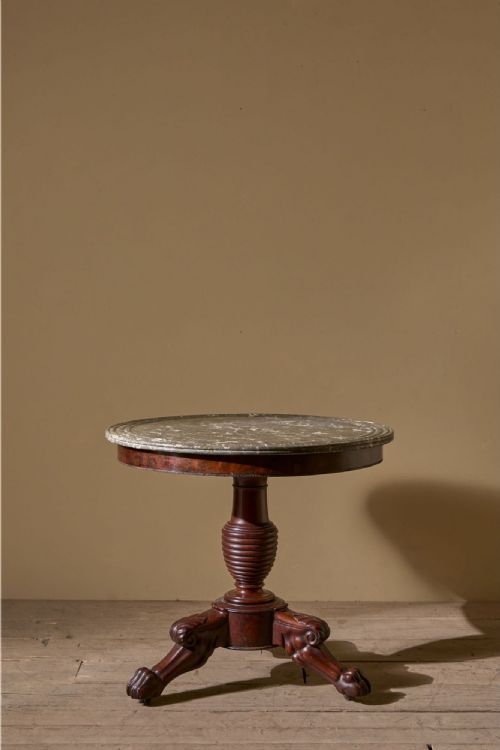
Craftsmen built these tables using dense hardwoods such as mahogany, rosewood, walnut, and oak, frequently selecting figured veneers for table tops to display rich grain patterns. Inlaid brass, satinwood, and ebony lines accent many Regency examples, whilst marble tops appear on specific French Gueridon forms.
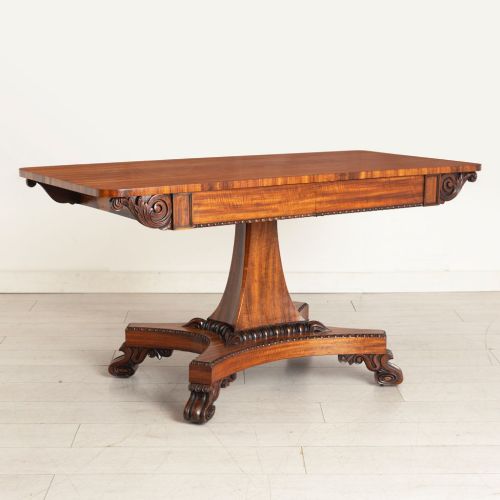
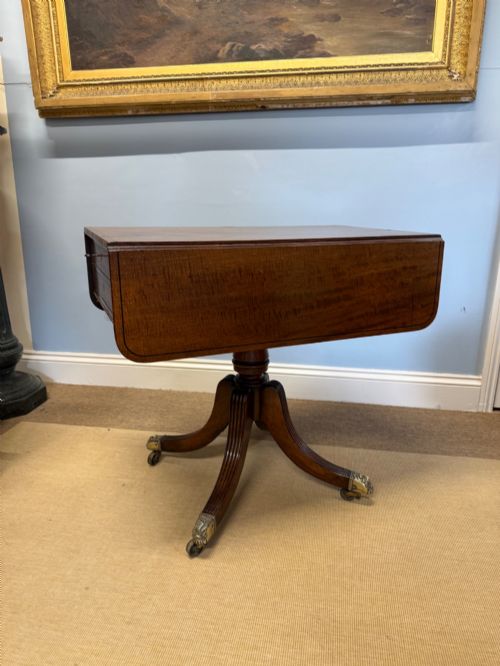
Structural support relies upon sturdy central pedestals branching into tripod or quadruped feet, often terminating in carved brass paw feet or castors. Joinery techniques included robust pegging and turning, allowing tilt-top mechanisms to operate smoothly on occasional and breakfast tables.
Some Regency card tables double as secret writing desks because homeowners hated clutter.
Judging execution and finish
The standard of a period pedestal table rests upon the choice of timber and the precision of its veneers. Superior examples display symmetrical grain matching across expansive table tops and careful selection of secondary woods beneath.
Artisanal execution reveals itself in the crispness of carved pedestal bases, the integration of brass inlay, and the stability of the central column. Pieces retaining original surface patination and functional tilt mechanisms demonstrate careful stewardship and superior initial construction.
Gillow
The Period Pedestal Table Glossary
- Pedestal table
- A table supported by a central pillar or column resting on a footed base. This design maximises legroom around the perimeter.
- Tripod table
- A small occasional table supported by a pillar above three spreading legs. These pieces often feature tilt-top mechanisms for convenient storage.
- Breakfast table
- A pedestal table from the Regency or Victorian era designed for informal morning meals. They frequently feature circular or oval tops set on tilt mechanisms.
- Gueridon
- A small ornamental French table supported by a single central column or figure. They commonly feature marble tops and giltwood or bronze mounts.
- Drum table
- A circular library table with a deep frieze containing drawers, mounted on a central pillar and tripod base. The top is frequently lined with leather.
Period Pedestal Table: Frequently Asked Questions
What is a pedestal dining table?
A pedestal dining table uses one or more central columns to support a long wooden top, allowing chairs to slide underneath without interference from corner legs.
Cabinetmakers developed multiple-pillar formats during the Georgian and Regency periods to accommodate expandable dining surfaces.
How do I identify a Regency table?
Regency tables typically feature dark tropical timbers like rosewood and mahogany, often accented with brass inlay or ebony details. Their pedestal bases frequently incorporate reeded columns and carved paw feet.
Proportions lean toward classical architectural symmetry influenced by French Empire and ancient Roman designs.
Can I use a tilt top table daily?
Tilt top tables serve well for daily use provided the catch mechanism and supporting block remain secure. The hinge allows the top to fold vertically when not in use, saving floor space.
Care should be taken when releasing the mechanism to protect the timber pivot joints from sudden strain.
Where should I place a centre table?
A centre table stands freely in the middle of a room rather than against a wall, displaying finished woodwork from all angles. Library tables and Gueridon tables suit this placement.
Ensure adequate clearance surrounds the piece so guests can walk past the pedestal base comfortably.