







Period Panel Painting
Period panel painting works as a historic decorative format, bringing rigid support and rich oil pigment together in works from the seventeenth to the nineteenth century.
Period Panel Painting
A period panel painting represents a historic work executed upon a rigid ground rather than stretched canvas, spanning centuries of artistic output. Buyers searching for period panel painting encounter diverse regional schools, portraits, landscapes, and architectural fragments.
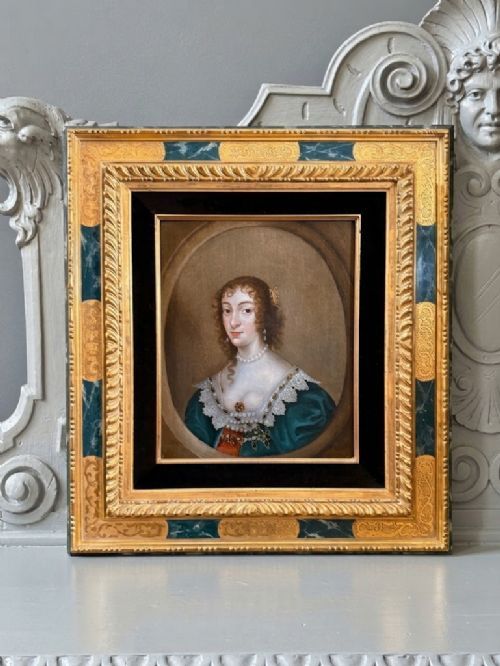
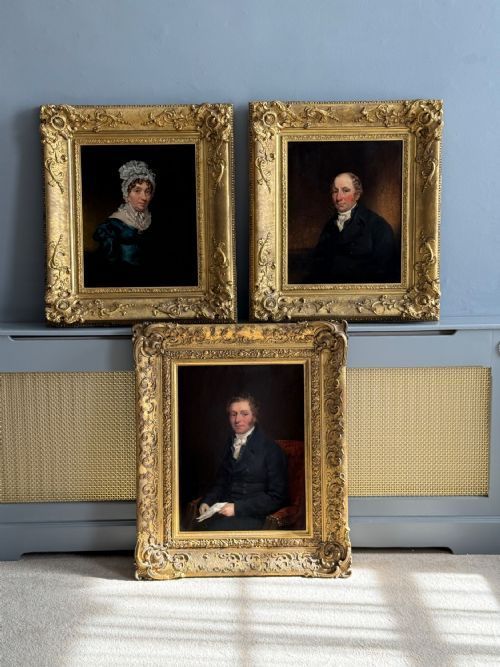
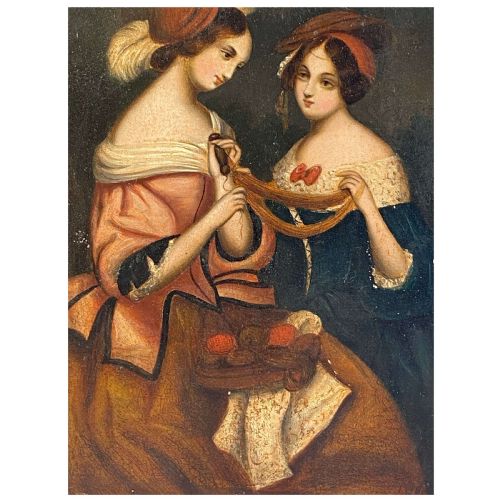
The selections on this page draw predominantly from the nineteenth century and the seventeenth century, encompassing portraits of named sitters and rural scenes. Wood panels, copper, and zinc serve as the foundational supports for these historic oils.
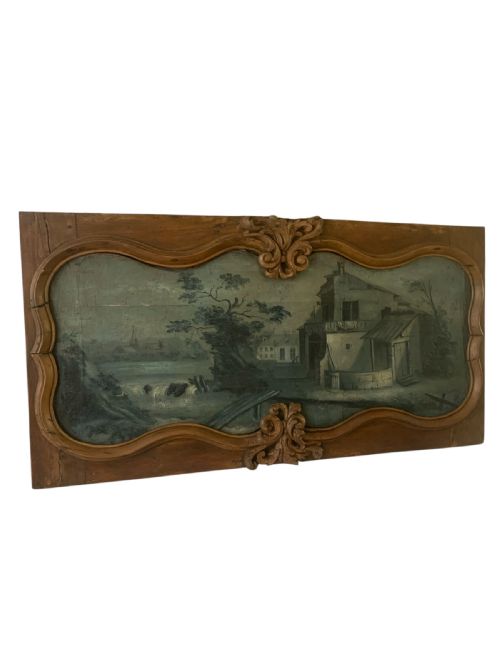
Makers ranging from documented artists to regional English schools shaped these formats, framing them in solid wood or incorporating them into larger decorative schemes like overdoors.
Materials and technique
Artists executed these works using oil paint applied directly to rigid supports such as wood panel, copper, or zinc. The density of wood or metal allowed painters to achieve fine detail and smooth gradations of tone that differed from woven canvas.
Frames of solid wood or giltwood often accompanied these panels, protecting the edges and complementing the pictorial composition. Specialist preparation of the rigid ground ensured the oil medium adhered securely over centuries.
Period Panel Painting Retail Price Guide 2026
Typical asking prices for period panel painting among the pieces listed under this phrase on Sellingantiques today, from the lower quarter to the upper quarter. They describe what is for sale here now, not the wider market.
Historic panel supports occasionally double as unexpected surfaces, including a bathroom door waiting to be painted.
Judging quality in panel works
The standard of execution in a period panel painting depends upon the confidence of the brushwork and the stability of the rigid support. Works attributed to named artists or established regional schools demonstrate superior draughtsmanship and anatomical proportion.
The preservation of the paint surface and the integrity of the original wood or metal ground dictate the distinction between ordinary workshop pieces and finer collector examples.
Cornelius Johnson·Joseph Clover RA·John Constable
The Period Panel Painting Glossary
- Panel painting
- A painting executed on a rigid flat surface such as wood, copper, or zinc rather than flexible canvas. This traditional format prevents the cracking associated with tension loss in fabric.
- Oil paint
- A slow-drying medium composed of pigments suspended in a drying oil, typically linseed. It permits subtle blending and rich layering on rigid supports.
- English School
- A classification for artworks produced by British artists working within a shared regional or temporal tradition. Norwich School landscapes exemplify this localized training.
- Overdoor
- A decorative painting or relief panel designed to be positioned directly above a doorway within historic domestic interiors. These pieces often feature architectural or mythological subjects.
- Zinc panel
- A flat sheet of metal utilised as a painting support during the nineteenth century. Zinc provided a smooth, non-absorbent surface for detailed oil application.
Period Panel Painting: Frequently Asked Questions
What is a period panel painting?
A period panel painting is a historic artwork created on a rigid flat base, such as wood, copper, or zinc, rather than canvas. These works survive from the seventeenth century through the nineteenth century.
Such pieces range from intimate portraits of named individuals to sweeping English landscapes and architectural overdoors.
How should I care for a wood panel painting?
Wood panel paintings require stable indoor humidity and temperature to prevent the wood from warping or splitting over time. Direct sunlight and heat sources should be avoided.
Displaying the piece on an interior wall helps maintain the structural integrity of both the rigid support and the historic oil layers.
How do I identify the age of a panel painting?
Dating relies upon examining the preparation of the support, the style of the pigment application, and the framing materials. Seventeenth-century panels often display distinct grain patterns and joinery compared to nineteenth-century zinc or wood supports.
Attributions to specific schools or named artists also assist in placing the work within a defined historical period.
Where were panel paintings displayed historically?
These artworks appeared in domestic interiors, formal portrait galleries, and specialised architectural settings like overdoors or overmantles. Smaller works suited intimate study desks and parlours.
Larger compositions anchored the decor of substantial rooms alongside decorative plates and vases.