
Period Painting
When you search for period painting, you meet historic canvases and portraits that carry centuries of pigment and sitting subjects into modern rooms.
Period Painting
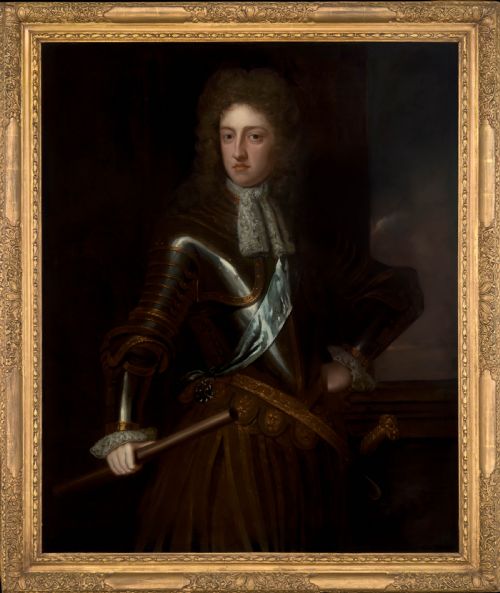
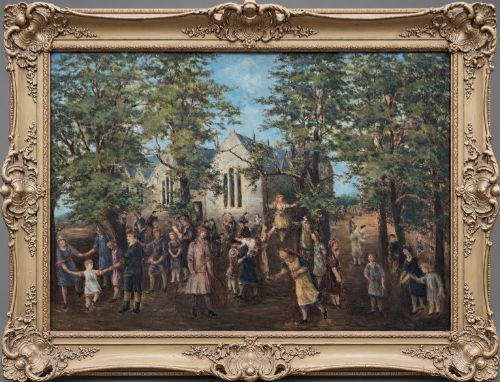
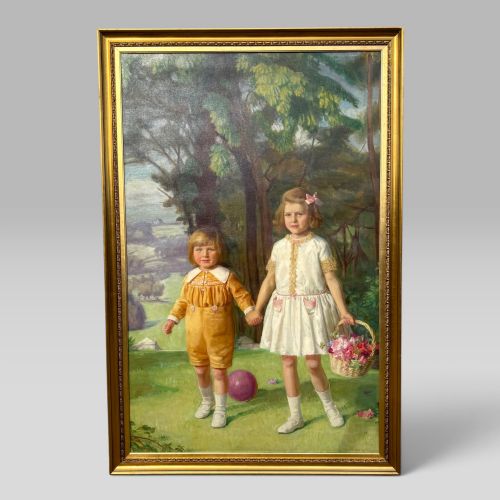
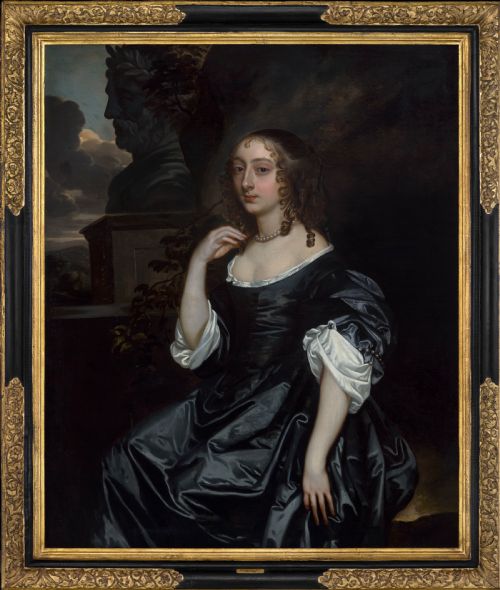
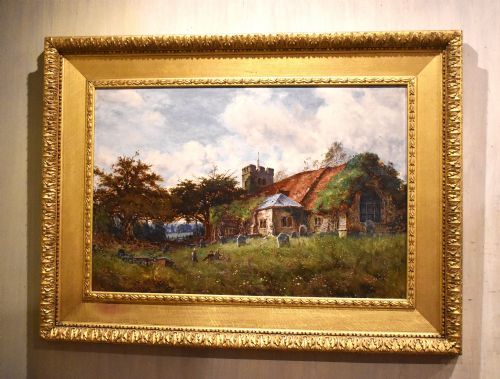
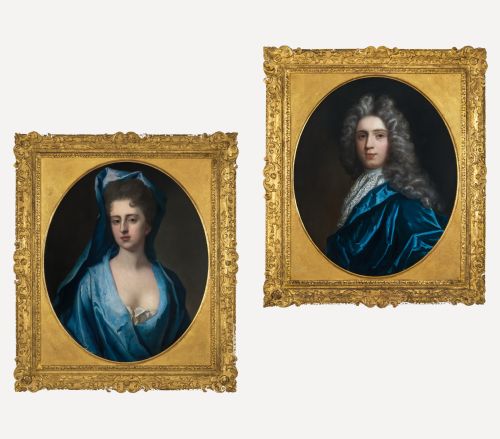
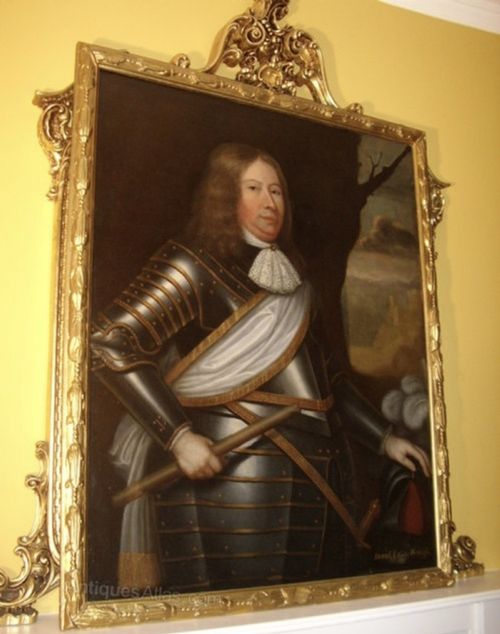
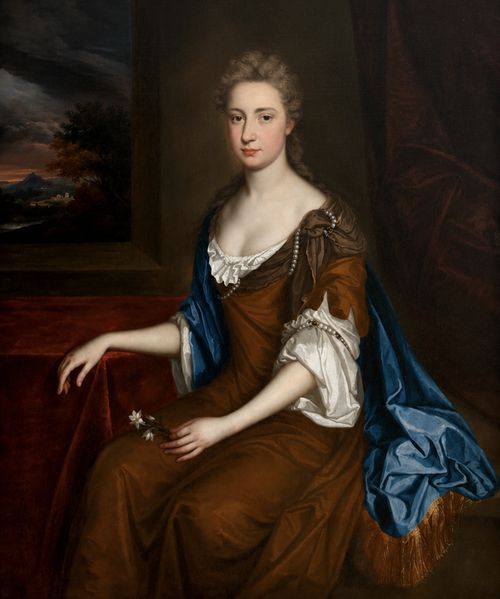
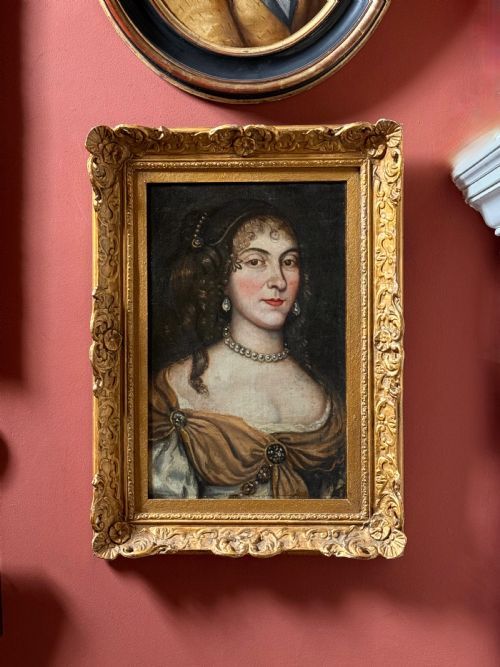
A period painting search leads primarily to oil on canvas works spanning from the seventeenth century through to the Edwardian era, capturing aristocratic sitters, scholars, and village scenes. Seventeenth-century British portraiture forms a distinct core of these listings, often showing sitters in half-length or armour.
Beyond British portraits, the selection broadens to include nineteenth-century landscapes, French school works, and occasional panels. These objects function as historical documents as much as visual art, recording the dress, status, and portraiture traditions of past centuries.
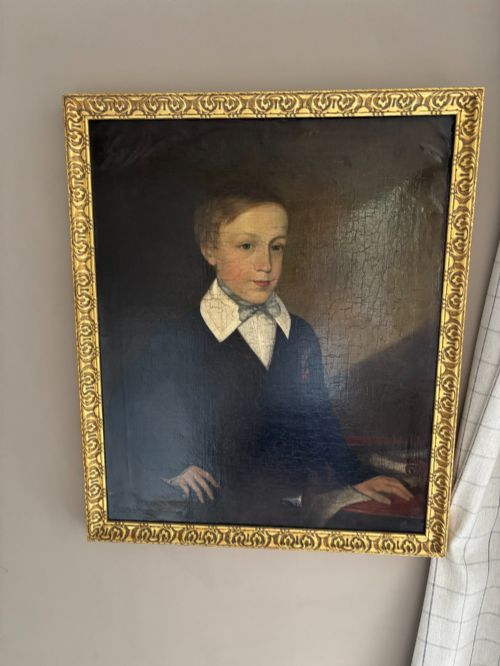
The format ranges from intimate head-and-shoulder depictions to large-scale gallery canvases. Buyers select these works to anchor a room with historical depth and painted character.
Materials and construction methods
The works rely upon oil paint applied to woven canvas supports, occasionally utilising wooden panel substrates for earlier seventeenth-century examples. Pigments are built in layers, starting with an underpainting and finishing with glazes that render skin tones and fabrics.
Frames frequently incorporate carved wood with giltwood or gold leaf finishes, matching the period of the canvas. These heavy gilded surrounds provide structural support and isolate the painted surface from the wall.
Several sitters gaze across the centuries wearing remarkably elaborate lace collars and stiff satin sleeves.
Distinctions in quality
The survival of the original canvas tension and the stability of the paint layer govern the visual impact of the piece. Works retaining their untouched surface texture without heavy modern overpainting command greater attention from collectors.
Sir Godfrey Kneller·Sir Peter Lely·Michael Dahl·Thomas Murray·David Scougall·Robert Byng·Trajan Hughes·Thomas Beach·Sir Allan Ramsay·Cornelius Johnson·Carlo Ferranti·Mary Beale·George F. Bird·James Elliot
The Period Painting Glossary
- Oil on canvas
- A painting medium where pigments are suspended in a drying oil, typically linseed, and applied to a stretched cloth support. This technique allowed artists to achieve rich colour saturation and subtle tonal gradations.
- Studio of
- A designation indicating a work produced in the workshop of a master artist, often under their direct supervision and incorporating their compositional methods. These pieces reflect the style of the principal painter.
- Giltwood
- Wood that has been coated with a thin layer of gold leaf or gold powder over a prepared gesso base. It is commonly found on traditional picture frames.
- Panel painting
- A painting executed on a flat piece of wood rather than fabric. This surface was standard for many early works before canvas became the dominant support.
Period Painting: Frequently Asked Questions
How do I date an old portrait?
Dating relies heavily on the sitter's costume, hairstyle, and lace collars, which shifted noticeably across reigns and decades. Inscriptions, stretcher construction, and artist attributions also provide firm chronological markers.
Comparison with documented works by the same studio or school helps narrow the decade of execution. Frame styles can offer secondary clues, though many historic frames are later replacements.
What does studio of mean?
This attribution denotes a painting created within the active workshop of a named master. The composition often follows the master's established designs and techniques.
Such works were common practice in major portrait practices where assistants contributed to drapery and backgrounds. They represent the artistic standard of the primary hand.
Where should I hang a large canvas?
Historic canvases require stable wall spaces away from direct sunlight and sudden temperature shifts from radiators or fireplaces. Strong, weight-bearing picture hooks are essential to support the substantial combined weight of the canvas and its wooden frame.
Placing the centre of the composition at eye level ensures optimal viewing of the sitter's expression and brushwork detail. Adequate ambient lighting allows the dark glazes of early oil paintings to read clearly.
Are all these works British?
While many listings feature British school portraits from the seventeenth and eighteenth centuries, the selection includes continental European works. French and Italian school paintings appear alongside English examples.
Each regional school employs distinct palettes and handling of canvas preparation. Documentation accompanying the piece usually clarifies the geographic origin.