





Period Painting Frame
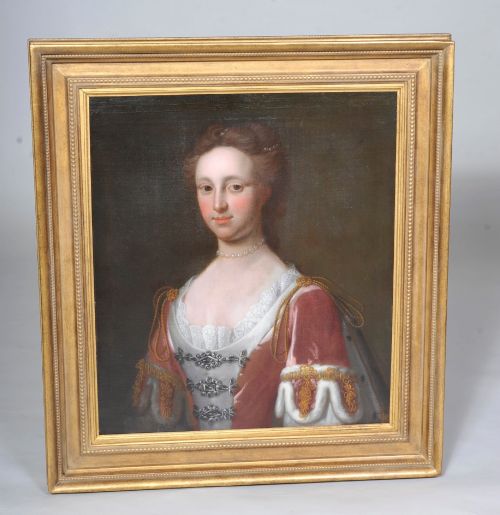
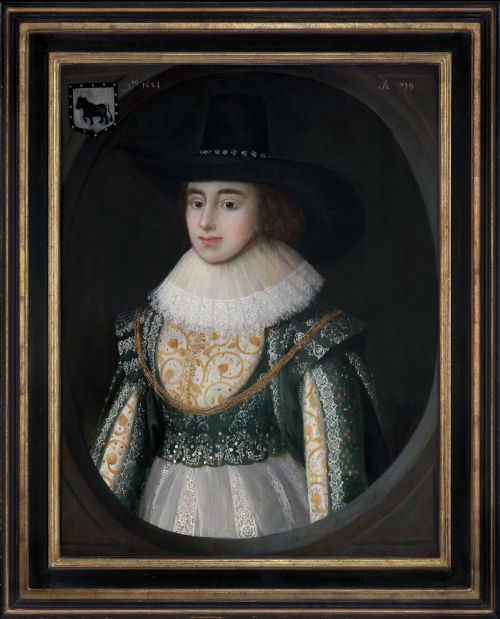
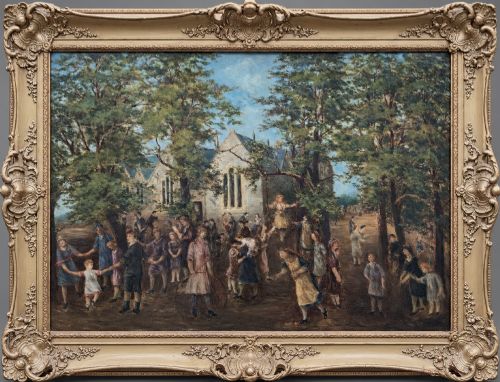
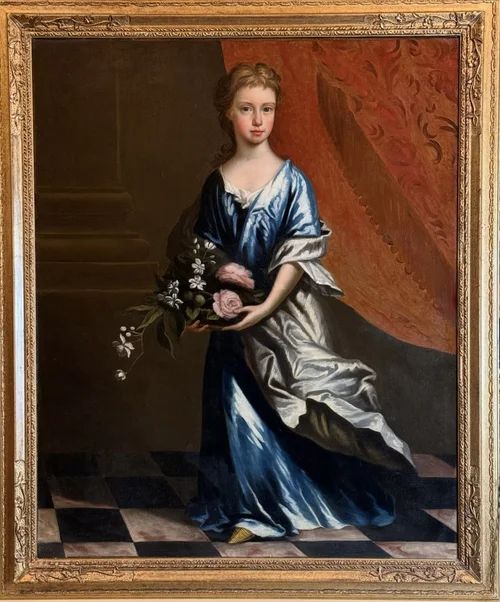
When you search for a period painting frame, you are looking at housings designed to hold centuries of portraiture and landscape from the seventeenth to the nineteenth century.
Period Painting Frame
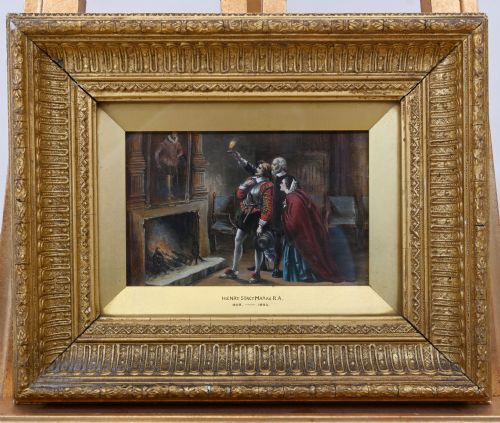
A period painting frame serves as the structural and aesthetic boundary for works executed in oil on canvas, panel, and paper. Buyers hunting for a period painting frame encounter constructions spanning the seventeenth century, Georgian, Regency, and Victorian eras.
The selections on this page pair closely with historical portraits, fine art, and watercolours rather than modern reproductions. These items reflect the joinery methods and stylistic shifts of British, French, and Italian schools across multiple centuries.
How They Were Made
Makers constructed these enclosures primarily from wood such as oak, pine, and hardwoods, shaping profiles by hand or through early moulding techniques. Workshops then applied layers of gesso to create smooth surfaces for decoration.
Artisans finished the wooden mouldings using gold leaf and oil gilding, or occasionally plain painted surfaces. These traditional gilding methods provide the distinct reflective quality seen on seventeenth-century Baroque and Georgian pieces.
Period Painting Frame Retail Price Guide 2026
Typical asking prices for period painting frame among the pieces listed under this phrase on Sellingantiques today, from the lower quarter to the upper quarter. They describe what is for sale here now, not the wider market.
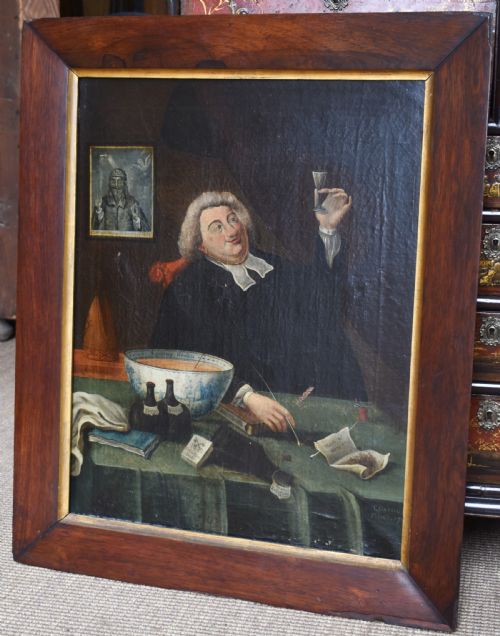
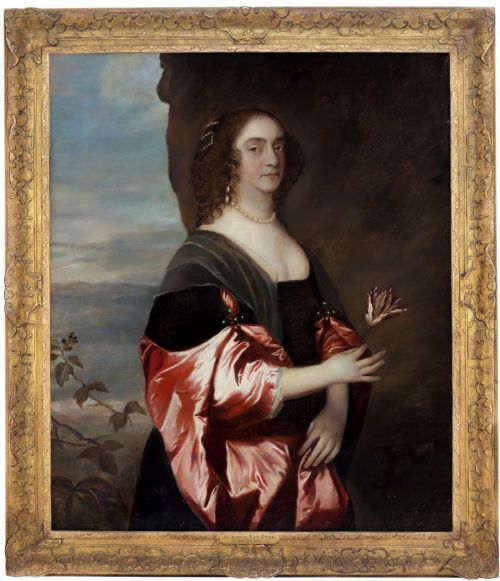
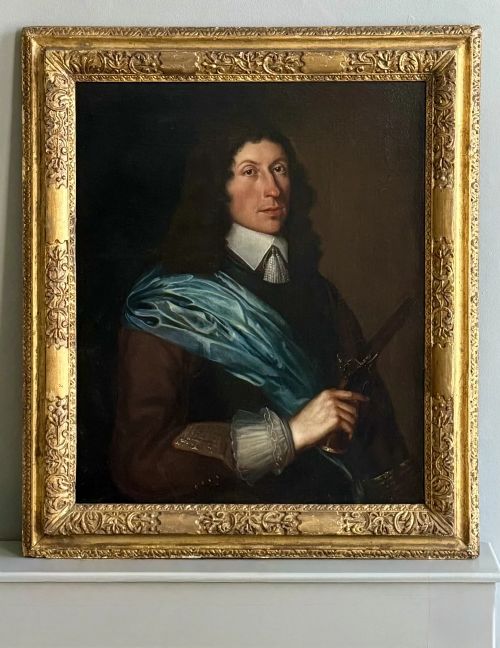
Several portraits preserve historical subjects brandishing pistols or wearing red satin sleeves, proving ancestors enjoyed high drama.
What Varies in Quality
The distinction between standard examples and superior work lies in the crispness of the carved ornament and the integrity of the original gilt surface. Master carvers achieved deep relief work and delicate sight edges that lesser workshops simply painted or cast in heavy composition paste.
Preservation of the primary wooden substrate and minimal disturbance to the historic gilding layers dictate the standing of an item. Examples retaining their untouched surface finish demonstrate greater integrity than those stripped or overly restored in later centuries.
Thomas Hudson·Sir Godfrey Kneller·Sir Peter Lely·Michael Dahl·Thomas Murray·David Scougall·John Greenhill·Robert Byng·Trajan Hughes·Cornelius Johnson·Carlo Ferranti·Mary Beale·Joseph Clover·Joshua Reynolds·John Russell
The Period Painting Frame Glossary
- Giltwood
- Wood that has been coated with thin sheets of gold leaf over a prepared gesso ground. This finish defines many high-status seventeenth and eighteenth-century examples.
- Gesso
- A plaster mixture applied to wood to create a smooth base for gilding or painting. Traditional recipes combine chalk with animal glue.
- Baroque
- An ornate artistic style prominent in the seventeenth century characterised by dramatic movement and rich surface enrichment. Pieces from this period show deep, sculptural carving.
- Regency
- The stylistic period spanning the early nineteenth century known for refined neoclassical lines. Frames from this era often incorporate simpler geometric profiles and subtle ornamentation.
Period Painting Frame: Frequently Asked Questions
How do I match a frame to an old canvas?
Consider the date, national origin, and aesthetic weight of the artwork when pairing it with a housing. Seventeenth-century canvases generally demand deep profiles with robust carved decoration.
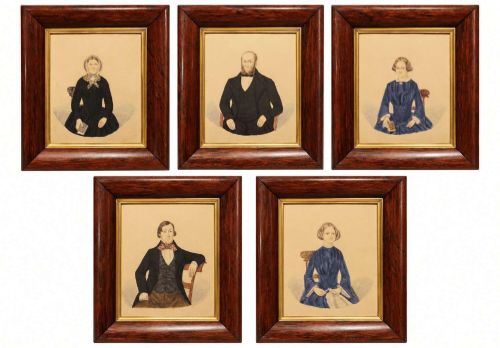
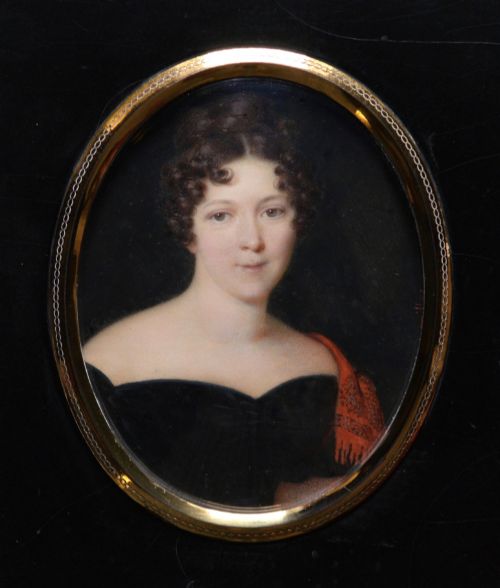
Lighter watercolour works or miniature portraits suit simpler mouldings from the Regency or Victorian periods. Maintaining historical period alignment ensures the visual partnership looks correct.
What distinguishes Georgian frames from Victorian ones?
Georgian examples often display restrained neoclassical detailing, sand-grounds, and hand-carved wooden ornament. They emphasise proportion and architectural harmony.
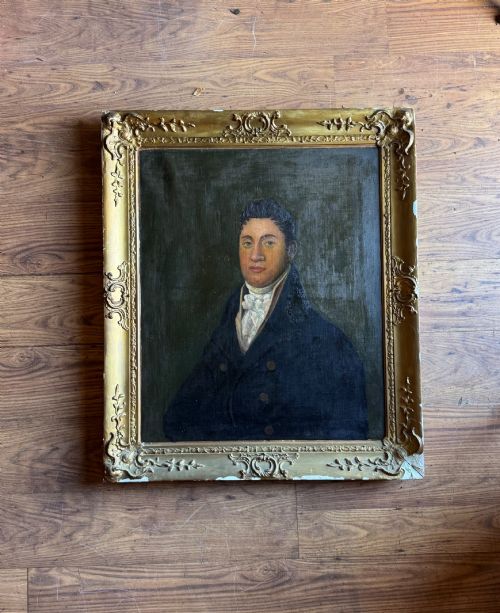
Victorian pieces frequently utilise moulded composition paste for heavier, more exuberant ornamentation reflecting historicism styles. The shift in manufacturing technology allowed for denser, mass-produced decorative repeats.
How were these frames originally constructed?
Joiners built the foundational wooden corners using mitre joints reinforced with keys or splines for structural stability. They then layered gesso and bole before applying gold leaf by hand.
this traditional layering method created the warm, deep lustre characteristic of genuine antique metal leaf surfaces. Every stage required specialised hand skills passed down through workshops.