



Period Overmantel Glass
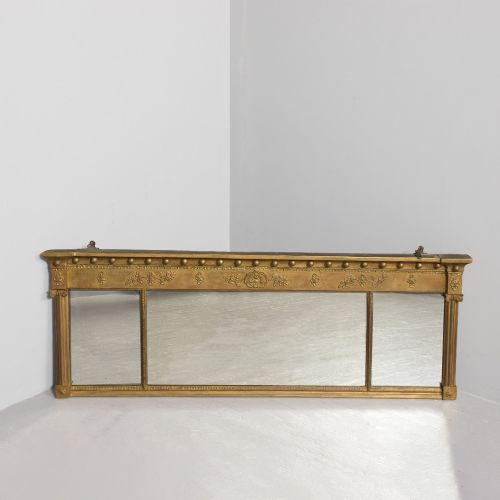
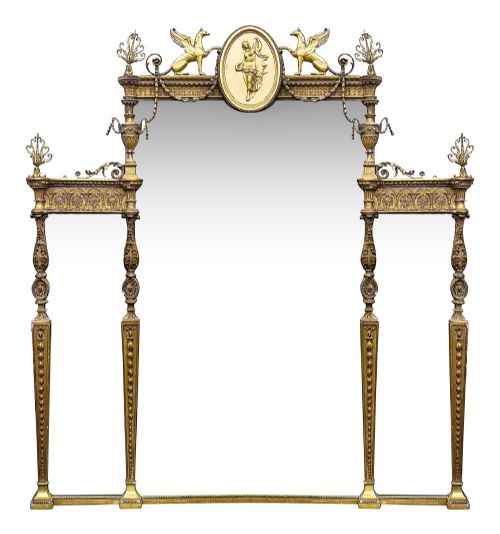
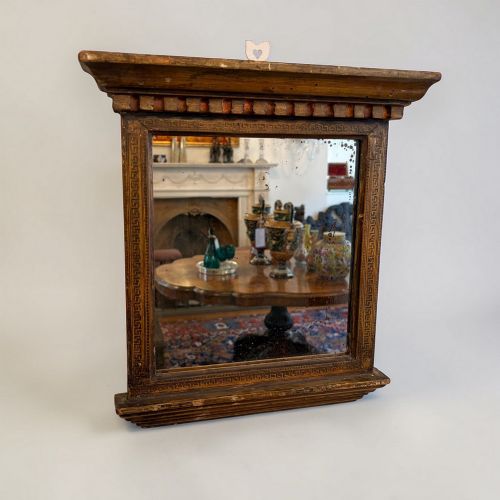
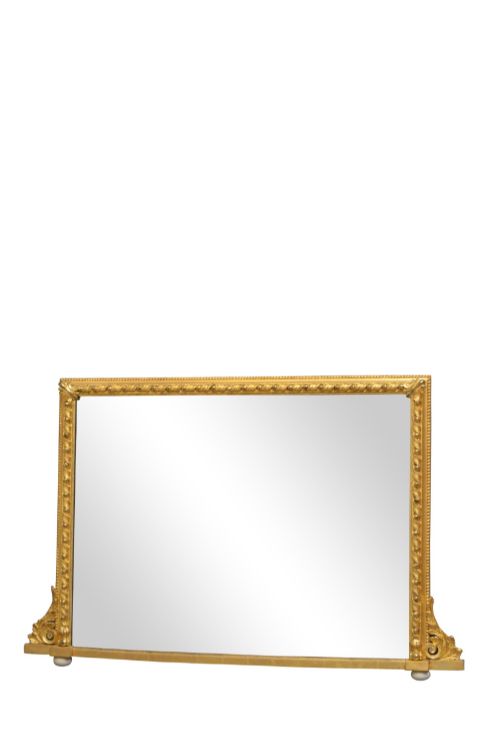
These period overmantel glass pieces are large decorative mirrors designed to sit above fireplace mantels, bringing historic character and reflected light to a room.
Period Overmantel Glass
A period overmantel glass is a specific wall mirror form engineered to sit directly above a mantelpiece, often stretching wide horizontally to balance the hearth below. When you search for period overmantel glass, you meet substantial architectural frames from the eighteenth and nineteenth centuries.
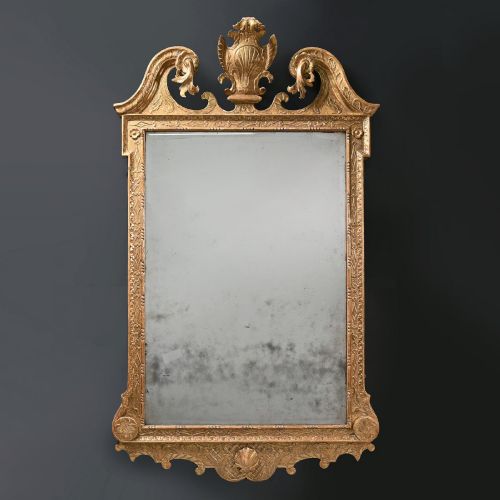
The most common examples on this page date from the nineteenth century, including Regency and Victorian interpretations of classical forms. Alongside overmantels, the selection includes related pier mirrors and wall mirrors shaped in styles from French Rococo to Neoclassical.
These items originate from English and French workshops, utilising woods such as mahogany, rosewood, and ebonised timber alongside gilded plaster. Their proportions range from neat domestic formats to very large statement pieces designed for high-ceilinged reception rooms.
Materials and Construction
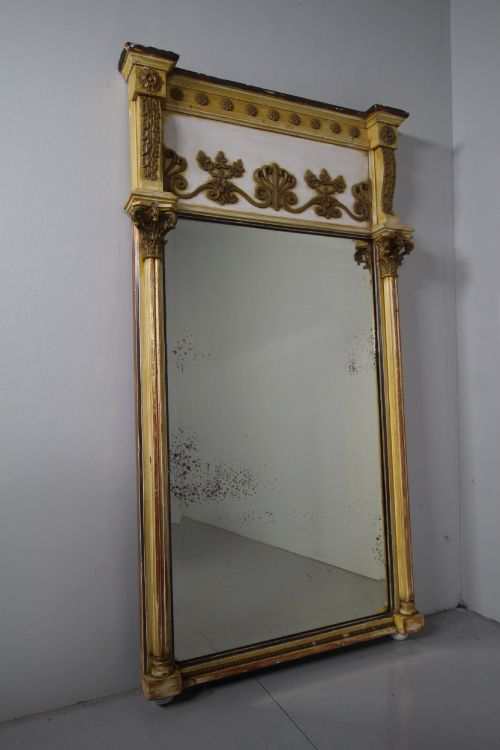
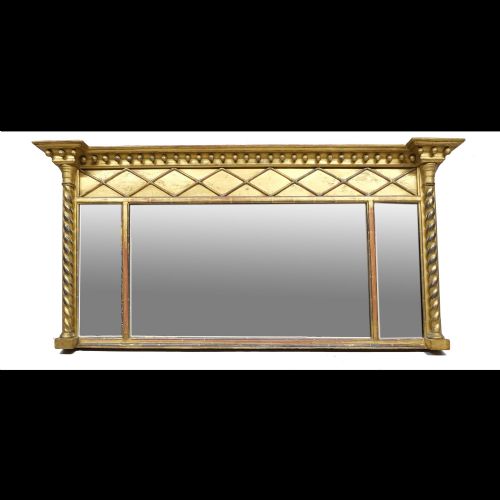
Makers constructed these frames from solid timbers including mahogany, walnut, and rosewood, or shaped softwoods coated in gesso before applying gold leaf or paint. Carved wooden details, acanthus columns, and ribbed mouldings define the structural decoration of the frames.
Reflecting surfaces rely on traditional mirror glass, frequently featuring original foxing or mercury backing that creates a soft, aged speckle. Backboards are typically constructed from heavy timber planks secured behind the glass plate to protect the fragile silvering.
Period Overmantel Glass Retail Price Guide 2026
Typical asking prices for period overmantel glass among the pieces listed under this phrase on Sellingantiques today, from the lower quarter to the upper quarter. They describe what is for sale here now, not the wider market.
Listings feature pieces spanning the Georgian, Regency, Victorian, and Edwardian eras, constructed in giltwood, mahogany, rosewood, and ebonised wood.
Judging Quality and Execution
Superior examples separate themselves through the crispness of their carved gesso and the depth of their gilding, where hand-applied gold leaf catches the light with a rich warmth. Lesser pieces rely on flat painted surfaces or cast ornaments lacking the sharp relief of bespoke craftsmanship.
The integrity of the original mirror plate dictates much of the standing of a piece, with undisturbed mercury glass or early foxing commanding greater respect than modern replacements. Proportional harmony between the width of the frame and the height of the central glass plate also determines the visual balance of the object.
The Period Overmantel Glass Glossary
- Overmantel mirror
- A large horizontal mirror specifically designed to hang or stand on the mantelpiece above a fireplace. These pieces traditionally anchored the decorative scheme of a nineteenth-century drawing room.
- Foxed glass
- Mirror glass showing natural degradation of the silver backing, resulting in small dark spots and a characteristic mottled appearance. This age-related characteristic appeals to collectors seeking authentic historic surfaces.
- Giltwood
- Timber carved and coated with gold leaf over a prepared gesso ground. This technique creates a luminous metallic finish seen across Regency and Georgian frames.
- Pier mirror
- A tall, narrow mirror designed to hang on the wall space between two windows. These architectural glasses often share decorative motifs with contemporaneous overmantels.
- Trumeau mirror
- A decorative wall mirror incorporating a painted panel or carved artwork set into the upper section of the frame. French examples frequently showcase this sophisticated format.
Period Overmantel Glass: Frequently Asked Questions
How do I hang a heavy overmantel mirror safely?
These substantial mirrors require professional wall fixings attached directly into structural masonry or heavy wooden studs. The weight of the timber frame and thick glass plate demands robust weight-bearing brackets.
Many period mirrors were originally designed to rest directly on the mantel shelf while secured to the wall with top anchor chains. Modern installations should replicate this dual support method to prevent tipping.
What is mercury glass?
Mercury glass refers to historic mirror plates silvered using a liquid mercury and tin amalgam before safer chemical processes were adopted in the mid-nineteenth century. This technique produces a warm, reflective depth unlike modern float glass.
Over decades, chemical reactions create the characteristic dark speckles and cloudy patches known as foxing. Collectors prize surviving mercury plates for their authentic aged appearance.
How do I tell a Regency overmantel from a Victorian one?
Regency overmantel mirrors typically favour clean architectural lines, classical motifs like acanthus columns, and ebonised details inspired by ancient Greek and Roman design. The frames are often restrained and balanced in their neoclassical proportions.
Victorian pieces frequently display heavier carved mahogany or elaborate giltwood frames with denser ornamentation. They reflect the industrial production methods and eclectic revival styles of the later nineteenth century.