



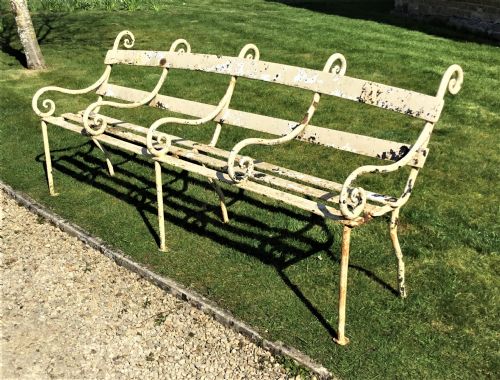


Period Outdoor Seating
Period outdoor seating brings architectural dignity to open ground through enduring forms forged in iron and timber.
Period Outdoor Seating
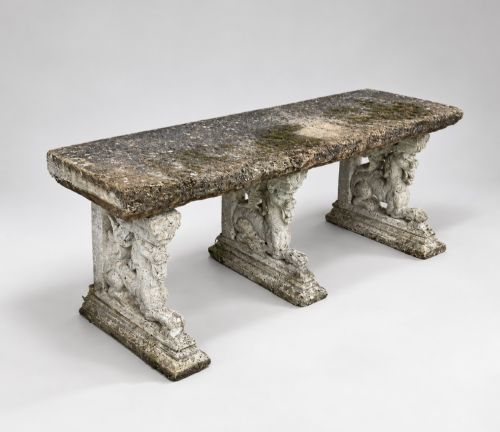
These pieces comprise garden benches, garden chairs, garden seats, and garden settees designed for exterior placement across historical eras. When examining period outdoor seating, the buyer most frequently encounters robust designs originating in the nineteenth century, including Victorian and Regency manifestations.
The inventory on this page spans distinct historical periods such as the nineteenth century, the Victorian era, the Regency period, and specific years including 1850, 1870, and 1930. Forms range from single garden seats and pairs of benches to sets of four garden chairs suitable for lawns, patios, and park settings.
How they were made
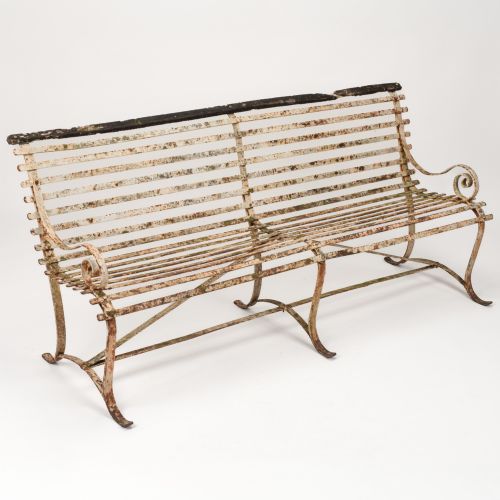
Makers utilised cast iron and wrought iron to form the structural framework and decorative elements of these garden seats. Strapwork techniques defined Regency designs, while ornate casting shaped Victorian examples.
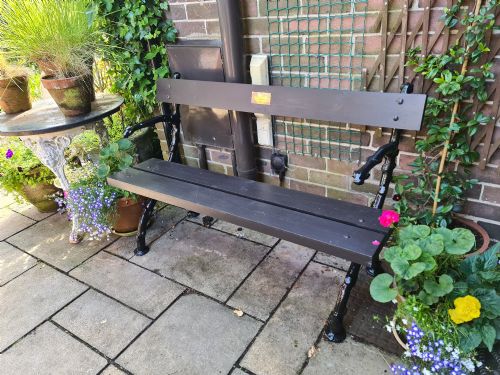
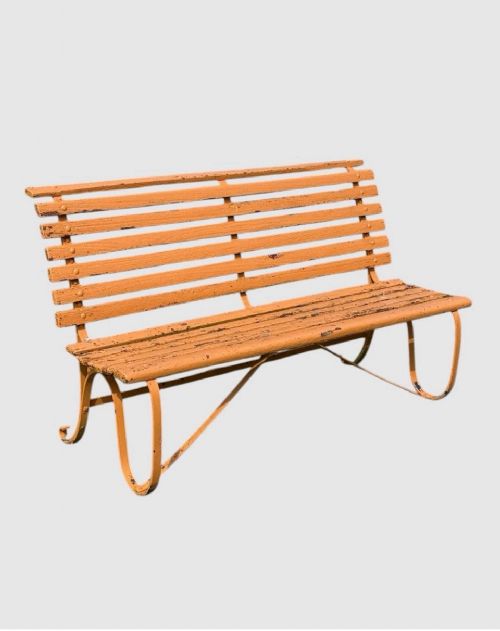
Wood and timber components integrated with iron frames to form seating surfaces and slats, finished with protective coats of paint.
Period Outdoor Seating Retail Price Guide 2026
Typical asking prices for period outdoor seating among the pieces listed under this phrase on Sellingantiques today, from the lower quarter to the upper quarter. They describe what is for sale here now, not the wider market.
The listings span the nineteenth century, Victorian, Regency, and 1930 periods, utilising cast iron, wrought iron, paint, wood, and timber.
What varies in quality
The refinement of the ironwork separates standard production from superior examples, with intricate casting and precise strapwork indicating higher skill. Complete matching sets or pairs demonstrate greater design ambition than isolated pieces.
The integrity of the combination between iron frames and timber slats influences the overall cohesion and durability of the furniture.
The Period Outdoor Seating Glossary
- Cast iron
- A sturdy material poured into moulds to create decorative patterns and structural bench ends. It provides heavy stability for garden placement.
- Wrought iron
- Iron beaten and heated into shape by hand, frequently utilised for strapwork designs. This material offers flexible strength in exterior seating.
- Strapwork
- Flat strips of iron interlaced to form decorative geometric patterns on backs and seats. This technique is prominent in Regency examples.
- Settee
- A small upholstered or wooden bench designed for multiple occupants. In garden contexts, this denotes a wider seat meant for relaxation.
Period Outdoor Seating: Frequently Asked Questions
What defines period outdoor seating?
These pieces include garden benches, chairs, and settees originating from historical eras like the Victorian and Regency periods.
They utilise materials such as cast iron, wrought iron, and timber to withstand exterior conditions while providing decorative garden furniture.
How do I identify Regency garden benches?
Regency pieces often feature wrought iron construction and characteristic strapwork designs formed from flat strips of metal.
They reflect the neoclassical aesthetic popular during the early nineteenth century with lighter, linear framework.
Where were these garden seats placed?
Historical garden seats populated lawns, patios, parks, and club grounds for outdoor leisure and social gatherings.
Pairs and larger sets accommodated multiple people in domestic and institutional landscapes.
What materials make up Victorian benches?
Victorian examples commonly combine heavy cast iron ends with wooden or timber slats for the seat and back.
Ornate casting patterns distinguish these pieces from earlier, simpler ironwork designs.