

Period Oil Artwork
Period oil artwork encompasses centuries of painted portraiture and genre scenes created using traditional pigments on canvas, wood panel, and board.
Period Oil Artwork
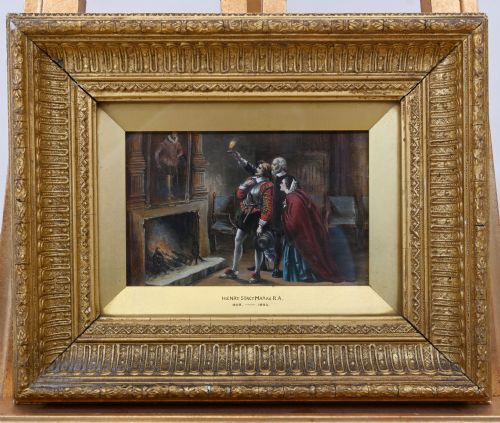
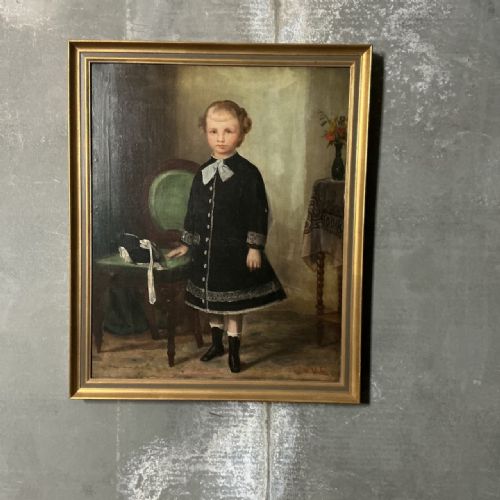
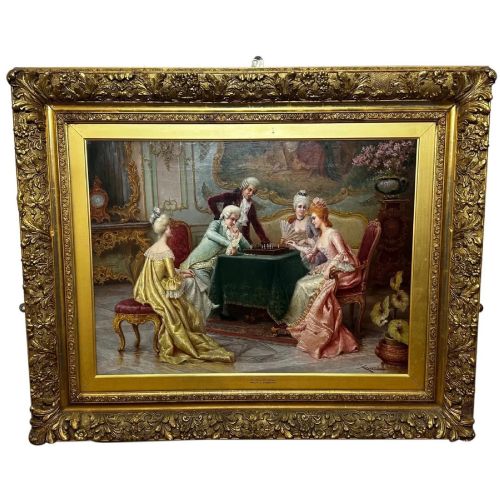
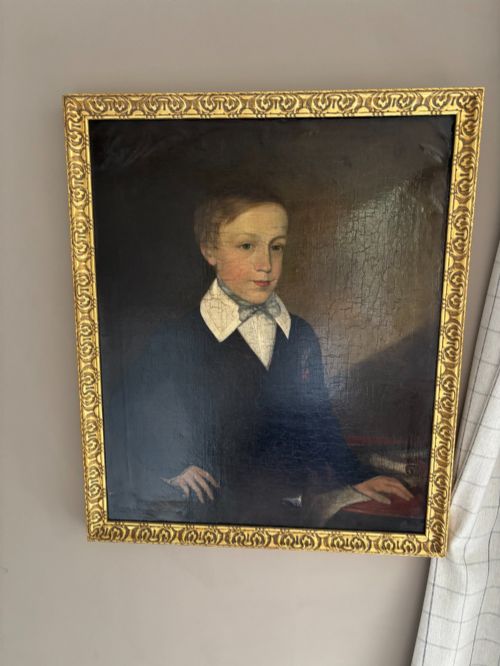
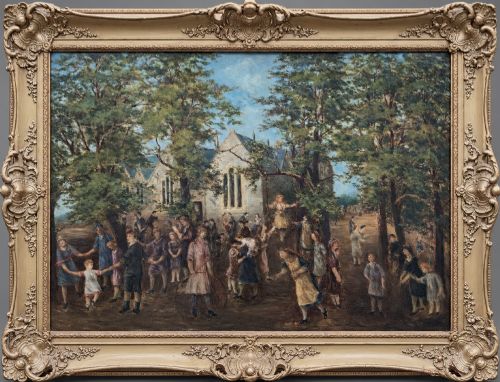
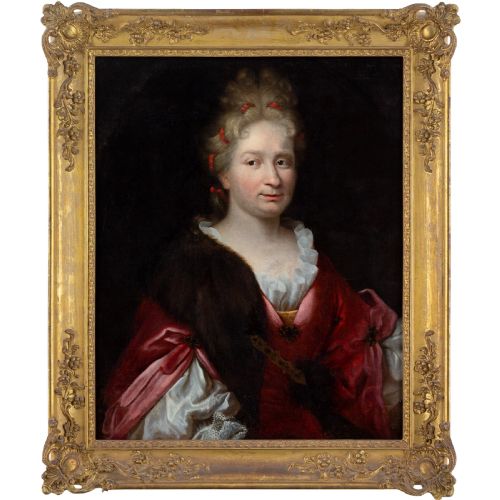
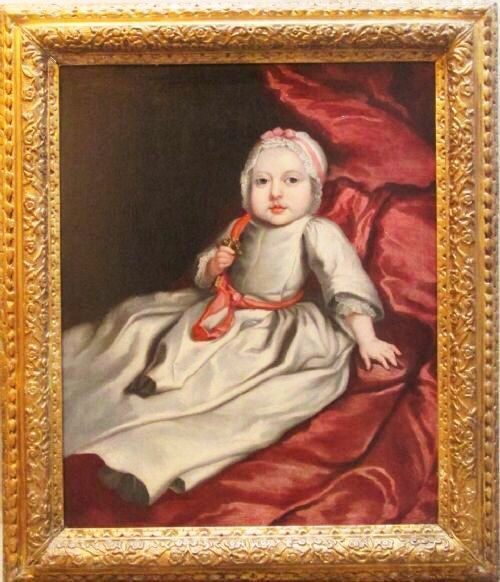
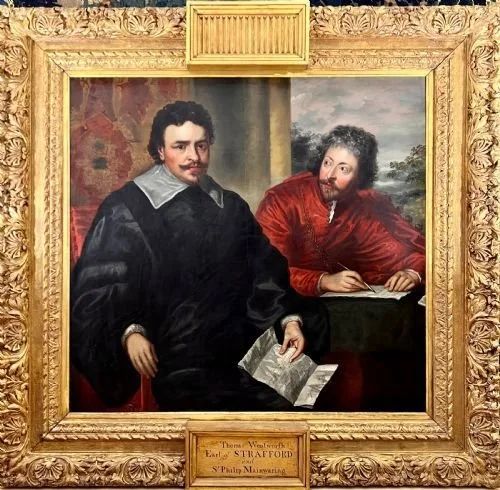
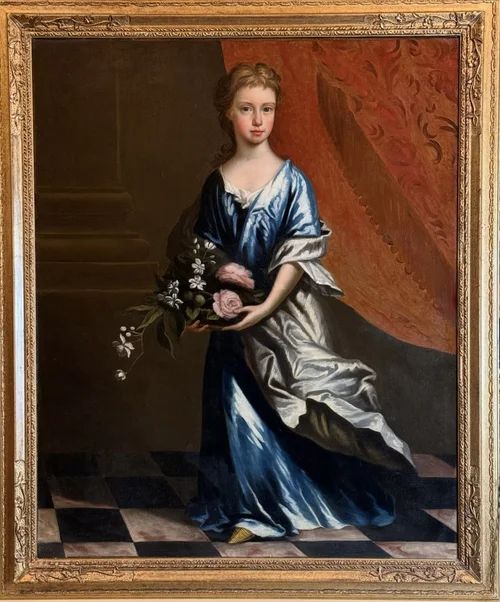
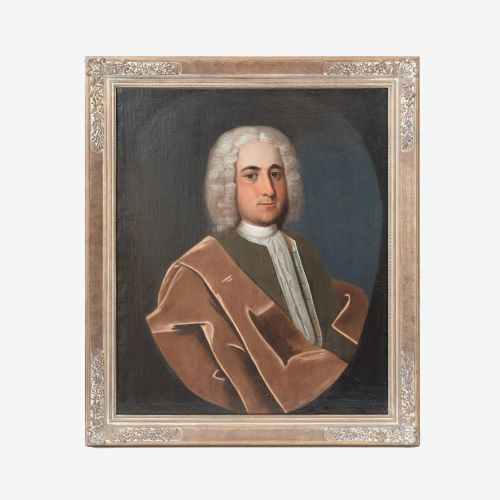
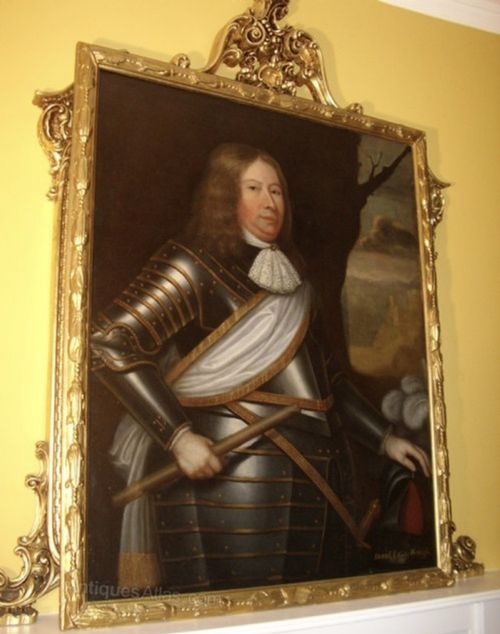
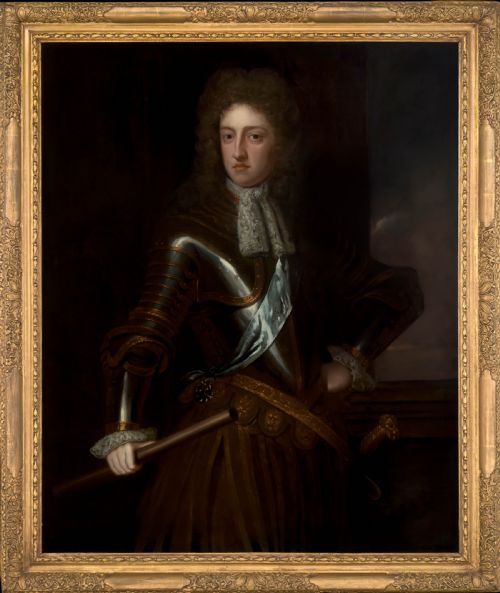
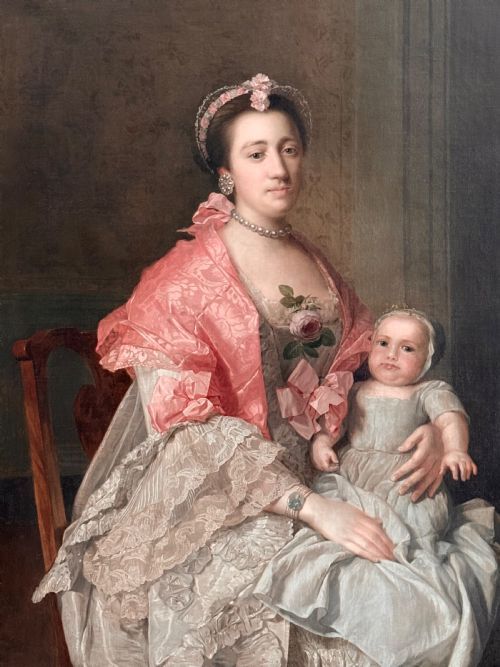
Period oil artwork spans from the sixteenth century through the Edwardian era, capturing the shifting aesthetic priorities of British, European, and Anglo-Dutch schools. These paintings frequently take the form of formal portraiture depicting noblemen, ladies, scholars, and children, alongside occasional village scenes and floral still lifes.
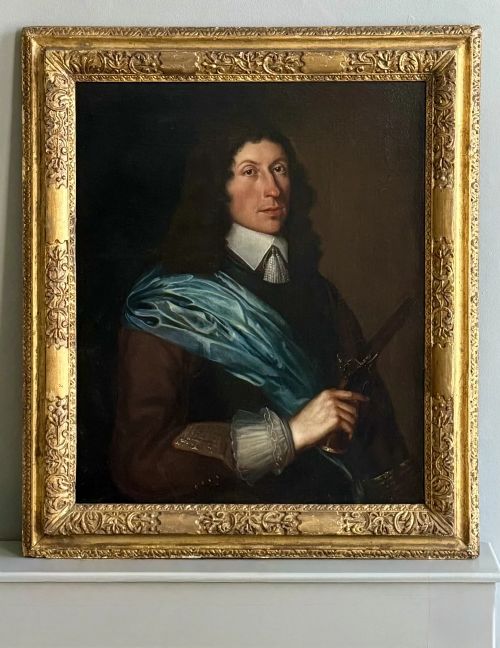
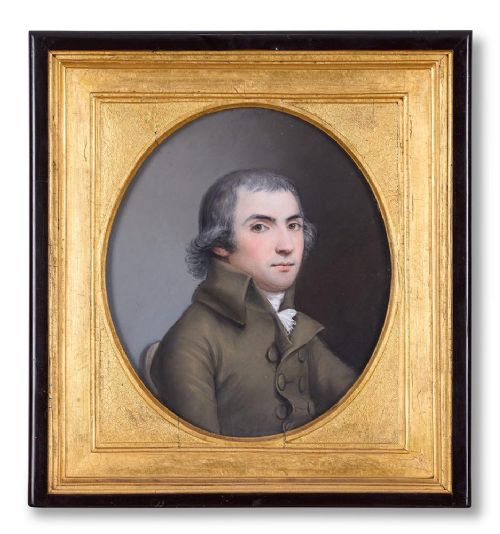
The works available here represent various historical designations, including Jacobean panel paintings, Baroque canvases, Georgian portraits, and Victorian genre pieces. Portraiture dominates the selection, ranging from intimate head studies to large-scale representations of figures associated with specific historical lineages.
Materials and Construction
Makers of period oil artwork utilised oil paint applied to woven canvas or prepared wood panels, supported by traditional wooden stretcher frames and boards. Ground layers and pigments were layered organically, sometimes accented with giltwood and gold leaf framing.
Execution methods varied according to regional schools and centuries, moving from the rigid detail of early panel works to the looser brushwork of later British and continental portraitists working within studio traditions.
Period Oil Artwork Retail Price Guide 2026
Typical asking prices for period oil artwork among the pieces listed under this phrase on Sellingantiques today, from the lower quarter to the upper quarter. They describe what is for sale here now, not the wider market.
Listings feature oil paintings spanning from the sixteenth century through the Edwardian period, executed on canvas, wood panel, and board.
Evaluating Quality
Quality in period oil artwork rests upon the skill of the brushwork, the anatomical accuracy of the figures, and the psychological depth captured in portrait subjects. Works emanating directly from established studio circles or identified hands display superior draftsmanship compared to anonymous provincial school copies.
The preservation of the original paint surface and the stability of the canvas or wood support heavily influence the integrity of the piece. Surviving frames, particularly period giltwood examples matching the age of the canvas, contribute further context to the overall standard of the object.
Anna Tonelli·Sir Godfrey Kneller·George F. Bird·Sir Peter Lely·David Scougall·Robert Byng·Trajan Hughes·Thomas Beach·Sir Allan Ramsay·Cornelius Johnson·Carlo Ferranti·Mary Beale·Joshua Reynolds·Alfred Lyndon Grace·John Michael Wright·Sir Anthony Van Dyck
The Period Oil Artwork Glossary
- Oil on Canvas
- A painting medium where pigments suspended in drying oils are applied to a stretched woven fabric support. This combination became the standard technique for European fine art from the Renaissance onward.
- Giltwood
- Wood carved and surfaced with a thin layer of gold leaf or metal powder. It appears frequently on the decorative frames enclosing period paintings.
- Wood Panel
- A rigid flat wooden support utilised for early paintings before canvas gained widespread use. Jacobean and sixteenth-century works were frequently executed on this substrate.
- Studio of
- A designation indicating a work produced by assistants or pupils working directly under the supervision of a master artist. Such pieces often replicate the style and compositions of the primary master.
- Circle of
- A term denoting an artist working closely alongside a known master, sharing similar techniques and aesthetic influences without being a direct pupil.
Period Oil Artwork: Frequently Asked Questions
How do I identify the age of an oil painting?
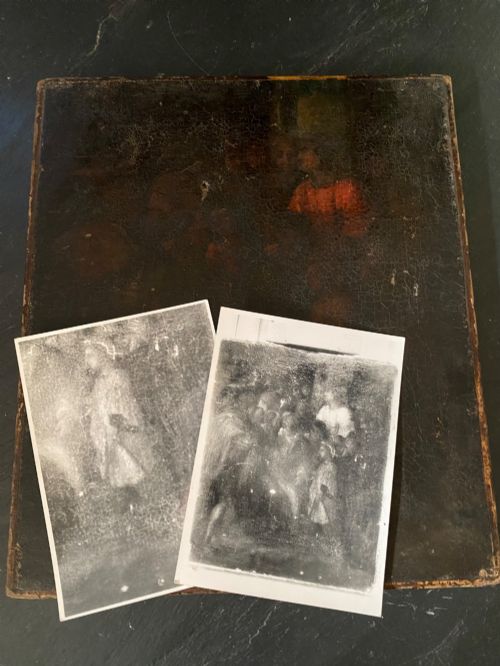
Age is typically indicated by the construction of the stretcher frames, the type of canvas weave, and the composition of the wood panel or ground layers. Infrared scans and historical documentation regarding the subject or costume provide further chronological markers.
Stylistic conventions, brushwork techniques, and signatures or inscriptions recorded on the reverse of the canvas also assist in placing the artwork within a specific century or school.
What is the difference between studio work and an original painting?
Works attributed to the studio of a master were executed by trained assistants under the direct oversight of that artist. These pieces often share identical compositions with known masterworks.
While primary masters painted key elements themselves, studio pieces reflect the collaborative workshop practices common in historical European art production.
How should I care for an antique oil painting?
Antique canvases and panels require stable indoor environments away from direct sunlight, high humidity, and rapid temperature fluctuations. These environmental controls prevent the paint layer from cracking or warping.
Cleaning and restoration should be left to professional conservators to avoid damaging fragile historical pigment layers and original varnishes.
Why do many period paintings depict unknown sitters?
Many historical portraits lost their recorded provenance over centuries of shifting ownership, estate sales, and re-framing. Sitters whose identities were not inscribed on the canvas or noted in family records became unverified figures.
Despite the missing identity, these portraits remain valued for their costume details, artistic merit, and representation of period social status.