


Period Oak Cupboard
A period oak cupboard brings centuries of honest grain and solid joinery straight into a modern room.
Period Oak Cupboard
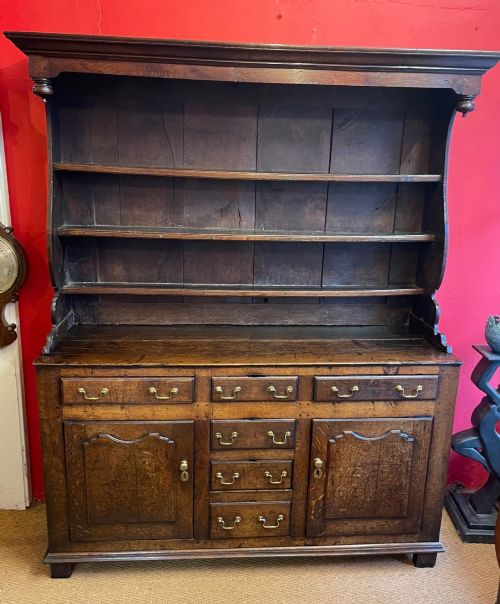
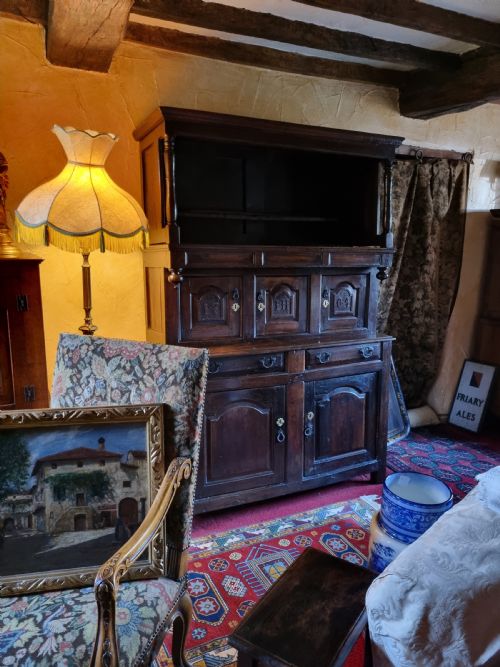
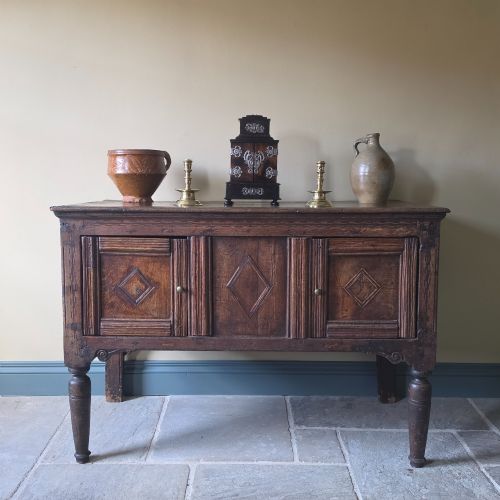
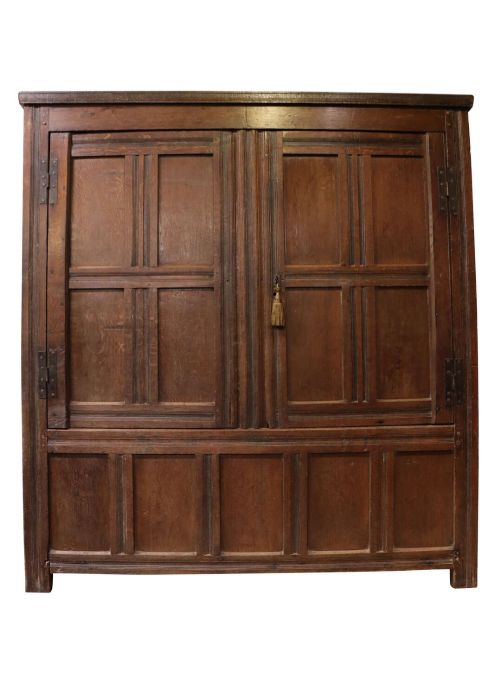
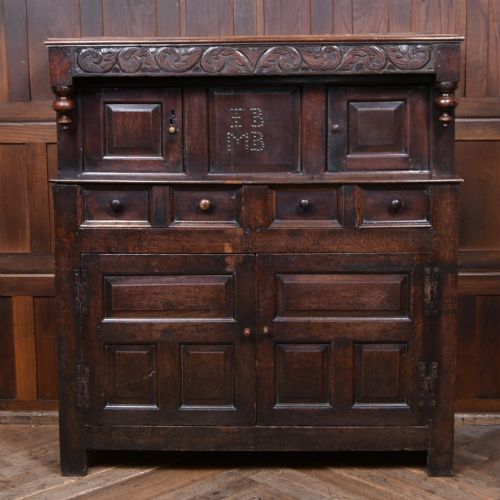
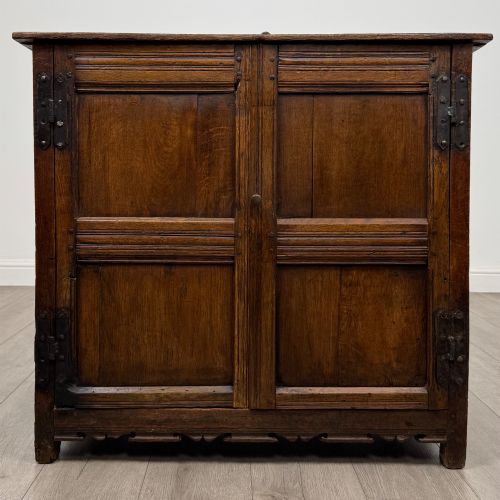
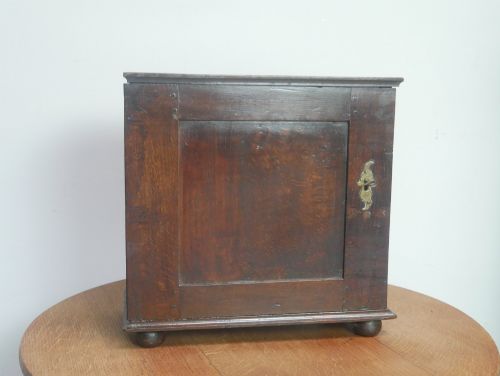
A period oak cupboard encompasses sturdy storage furniture designed across multiple centuries, ranging from compact spice boxes to large floor-standing corner cabinets and court cupboards. These pieces originate from distinct historical eras, including the seventeenth and eighteenth centuries, bearing the characteristic styles of the Georgian and Jacobean periods.
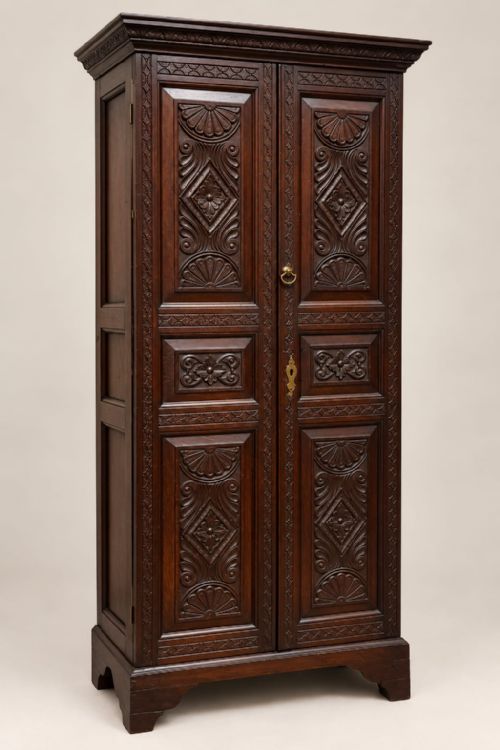
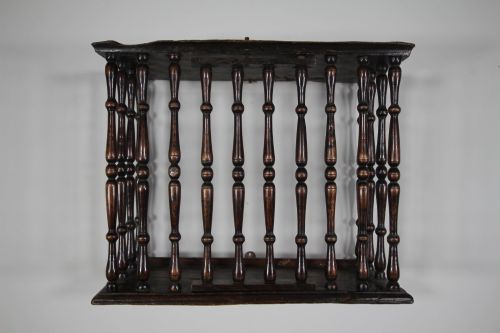
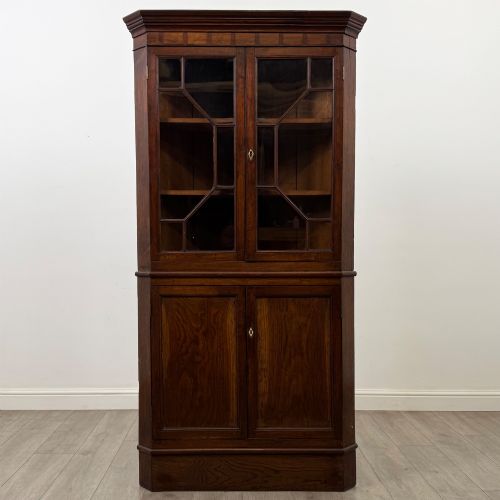
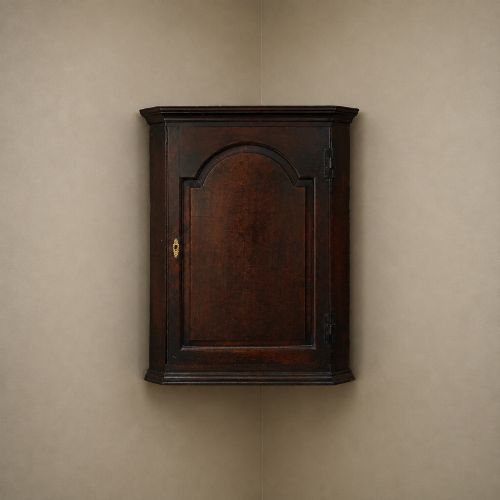
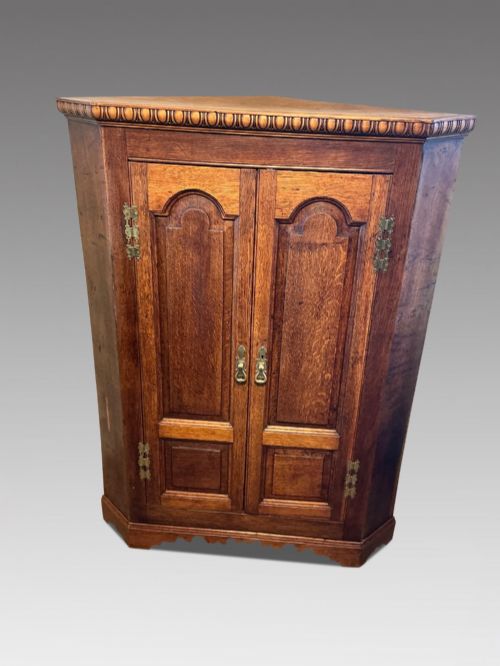
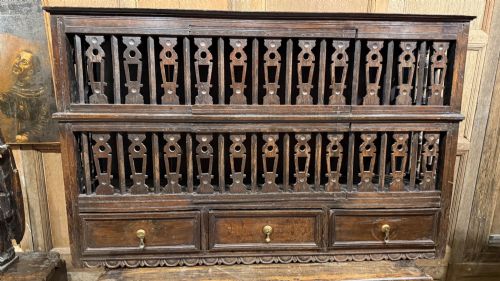
The versions most commonly met on this page are corner cupboards and wall-mounted cabinets shaped from solid timber. Many examples display regional English and provincial French craftsmanship, utilising traditional forms such as the food hutch, livery cupboard, and housekeeper's storage unit.
Buyers seek out these specific forms for their functional utility and robust timber construction. Whether standing alone in a hallway or mounted in a room corner, each item serves as a practical storage vessel built with enduring materials.
How they were made
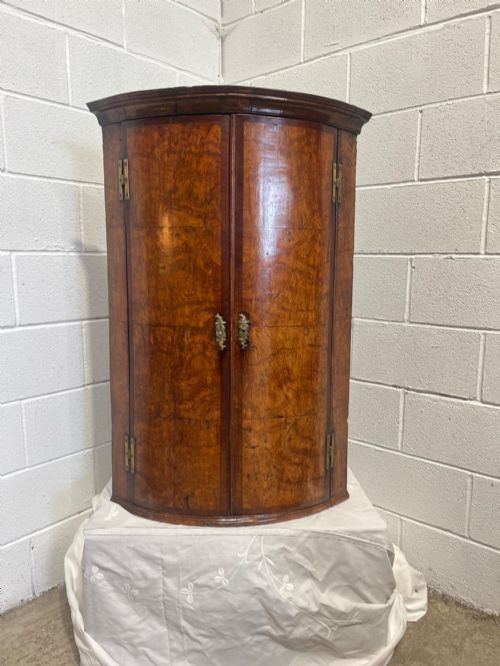
Makers built these pieces primarily from solid oak, frequently paired with secondary woods like pine and accented with burr oak veneers for decorative contrast. Structural integrity relied on heavy timber framing, tongue-and-groove paneling, and pegged joints rather than modern fasteners.
Hardware played a functional and visual role, incorporating brass escutcheons, hinges, and drawer pulls alongside forged iron fixtures and wrought iron latches. Glass panels also appeared on later cabinet doors, allowing visible display within corner units and wall-hanging units.
Period Oak Cupboard Retail Price Guide 2026
Typical asking prices for period oak cupboard among the pieces listed under this phrase on Sellingantiques today, from the lower quarter to the upper quarter. They describe what is for sale here now, not the wider market.
One remarkably deceptive piece hides an eighteenth-century close stool disguised precisely as a small bedside chest.
What varies in quality
Quality separates through the integrity of the timber selection and the precision of the original joinery. Pieces fashioned from closely grained burr oak or dense seventeenth-century heartwood demonstrate superior durability compared to later or more utilitarian iterations.
The refinement of surface carving and panel detailing distinguishes standard regional work from finer workshops. Original brass or iron hardware and unaltered backboards elevate the integrity of a surviving cabinet.
Harris Lebus
The Period Oak Cupboard Glossary
- Court cupboard
- A heavy, formal two-tier sideboard or storage cabinet originating in the sixteenth and seventeenth centuries, often featuring carved upper tiers.
- Livery cupboard
- A traditional standing cupboard used historically for storing food, candles, or small household provisions away from damp floors.
- Corner cabinet
- A storage unit specifically constructed with an angled back to fit neatly into the corner of a room, maximising floor space.
- Spice cupboard
- A small wall-mounted box containing multiple internal drawers designed for storing valuable culinary ingredients and dried herbs.
Period Oak Cupboard: Frequently Asked Questions
How were corner cupboards used?
Corner cupboards were designed to utilise unassigned room angles efficiently, storing household china, glassware, or provisions behind panelled doors. Wall-hanging versions kept everyday items elevated and accessible.
Larger floor-standing variants provided substantial enclosed shelving for domestic organisation in hallways, dining rooms, and parlours.
How do I live with one?
Living with these pieces involves placing them away from direct heat sources and drastic humidity changes to protect the solid timber. Regular gentle dusting preserves the natural grain and aged surface patina.
Their robust construction allows them to serve as practical storage furniture in contemporary kitchens, living rooms, and reception halls.
How do I tell periods apart?
Distinguishing between periods relies on observing construction techniques, hardware types, and stylistic decorative motifs. Seventeenth-century examples often feature heavy panelled oak and pegged joints, while Georgian pieces frequently exhibit refined proportions and brass fittings.
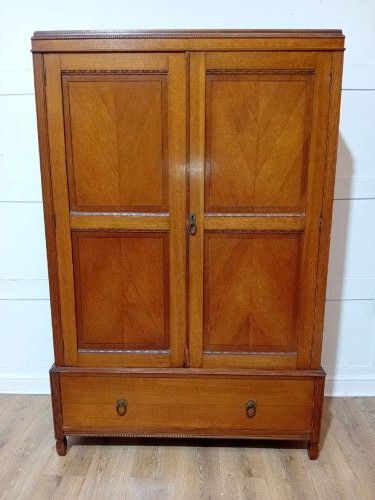
Later Victorian and Edwardian interpretations introduce alternative formats like compactums and fitted office cabinets while retaining traditional oak materials.