



Period Mantel Mirror
A period mantel mirror anchors a room above the hearth, bringing light and scale to a traditional interior.
Period Mantel Mirror
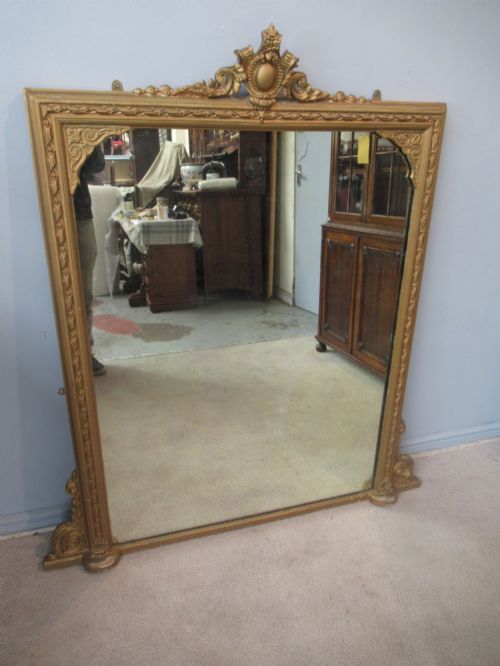
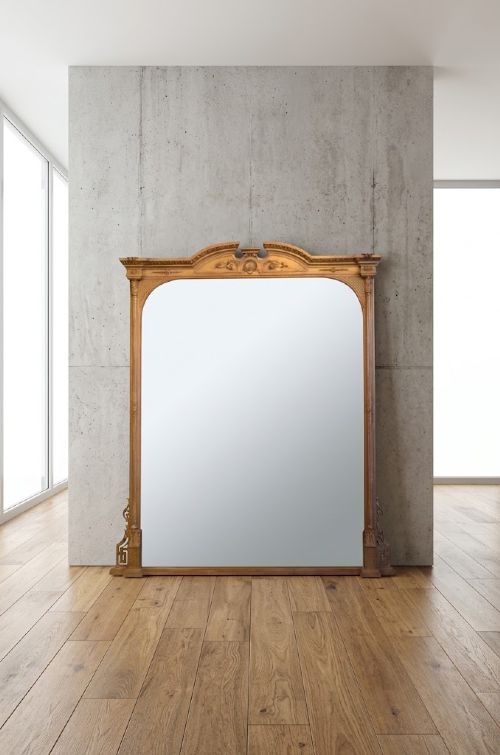
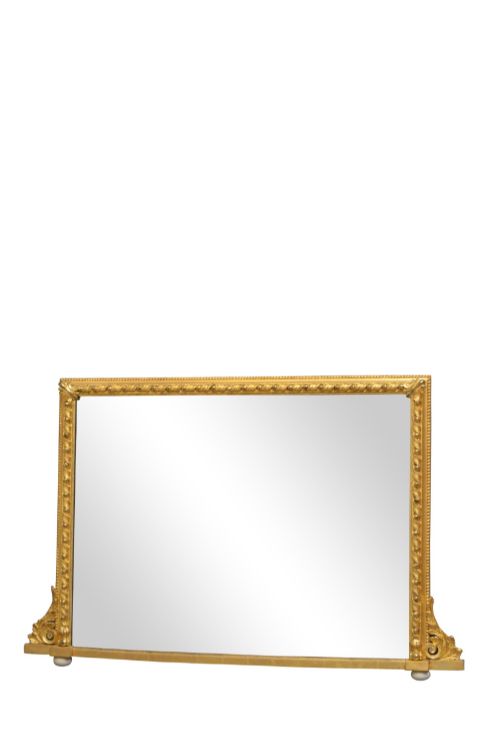
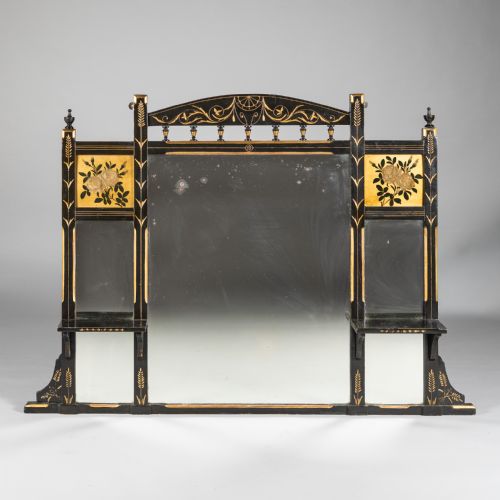
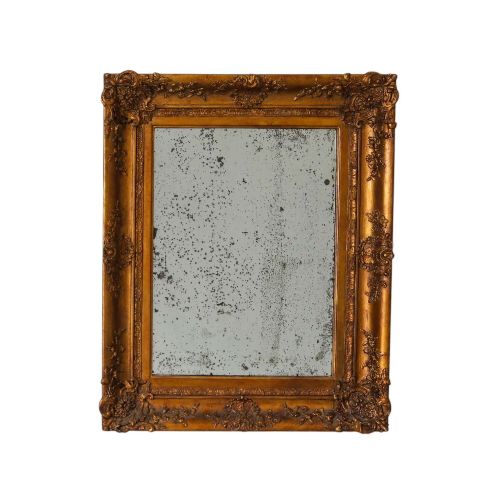
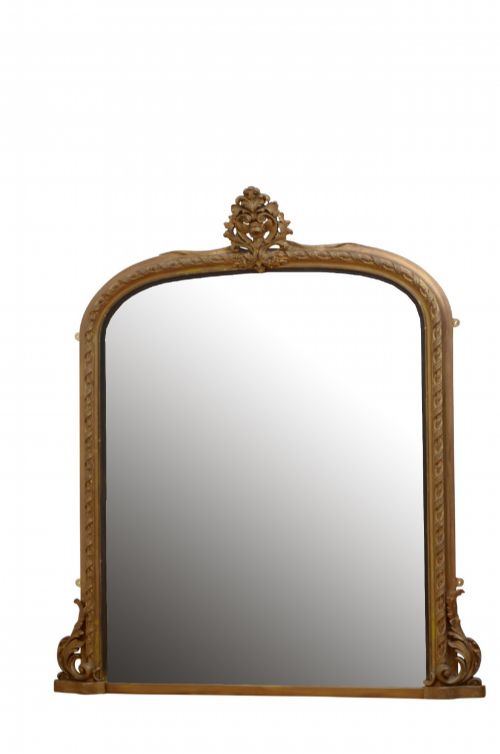
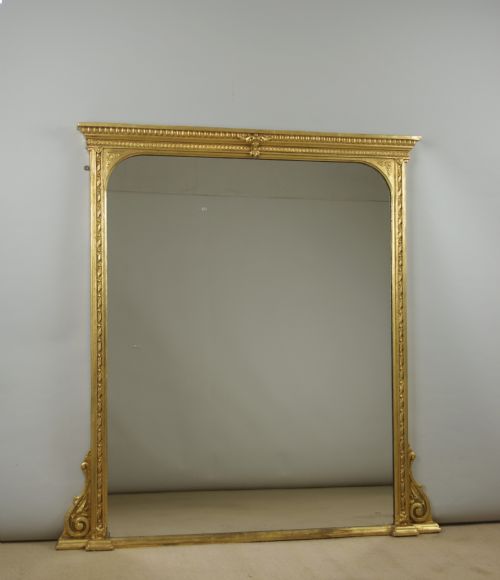
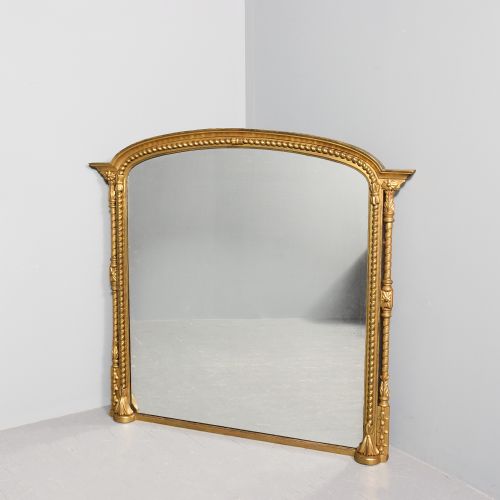
A period mantel mirror is typically designed to sit above a fireplace, taking the form of a wide overmantel or a tall pier glass. The selection draws primarily from the nineteenth century, including Victorian and Regency examples alongside earlier eighteenth-century designs.
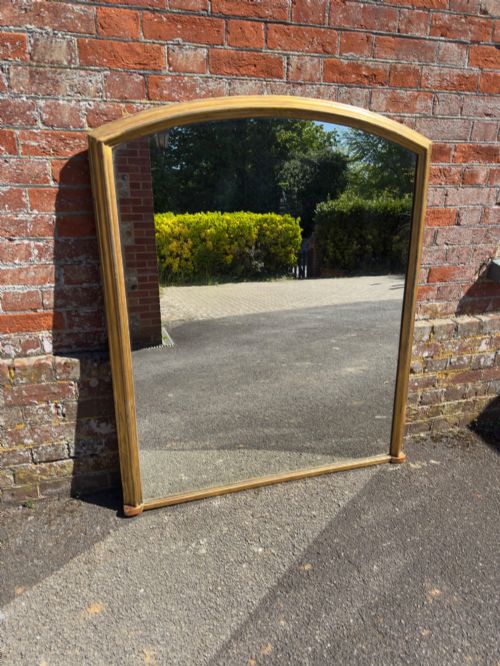
Most pieces function as overmantel mirrors, shaped to span the width of a chimney breast. Alongside these grander wall mirrors, the range includes rectangular, oval, and arched formats framed in wood or gilt.
How they were made
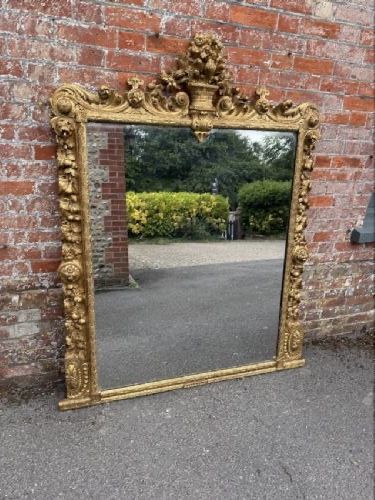
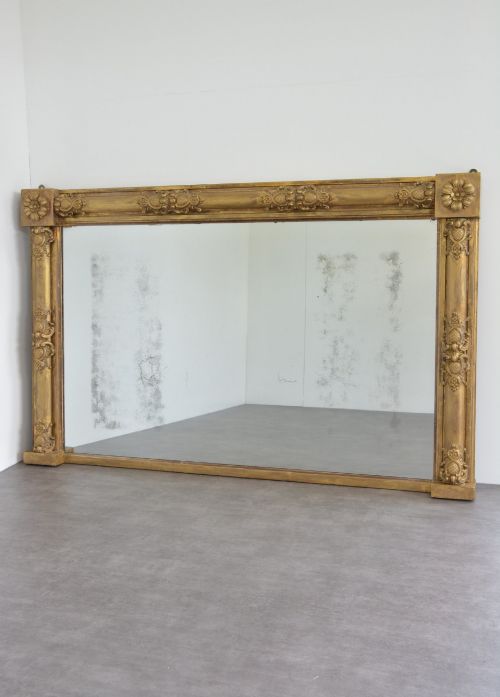
Frames are constructed from timbers such as mahogany, oak, walnut, and birds eye maple, often finished with gesso, gold leaf, or oil gilding. Composition ornament is frequently applied to wood substrates to create crisp relief details.
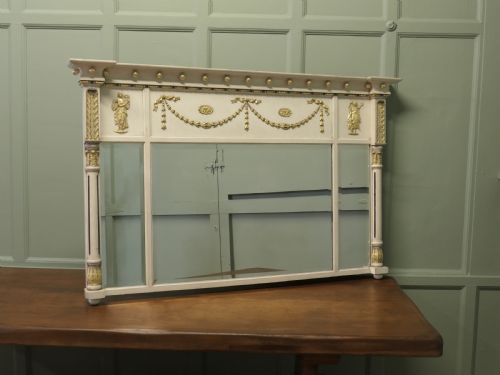
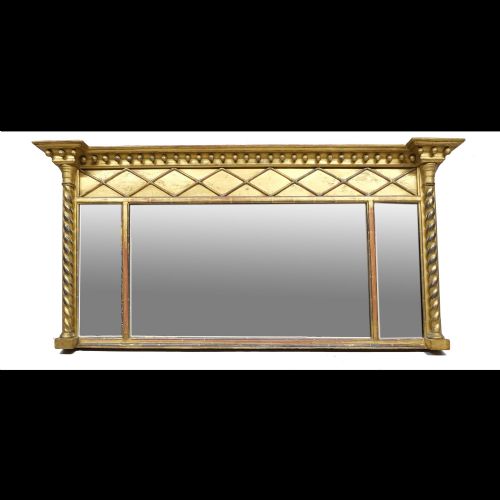
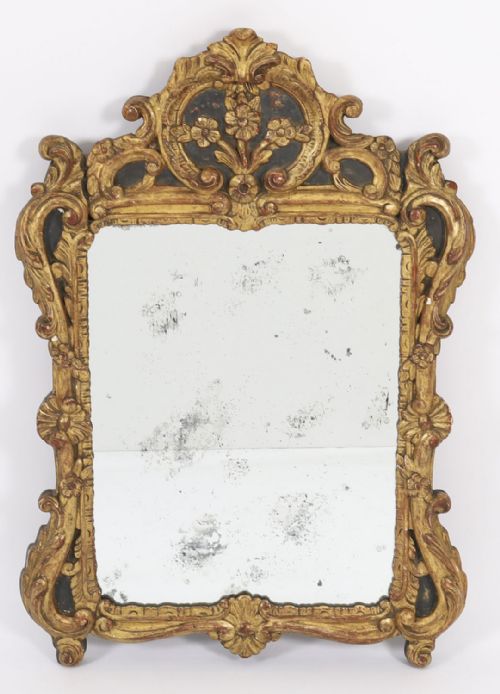
Mirror plates include early mercury glass and original silvered or foxed glass. Triple plate configurations and carved wood elements appear across Regency and Victorian workshops.
Period Mantel Mirror Retail Price Guide 2026
Typical asking prices for period mantel mirror among the pieces listed under this phrase on Sellingantiques today, from the lower quarter to the upper quarter. They describe what is for sale here now, not the wider market.
Listings span the eighteenth, nineteenth, and early twentieth centuries, featuring Regency, Victorian, and Arts and Crafts styles.
What varies in quality
Quality rests in the depth of the carving and the integrity of the gilding, where hand-applied gold leaf differs from later painted surfaces. The survival of original mirror plates with natural foxing adds character and authenticity.
Proportion and structural joinery dictate the presence of a piece, distinguishing grand architectural frames from simpler domestic mirrors.
The Period Mantel Mirror Glossary
- Overmantel mirror
- A large mirror specifically designed to hang or stand upon the mantelpiece above a fireplace. These pieces often feature wide horizontal proportions to match the hearth below.
- Giltwood
- Wood that has been coated with a thin layer of gold leaf or gold paint. This technique creates a luminous surface common on formal frames.
- Foxed glass
- Mirror glass showing spots and discoloration caused by the degradation of the backing over time. Collectors prize this aged appearance for its soft reflection.
- Mercury plate
- An early type of mirror glass backed with a tin and mercury amalgam before the invention of modern silvering. It yields a distinctive, deep, and slightly distorted reflection.
- Gesso
- A plaster-like mixture applied to wood frames to provide a smooth base for gilding and intricate moulded decoration. It allows for sharp relief work.
Period Mantel Mirror: Frequently Asked Questions
Where should a mantel mirror hang?
A mantel mirror traditionally rests directly on the mantel shelf or hangs securely on the wall just above the fireplace opening.
Positioning the glass at this height reflects natural light around the room and balances the visual weight of the hearth structure below.
How do I identify a Regency mirror?
Regency mirrors often display classical motifs such as laurel wreaths, reeded columns, and ball-accented cornices. The frames are typically gilded wood and reflect the neoclassical tastes of the early nineteenth century.
Proportions tend to be architectural, with clean lines and disciplined ornamentation that distinguish them from later Victorian exuberance.
What is foxed glass?
Foxed glass refers to mirror plates that have developed dark spots and silvery patches as the reflective backing ages. This natural oxidation occurs over decades of exposure to air and moisture.
Many buyers seek out original foxed plates because they offer a gentle, historic reflection rather than the stark clarity of modern glass.
Can these mirrors be hung safely?
These heavy frames require robust wall fixings anchored directly into structural studs or masonry. Overmantel mirrors often combine substantial wood construction with thick glass plates.
Professional installation ensures the weight distributes correctly across the wall structure while supporting the base on the mantel shelf if required.