

Period Mahogany Tallboy
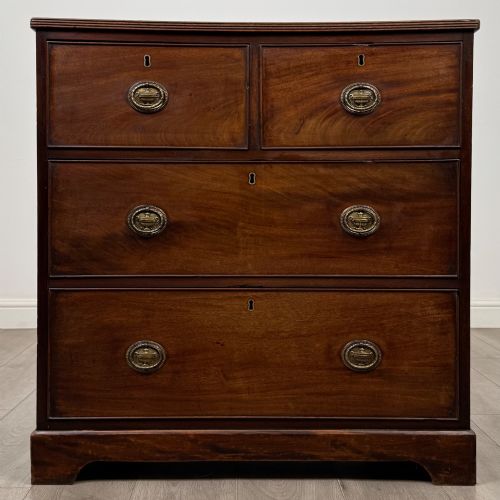
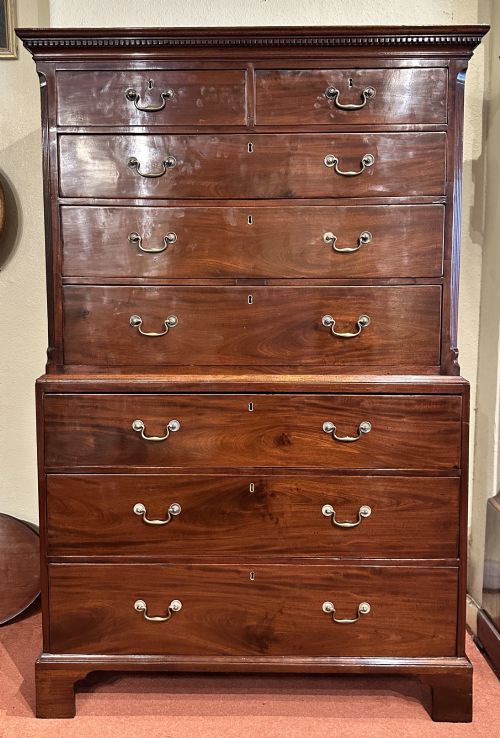
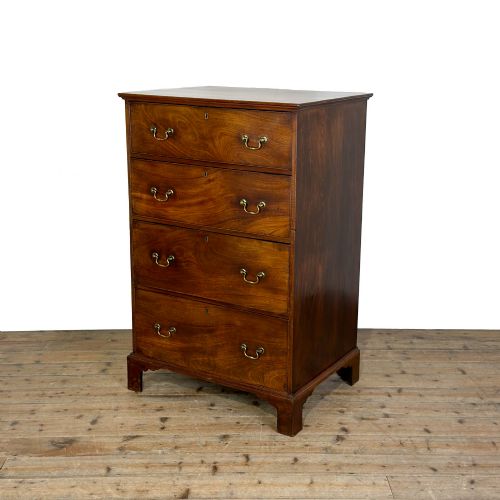
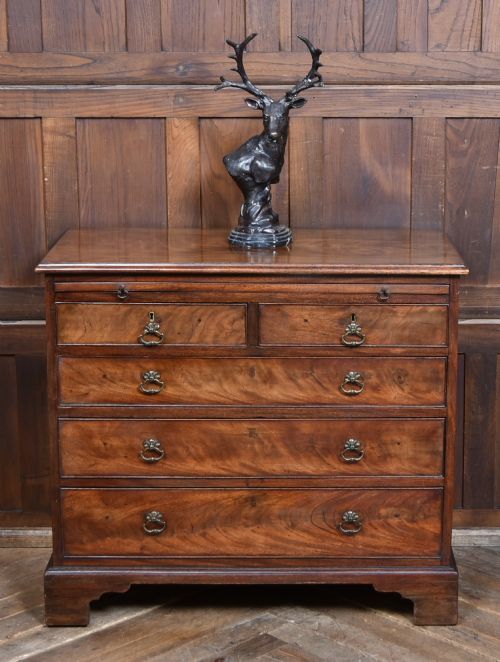
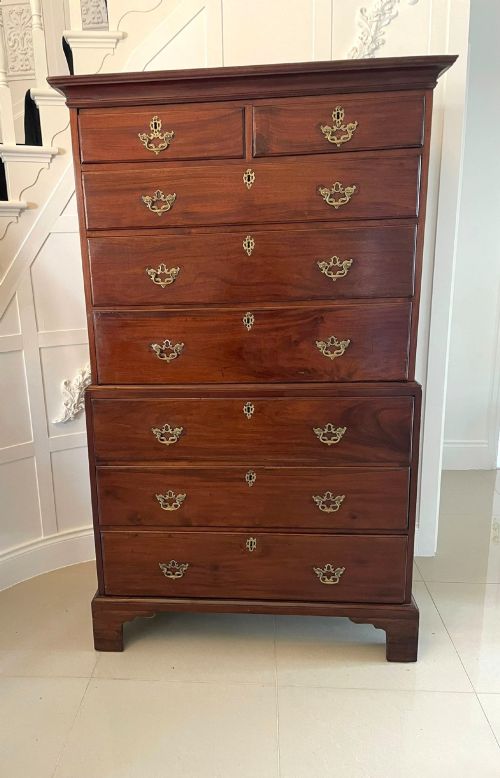
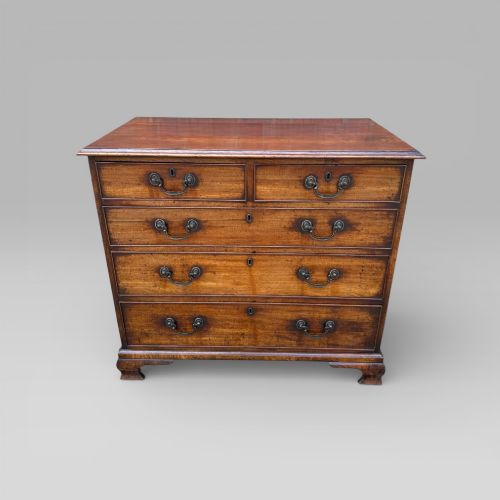
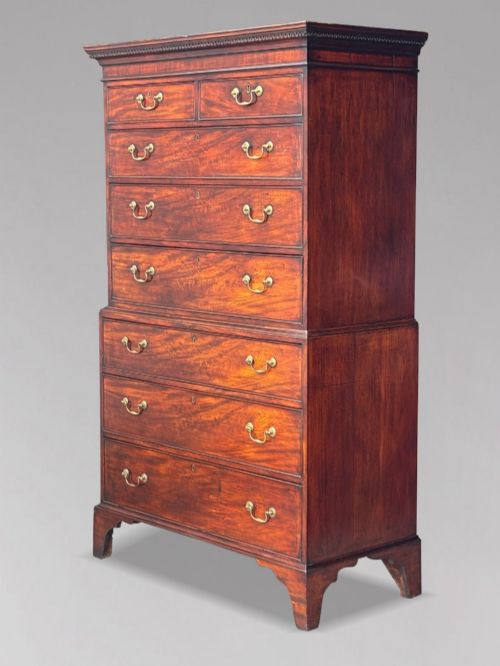
A period mahogany tallboy stands as a commanding storage solution, offering deep proportions and rich timber grain that elevate traditional interiors.
Period Mahogany Tallboy
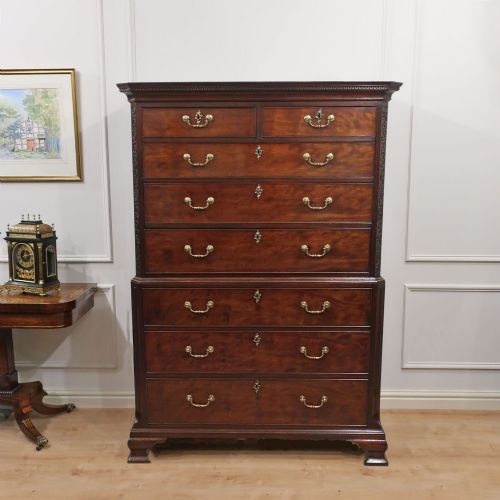
A period mahogany tallboy combines robust vertical storage with the refined timber tones of the Georgian and Chippendale eras, presenting stacked drawer configurations designed for domestic utility. Buyers encounter these grand pieces as tall chests on chests or stately single carcases spanning the eighteenth and nineteenth centuries.
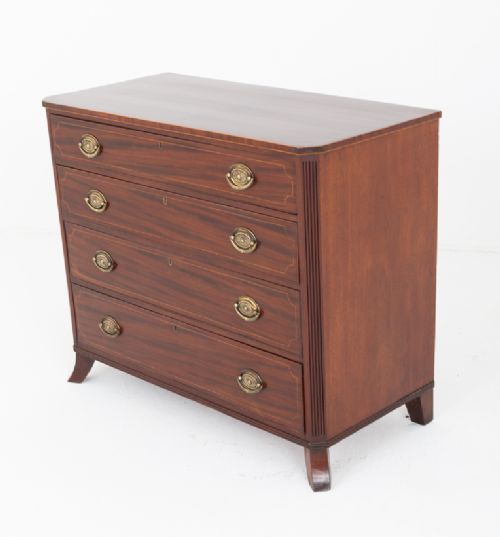
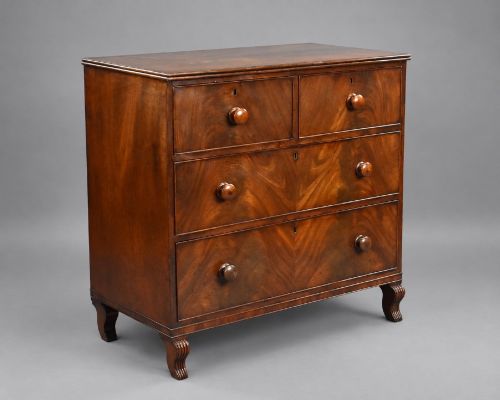
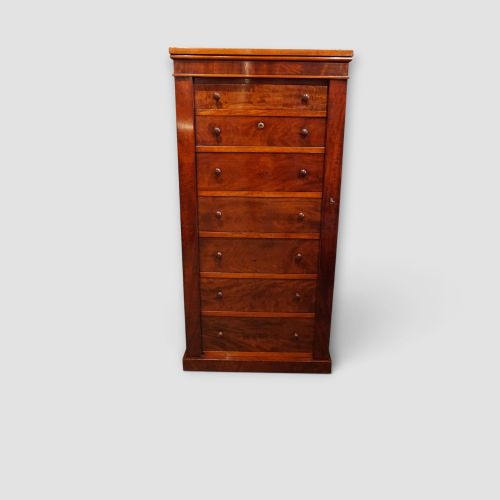
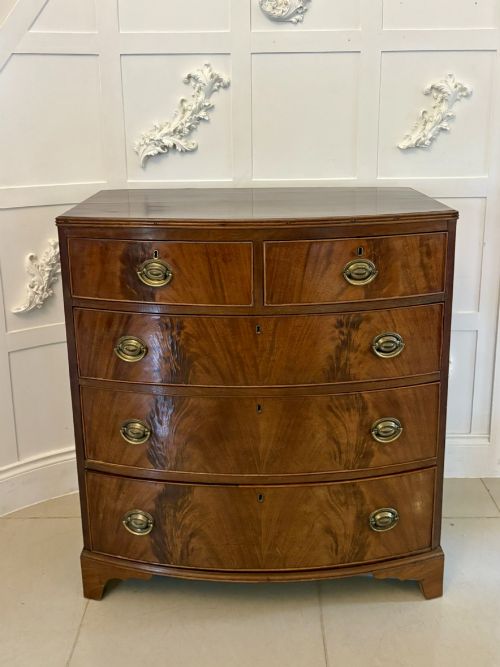
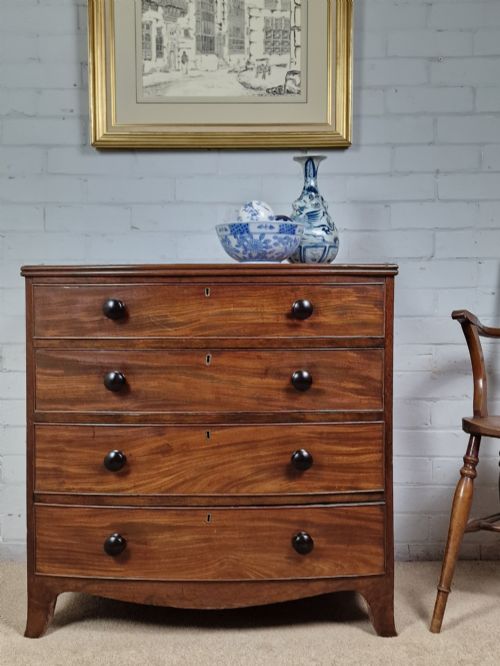
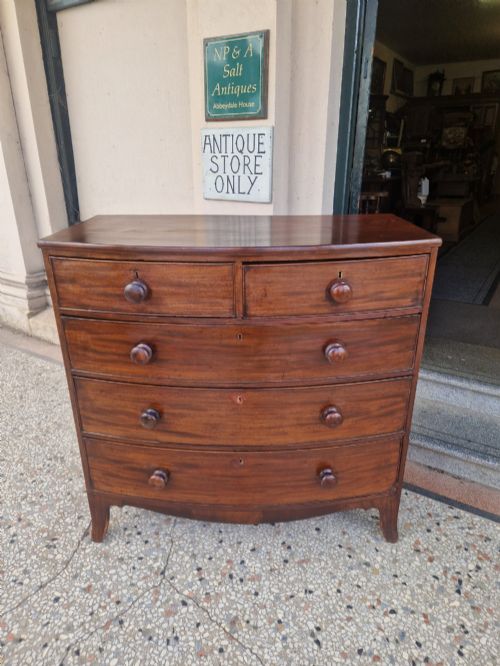
The selection here includes related forms such as compact miniature furniture, bow fronted chests, and secretaire bookcases, reflecting the diverse cabinet-making output of the period. Georgian and Regency examples dominate the grouping, showing the enduring appeal of dense tropical hardwoods shaped by early workshop traditions.
Tallboys serve as principal bedroom or landing furniture, providing substantial compartmentalised storage without occupying excessive floor space. Their architectural proportions and tiered construction anchor a room, presenting a formal silhouette shaped by historical joinery methods.
Construction and Materials
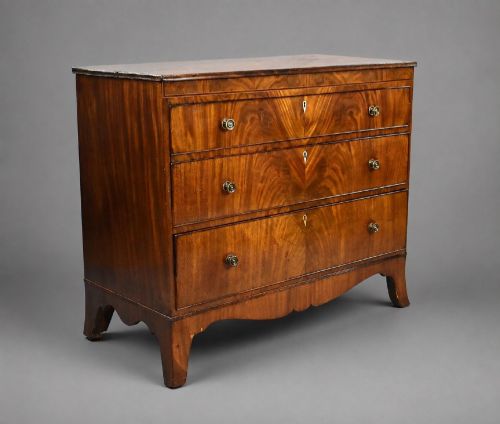
Cabinet makers constructed these pieces primarily from solid mahogany and flame mahogany veneer, supported internally by secondary timbers such as oak, pine, and deal. Workshops selected dense grain patterns for primary visible surfaces while applying structural framing in more utilitarian woods to maintain stability across large carcases.
Joinery relied on hand-cut dovetails for drawer construction and pegged mortise and tenon frames to bear the weight of stacked sections. Drawer linings frequently feature oak or pine, fitted with original brass hardware, bone escutcheons, and sliding locks operated by working keys.
The inventory records miniature furniture alongside full-scale chests of drawers, secretaire bookcases, and linen presses.
Evaluating Quality
Quality rests in the selection of figured timber and the precision of the cabinet work, particularly in how flame mahogany veneers align across drawer fronts. Superior examples exhibit continuous grain matching, crisp carved cornices, and intact bracket feet or original ogee plinths.
Internal architecture distinguishes finer workshops, demonstrated by secondary timber choices, hand-dovetailed drawer boxes, and smoothly running runners. The retention of original brass handles, locks, and patinated surfaces marks the difference between standard utility pieces and high workshop productions.
J Moorcroft·Gillows of Lancaster
The Period Mahogany Tallboy Glossary
- Tallboy
- A tall chest of drawers, often constructed as one chest stacked upon another to maximise vertical storage. These pieces divide into upper and lower sections for transport.
- Chest on chest
- An alternative term for a tallboy, denoting two distinct cabinet sections joined vertically. The top section typically sits upon a slightly wider base.
- Flame mahogany veneer
- A decorative sheet of timber sliced from wood where branches meet the main trunk, creating a dramatic, flickering grain pattern. Cabinet makers applied these veneers to primary drawer fronts.
- Secretaire
- A cabinet or drawer fitted with a fold-down writing flap revealing inner small drawers and pigeon holes. This dual-purpose form combines storage with a compact writing surface.
- Bracket foot
- A structural foot supporting the corners of case furniture, formed by two mitred pieces of wood shaped in an arch or ogee profile. These feet lift the carcase off the floor.
Period Mahogany Tallboy: Frequently Asked Questions
How do I move a tallboy?
Tallboys separate into two distinct sections, an upper and a lower carcase, which simplifies transport and manoeuvring through doorways. Lift the top section off the base before moving any timber.
Remove all drawers beforehand to reduce weight and protect internal runners from shifting during transit.
What is the difference between a tallboy and a chest on chest?
These terms refer to the same form: a tall chest built in two stacked sections designed to maximise vertical storage. Cabinet makers and dealers use both names interchangeably.
Regional preferences and historical records dictate which term appears on a listing, but the construction remains identical.
How should I care for mahogany furniture?
Keep timber pieces away from direct sunlight and heat sources to prevent the mahogany veneer from drying out or splitting. Maintain a stable room temperature to protect the antique wood.
Dust regularly with a dry cloth and apply natural beeswax sparingly to preserve the depth of the finish.
Where were tallboys placed in period homes?
Bedrooms and dressing rooms housed these tall storage units to hold linens, garments, and personal accessories. Their vertical build suited rooms with limited floor space.
Grand hallways and landings also accommodated tall storage pieces to display fine timber grain to arriving guests.