

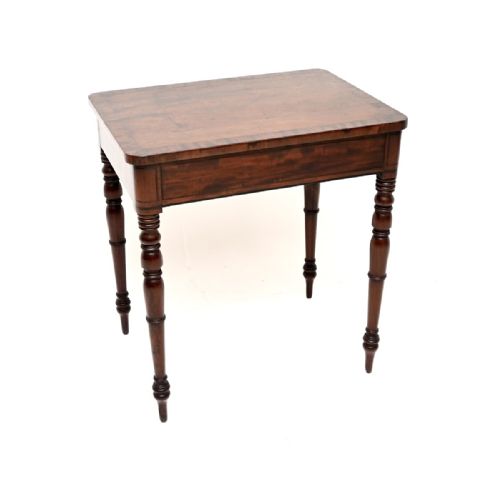
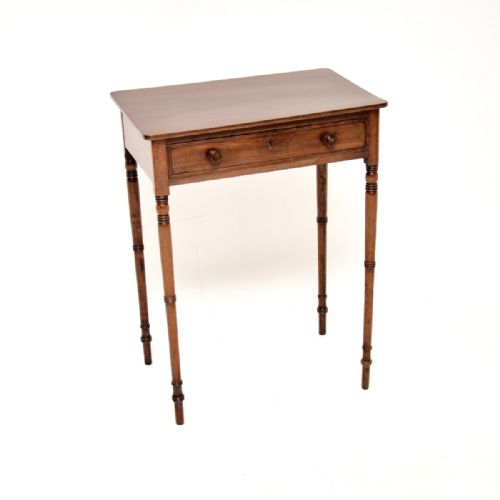
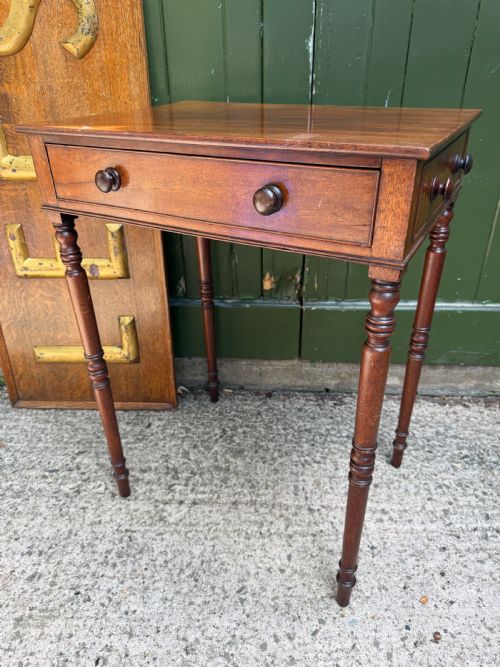
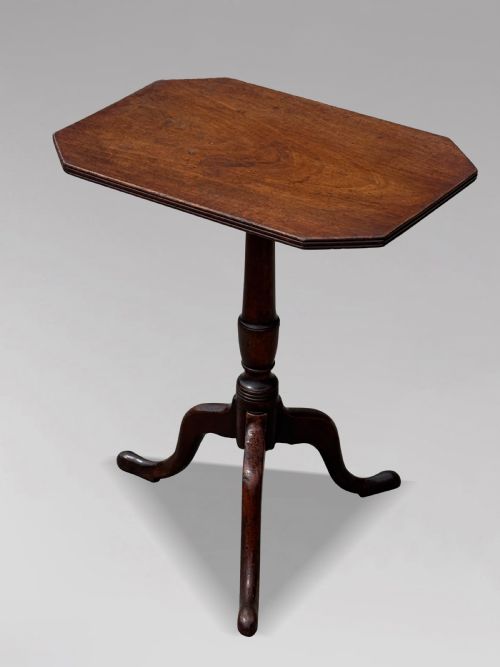
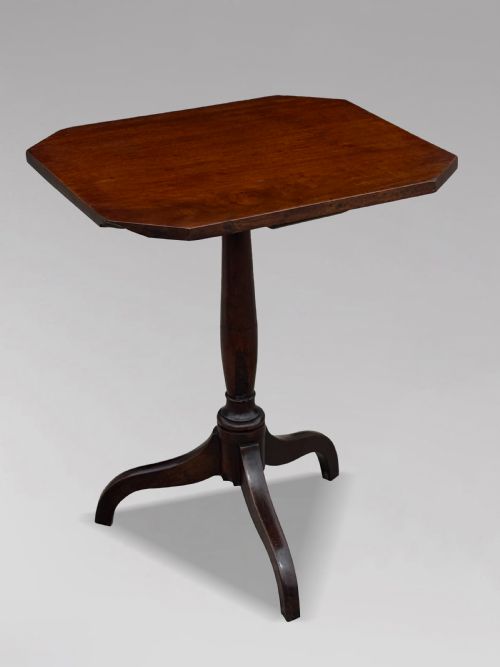
Period Mahogany Occasional Table
When you seek a period mahogany occasional table, you find a versatile piece of furniture designed for movable utility and refined surface space in a traditional interior.
Period Mahogany Occasional Table
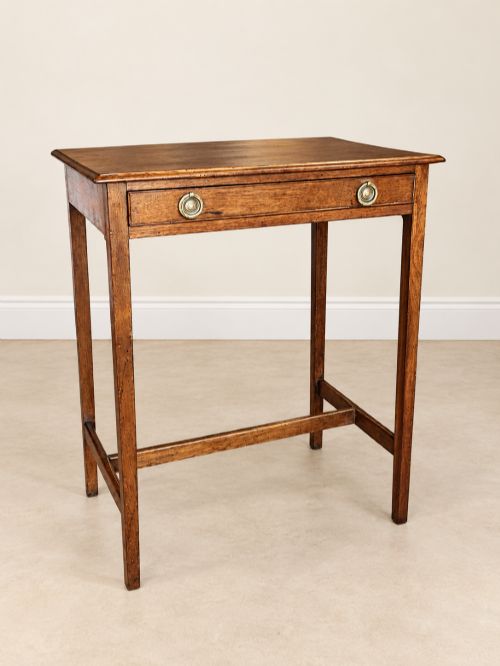
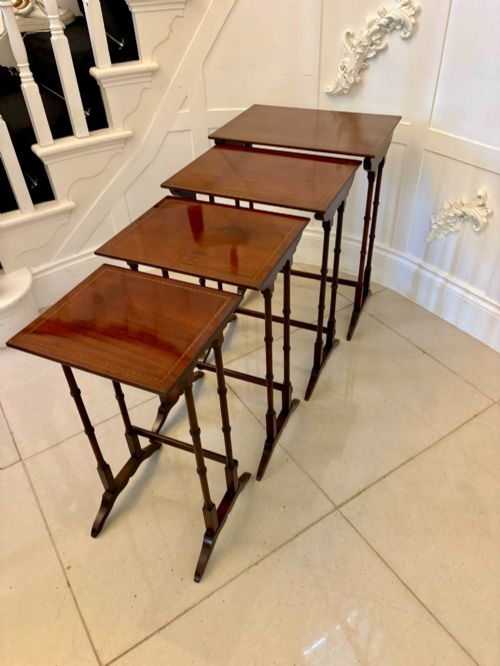
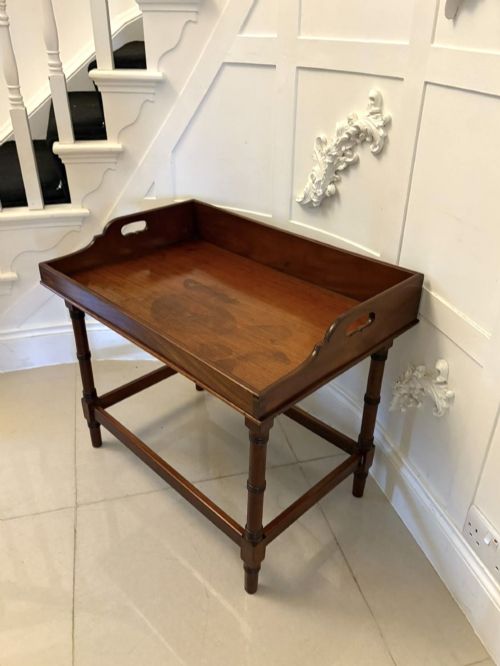
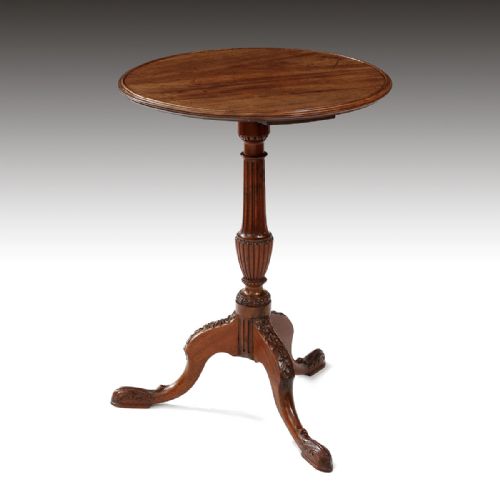
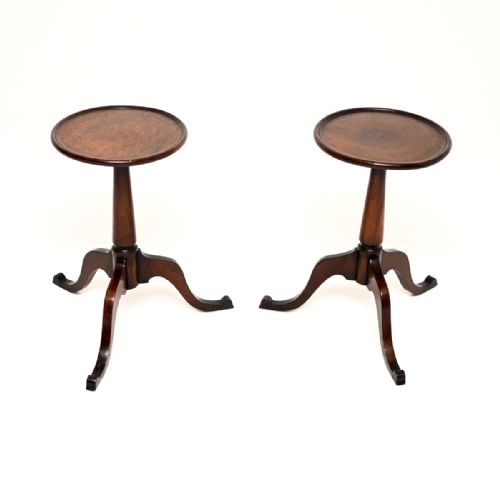
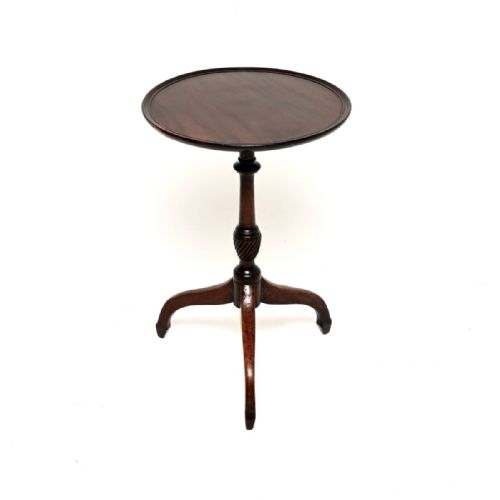
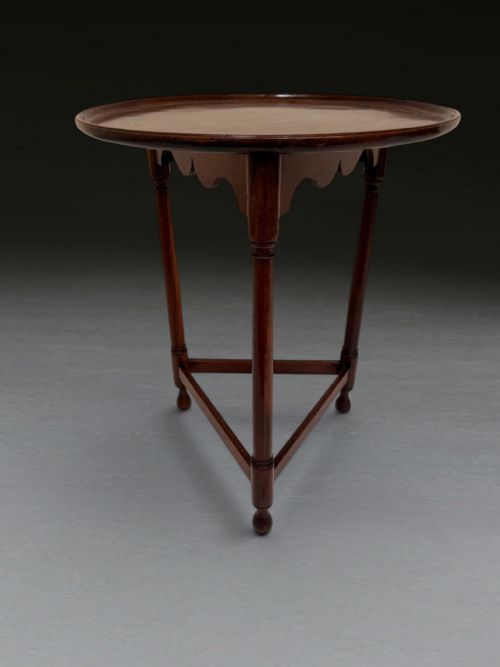
A period mahogany occasional table encompasses small movable stands produced across the eighteenth and nineteenth centuries, spanning George III, Regency, and Edwardian eras. These surfaces include tripod wine tables, pembroke tables with drop leaves, and nesting sets designed to be moved easily around a room.
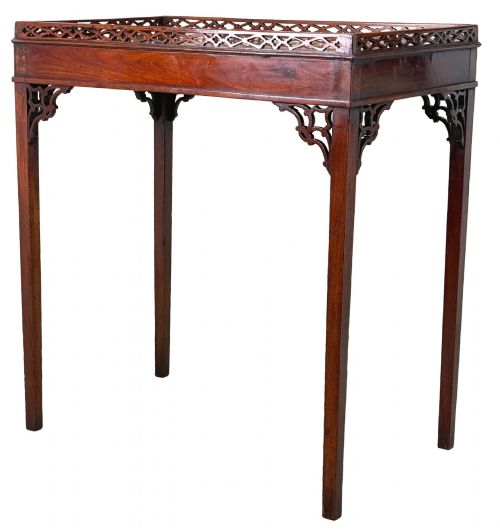
The most common examples on this page date from the Georgian and Regency periods, utilising rich timber and compact proportions to serve beside seating or in corners. Buyers select them for their adaptability as lamp stands, work tables, or silver tables within period spaces.
Materials and Technique
Cabinetmakers relied primarily on solid mahogany and flame veneers, frequently enhanced with contrasting stringing in boxwood or satinwood. Structural integrity relied on traditional joinery, such as mortise and tenon frames or birdcage mechanisms on tilt-top tripod bases.
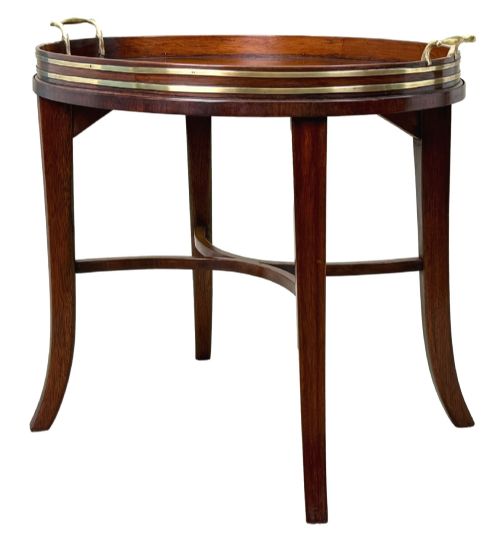
Decorative embellishments included brass bound edges, inlaid marquetry, and carved pie-crust or snap-top borders. Surfaces were finished with hand-applied polish that brought out the deep grain patterns inherent to the timber.
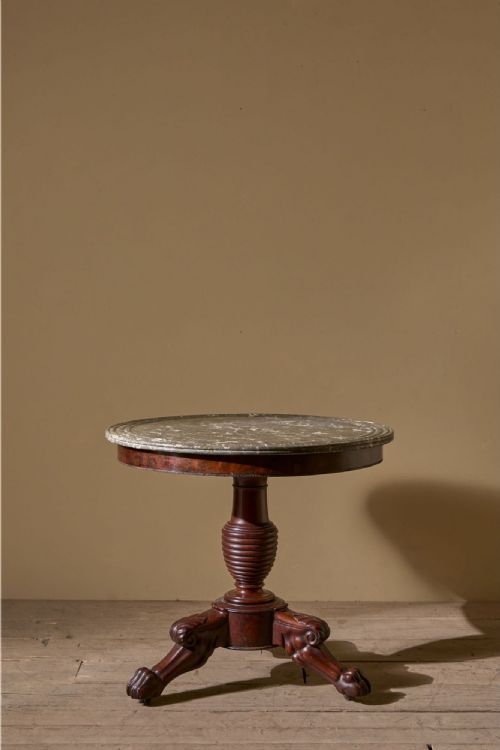
Listings span from the 18th century through the Regency, Victorian, and Edwardian periods, utilising materials like rosewood, satinwood, and grey marble alongside primary mahogany.
Assessing Quality
Quality rests upon the selection of timber, the crispness of any carving, and the fidelity of the proportions. Finer examples display carefully matched veneer grains and slender, well-balanced pedestals rather than heavy or utilitarian framing.
The sophistication of secondary details, such as original brass fittings, subtle stringing, and smooth mechanical action on drop leaves or tilting tops, distinguishes exceptional workshop output from standard domestic furniture.
Gillow
The Period Mahogany Occasional Table Glossary
- Tripod table
- A small stand supported by a central pillar above three spreading legs. These tables often feature tilt mechanisms to save space when not in use.
- Pembroke table
- A drop-leaf table with hinged flaps on opposing sides, introduced during the eighteenth century for breakfast or occasional writing use.
- Snap-top table
- A table with a hinged top that locks flat for use and tilts vertically for storage against a wall.
- Stringing
- Thin inlay lines of a contrasting timber, such as boxwood or satinwood, used to edge panels and table tops.
- Gueridon
- A small circular table or stand, often featuring a marble top or decorative pedestal influenced by continental designs.
Period Mahogany Occasional Table: Frequently Asked Questions
Where should I place an occasional table?
These pieces suit placement beside armchairs, beside sofas, or in unused corners to hold lamps and small decorative objects.
Because of their movable nature, they transition easily between rooms depending on daily requirements.
How do I care for a mahogany surface?
Maintain the finish by dusting with a dry cloth and applying natural beeswax periodically to nourish the wood.
Keep tables away from direct heat sources and strong sunlight to prevent the timber from drying out or fading.
What is the difference between a wine table and a lamp table?
Wine tables traditionally featured small circular tops designed to hold glasses securely during evening gatherings.
Lamp tables emerged later as portable stands sized specifically to accommodate lighting fixtures next to seating.
How can I identify a tilt-top mechanism?
Tilt-top tables utilise a catch or block beneath the surface allowing the top to pivot upright against the central column.
This clever design enabled the furniture to be stored compactly against room perimeters when floor space was needed.