

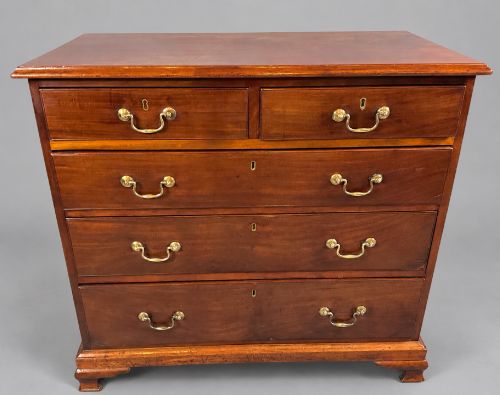
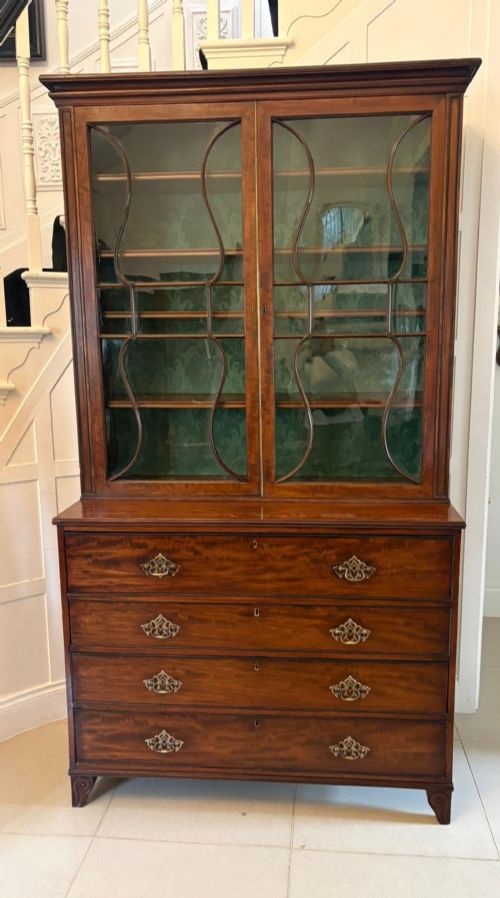
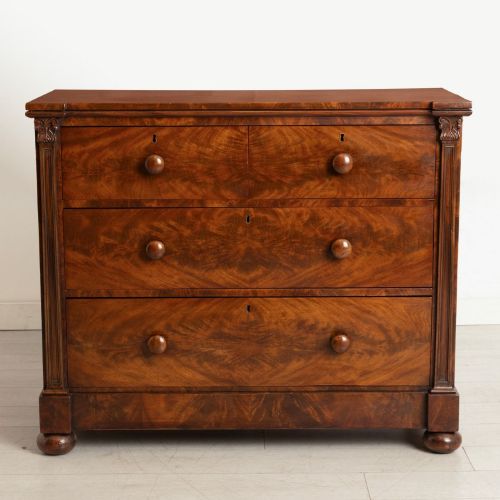

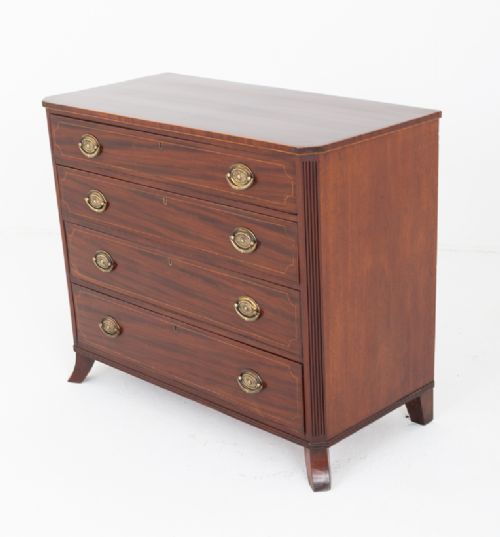
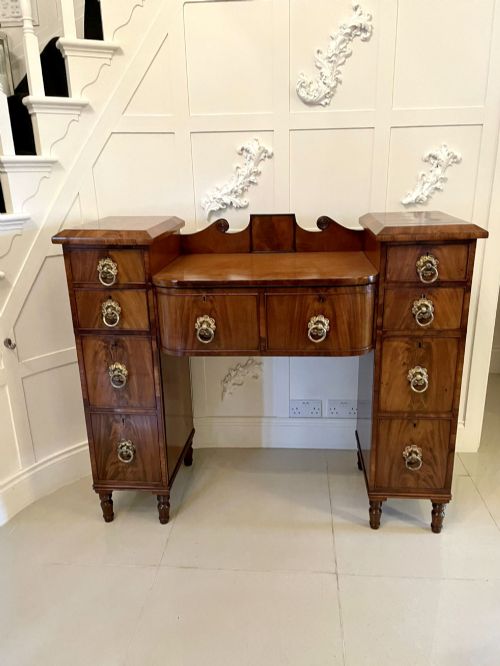
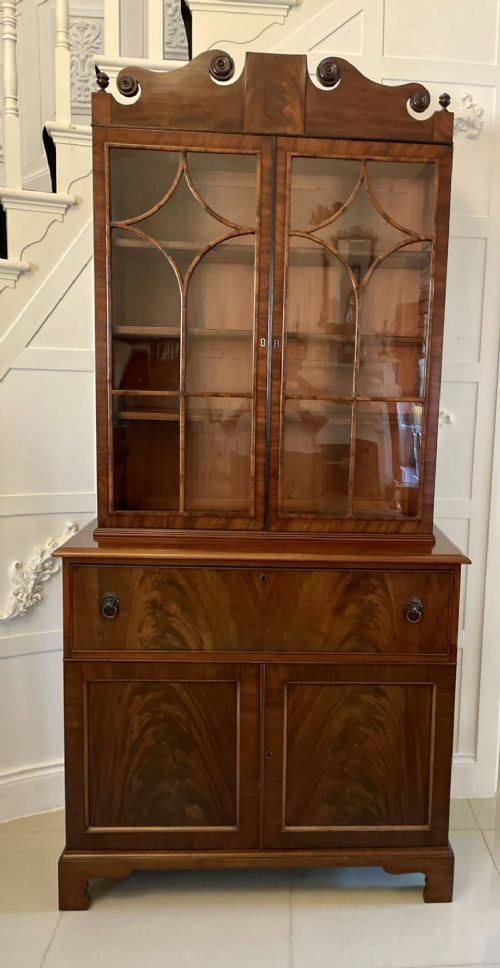
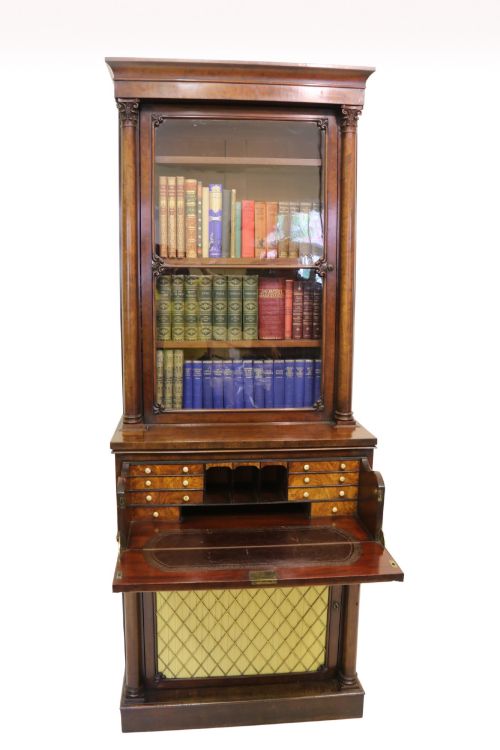
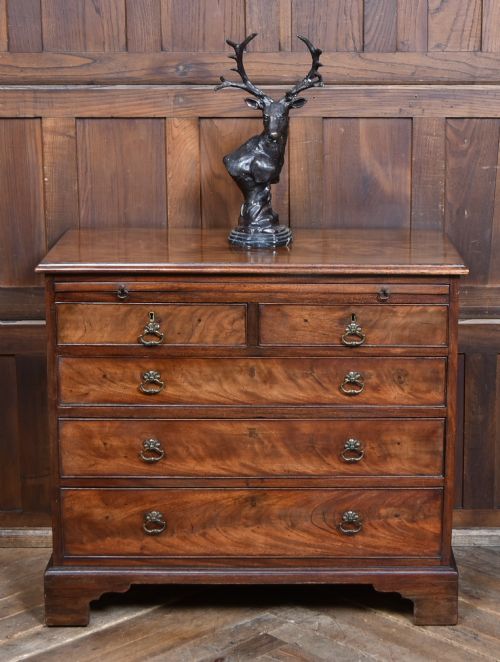
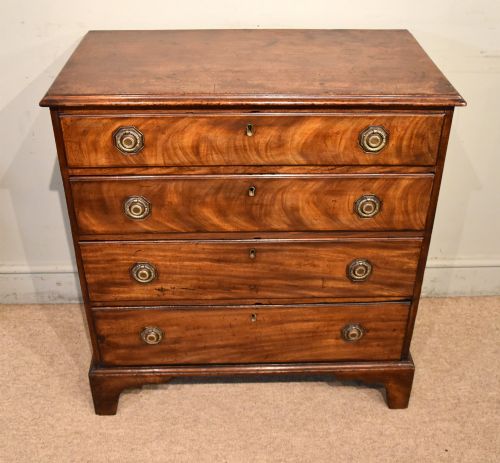
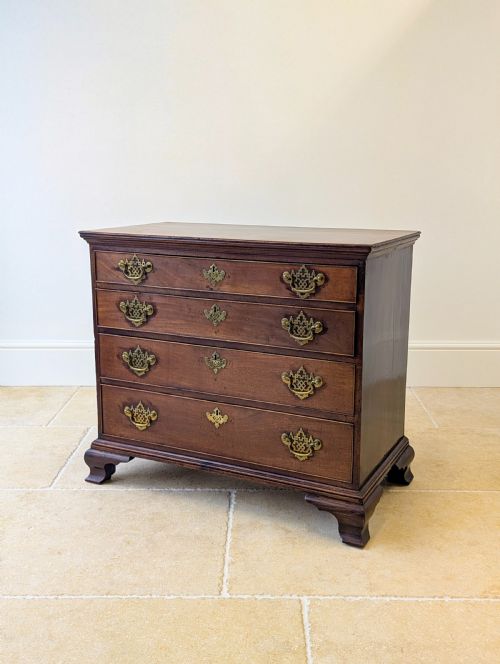
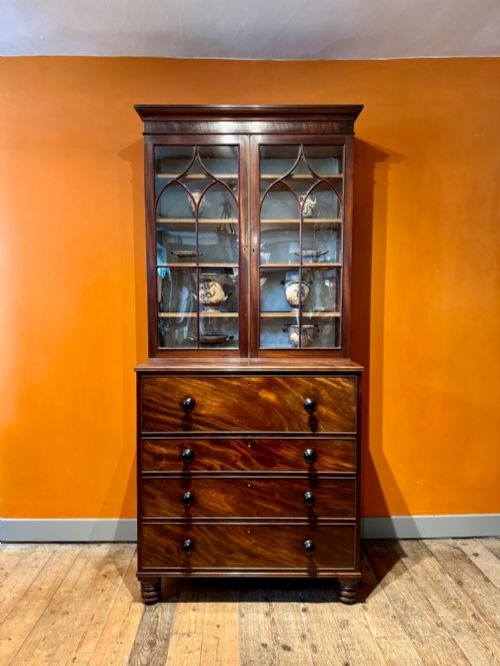
Period Mahogany Bureau
A period mahogany bureau brings centuries of working practicality and rich timber grain straight into a modern room.
Period Mahogany Bureau
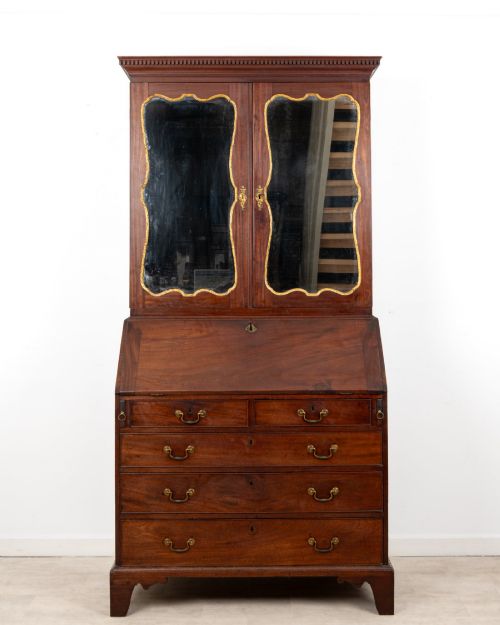
A period mahogany bureau combines a sloping writing flap with internal pigeonholes and drawers, resting above a chest of drawers or a stand. When searching for this phrase, buyers encounter pieces originating primarily from the Georgian, Regency and Victorian eras.
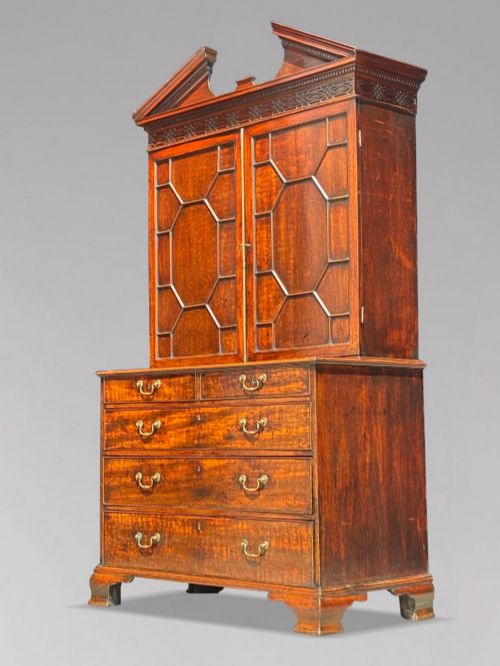
The versions most commonly met on this page span the 18th century through to the 19th century, often associated with George III or Regency stylistic influences. They range from compact writing desks to taller bureau bookcases and secretaire cabinets.
Makers and designers of these utilitarian items utilised dense timbers to create functional furniture for households. The fundamental form remained practical, serving as a private station for correspondence and document storage.
How they were made
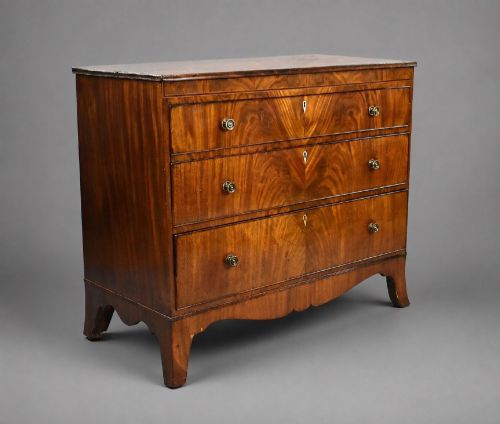
Cabinet makers constructed these items predominantly using solid mahogany and figured mahogany veneers over secondary timbers such as oak and pine. These woods provided stability for the writing flaps and drawer carcases.
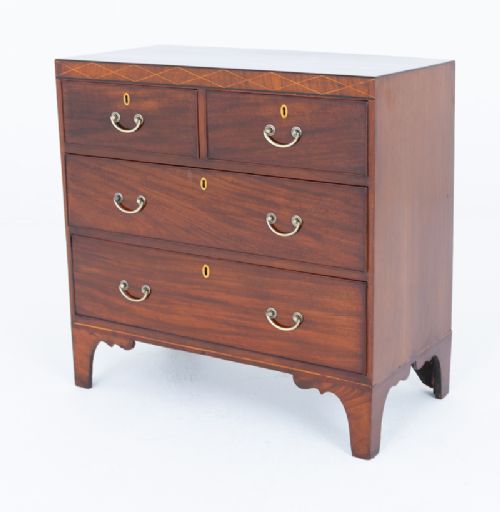
Brass fittings, including drop handles, escutcheons and hinges, complemented the dark timber surfaces alongside occasional bone or satinwood stringing details. Glass panels appeared in the doors of taller bookcase variants to display volumes.
Joinery techniques relied on dovetailed drawer construction and precise framing to support heavy loads of books and paper. Selected pieces incorporated tambour shutters or fitted leather writing surfaces inside the drop-down compartments.
Period Mahogany Bureau Retail Price Guide 2026
Typical asking prices for period mahogany bureau among the pieces listed under this phrase on Sellingantiques today, from the lower quarter to the upper quarter. They describe what is for sale here now, not the wider market.
Secret compartments hidden behind sliding panels remind us that Georgian correspondents valued their privacy just as much as we do.
What varies in quality
The calibre of the mahogany veneer heavily influences the visual depth of a piece, with flame and figured grains commanding greater attention. The choice of secondary timbers beneath the main surfaces also points to the standard of workshop production.
Sophistication in the interior layout - such as concealed compartments, satinwood drawers and intricate pigeonholes - separates standard utility desks from high-end cabinet work. The crispness of carved mouldings and the retention of original brass hardware further distinguish superior examples.
Gillows of Lancaster·Thomas Chippendale·John MaClean·George Faulkner Armitage
The Period Mahogany Bureau Glossary
- Secretaire
- A piece of furniture containing a drawer or compartment that folds down to form a writing desk. It often conceals smaller drawers and pigeonholes inside.
- Bureau
- A desk with a sloping hinged lid that covers compartments for papers. It frequently sits atop a chest of drawers.
- Stringing
- Thin inlay lines of a contrasting wood used to decorate furniture surfaces. This decorative technique often borders drawer fronts or tabletops.
- Tambour
- A sliding shutter made of narrow vertical strips of wood glued to a canvas backing. It conceals compartments in small desks and cabinets.
- Dovetail
- A joinery method interlocking wedge-shaped fingers of wood. It provides robust, long-lasting joints for drawer corners.
Period Mahogany Bureau: Frequently Asked Questions
What is a period mahogany bureau?
A period mahogany bureau is a writing desk featuring a hinged sloping flap that opens to reveal internal compartments, usually positioned above standard storage drawers.
These pieces date from historical eras such as the Georgian and Regency periods, constructed from dense tropical hardwoods.
How do I date my bureau?
Dating involves examining the construction methods, such as hand-cut dovetails, alongside the specific style of brass hardware and feet used. The overall silhouette and secondary timbers like oak or pine also provide clues to the decade of manufacture.
Matching stylistic details to known design periods helps narrow down the year a piece was built.
How do I care for mahogany furniture?
Mahogany requires stable indoor humidity levels away from direct sunlight and heat sources to prevent the timber and veneer from drying out. Routine dusting with a soft, dry cloth preserves the polished surface.
Occasional applications of appropriate wax help maintain the lustre of the wood grain.