

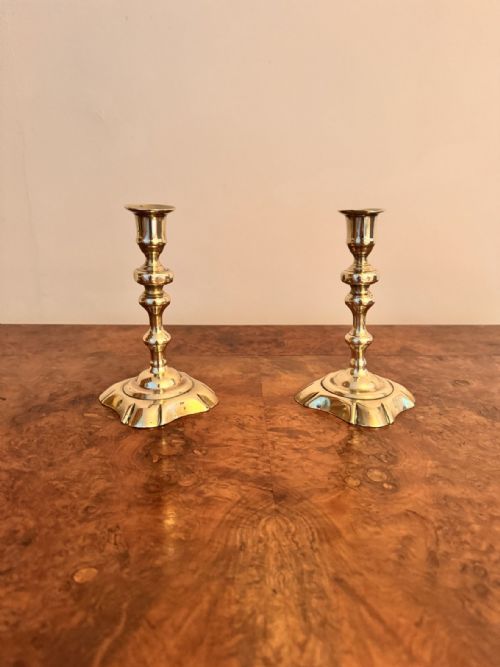
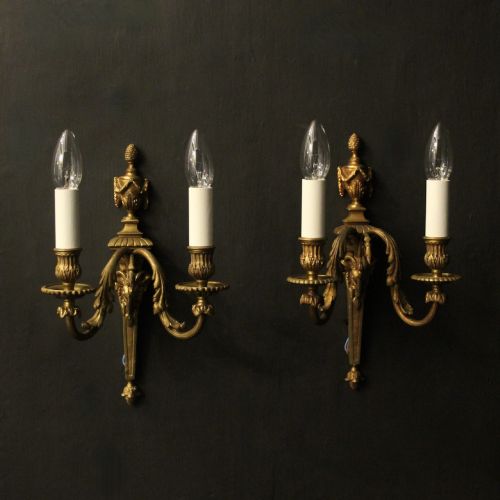

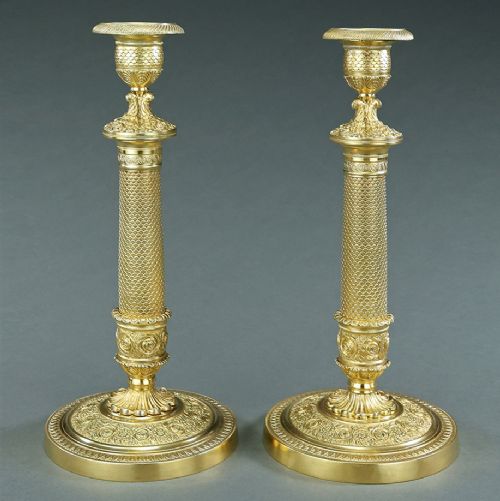
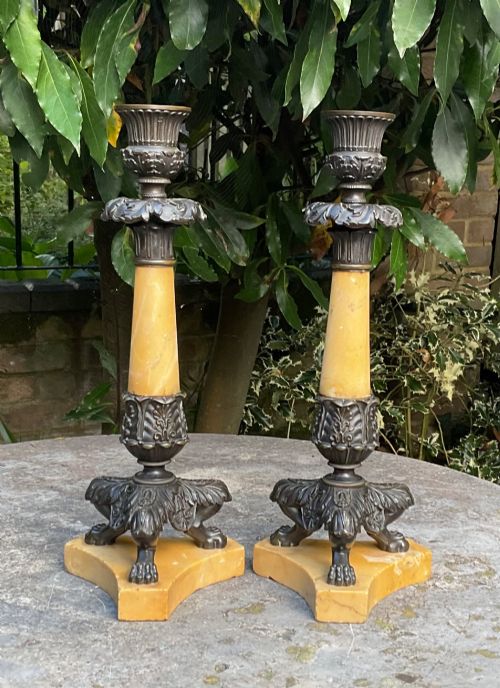
Period Lighting Pair
A period lighting pair brings symmetry and matched illumination to a room, offering coordinated design and period character.
Period Lighting Pair
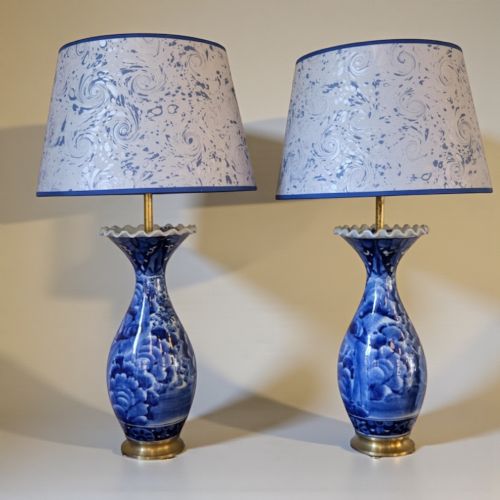
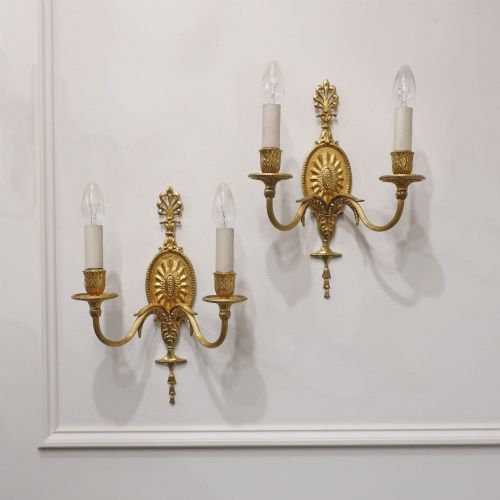
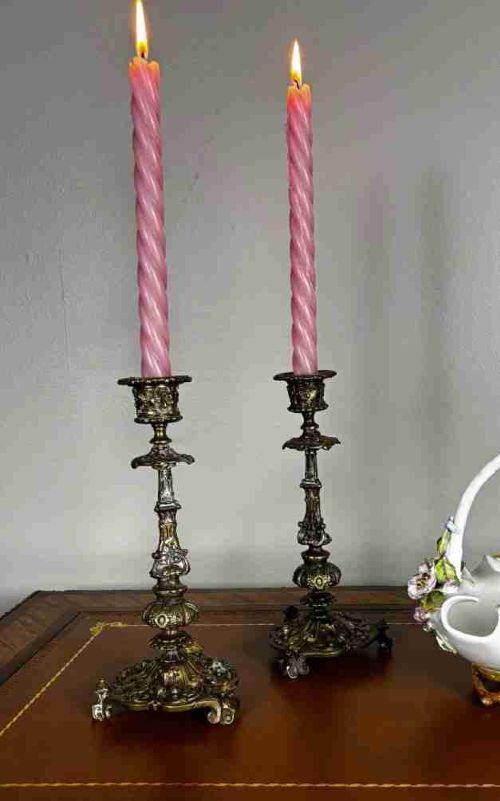
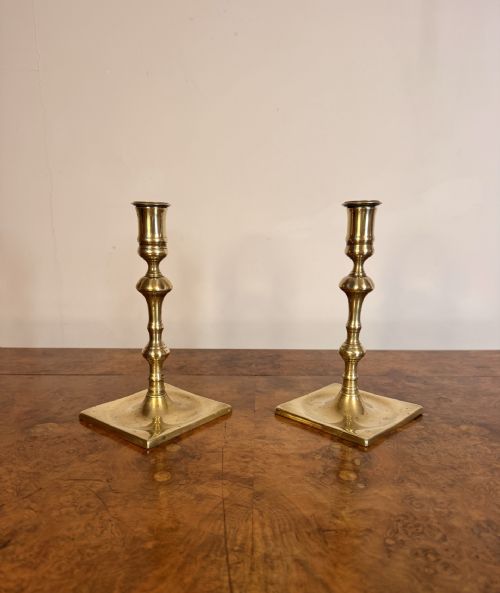
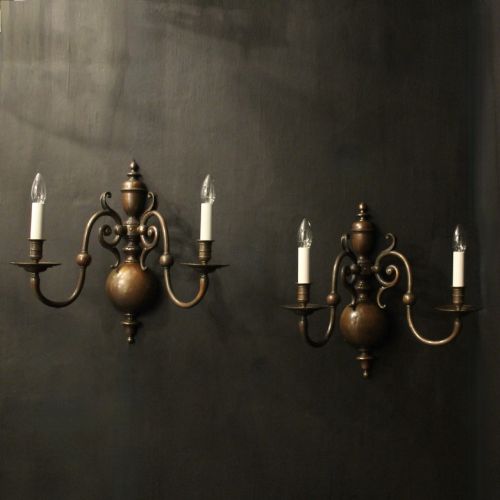
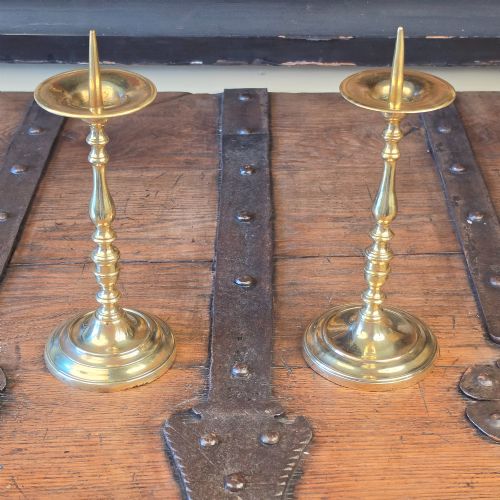
A period lighting pair consists of matched twin fixtures designed to provide balanced illumination across a space. Buyers searching for a period lighting pair encounter a diverse selection ranging from early brass candlesticks to electrified table lamps and wall sconces.
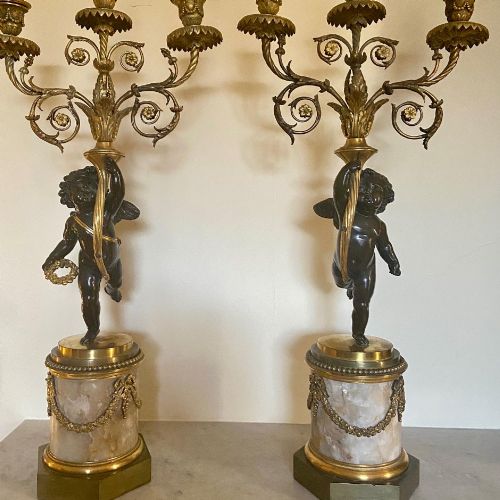
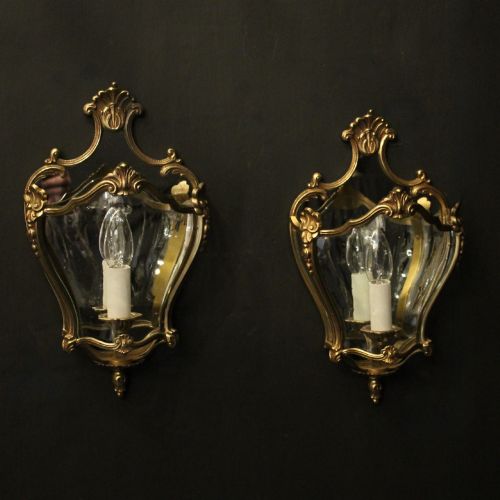
The inventory on this page spans several centuries, including 18th-century Georgian designs, Regency bronzes, and later Art Deco wall fixtures. Candlesticks, candelabra, wall lights, and table lamps dominate the available forms.
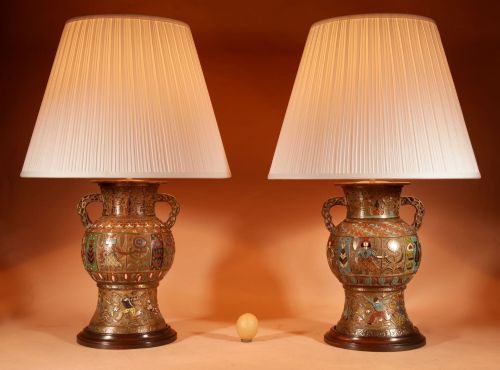
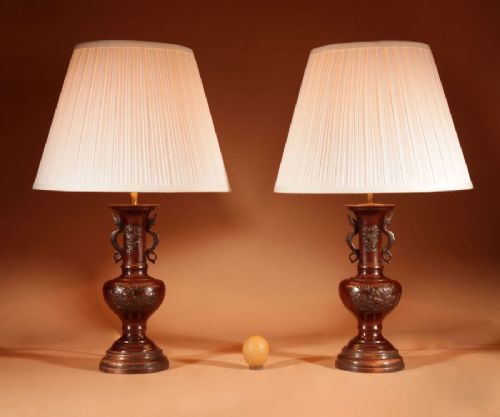
Originating from English, French, and Japanese workshops, these dual items reflect the stylistic preferences of their respective eras. French Empire, Rococo, and Japanese Meiji period examples appear frequently among the listings.
Materials and Construction
Metalworking techniques shape the majority of these objects, utilising cast brass, bronze, copper, and wrought iron. Makers employed seamed construction for mid 18th-century brass candlesticks and utilised mercury gilding for French ormolu and gilt bronze surfaces.
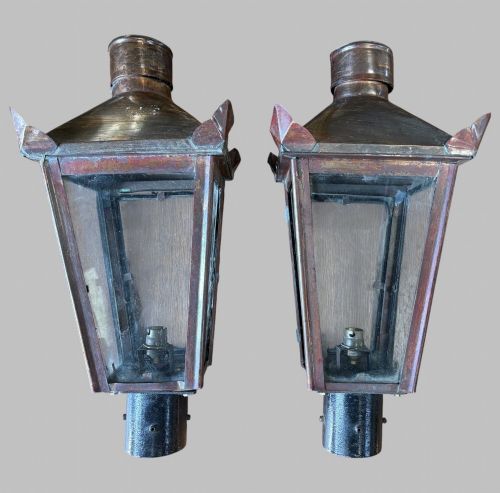
Ceramic and stone elements frequently integrate with metal components, seen in Satsuma porcelain, Cloisonné enamel, and rouge marble bases. Fabric shades and glass panels also appear on later 20th-century lanterns and table lamps.
Artisans applied champlevé enamel work and patination to Japanese bronze bodies, while French candelabra combined cast patinated bronze figures with detailed mounts.
Period Lighting Pair Retail Price Guide 2026
Typical asking prices for period lighting pair among the pieces listed under this phrase on Sellingantiques today, from the lower quarter to the upper quarter. They describe what is for sale here now, not the wider market.
Periods represented stretch from the 17th century through the Georgian, Regency, and Art Deco eras.
Evaluating Quality
The standard of execution in chasing, casting, and mounting distinguishes superior examples from standard production. Crisp detailing on bronze figures and cleanly fitted marble or porcelain components indicate higher workshop capability.
Originality of surface finish and the preservation of gilding or patination dictate the desirability of metal pieces. Alterations made during later electrification can affect the integrity of antique fixtures.
The Period Lighting Pair Glossary
- Ormolu
- Gilded bronze, typically produced using a mercury amalgamation process on French decorative objects. This finish provides a bright golden surface on 18th and 19th-century mounts.
- Pricket
- A sharp metal spike on a candlestick designed to hold a candle in place rather than a socket. These often appear on ecclesiastical or continental pieces.
- Champlevé
- An enamelling technique where troughs are dug into a metal surface and filled with vitreous enamel before firing. Japanese Meiji period lamps frequently display this decorative method.
- Candelabra
- A branched candlestick holding multiple lights on separate arms. These large fixtures often combine bronze and marble components.
Period Lighting Pair: Frequently Asked Questions
How do I wire antique wall lights?
Wiring antique wall lights requires modern electrical cabling to be threaded safely through the original metal channels or arms without damaging the structure. Professional installation ensures compliance with current safety standards while preserving the historic body.
Many fixtures retain hollow stems or backplates that accommodate modern internal wiring discreetly. An electrician can integrate these pieces into standard domestic circuits.
Can I use modern bulbs in these lamps?
Modern LED bulbs work well in antique table lamps and wall sconces provided the lamp holders match the correct voltage and fitting size. Low heat emission from modern bulbs protects delicate materials like fabric shades and enamel work.
Care should be taken to select bulbs that replicate the warm colour temperature of historic lighting. This maintains the appropriate atmosphere within a period interior.
How do I clean brass candlesticks?
Cleaning antique brass involves gentle dusting with a soft cloth to remove surface particles without stripping the aged patina. Harsh chemical polishes should be avoided because they remove historical traces and reduce the depth of the metal finish.
For stubborn grime, mild soapy water applied sparingly and dried immediately prevents corrosion. Preserving the natural darkening adds character to older pieces.