







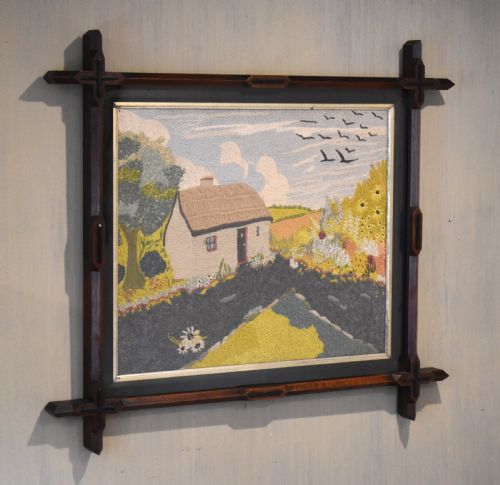
Period Landscape Picture
A period landscape picture captures the countryside through historic eyes, offering a window into past views framed in wood and glass.
Period Landscape Picture
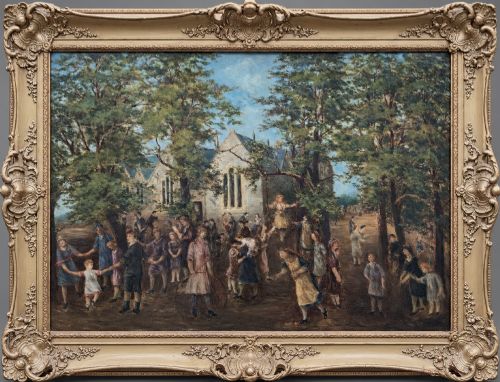
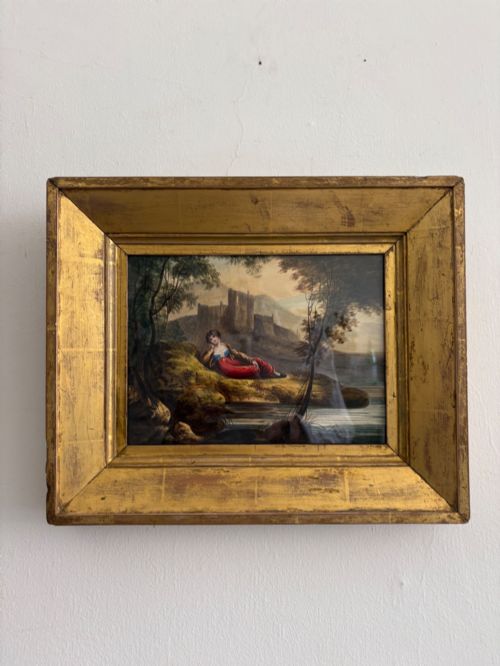
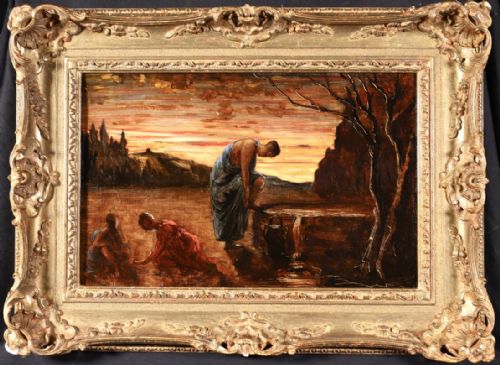
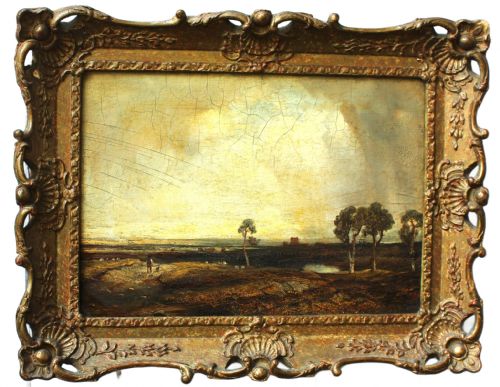
A period landscape picture brings historic scenery into a room through framed paintings, watercolours, and prints. These works span centuries, capturing rural views, coastal scenes, and pastoral life across different eras.
The pieces appearing here range from early nineteenth-century watercolours on paper to Edwardian oils on canvas and wood panels. Buyers encounter diverse regional styles, including British school works and continental European scenes.
Formats vary from intimate watercolour studies to large framed oils enclosed in gilded wood frames. Each item preserves a specific historical vision of the natural world, shaped by the prevailing artistic conventions of its time.
Materials and Methods
Makers utilised canvas, paper, wood panels, and glass as the primary supports for these artworks. Pigments were applied as oils, watercolours, or printed inks, depending on the medium and period.
Frames are constructed from wood, frequently finished with gilt or gilded wood to complement the imagery within. Needlework pictures also appear, created through textile stitching rather than paint.
Period Landscape Picture Retail Price Guide 2026
Typical asking prices for period landscape picture among the pieces listed under this phrase on Sellingantiques today, from the lower quarter to the upper quarter. They describe what is for sale here now, not the wider market.
Listings feature works spanning the 19th Century, Georgian, Edwardian, and Art Deco periods, created in oil, watercolour, and print.
Assessing Quality
Quality rests in the skill of the brushwork, the handling of light and perspective, and the preservation of the surface. Stronger examples display confident draughtsmanship and balanced composition.
The integrity of the original frame and the stability of the paper or canvas influence the standing of a piece. Finer works retain their vibrant pigments and clear details without extensive intervention.
Kunisada·Edith E Caswall·James H Hulse·B. Kaufmann·John Constable·Alexandre Decamps·Dr Thomas Monro
The Period Landscape Picture Glossary
- Watercolour
- A painting method where fine pigment is suspended in water-based solution on paper. It yields translucent layers and delicate washes.
- Gilt
- A thin application of gold leaf or gold paint applied to surfaces such as wooden frames. This finish adds reflective brilliance to the border.
- Ukiyo-e
- A genre of Japanese art depicting scenes of floating worlds through woodblock prints and paintings. These works influenced international artistic movements.
- Oil on Canvas
- Pigment mixed with drying oil applied to a stretched woven fabric support. This technique allows for rich texture and deep colour saturation.
Period Landscape Picture: Frequently Asked Questions
How do I date a landscape picture?
Dating relies on examining the materials, framing methods, and stylistic markers visible in the work. Paper quality, pigments, and canvas types often point to specific decades.
Signatures, inscriptions, and labels on the reverse provide further clues to the origin and creation period of the artwork.
Where should I hang these pictures?
These works suit traditional living spaces, studies, and hallways where lighting can be carefully managed. Avoid placing them in direct sunlight to protect pigments and paper.
Pairing pieces with period furniture enhances the historic character of the room and creates a cohesive display.
How do I care for antique watercolours?
Keep watercolours away from humid environments and direct heat sources to prevent paper degradation and fading. Acid-free backing materials during framing ensure long-term preservation.
Displaying them behind glass protects the delicate pigment surface from atmospheric dust and physical damage.
What is the Norwich School?
The Norwich School represents a regional group of artists active during the nineteenth century who painted local landscapes. Their work captures the flatlands, windmills, and countryside of East Anglia.
These artists embraced naturalism and atmospheric effects, recording the rural scenery of their home county.