

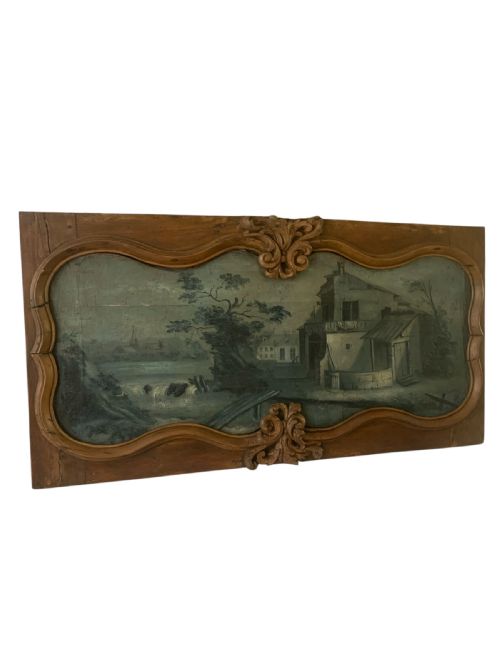


Period Landscape Painting
Period landscape painting brings historic countryside and coastal views into the home through oil on canvas, wood panel, and watercolour.
Period Landscape Painting
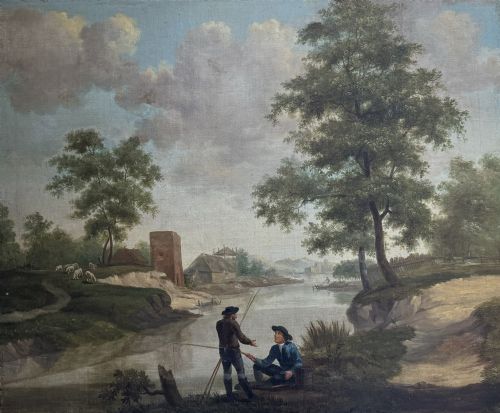
A period landscape painting captures scenic views, rivers, and rural architecture from past centuries, offering a direct window into historical aesthetics. When exploring period landscape painting, buyers encounter works ranging from 18th-century country house canvases to 19th-century watercolours and Edwardian countryside depictions.
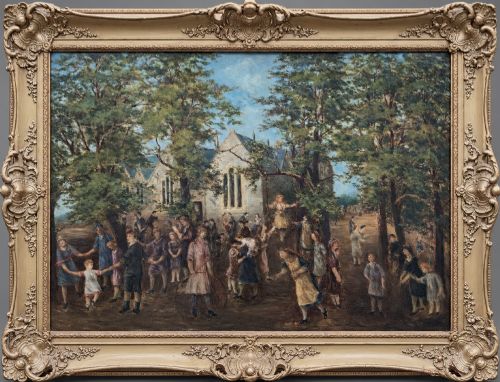
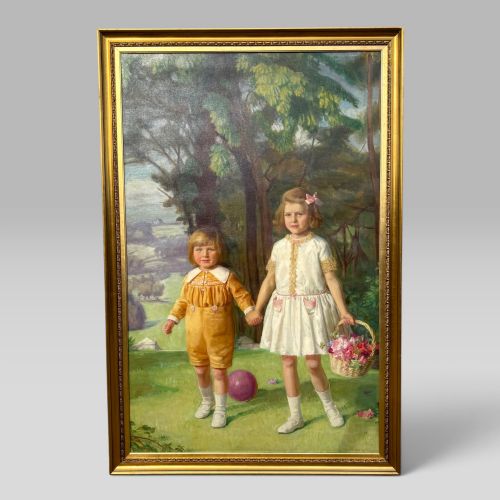
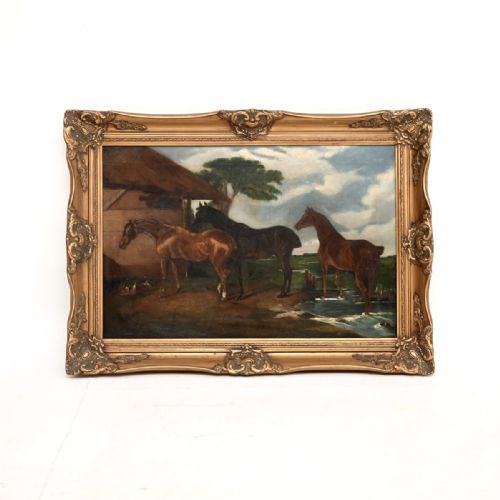
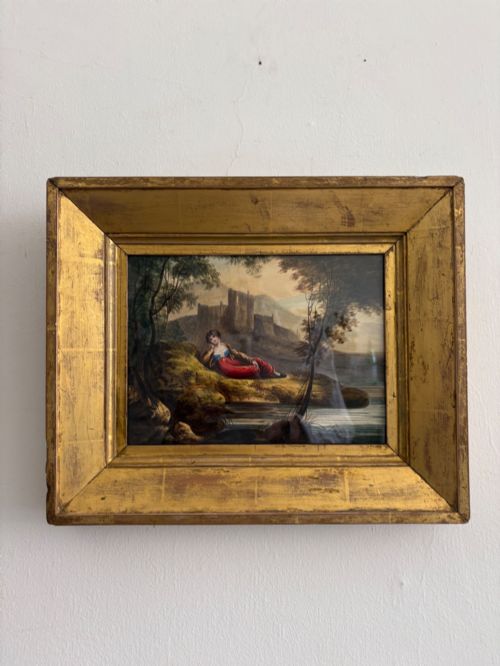
The selection includes British and European schools, featuring oil on canvas, wood panel supports, and framed works on paper. Many pieces incorporate gilt frames that reflect the decorative tastes of the Georgian, Regency, Victorian, and Edwardian eras.
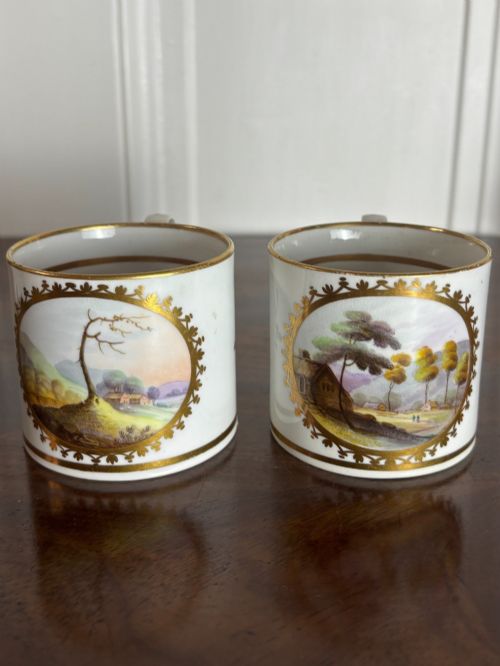
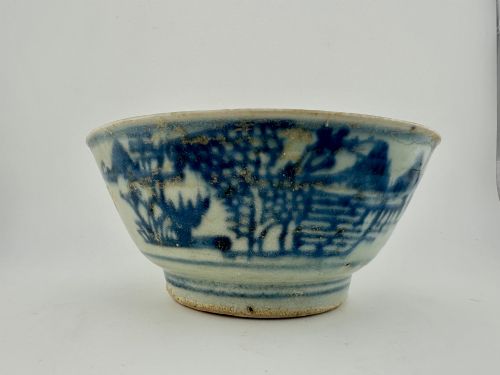
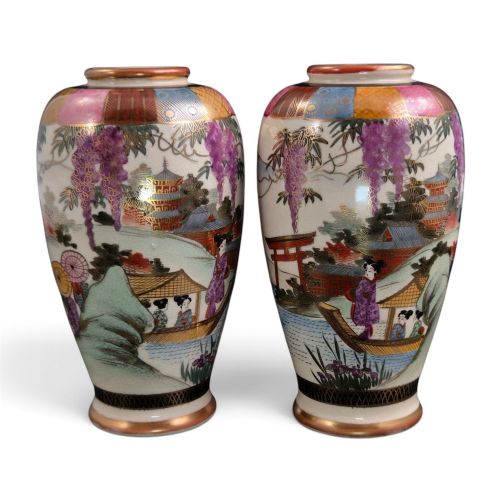
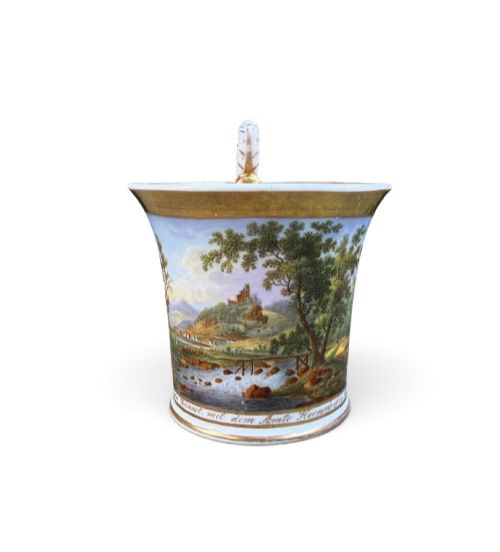
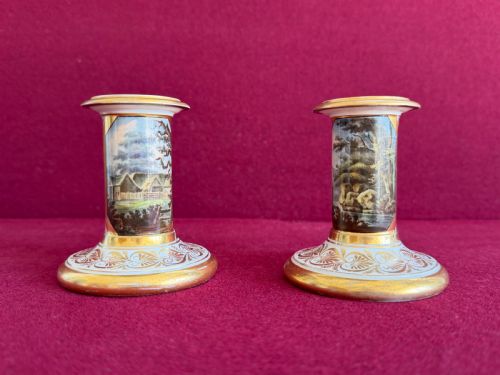
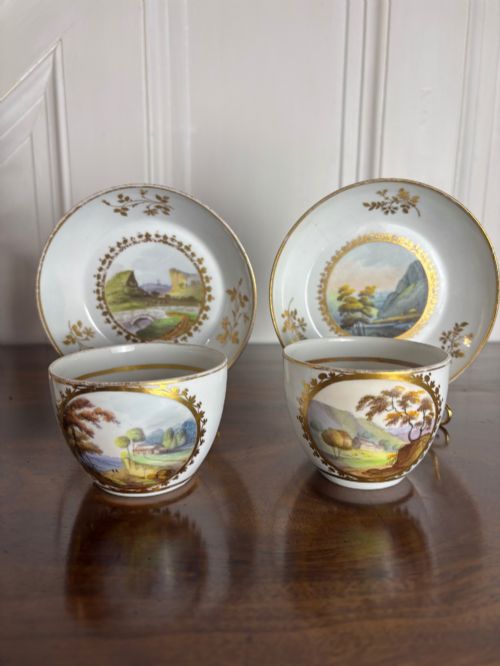
Alongside traditional oil paintings, landscape subjects appear across porcelain surfaces such as cabinet cups, vases, and decorative plates. These diverse formats demonstrate how natural vistas were adapted to both wall art and decorative objects.
How They Were Made
Artists painted primarily with oil paint on stretched canvas or prepared wood panels, building rich textures and atmospheric depths through layered pigments. Watercolours and gouache were applied to paper support systems, often protected behind glass within ornate gilt frames.
On ceramic items, landscape painting involved delicate enamel work applied directly to porcelain bodies or earthenware surfaces before firing. Makers utilised refined glazing techniques to preserve fine brushwork and topographical details on small vessels and plates.
Period Landscape Painting Retail Price Guide 2026
Typical asking prices for period landscape painting among the pieces listed under this phrase on Sellingantiques today, from the lower quarter to the upper quarter. They describe what is for sale here now, not the wider market.
Listings feature works from the 18th century, Georgian, Regency, Victorian, Edwardian, and Meiji periods using oil, watercolour, enamel, and porcelain.
What Varies in Quality
The sophistication of the brushwork and the handling of light and shadow dictate the visual success of a landscape. Masterly execution in skies, foliage, and architectural elements separates accomplished fine art from simpler regional or naive efforts.
The integrity of the original surface and the condition of the framing materials influence the overall presentation. Period gilt frames that retain their original gilding complement the artistic merit of the canvas or paper within.
James Elliot·John Hayls·Philip Richard Morris·Gaston Cornil·John Sanderson Wells·John Hamilton Mortimer·Giovanni Paolo Panini·George Morland·Ernest Higgins Rigg·Robert Buchan Nisbet·Edith E Caswall·James H Hulse·B Kaufmann·Thomas Ivester Lloyd·John Constable·Ando
The Period Landscape Painting Glossary
- Oil on canvas
- Pigments bound in drying oil applied to a woven fabric support stretched across a wooden frame. This medium allowed artists to build rich textures and deep tones.
- Wood panel
- A rigid wooden board prepared with gesso or ground to serve as a painting support. Artists often utilised panels for smaller cabinet-sized landscapes.
- Gilt frame
- A wooden picture frame coated with gold leaf or metallic paint. These frames defined the decorative character of Victorian and Georgian wall art.
- Watercolour
- A paint consisting of colour pigments suspended in a water-soluble binder. It was widely used on paper for lighter, translucent landscape studies.
- Topographical
- Depicting a specific real-world location or building with descriptive accuracy. Topographical cabinet cups and paintings record actual landscapes of the period.
- Gouache
- An opaque watercolour paint mixed with a white pigment to create solid, flat colour areas. It frequently appeared alongside traditional watercolour in period works.
Period Landscape Painting: Frequently Asked Questions
What periods do these paintings cover?
The listings span from the 18th century through the Georgian, Regency, Victorian, and Edwardian eras up to the early 20th century.
Each period brings distinct framing styles, painting techniques, and regional British or European artistic influences.
Are all landscape artworks oil paintings?
No, while oil on canvas and wood panel form a large part of the selection, many works are watercolours or gouache on paper.
Landscape scenes also appear on porcelain objects such as cabinet cups, vases, and decorative plates.
How should I display a framed watercolour?
Watercolours on paper require protection from direct sunlight to prevent the fading of delicate pigments over time.
Displaying them in stable indoor environments away from excessive moisture preserves both the paper and the period frame.
What is an English School painting?
The designation refers to works created by artists trained or working within the British artistic tradition during a specific century.
These pieces often depict familiar rural, coastal, or architectural scenes characteristic of British topography.