
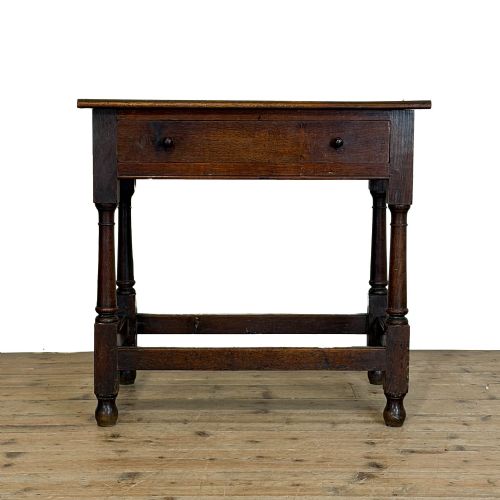
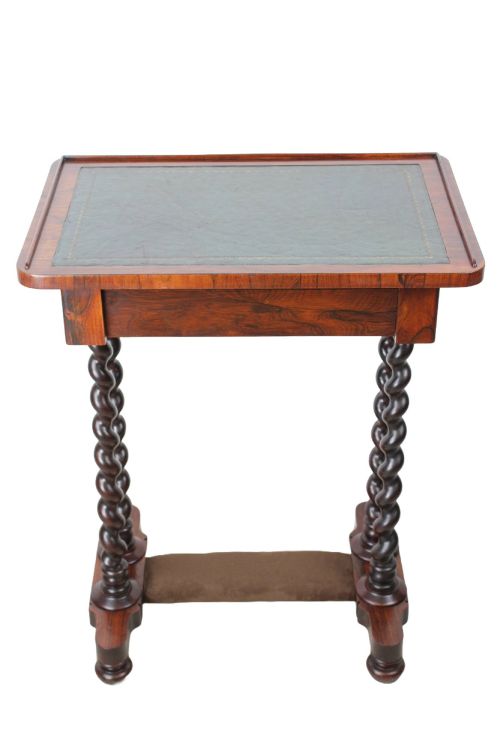
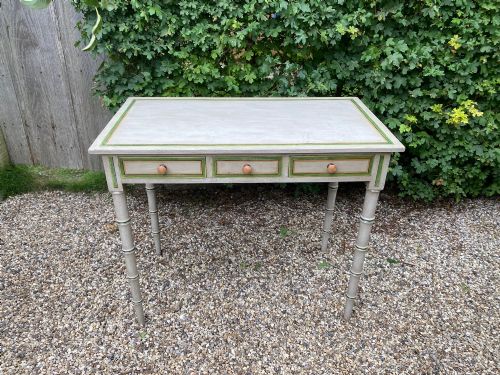
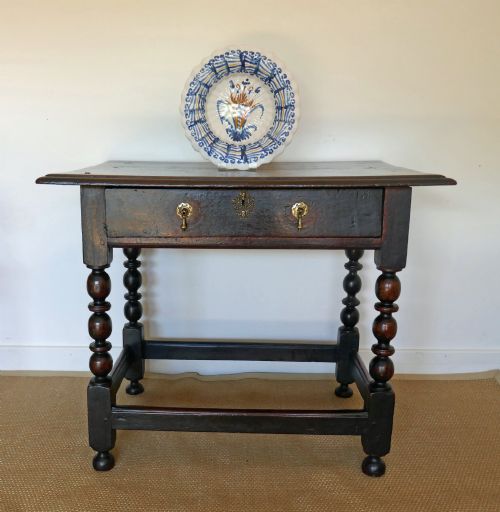
Period Hall Table
A period hall table brings immediate character to an entryway, offering a practical surface shaped by centuries of cabinetmaking.
Period Hall Table
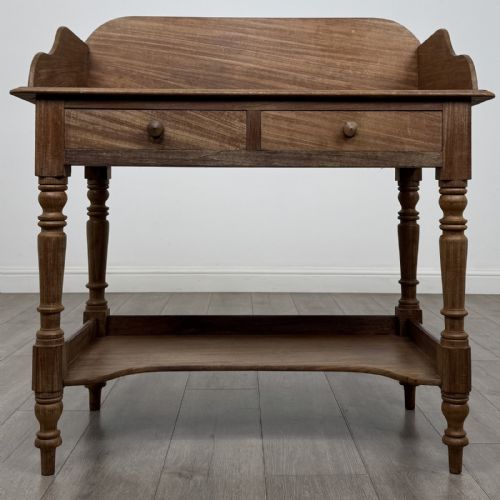
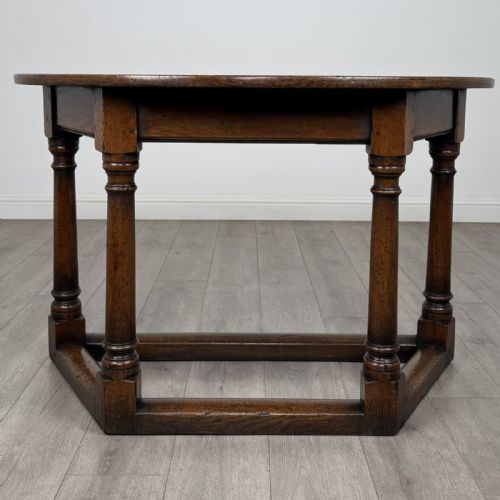
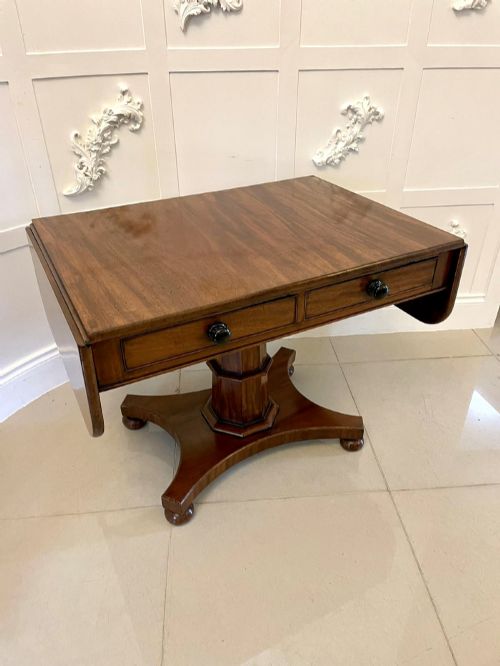
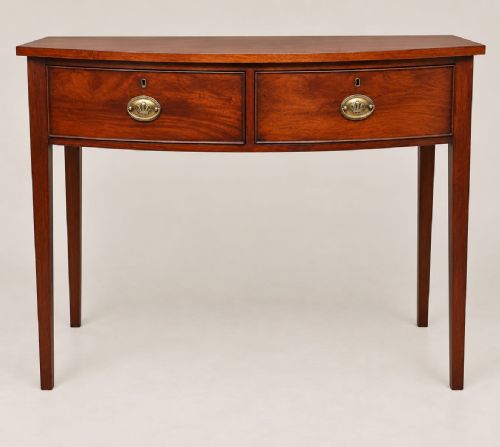
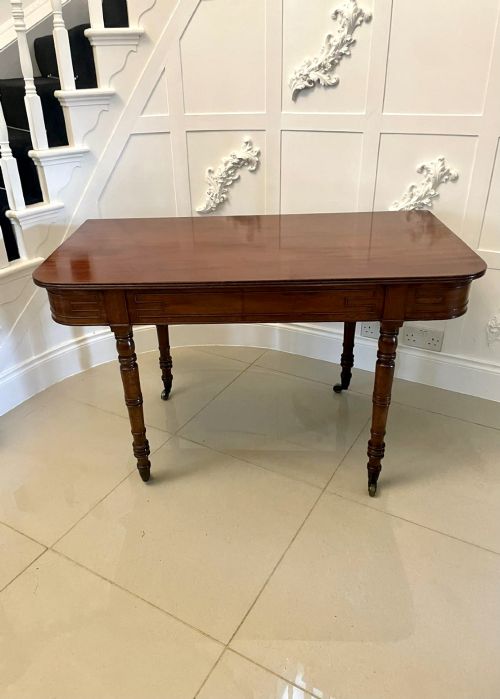
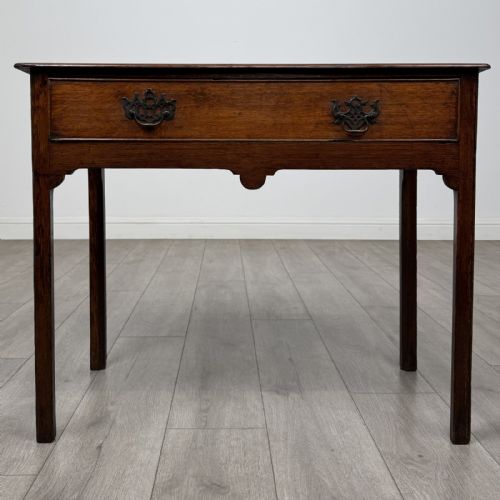
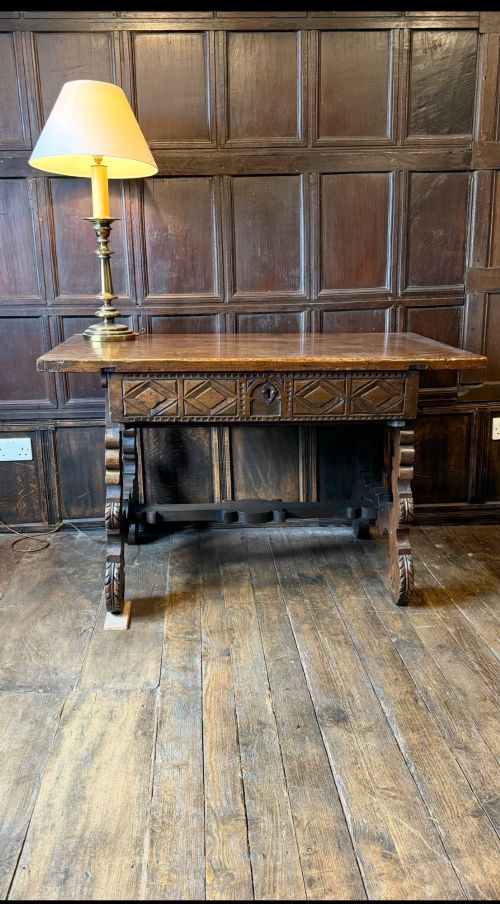
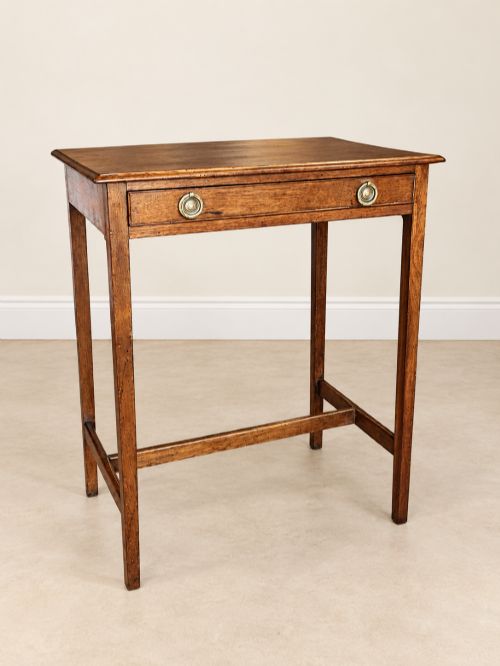
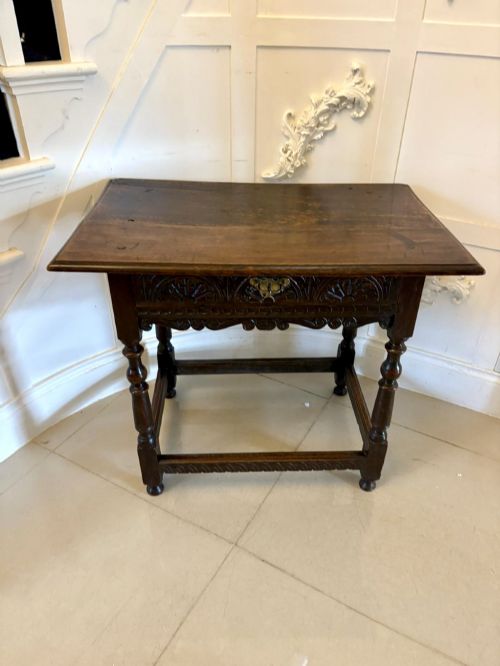
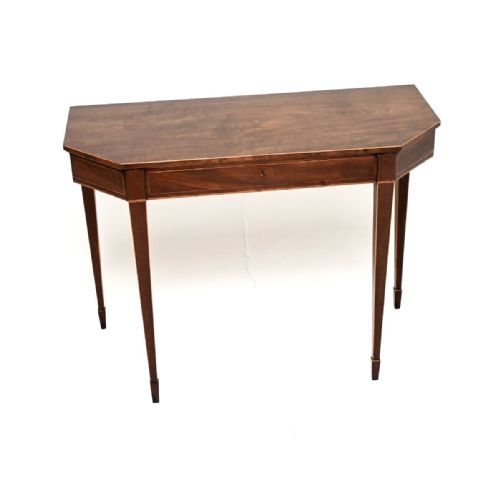
A period hall table encompasses a range of side tables, console tables, and lowboys designed to sit against an entryway or reception room wall. The selection draws heavily from 17th-century, 18th-century, and Regency periods, showing how proportions shifted from heavy oak construction to refined mahogany and rosewood designs.
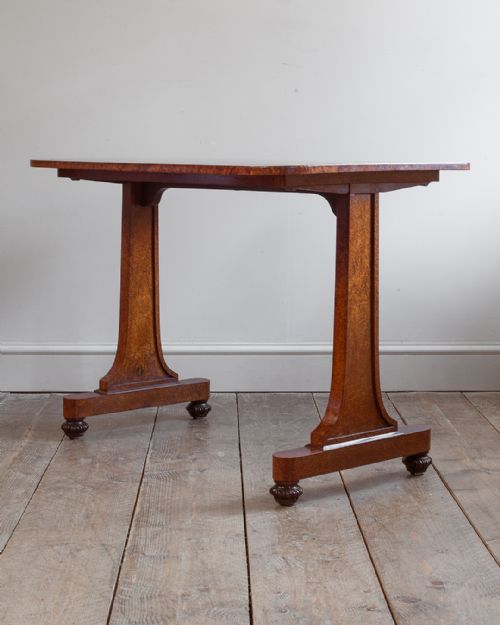
Most pieces seen here belong to the oak and mahogany families, spanning simple plank-top boards to sophisticated carved walnut and inlaid lowboys. Object types stretch from straightforward side tables to console tables with marble tops and occasional tables in birdseye maple.
The form adapts to various architectural scales, from compact single-drawer examples to broad sideboards and demi-lune console tables. Collectors encounter pieces reflecting distinct regional traits, such as Welsh country house oak alongside metropolitan Regency styles.
Materials and Construction
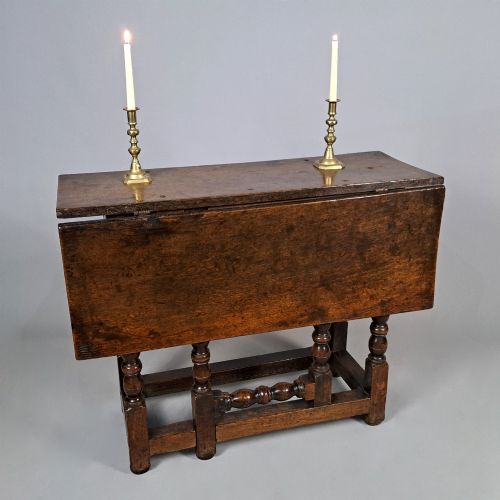
Makers relied on native timbers like oak and elm for seventeenth-century pieces, employing sturdy joinery, plank tops, and bobbin turnings. As tastes evolved towards the Georgian and Regency periods, cabinetmakers shifted to imported hardwoods such as mahogany, walnut, and rosewood, often enhanced with boxwood stringing and burr veneers.
Surface decoration ranges from geometric mouldings and crisp hand-carving on earlier oak to painted faux bamboo finishes and parcel gilt details on later Regency designs. Marble tops appear on specific console tables, adding weight and a cool tactile contrast to the wooden frames below.
The listings span five centuries of woodworking, uniting seventeenth-century oak joinery with Regency rosewood, mahogany, and painted finishes.
Judging the Standard
Quality rests upon the selection of timber and the integrity of the original construction rather than surface sheen alone. Figured mahogany, burr walnut, and dense, patinated oak command attention for their natural depth and the skill required to work them.
Proportion and restraint separate standard examples from superior pieces, particularly where secondary woods, drawer linings, and original brass hardware remain intact. The crispness of carved details or the precision of geometric mouldings reveals the hand of a workshop operating at a higher level.
The Period Hall Table Glossary
- Lowboy
- A small oak or walnut table featuring one or more rows of drawers, typically standing on slender cabriole or turned legs. These serve as compact dressing or writing surfaces.
- Console table
- A table designed to stand against a wall, frequently secured with brackets if top-heavy. They often feature decorative marble tops or parcel gilt surfaces.
- Demi-lune
- A half-moon shape characteristic of tables built to fit flush against a flat wall. This silhouette is common among Regency console tables.
- Bobbin-turned
- A style of furniture leg or stretcher shaped on a lathe to resemble a string of beads or bobbins. It is a defining feature of seventeenth-century joinery.
- Stringing
- Thin inlay lines of a contrasting timber, such as boxwood, set into the primary wood of a drawer front or tabletop. It creates a refined border effect.
Period Hall Table: Frequently Asked Questions
Where should I place a period hall table?
These tables fit naturally in narrow entryways, corridors, or hallways where a shallow surface is required for post and keys. Their compact footprints allow them to anchor a mirror or painting without blocking circulation.
Larger variations, such as sideboards or console tables, work equally well in dining rooms or reception spaces to display lamps and ceramics.
How do I care for antique timber surfaces?
Maintain the wood by applying natural beeswax sparingly and buffing it with a soft cloth to preserve the patina. Avoid placing tables in direct sunlight or near heat sources to prevent the timber from splitting.
Keep marble tops clean using a damp cloth and mild soap, avoiding acidic cleaning agents that etch the stone.
How do I identify a seventeenth-century table?
Seventeenth-century pieces are constructed primarily from solid oak or elm, displaying pegged mortise and tenon joints. Look for thick plank tops, geometric mouldings, and turned supports like bobbin or spiral legs.
These tables possess a heavier, more utilitarian proportion than their lighter eighteenth-century successors.
What is the difference between a side table and a lowboy?
A side table is a broad category of small tables designed to stand against walls, varying greatly in height and leg style. A lowboy is a specific type of low table equipped with drawers, historically used for dressing or storing small valuables.
Lowboys usually feature more refined leg work, such as cabriole legs ending in pad feet.