




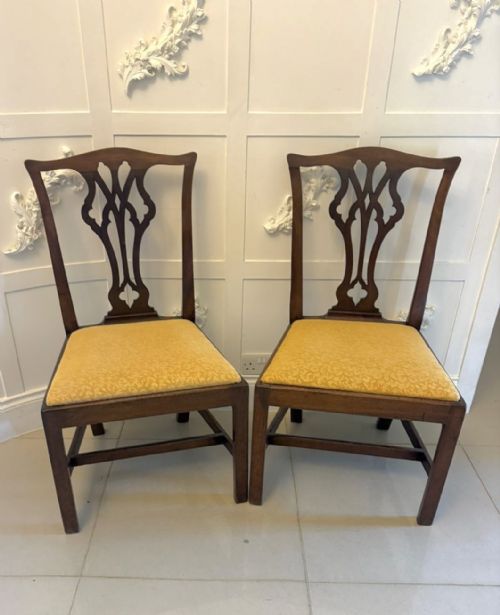
Period Hall Seating
Period hall seating comprises robust wooden benches and chairs shaped by centuries of use in entranceways and reception rooms.
Period Hall Seating
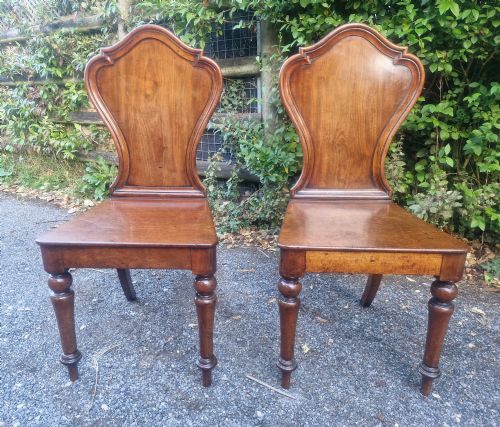
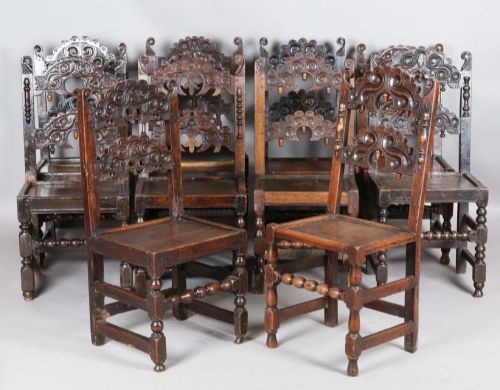
Period hall seating encompasses sturdy wooden benches, settle benches, and individual side or hall chairs designed for entrance spaces. Buyers encounter substantial oak examples from the seventeenth century alongside lighter mahogany and fruitwood pieces from the Georgian and Regency eras.
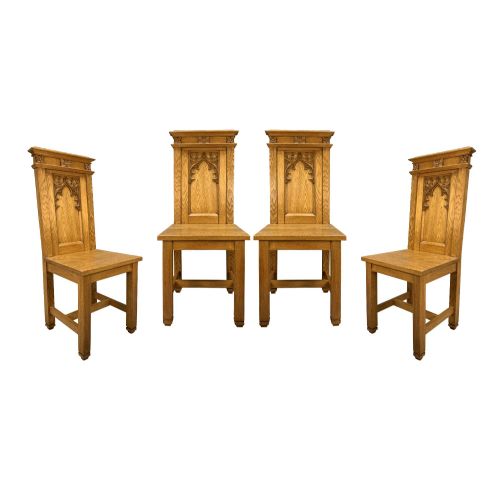
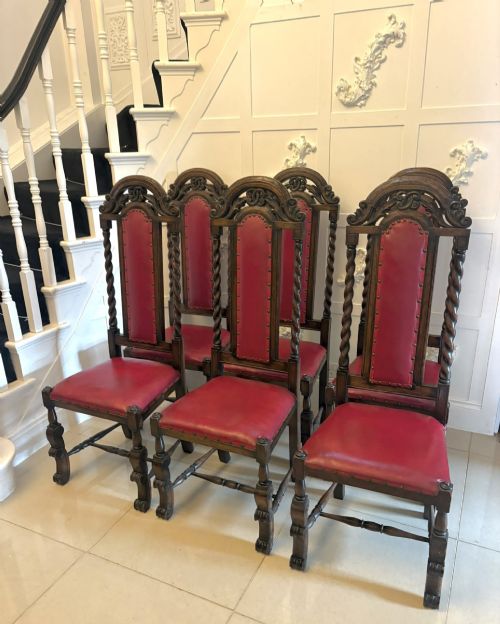
The selection ranges from tall-backed wainscot chairs and box settles to pairs of matching hall chairs bearing carved details. These items served practical purposes in large hallways, offering a place to sit while removing outer garments.
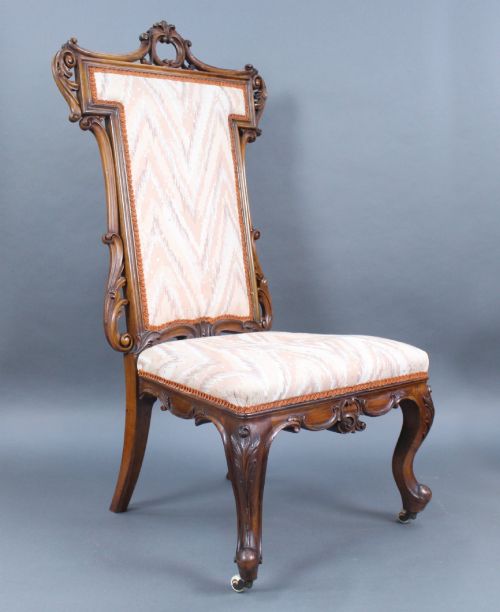
Nineteenth-century interpretations in walnut and oak appear frequently, alongside earlier timber forms. Most items adhere to traditional British furniture styles including Jacobean, Queen Anne, and Regency designs.
Materials and construction methods
Carpenters relied primarily on native timbers such as oak, elm, fruitwood, and mahogany for structural stability. Walnut also appears frequently across finer seating from the seventeenth and eighteenth centuries.
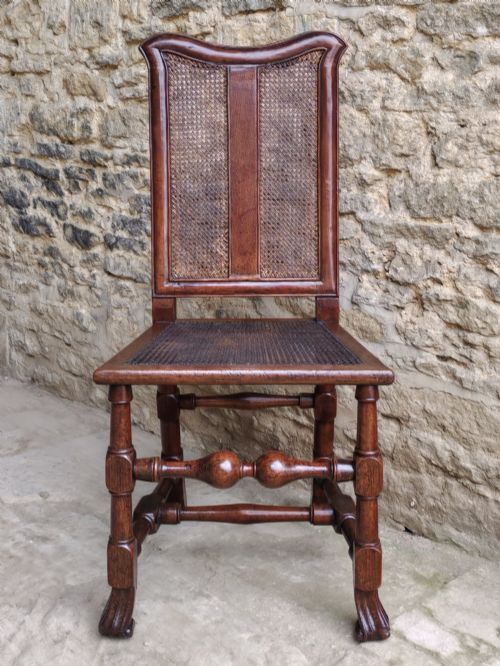
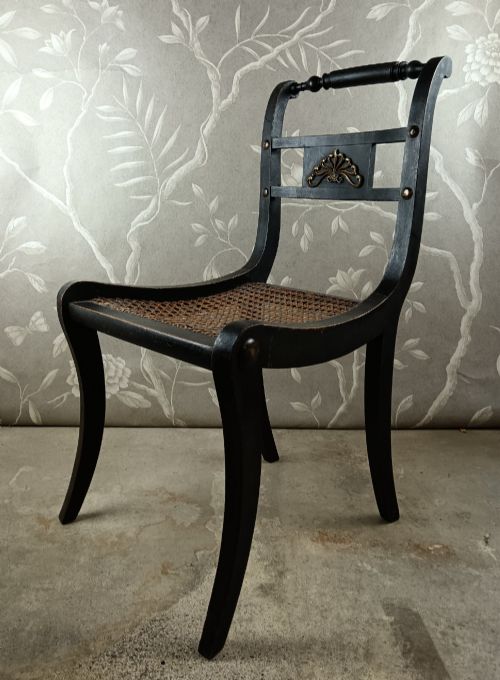
Joinery methods involved traditional mortise and tenon joints, often secured with wooden pegs in earlier oak items. Later Regency and Victorian pieces utilise turned elements, saber legs, cane inserts, and occasional brass inlay.
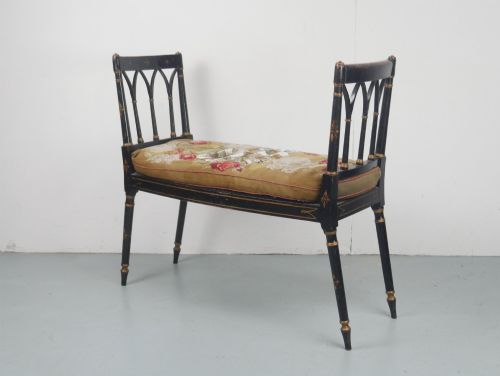
Upholstery materials range from exposed wooden panels to applied fabric, needlepoint, and textile elements on specific chairs and window seats.
Period Hall Seating Retail Price Guide 2026
Typical asking prices for period hall seating among the pieces listed under this phrase on Sellingantiques today, from the lower quarter to the upper quarter. They describe what is for sale here now, not the wider market.
Materials include cane, brass, fabric, and textile elements applied to walnut, oak, and fruitwood frames.
Distinctions in quality
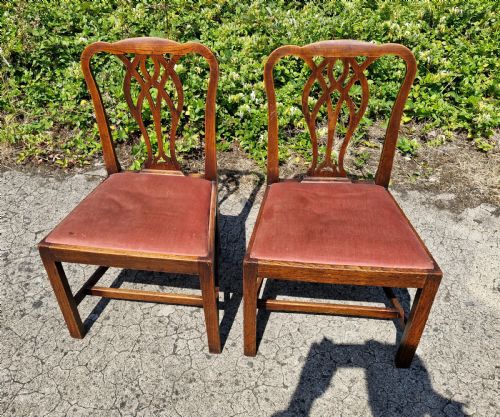
Quality rests upon the crispness of carved details on wooden splats and backrests. Sharply defined mouldings and well-proportioned turned legs distinguish finer examples from standard vernacular pieces.
The integrity of the timber and the retention of original structural components determine the standing of an item. Examples featuring intact cane work, original brass details, or uniform patination command greater attention from collectors.
Charles Tozer
The Period Hall Seating Glossary
- Settle
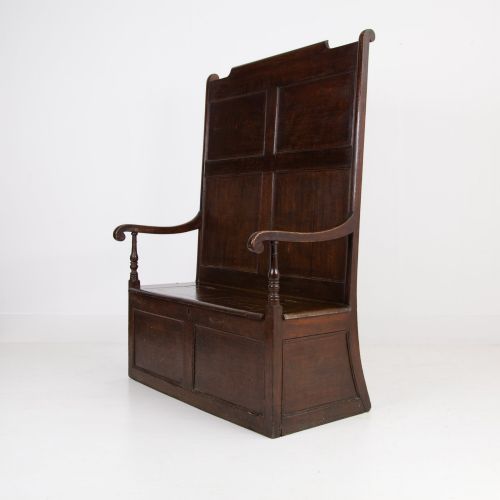
- A wooden bench featuring a high back, solid arms, and a box seat underneath for storage. This form kept draughts away from people sitting near the entrance.
- Wainscot chair
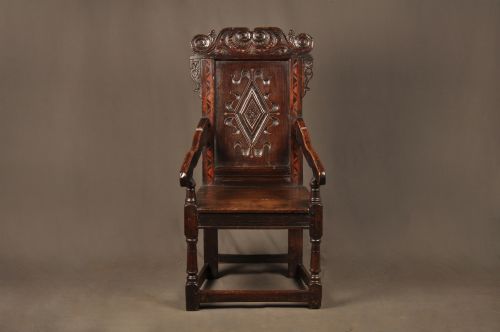
- An early wooden armchair constructed primarily of oak with panelled backrests. Carpenters built these heavy seats during the seventeenth century.
- Sabre leg
- A concave tapering leg curving outward in the manner of a cavalry sword. Regency designers utilised this shape extensively on side chairs.
- Splat
- The vertical central strip of wood down the middle of a chair back. Makers often shaped and carved this component to reflect specific stylistic periods.
- Cane
- Woven plant material used to form seats or back panels. It provided lightweight flexibility on eighteenth and nineteenth-century seating.
Period Hall Seating: Frequently Asked Questions
Where were period hall seats placed?
These pieces stood in entrance halls, corridors, and reception rooms of large houses.
They provided a formal resting place for guests and residents waiting in the vestibule.
How do I identify a seventeenth-century oak chair?
Seventeenth-century chairs display heavy oak construction with visible peg joints and panelled wooden backs.
Decoration often includes geometric carving, turned legs, and solid timber proportions characteristic of early vernacular furniture.
What is the difference between a hall chair and a side chair?
Hall chairs usually feature solid wooden seats and carved backs intended for occasional use in entranceways.
Side chairs are lighter dining or bedroom seats that more frequently incorporate upholstered pads or cane inserts.
Can I use an antique settle daily?
Solid oak settles offer sturdy construction suitable for regular seating in modern hallways or kitchens.
Their robust frames handle everyday use while providing practical integrated storage beneath the seat.