

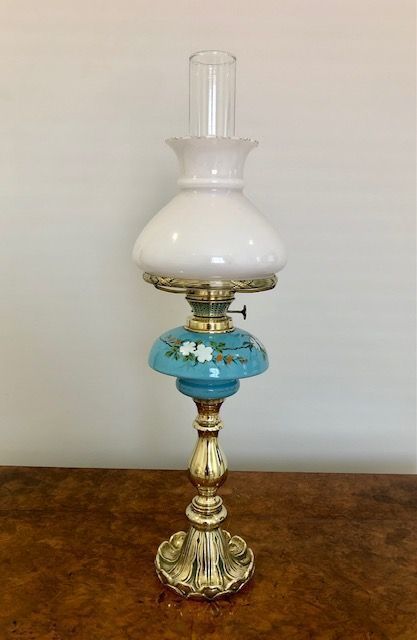


Period Glass Lighting Fixture
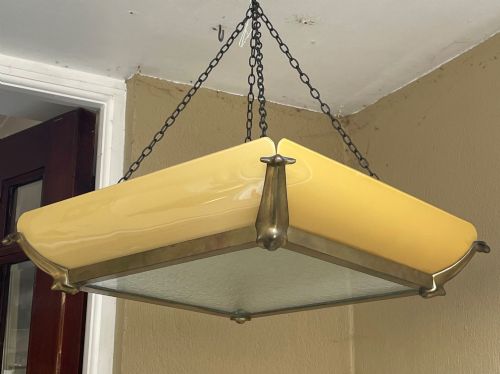
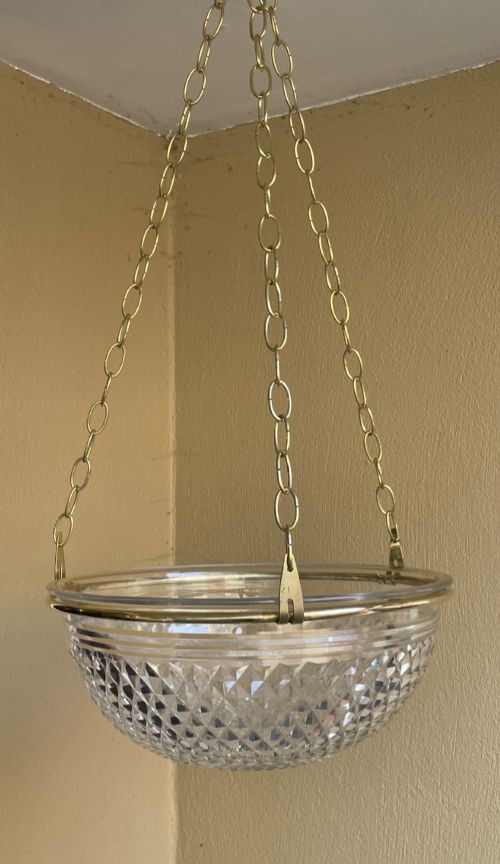
A period glass lighting fixture brings enduring character to a room, combining substantial brass, bronze, or copper frames with crystal, frosted, opaline, or cut glass components.
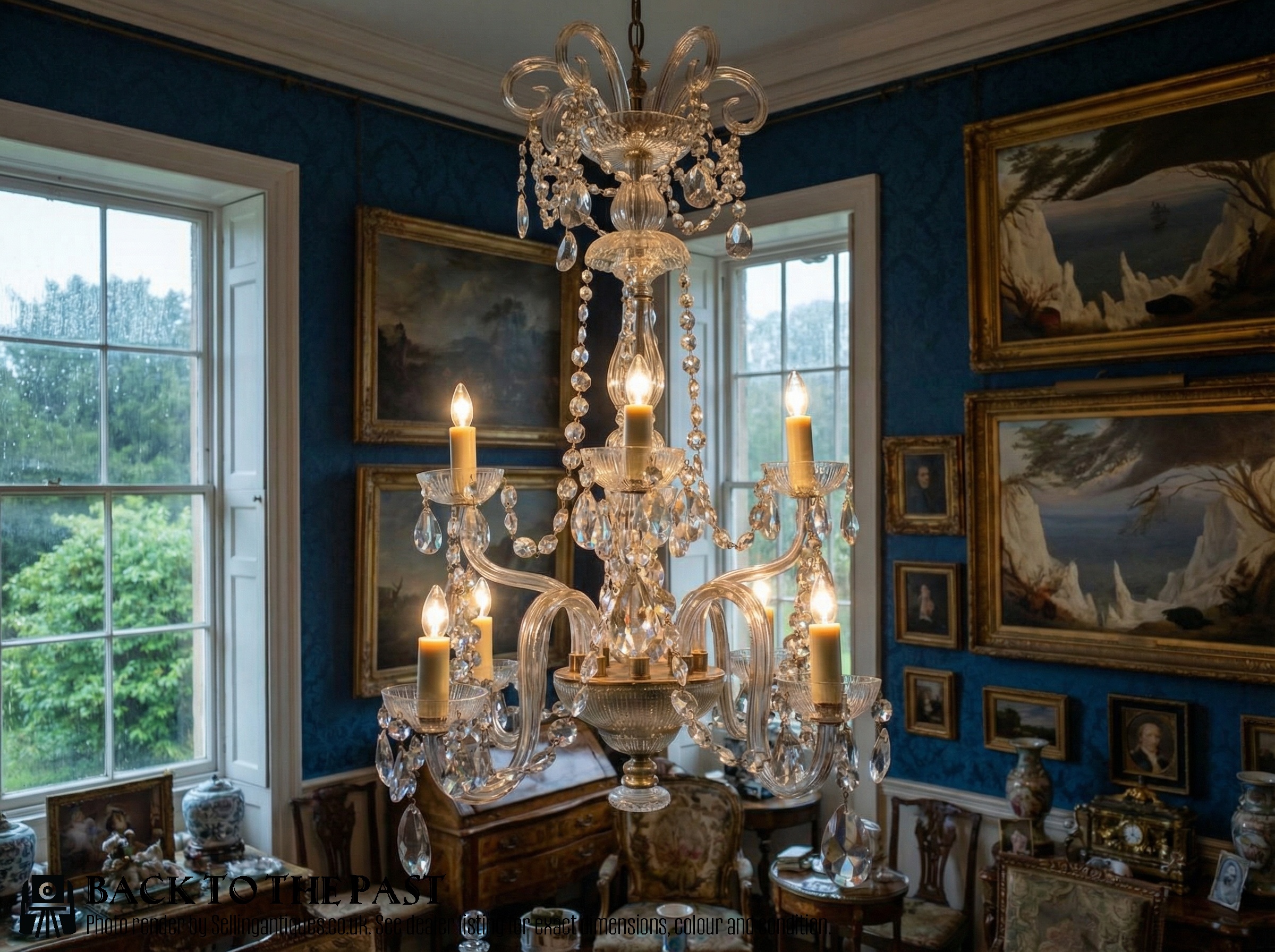
Period Glass Lighting Fixture
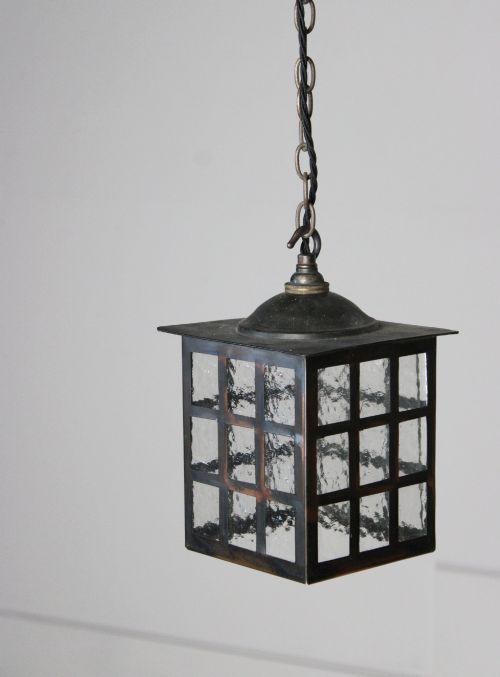
A period glass lighting fixture encompasses diverse ceiling lights, wall lights, chandeliers, and lanterns spanning Victorian, Edwardian, and Art Deco eras.
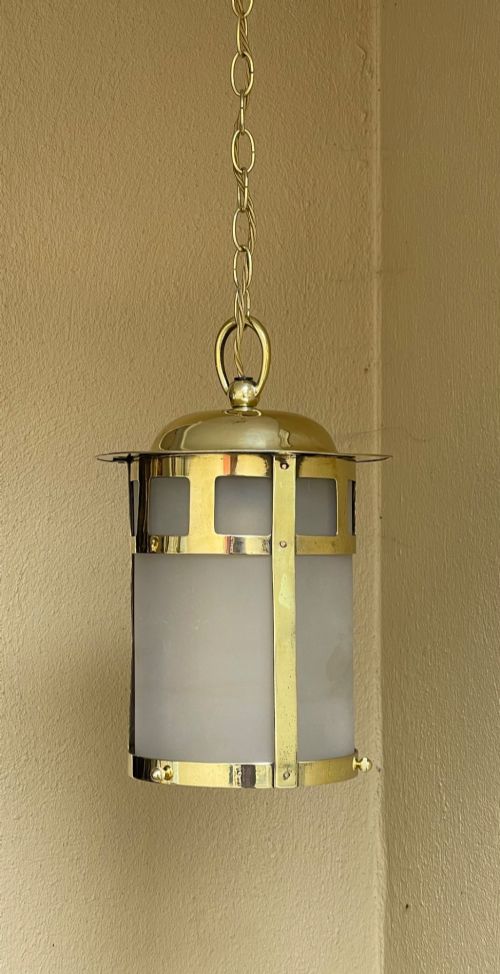
The selections available include elaborate French gilded bronze crystal chandeliers alongside functional Arts and Crafts brass hall lanterns.
Buyers seeking a period glass lighting fixture will encounter everything from small opaline glass pendants to large multi-armed chandeliers designed for substantial spaces.
How they were made
Metal components utilise brass, copper, iron, bronze, or chrome, shaped into frames, mounts, and ceiling plates to support the weight of the glass.
Glass elements combine moulded opaline, frosted panels, and hand-cut crystal drops secured by metal pins or plated mountings.
Early electrical adaptations sit alongside converted oil lamps and gas fittings, preserving original metalwork integrity.
Listings span periods from the nineteenth century through the Edwardian era to 1930s Art Deco designs.
What varies in quality
The depth of hand-cutting on crystal bowls and prisms dictates the brilliance of the refraction, separating standard press-moulded glass from finer cut examples.
Substantial cast bronze or heavy brass frames with crisp chasing distinguish finer workshop production from lighter stamped metal alternatives.
Completeness of original matching glass shades and uniform patination across metal surfaces elevate the standing of any fixture.
F and C Osler
The Period Glass Lighting Fixture Glossary
- Plafonnier
- A shallow ceiling light fitted close to the ceiling surface, often featuring cut or frosted glass held within a decorative metal rim.
- Electrolier
- A light fixture designed specifically for electricity rather than gas or oil, frequently applied to grand multi-branched chandeliers.
- Opaline glass
- An opaque white or tinted glass developed during the nineteenth century, valued for diffusing soft light evenly without glare.
- Gilded bronze
- Metal alloy treated with a fine layer of gold leaf or gold wash, commonly found on decorative mounts of French chandeliers.
- Hall lantern
- An enclosed hanging light traditionally suspended in entranceways and corridors, constructed with glass panels set into metal framing.
Period Glass Lighting Fixture: Frequently Asked Questions
How do I hang a heavy chandelier safely?
Suspension requires locating a ceiling joist or installing a heavy-duty steel joist bracket capable of supporting the combined weight of the metal frame and glass components.
Professional electrical installation ensures the wiring safely accommodates the total lamp load and securely anchors the ceiling rose.
Can I clean cut glass drops at home?
Individual glass prisms and drops benefit from gentle washing in lukewarm water with mild soap, avoiding harsh chemical cleaners that damage aged metal settings.
Allowing components to air dry on a soft towel prevents lint transfer and restores maximum sparkle before reattachment.
How do I distinguish Edwardian from Victorian lighting?
Victorian pieces tend to feature heavier brass casting, ornate ceramic details, and darker patination suited to gas or oil combustion.
Edwardian and later styles favour lighter frames, cleaner geometric lines, and integrated electrical wiring reflecting changing domestic interiors.
Are these fixtures wired for modern standards?
Most antique lighting requires rewiring by a qualified electrician to comply with current safety regulations and local electrical codes.
Original lamp holders are often replaced or restored internally while preserving the external period metalwork appearance.