
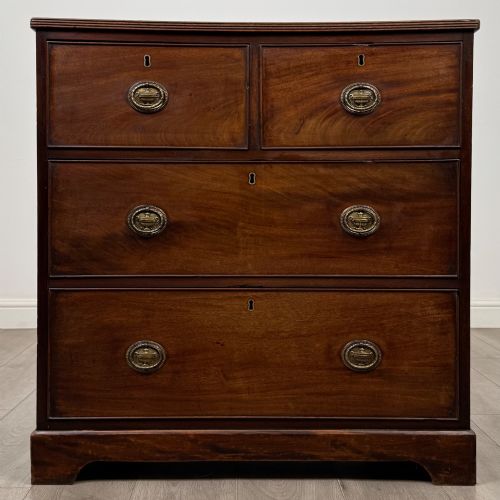
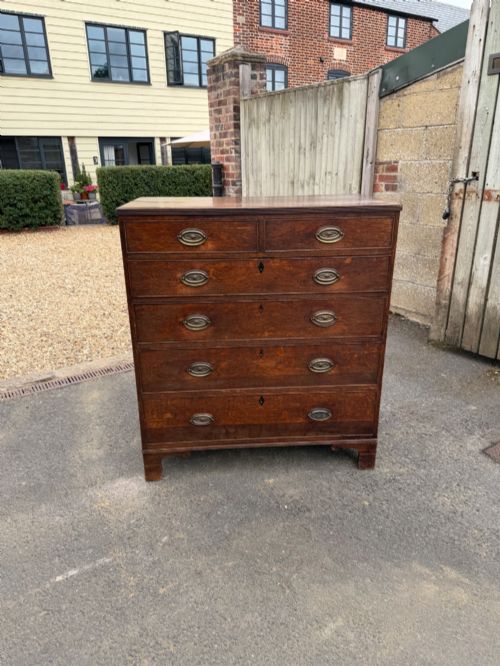
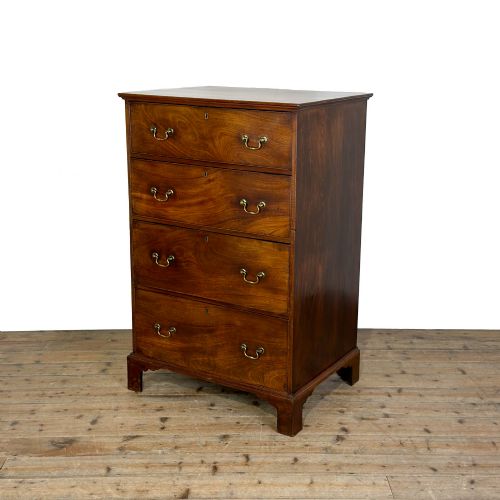
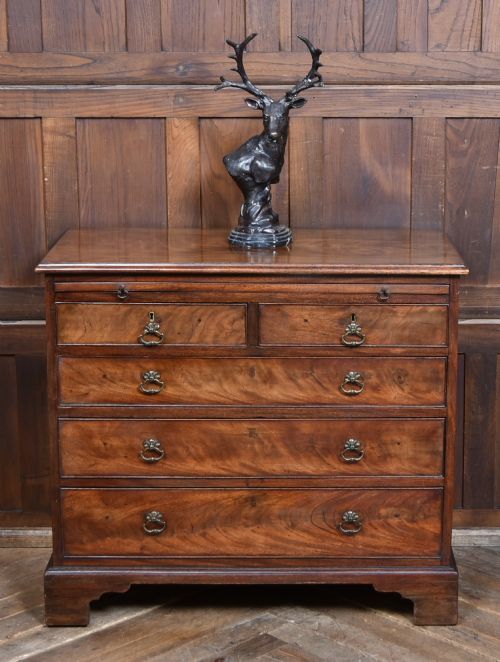
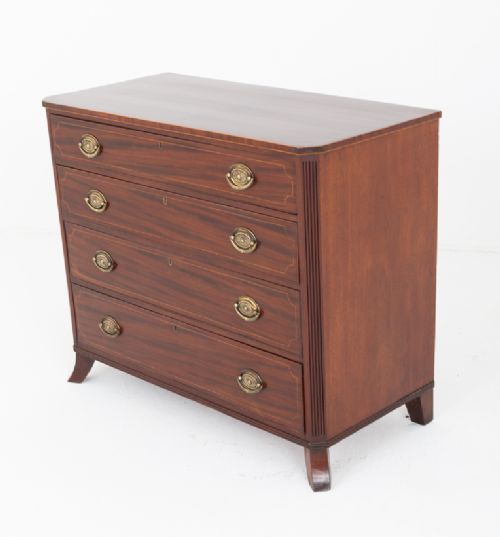
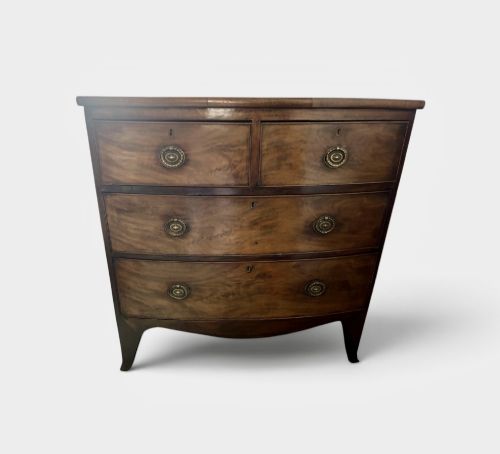
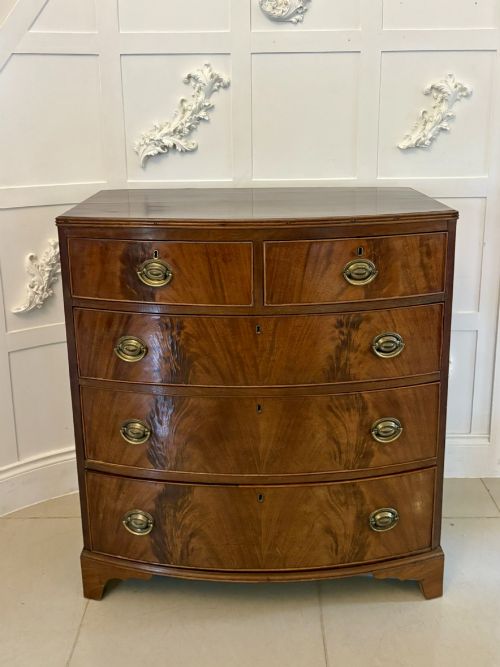
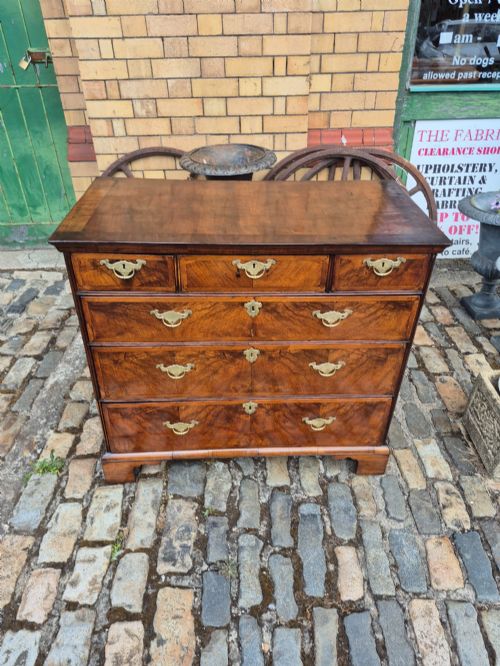
Period Georgian Commode
A period georgian commode brings substantial presence to a room, offering practical storage through time-tested timber construction.
Period Georgian Commode
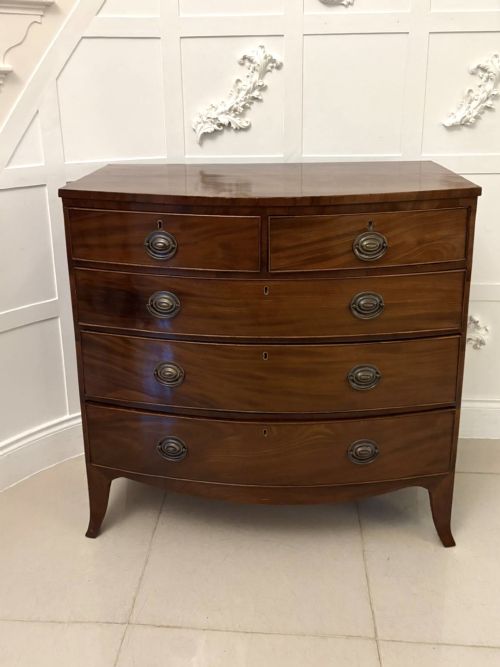
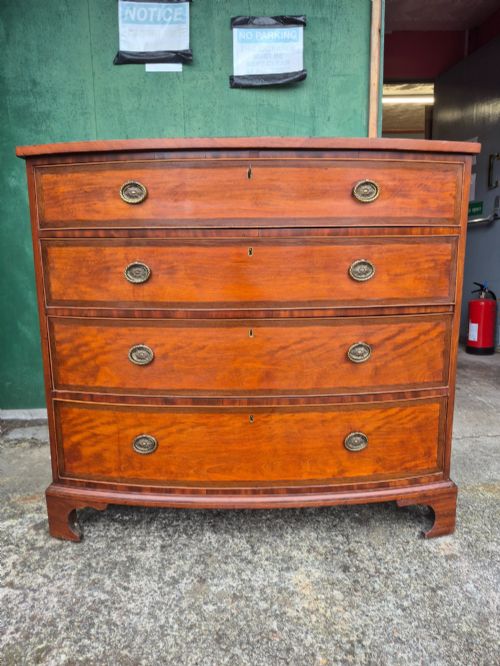
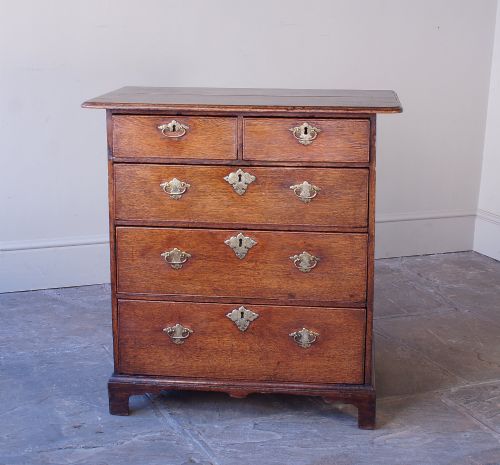
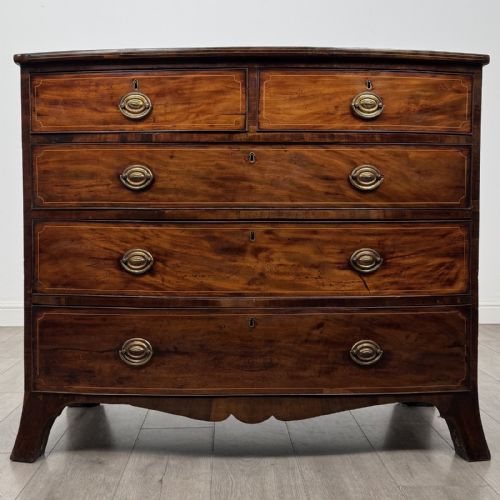
When you search for a period georgian commode, you encounter a variety of forms including chests of drawers, bedside cabinets, and close stools. The listings on this page span the 18th century, Georgian, and Regency periods, showing how domestic storage evolved across decades.
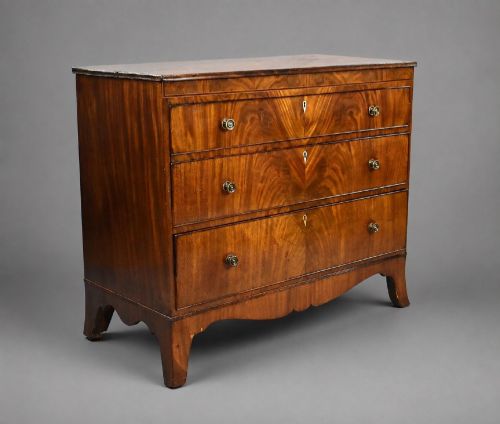
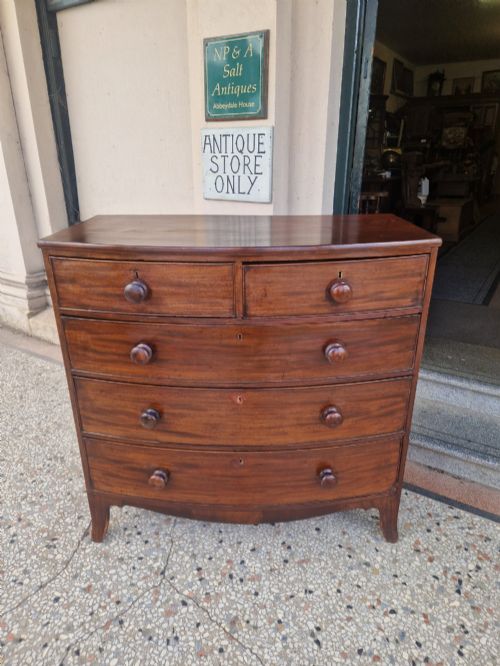
Mahogany predominates among the surviving pieces, often shaped with bow fronts or straight lines, alongside walnut, oak, elm, and satinwood. These items range from large four-drawer chests down to small bedside tables and miniature furniture.
The practical function remains storage, whether through stacked drawers or specialised forms like close stools designed to mimic small chests. Such pieces reflect the craftsmanship of periods spanning from the early 18th century through to the Regency era.
Materials and construction
Cabinetmakers utilised dense timbers such as mahogany, oak, walnut, and elm to build the carcases and drawers. Figured veneers, flame mahogany, and satinwood surface treatments add visual depth to many of the bow front and serpentine forms.
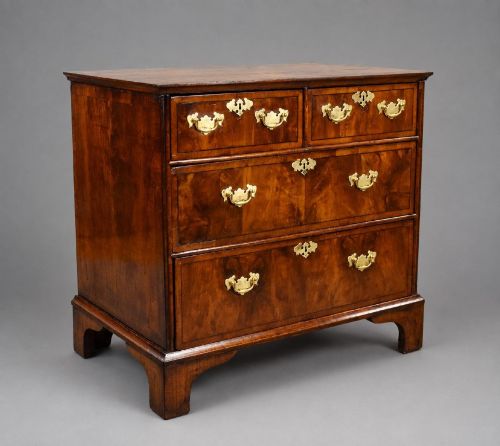
Metalwork relies on brass for handles and escutcheons, complementing the warm tones of the wood. Secondary structural timbers like pine appear internally, whilst bone sometimes provides small decorative details.
Listings span the Georgian, Regency, and 18th-century periods, utilising mahogany, walnut, oak, elm, and satinwood.
Distinctions in quality
The selection of timber grain heavily influences visual distinction, with figured mahogany, burr walnut, and flame veneers marking out more ambitious commissions. Subtle shaping, such as serpentine fronts and fine bracket feet, separates standard storage from finer items.
Patina and surface preservation tell the story of age, distinguishing items with undisturbed original finishes from those heavily restored. The precision of drawer dovetails and the retention of original brass hardware further elevate a piece.
The Period Georgian Commode Glossary
- Bow front
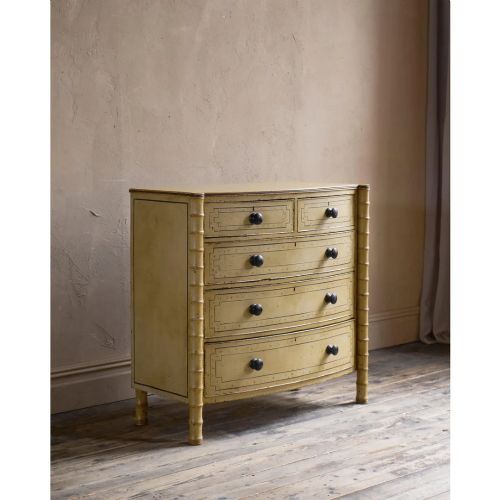
- A convex curved cabinet front that projects outward in the centre. This shape became popular during the late 18th century on mahogany and satinwood chests.
- Close stool
- A piece of furniture designed to enclose a chamber pot, often disguised as a small bedside chest or cabinet. Examples in the evidence utilise oak and elm.
- Serpentine
- A front shape defined by a central convex curve flanked by two concave curves. It requires considerable skill from the woodworker to execute properly.
- Tray top
- A raised rim around the upper surface of a small table or commode designed to prevent items from rolling off. This feature appears on Chippendale period commodes.
- Bracket foot
- A simple structural foot extending from the corners of a piece of furniture, formed by two mitred pieces of wood. These support many Georgian chests of drawers.
- Patina
- The deep surface sheen and colour developed by wood over long periods of handling and exposure to light. Good patina is valued by collectors.
Period Georgian Commode: Frequently Asked Questions
What is the difference between a chest of drawers and a commode?
In this period, the term commode often refers to lower cabinets, bedside pieces, or close stools, whilst chests of drawers provide stacked horizontal storage.
Both share similar construction methods and timber choices, but their intended domestic uses varied within the bedroom or dressing room.
Are these pieces suitable for modern bedrooms?
Their compact proportions and durable timber construction make them practical for contemporary storage needs.
Chest of drawers and bedside cabinet formats integrate easily beside modern beds or within hallways.
What woods were commonly used?
Mahogany is the most frequent timber seen, followed by oak, walnut, and elm for earlier items.
Cabinetmakers also applied satinwood and burr walnut as decorative veneers on drawer fronts.