
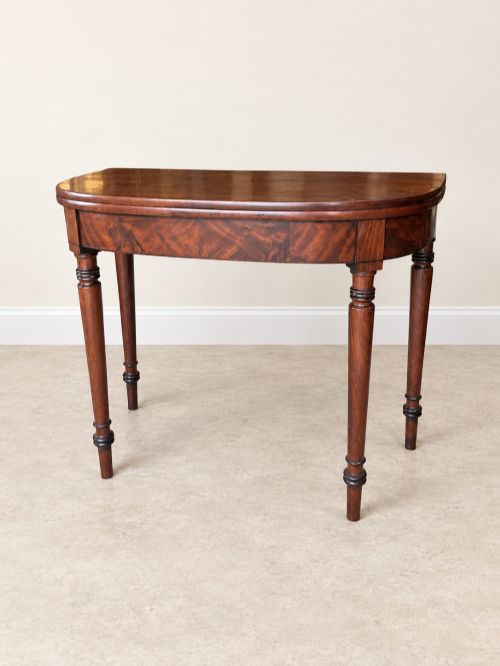
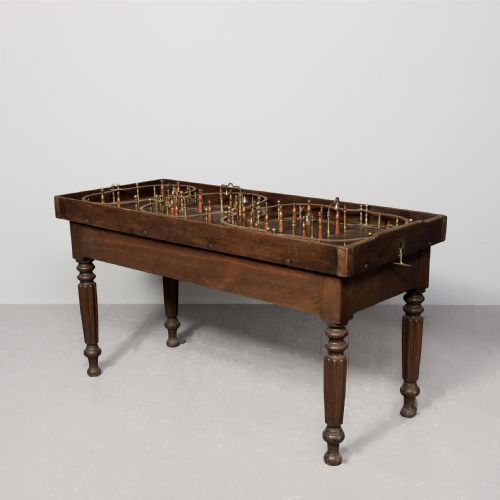
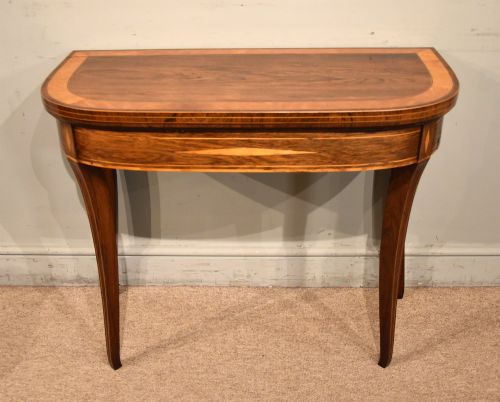
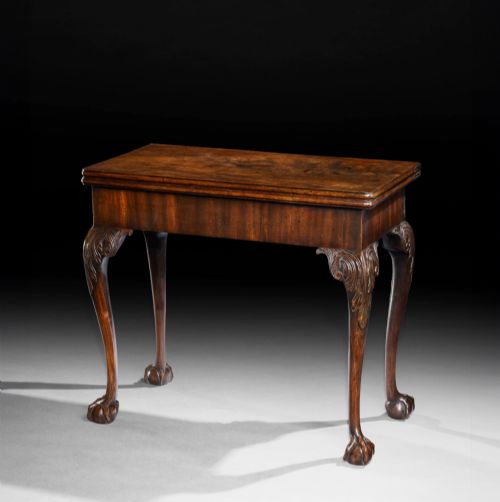
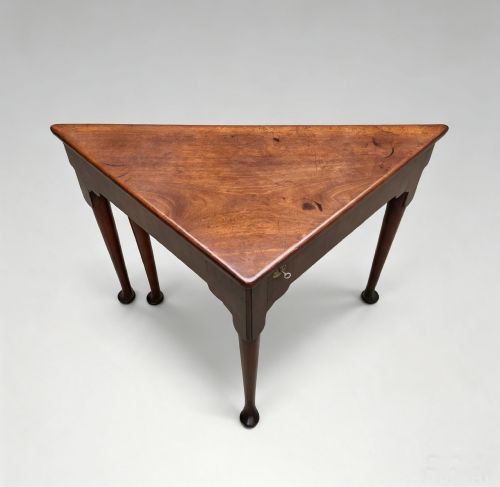
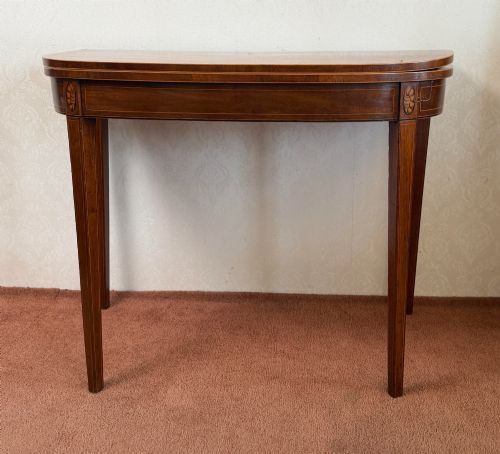
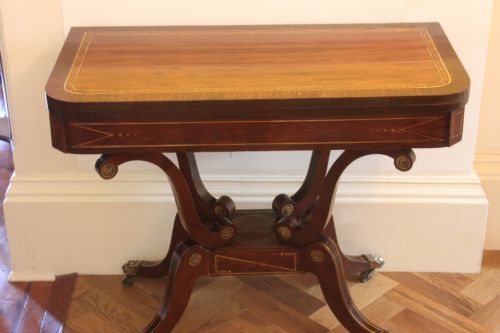
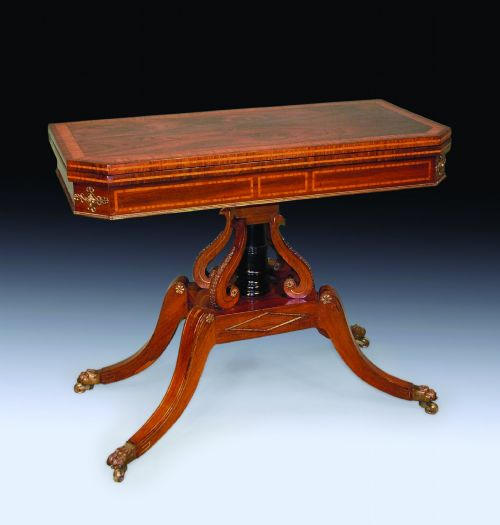

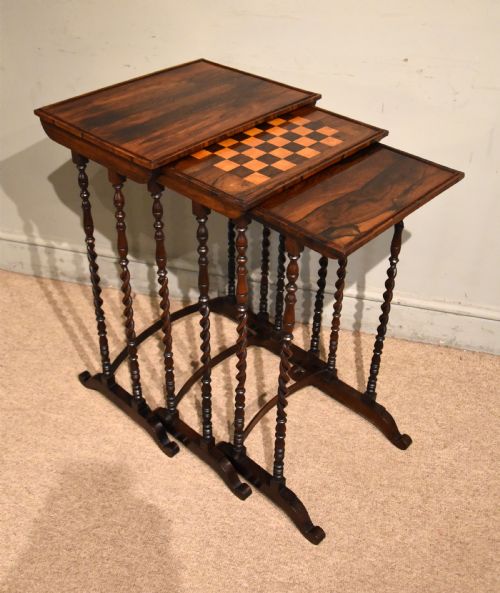


Period Games Table
When you search for a period games table, you uncover versatile dual-purpose furniture designed for cards, chess and social evenings.
Period Games Table
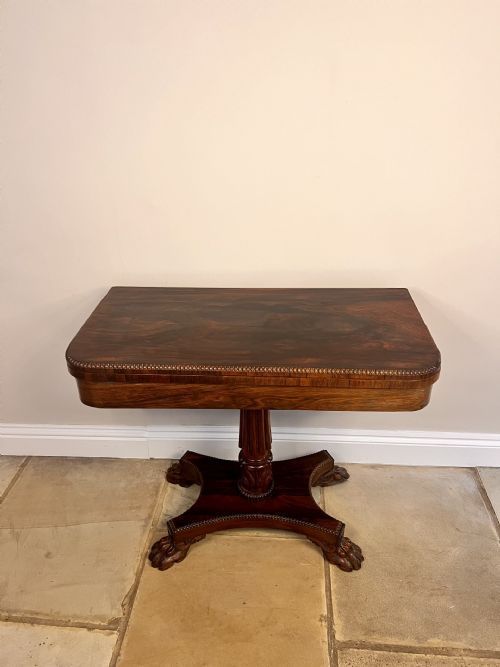
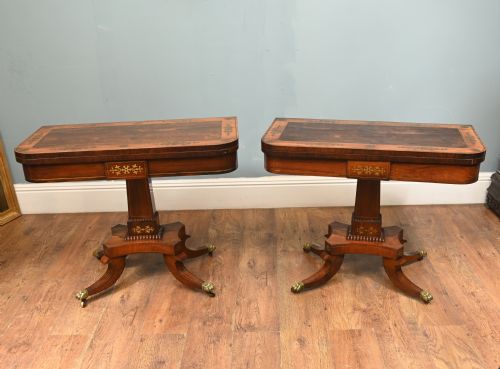
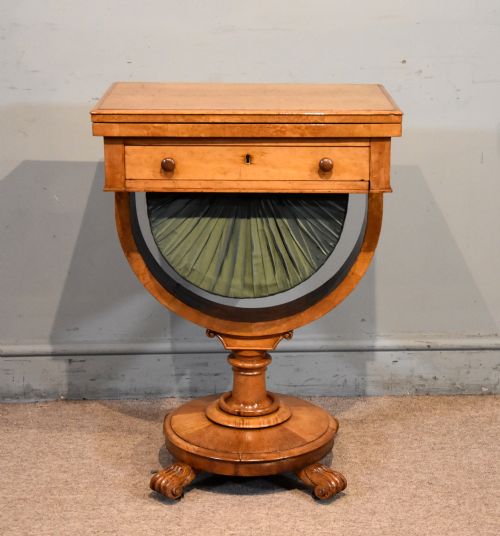
A period games table primarily functions as a foldable or convertible piece designed for pastimes like cards and chess, originating across the eighteenth and nineteenth centuries. The listings frequently feature forms such as fold-over card tables, D-shaped tables, and envelope tops from the Regency, Georgian, and Victorian eras.
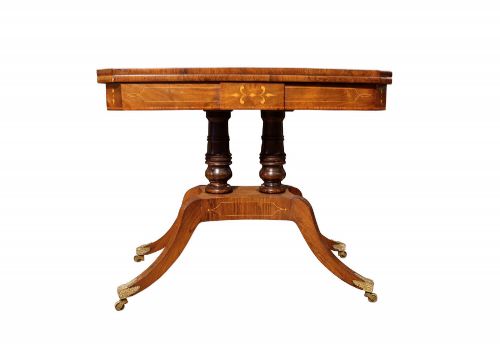
Makers utilised rich timbers including mahogany and rosewood, often pairing them with intricate satinwood veneers, brass inlay, or penwork details. These items transition seamlessly from a compact console or side piece to a fully operational gaming surface.
Materials and construction methods
Cabinet makers constructed primary frames in solid timbers like mahogany, oak, and rosewood, applying fine veneers of satinwood, kingwood, and burr walnut across the surfaces. Secondary woods provided structural stability inside aprons and folding mechanisms.
Complex joinery and hardware enabled the folding leaves, concertina actions, and rotating tops to operate smoothly. Brass castors, sabots, ormolu mounts, and delicate string-inlay in boxwood and ebony completed the ornamentation.
Listings feature woods like mahogany, rosewood, satinwood, pollard oak, and ebonised wood across Georgian, Regency, and Victorian periods.
Assessing craftsmanship and execution
Quality reveals itself in the choice of timber figurations, such as highly figured Honduras mahogany or richly grained rosewood matched across the folding leaves. Superior examples display precision in brass inlay, crisp carving on pedestal bases like dolphins or lyres, and robust hinges that hold the top level when open.
Thomas Parker·Edwards & Roberts·Gillow & Co·Maple & Co·William Trotter
The Period Games Table Glossary
- Fold-over
- A table top hinged to double its surface area when opened for play. This design conceals a well or compartment underneath for storing cards and counters.
- Concertina action
- An expanding frame mechanism that pulls outward symmetrically to support an opened fold-over top. This engineering feat allows all four legs to move outward for maximum stability.
- D-shaped
- A tabletop profile resembling the letter D, featuring a straight back edge against the wall and a curved front. These forms appeared frequently in Regency card and tea tables.
- Envelope top
- A revolving square tabletop comprising four triangular flaps that fold inward like an envelope. Rotating the top causes the flaps to open and reveal a baize-lined playing surface.
- String-inlay
- A narrow strip of contrasting timber or light-coloured wood embedded flush into the surface. Craftsmen used boxwood and ebony to create delicate geometric borders on tabletops and legs.
Period Games Table: Frequently Asked Questions
How do you open a fold-over games table?
Most folding leaves pivot on brass hinges attached to a rear rail or swivel on a central pivot pin. Lifting the top section reveals the hidden interior compartment before swinging the leaf completely over.
Supporting legs either pull out via a concertina frame, swing outward on a gateleg pivot, or remain stationary while the top rotates ninety degrees to rest on the base.
What is the difference between a card table and a games table?
A card table specifically references a surface sized for card games, often featuring recessed corner cups for candlesticks and lined with green baize or felt. These units frequently double as tea or console tables when closed.
Other games tables incorporate permanent inlaid boards for chess, draughts, or backgammon, or feature specialised compartments for roulette and skittles.
How were games tables used in historical homes?
During the Georgian and Regency eras, these tables stood against drawing room walls as decorative console or tea tables when not in use. Servants moved them into the centre of the room for evening entertainment.
Families and guests gathered around them for cards, board games, or sewing tasks, utilising the integrated wells to store counters, dice, and textile work.
How do I identify a Regency games table?
Regency pieces often feature dark exotic timbers like rosewood contrasted with brass inlay, brass mounts, and sabots. Common base designs include carved dolphin supports, lyres, or central pedestals with four splayed legs.
Cabinet makers working in this period favored clean architectural lines combined with classical motifs inspired by French and ancient Roman design.