



Period Gainsborough Chair
A period gainsborough chair offers generous proportions and upholstered comfort, standing as a distinguished form of library seating.
Period Gainsborough Chair
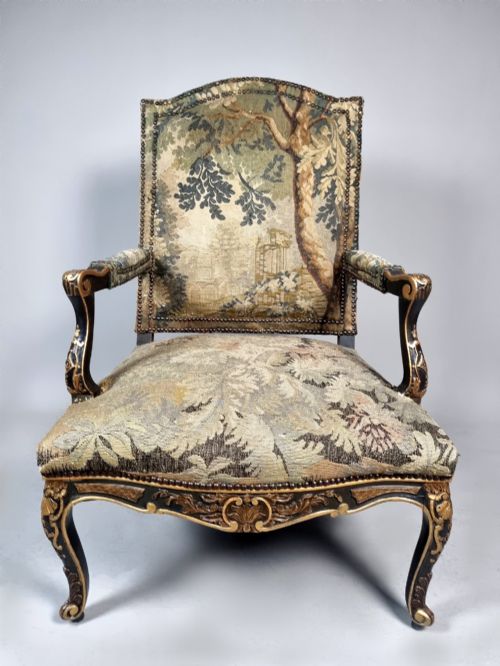
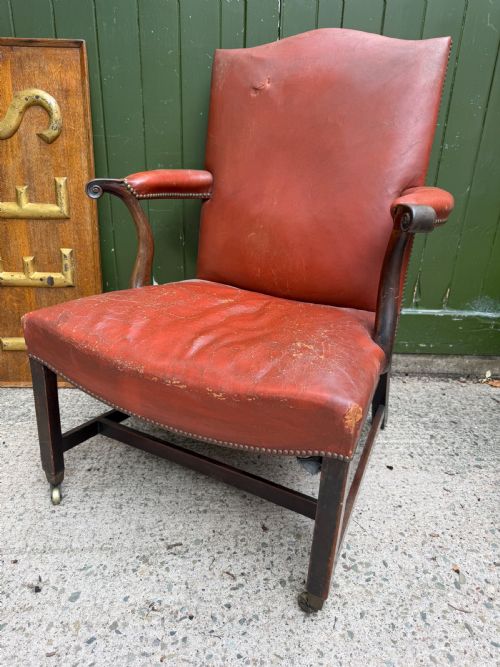
A period gainsborough chair is a wide-seated, upholstered armchair designed for reading and writing, traditionally positioned beside a desk or in a library. These chairs are defined by their open padded arms, straight upright legs, and supportive high backs.
Most examples encountered on this page date from the Georgian era, specifically the reigns of George II and George III. Makers built these pieces using robust timbers such as mahogany and yew wood, often applying carved details to the frame.
Later interpretations, including nineteenth-century revivals and early twentieth-century walnut pieces, emulate the earlier forms. Buyers frequently find both authentic eighteenth-century library armchairs and period-revival iterations sharing the same classic proportions.
Construction and materials
Cabinetmakers fashioned the structural frames of a period gainsborough chair from dense timbers, primarily relying on solid mahogany or yew wood. These woods provided the necessary strength to support the broad seat and upright back without requiring bulky structural bracing.
Upholstery completed the piece, utilising traditional coverings such as leather, damask, tapestry, or fabric. Workshops often embellished the wooden frames with hand-carving and occasional gilding, while brass details appeared on select examples.
Period Gainsborough Chair Retail Price Guide 2026
Typical asking prices for period gainsborough chair among the pieces listed under this phrase on Sellingantiques today, from the lower quarter to the upper quarter. They describe what is for sale here now, not the wider market.
Listings span the eighteenth, nineteenth, and early twentieth centuries, utilising mahogany, yew wood, leather, and damask.
Distinguishing quality
Quality in a period gainsborough chair rests primarily on the crispness of the timber carving and the integrity of the structural joinery. Finer examples display deeply sculpted details on the arm supports and leg rails, executed by skilled hands.
The choice of primary wood and the proportion of the frame dictate the visual balance of the piece. Superior specimens maintain harmonious lines between the open arms and the upholstered back, distinguishing them from heavier revival interpretations.
The Period Gainsborough Chair Glossary
- George III
- The period of British design spanning the second half of the eighteenth century and the early nineteenth century. This era encompasses the height of refined mahogany furniture production.
- Library armchair
- A comfortable upholstered seat designed for reading rooms, often featuring padded arms and generous dimensions. These chairs accommodate long periods of seated study.
- Mahogany
- A durable tropical hardwood imported for high-end British cabinetmaking from the eighteenth century onward. Its stability made it the preferred material for carved chair frames.
- Chippendale style
- A decorative design movement influenced by the pattern books of Thomas Chippendale. It is characterised by elaborate mahogany carving and confident proportions.
- Gilding
- The application of gold leaf or powder to a wooden surface to add decorative brilliance. This technique highlights carved architectural motifs on select frames.
Period Gainsborough Chair: Frequently Asked Questions
What is a gainsborough chair?
A gainsborough chair is a wide, upholstered armchair with open padded arms, designed during the eighteenth century for reading and writing at a desk.
These seats combine sturdy wooden frames of mahogany or yew with comfortable upholstered padding, making them distinct from dining or drawing-room chairs.
How do I date a period gainsborough chair?
Dating relies on examining the timber species, the style of the carved details, and the construction methods used in the frame. Eighteenth-century pieces typically show hand-carved mahogany, whereas later revivals often adopt nineteenth or twentieth-century styling.
Comparing the stretcher arrangement and leg form against established Georgian design markers helps confirm the period of manufacture.
Where were these chairs used?
These armchairs were historically placed in home libraries, studies, and withdrawing rooms alongside writing tables. Their open arms permitted the wearing of bulky contemporary garments while seated.
Today, collectors use them in home offices, living rooms, and bedrooms as statement seating that functions practically.
Are revival pieces considered authentic?
Revival pieces are authentic examples of later periods, such as the nineteenth century or early twentieth century, rather than original eighteenth-century creations. They reflect the enduring popularity of Georgian design.
Buyers value these revival chairs for their quality craftsmanship and period-appropriate materials, even though they were manufactured decades after the original styles peaked.