
Period Furniture Storage
Period furniture storage brings together centuries of oak, mahogany and walnut built to hold linen, silver and clothes with architectural gravity.
Period Furniture Storage
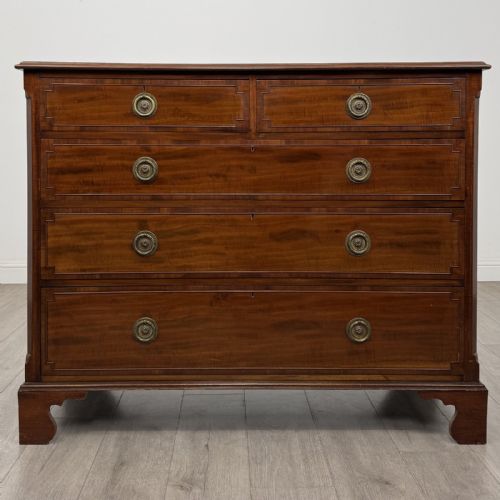
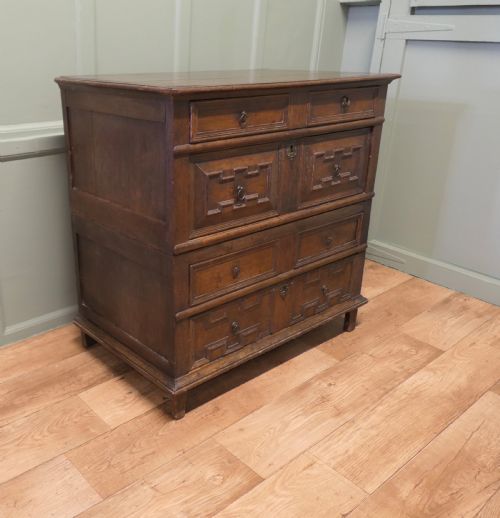
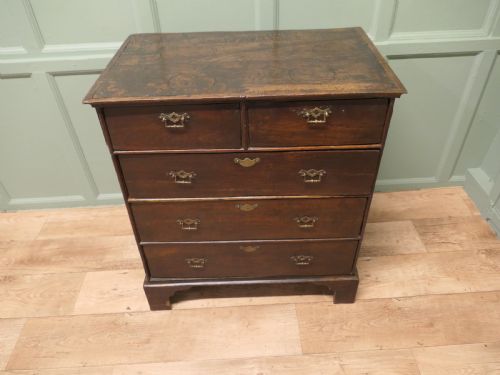
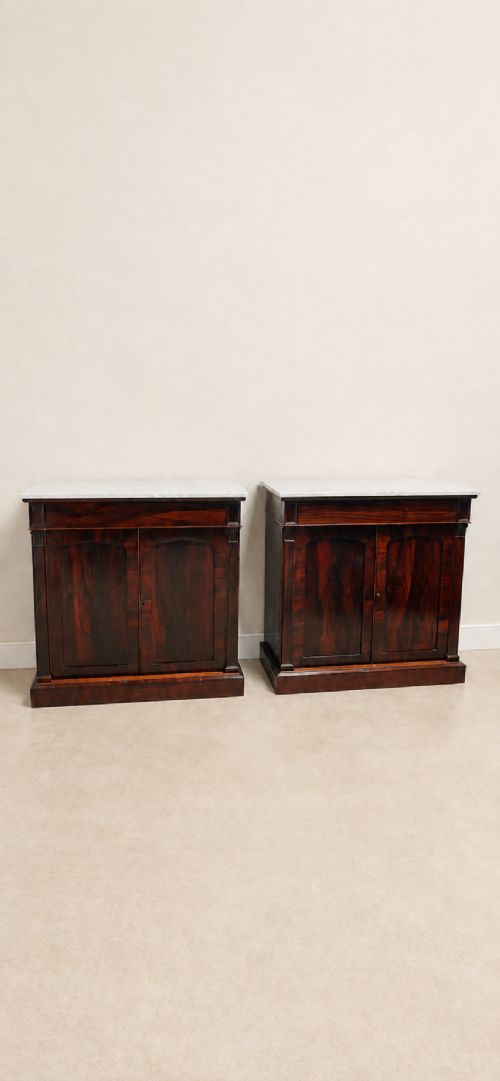
Period furniture storage encompasses chests of drawers, coffers, cupboards, chiffoniers and side cabinets originating from the seventeenth, eighteenth and nineteenth centuries. When searching for period furniture storage, buyers encounter substantial oak pieces from the sixteen-hundreds alongside refined mahogany and rosewood designs from the Georgian and Regency eras.
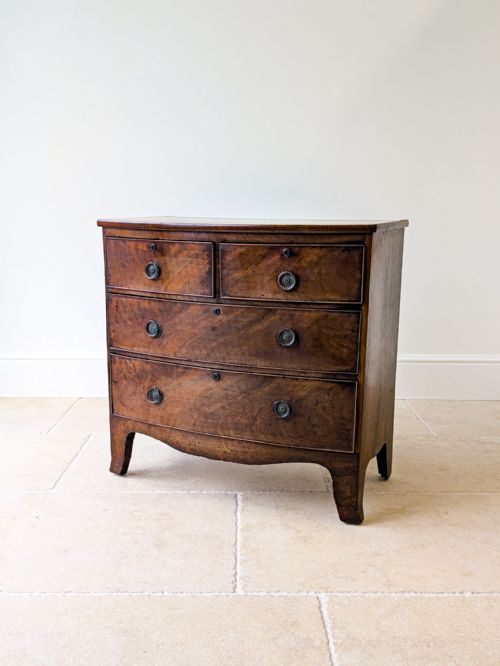
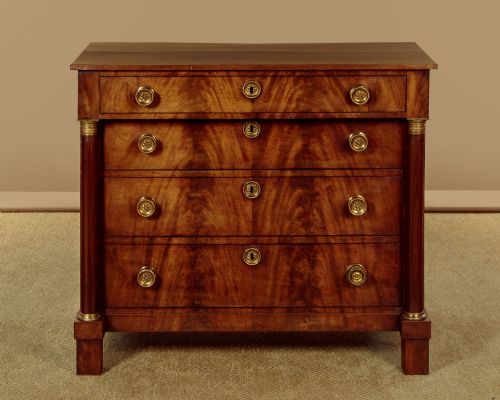
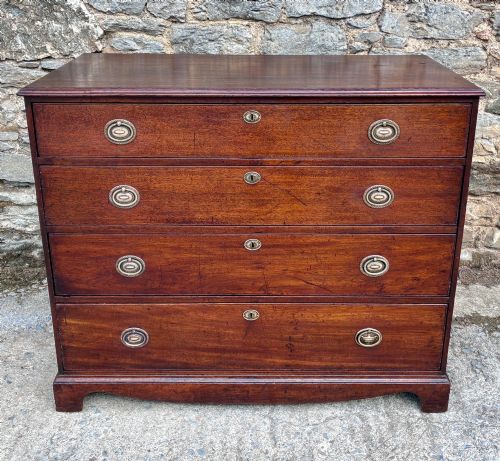
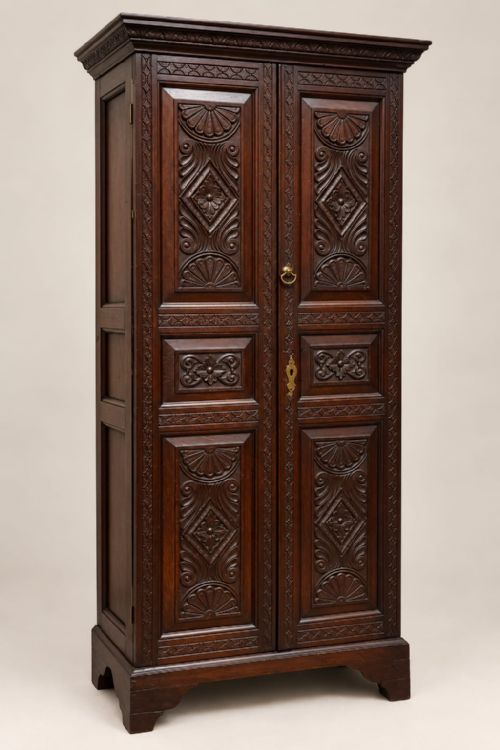
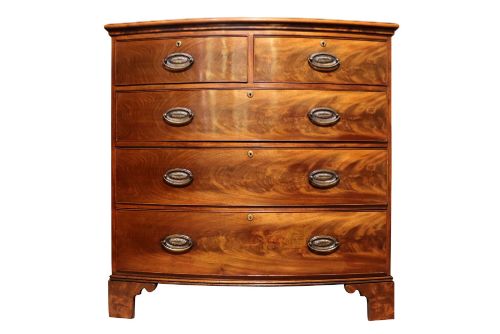
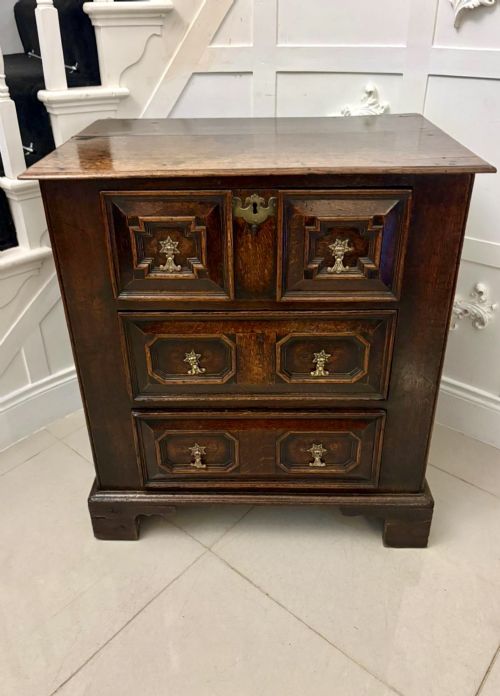
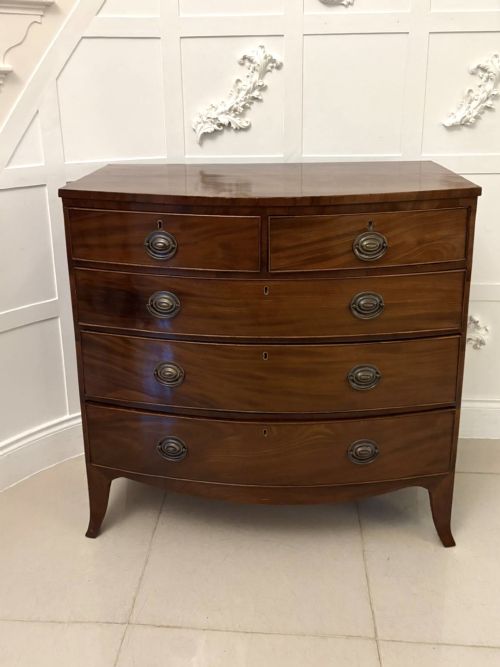
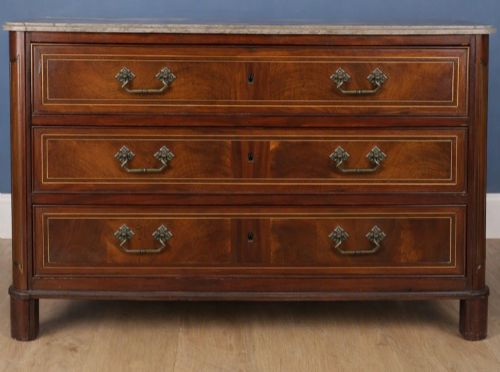
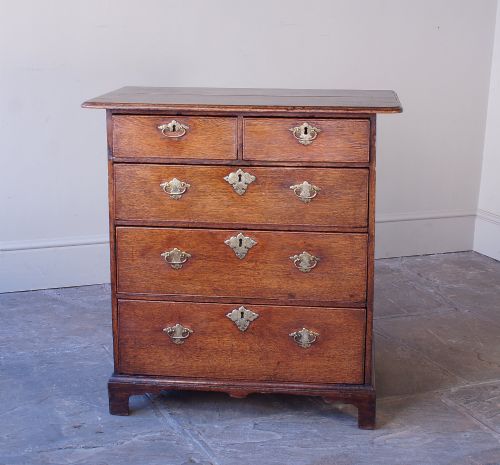
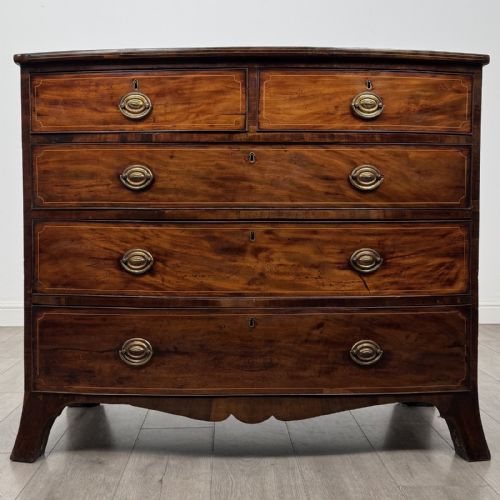
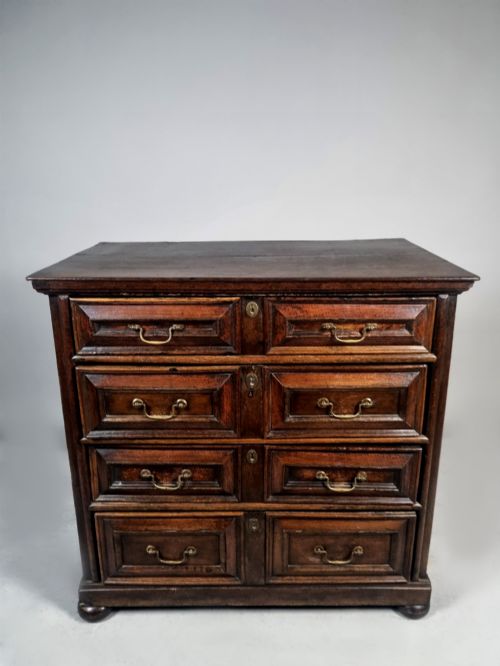
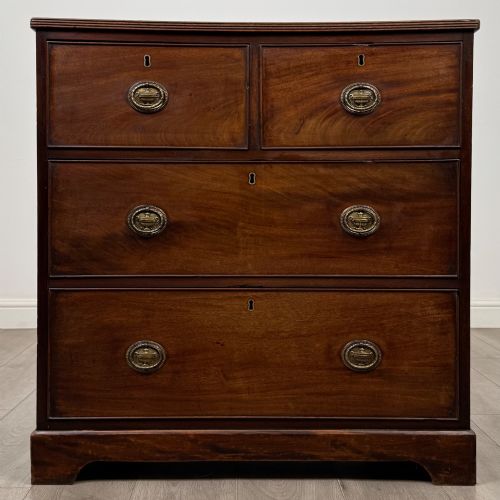
The most common items meeting this search are chests of drawers, ranging from small early oak examples to bow-fronted George III mahogany designs and larger chest-on-chest configurations. Alongside these sit corner cupboards, side cabinets and panelled coffers constructed across British and European workshops.
The periods represented span the seventeenth century through the Regency era and into the nineteen-twenties for revival styles, showing a heavy concentration of Georgian cabinet-making. These items served domestic utility in bedrooms, halls and garrets before entering the antiques market as functional heritage pieces.
Distinctions in Execution
Quality separates ordinary utility pieces from exceptional cabinet-making through the selection of timber figures, such as burr oak or figured mahogany, and the crispness of hand-cut dovetails. The thickness of drawer linings, the retention of original brass hardware and the symmetry of geometric mouldings dictate the standing of an individual chest or cabinet.
Proportion and scale also define the upper tier of these items, where smaller dimensions or unusual configurations command greater attention. The integrity of the carcass, the depth of colour in the polished wood and the restraint or ambition of inlay work distinguish standard regional items from high-workshop commissions.
Some seventeenth-century Welsh coffers carry dates carved deep into their oak panels, ensuring the woodwork outlived the carpenter who shaped it.
The Period Furniture Storage Glossary
- Bow front
- A convex curved front to a chest of drawers or cabinet, popular during the Georgian and Regency periods. This shape softens the room placement of large storage items.
- Chest-on-chest
- A tall storage unit formed of one chest stacked directly upon a larger base chest, also known as a tallboy. This form maximises vertical storage capacity.
- Mule chest
- A traditional oak chest featuring one or two drawers at the base beneath a hinged lid compartment. These combined the storage of a coffer with the drawer utility of a lowboy.
- Chiffonier
- A low sideboard or cabinet with enclosed shelves below and frequently a raised gallery or shelf structure above. Regency examples often incorporate brass grilles lined with fabric.
- Marquetry
- Decorative veneer work arranged in geometric or floral patterns using contrasting timbers and organic materials. This technique requires meticulous hand-cutting and fitting.
- Bracket feet
- Support feet extending from the corners of a cabinet or chest, shaped with a simple curved or ogee profile. They lift the carcass slightly off the floor.
Period Furniture Storage: Frequently Asked Questions
What is a period chest of drawers?
A period chest of drawers is a wooden storage unit built before the Victorian era, typically featuring stacked horizontal drawers used for linens and clothing.
These pieces rely on solid oak, mahogany or walnut construction, joined by hand-cut dovetails and finished with period brass hardware.
How do you use antique storage furniture today?
Antique storage pieces function effectively in modern interiors for stowing clothes, bedding, tableware or paperwork while adding architectural character to a room.
Positioning them in bedrooms, hallways or living spaces allows you to utilise their deep drawers and cupboards for daily domestic organisation.
How can you tell a seventeenth-century oak chest from a Georgian one?
Seventeenth-century chests display heavy timber construction, pegged joints, panelled sides and geometric mouldings executed in native oak.
Georgian pieces show smoother mahogany surfaces, curved bow fronts, delicate bracket feet and refined dovetailing developed over a century later.
What is the difference between a coffer and a chest of drawers?
A coffer is a deep storage box accessed via a hinged lid on top, primarily designed for blankets and household goods.
A chest of drawers provides side-access pull-out drawers stacked vertically, offering more structured organisation for folded garments.