


Period Furniture Shelves
Period furniture shelves organise books and display items across Georgian, Regency and Victorian rooms.

Period Furniture Shelves
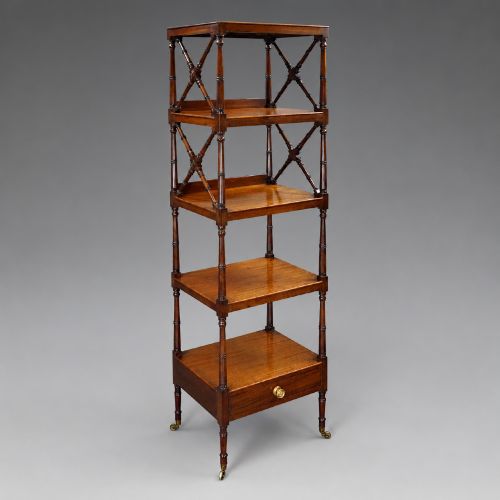
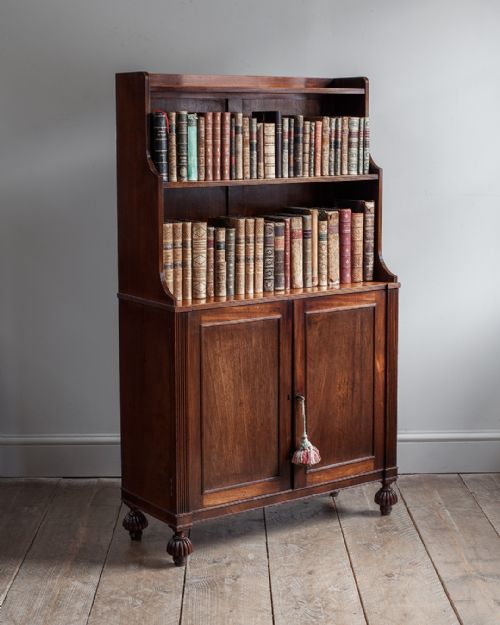
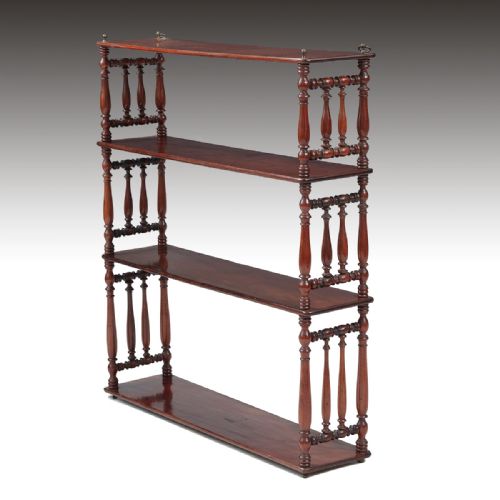
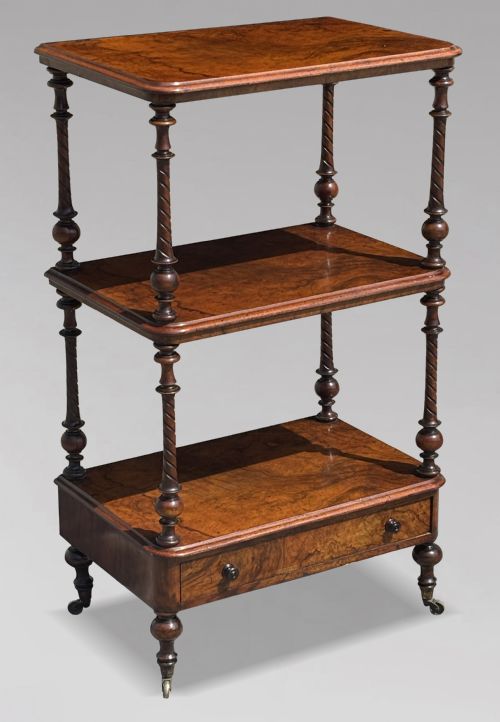
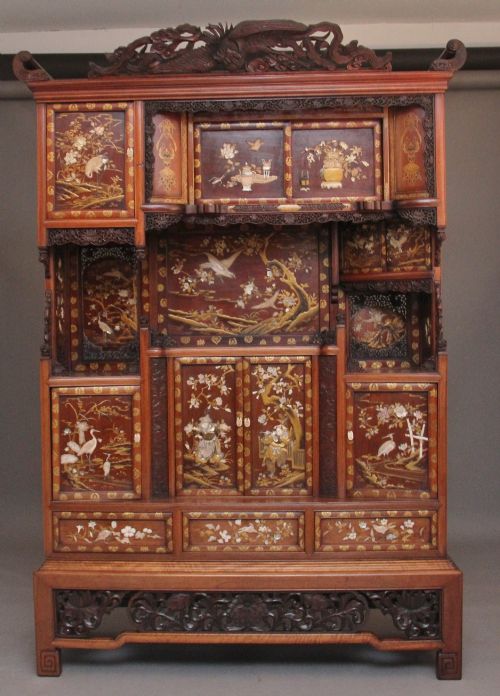
Period furniture shelves encompass open bookcases, hanging wall shelves, etageres and multi-tiered whatnots designed for domestic storage and display. The pieces span Georgian, Regency, William IV and Victorian eras, alongside imported Japanese shodana cabinets.
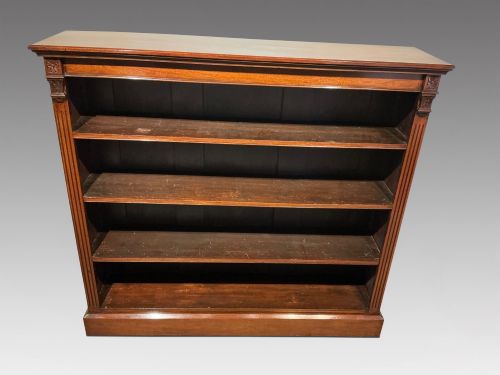
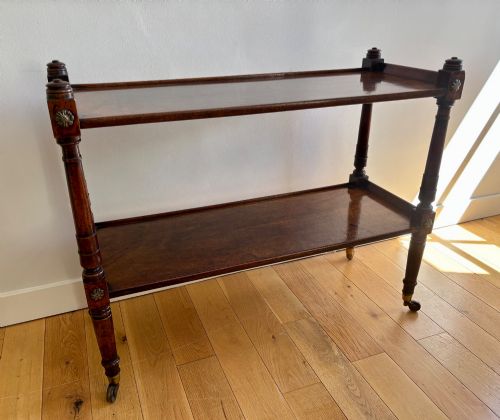
Bookcases and chiffoniers provide enclosed or open shelving for volumes and decorative objects, whilst multi-tier etageres and whatnots utilise vertical space with stacked platforms. Hanging shelves offer wall-mounted display options for smaller chambers.
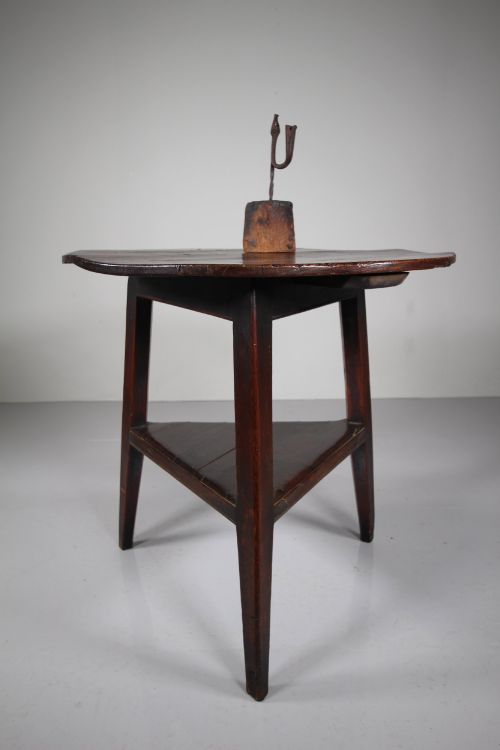
Mahogany and rosewood dominate the refined Regency items, whereas oak and elm appear in earlier 18th-century provincial examples. Walnut and ebonised timbers represent the later Victorian period additions to this category.
Materials and construction
Cabinetmakers utilised dense hardwoods including mahogany, rosewood and walnut, frequently selecting figured veneers to cover primary carcases. Oak and elm served structural roles or formed provincial pieces.
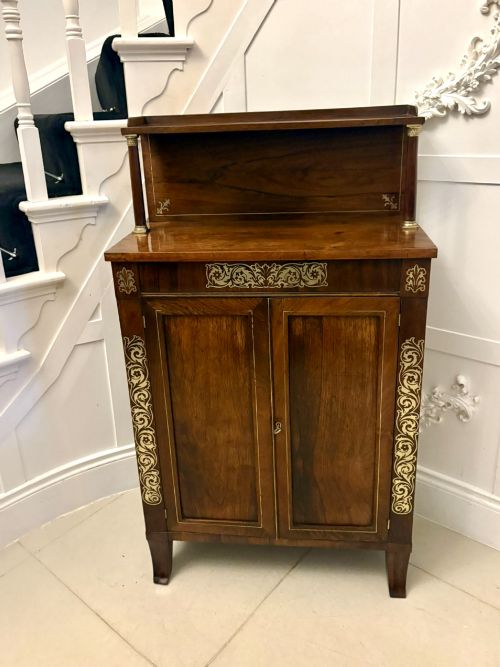
Brass inlay, parcel gilding and leather details enriched high-status Regency items. Joinery methods relied on traditional dovetails and mortise-and-tenon framing to support multi-tiered platforms and heavy book collections.
Listings feature woods including mahogany, rosewood, walnut, oak, elm and bamboo across Georgian, Regency and Victorian periods.
Markers of quality
Execution of turning, tier supports and wood selection separates standard utilitarian storage from exceptional cabinet work. Timber matching across multiple tiers and crispness of brass inlay or carved details indicate superior workshop output.
Proportion and stability dictate the merit of stacked etageres and tall bookcases. Pieces retaining original surface finishes and cohesive timber ageing command greater appreciation among collectors.
Gillows
The Period Furniture Shelves Glossary
- Whatnot
- An open multi-tiered piece of furniture designed for displaying ornaments, books or small objects. These items typically feature three or more shelves supported by slender columns.
- Etagere
- A set of open shelves for displaying small objects or ornaments. The term is frequently used interchangeably with whatnot in English furniture descriptions.
- Chiffonier
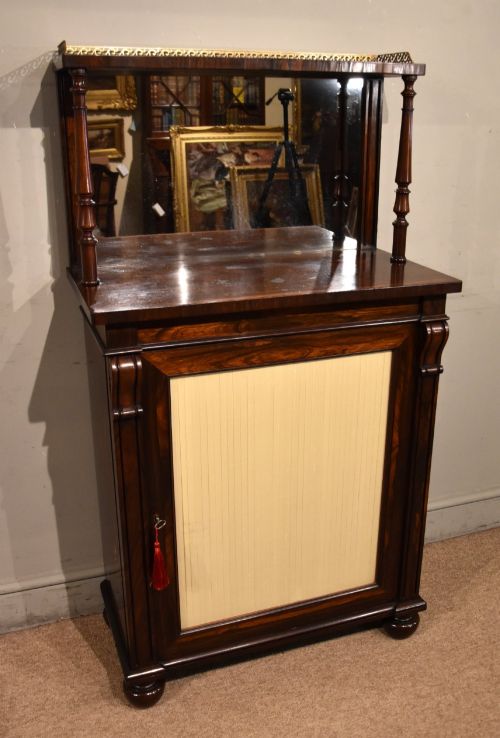
- A low cabinet featuring shelving or a superstructure above a cupboard base. Regency and Victorian examples often incorporate fabric panels or brass grilles to the doors.
- Waterfall bookcase
- A set of graduated open shelves where each tier recedes from the one below. This stepped design became popular during the Regency period.
- Shodana
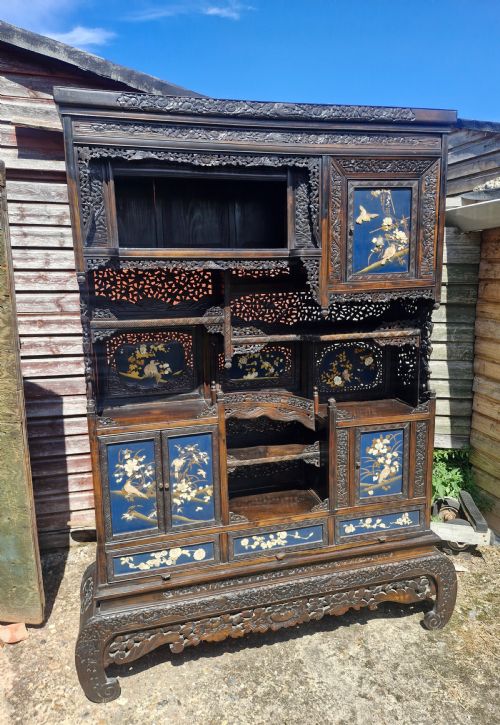
- A Japanese display cabinet featuring asymmetrical shelving compartments. These pieces arrived in Britain during the late nineteenth century amid widespread interest in Japanese design.
Period Furniture Shelves: Frequently Asked Questions
What is a whatnot shelf?
A whatnot is a multi-tiered open piece of furniture designed for displaying ornaments and holding books. It stands on slender uprights and emerged in various forms during the Georgian and Regency periods.
These pieces allowed households to exhibit small decorative objects in drawing rooms and parlours. Their stacked platform design made efficient use of floor space.
How do I date a bookcase?
Dating relies on timber selection, decorative motifs and construction methods characteristic of specific eras. Georgian pieces often display mahogany solids, whilst Regency items favour rosewood veneers and brass inlay.
Victorian pieces introduce walnut, ebonised finishes and alternative aesthetic styles. Comparing the joinery and overall proportions to dated examples clarifies the period of manufacture.
What distinguishes an etagere?
An etagere is characterised by stacked open shelves intended strictly for display rather than heavy book storage. They frequently feature delicate turned supports and multi-tier platforms.
Whilst similar to whatnots, etageres often emphasise decorative placement within reception rooms. Their construction prioritises visual lightness over robust utility.
Where were chiffoniers used?
Chiffoniers served as low side cabinets in dining rooms and sitting rooms during the Regency and Victorian periods. The enclosed cupboards stored table linen or documents, whilst the upper shelves displayed porcelain.
Their compact height allowed them to sit beneath wall mirrors or windows. Many examples incorporated glass doors or fabric panels to soften the exterior.