


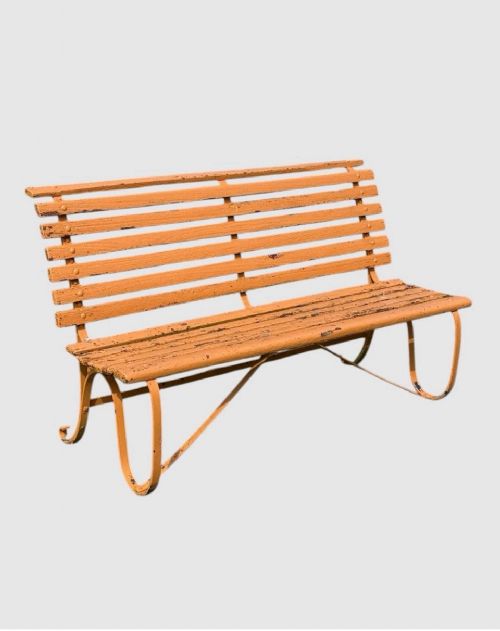


Period Furniture Frame
Period furniture frame designates the structural skeletons of antique seating and beds built from the seventeenth century to the early twentieth.
Period Furniture Frame
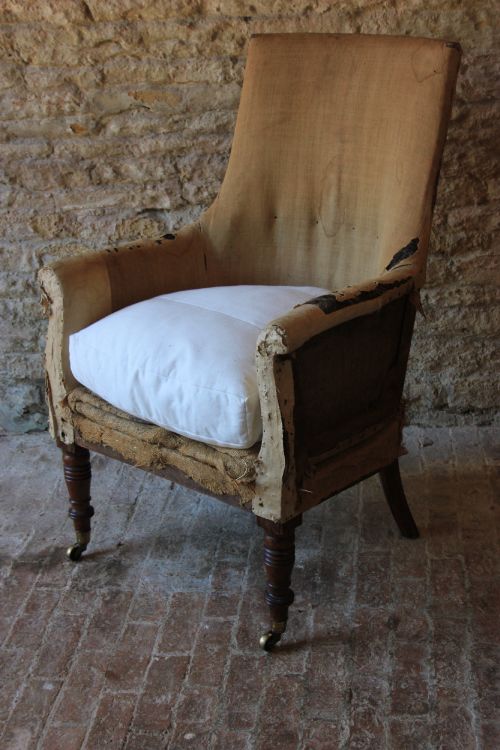
A period furniture frame encompasses the exposed wooden, iron or brass structural supports of armchairs, sofas, beds and stools originating from eras such as the seventeenth century, Georgian period and Victorian age. Buyers searching for a period furniture frame seek foundational integrity and historic joinery rather than complete upholstery.
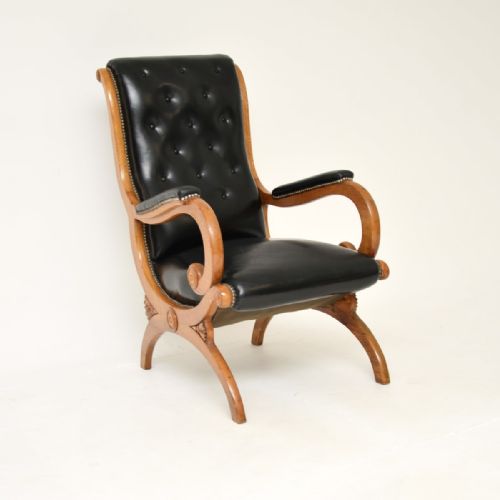
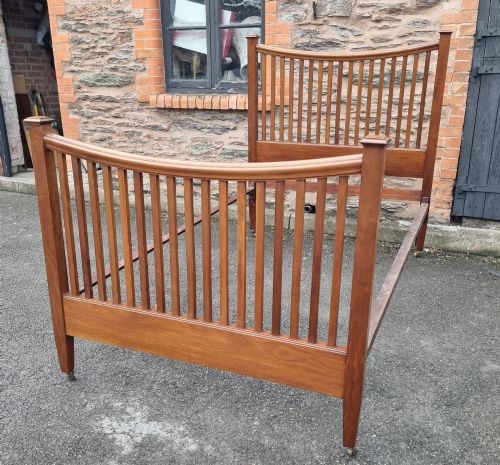
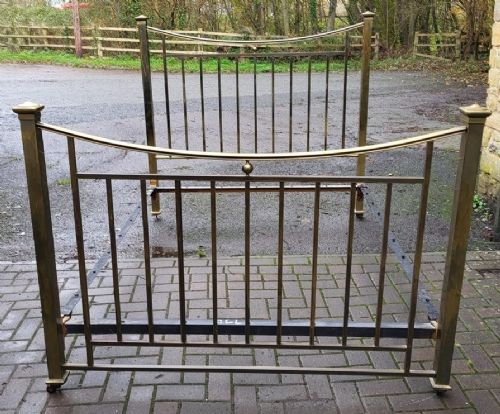
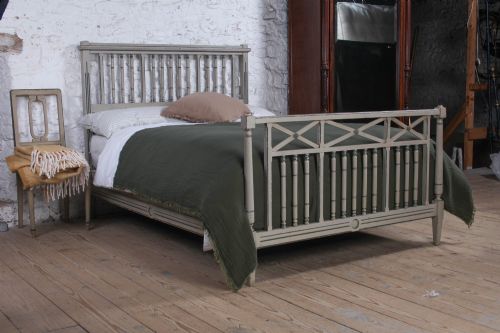
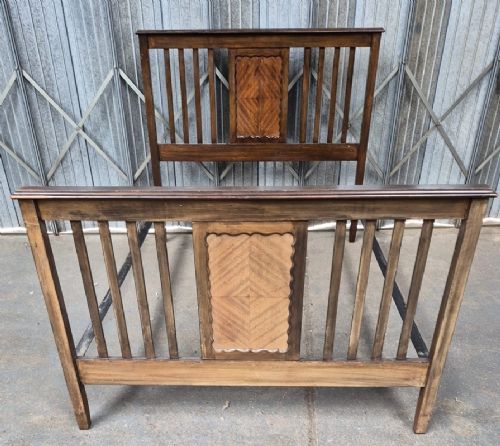
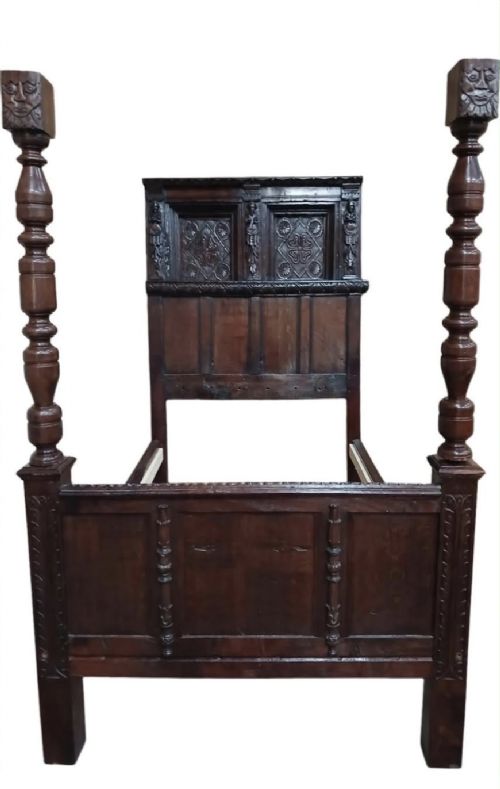
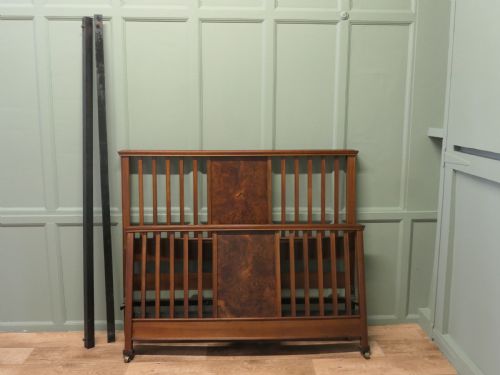
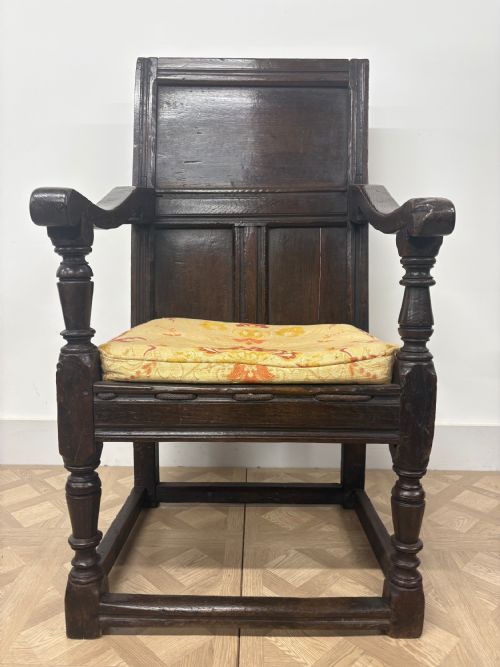
The selections available here lean heavily toward large bedsteads, four poster tester beds, and structural seating frames constructed in mahogany, oak, walnut and iron. These pieces range from seventeenth-century wainscot armchairs to Edwardian and Victorian mahogany bed frames.
Originating styles span Jacobean, Queen Anne, Regency, George III and Arts and Crafts designs, providing distinct architectural silhouettes. Each frame exposes the foundational skeletal carpentry that defines the aesthetic of its respective historical period.
How they were made
Makers constructed these frames using solid hardwoods like oak, mahogany, walnut and rosewood alongside cast iron and brass for specialised bedsteads. Timber selection dictated the structural weight and carving capability of each piece.
Joinery relied on traditional hand-cut methods appropriate to the period, such as tenon joints in seventeenth-century oak frames and finely turned or carved elements in later mahogany and rosewood examples. Metal frames utilised cast iron and brass components shaped for strength and decorative impact.
Period Furniture Frame Retail Price Guide 2026
Typical asking prices for period furniture frame among the pieces listed under this phrase on Sellingantiques today, from the lower quarter to the upper quarter. They describe what is for sale here now, not the wider market.
Listings feature frames constructed from mahogany, walnut, oak, brass, iron, fabric, leather and glass across multiple centuries.
What varies in quality
Quality in a period furniture frame rests upon the integrity of the original timber and the crispness of hand-carved or turned details. Superior examples retain their original structural members without extensive timber replacement.
The sophistication of the design, such as bold scale in Regency settees or intricate figuration in burr walnut veneers, separates standard utilitarian frames from exceptional workshop outputs.
The Period Furniture Frame Glossary
- Tester bed
- A bed featuring a wooden canopy or tester supported by four posts. These grand structures are typically formed from oak or mahogany.
- Wainscot armchair
- A heavy wooden armchair from the seventeenth century constructed primarily from solid oak with panelled backrests. They represent early domestic seating frames.
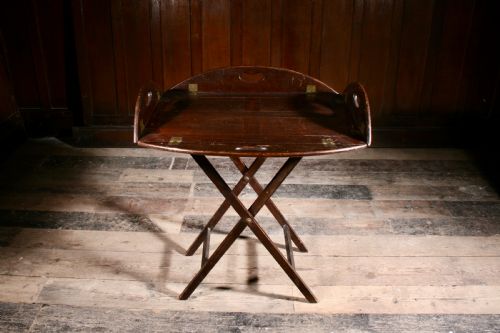
- Butler tray on stand
- A portable wooden tray resting upon a folding or fixed wooden frame stand. These pieces combine utility with period cabinetmaking.
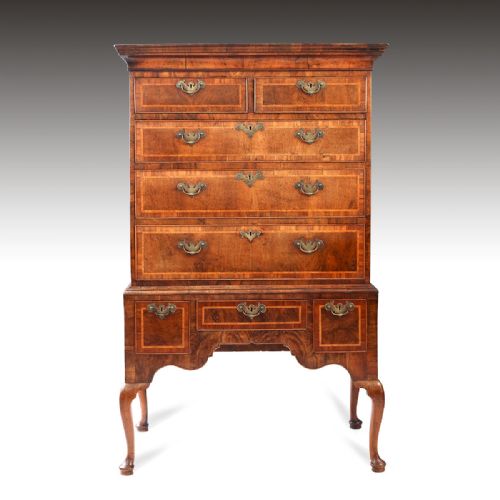
- Chest on stand
- A case furniture form where a larger drawer section elevates upon a separate table-like stand with legs. This configuration appears in walnut and oak across seventeenth and eighteenth-century periods.
- Ebonized
- Wood treated with a dark finish to imitate expensive ebony. This technique frequently appears on nineteenth-century Victorian seating and stool frames.
Period Furniture Frame: Frequently Asked Questions
What is a period furniture frame?
A period furniture frame is the structural wooden, brass or iron skeleton of historical seating, beds and stands. These skeletons showcase the raw joinery, carving and timber characteristics of specific past eras.
They form the foundational base upon which upholstery, tester canopies or secondary surfaces were traditionally applied. Buyers acquire them for their authentic historical construction and architectural presence.
How were four poster beds constructed?
Four poster beds were built with four vertical posts supporting an overhead wooden tester frame and a lower bedstead base. Joinery utilised heavy timber framing to ensure stability across massive structures.
Craftsmen frequently employed solid oak in seventeenth-century examples and rich mahogany in later Georgian and Victorian iterations. The posts often featured carved or turned ornamentation.
What woods were used for frames?
Makers utilised a variety of native and imported timbers depending on the century and regional workshop traditions. Oak dominated seventeenth-century pieces, while mahogany and walnut prevailed through the Georgian, Regency and Victorian eras.
Rosewood and ebonized woods also appear on specific nineteenth-century chairs and stools. Brass and cast iron served as primary materials for structural bedsteads.
How do I identify a Regency frame?
Regency frames exhibit the classical influences and clean architectural lines popular during the early nineteenth century. They frequently make use of mahogany or rosewood with restrained decorative elements.
Common forms include library armchairs, footstools with tapestry seats, and sofas built with bold scale. Their silhouettes reflect early nineteenth-century interpretations of classical design.