
Period Furniture Chest
When you search for period furniture chest, you meet centuries of timber storage, from seventeenth-century oak coffers to elegant mahogany drawers.
Period Furniture Chest
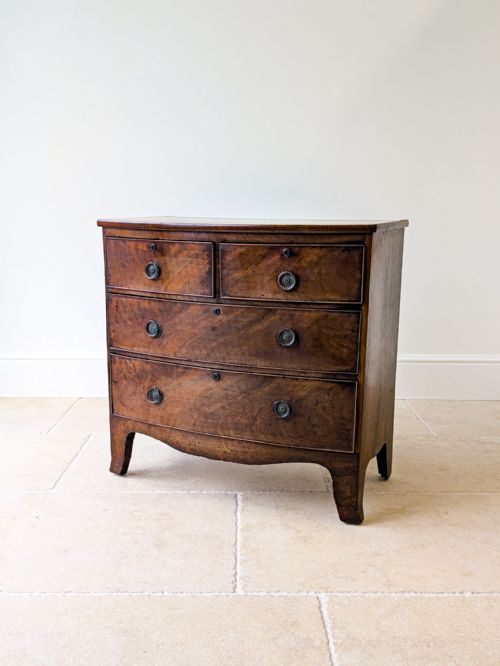
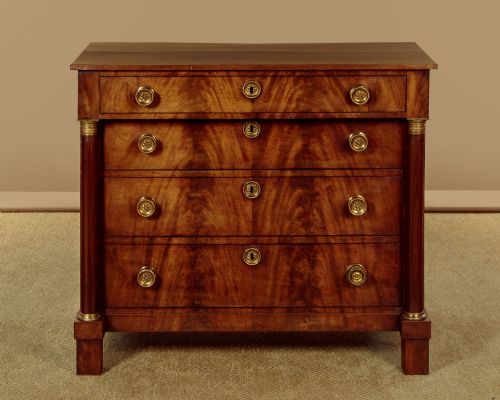
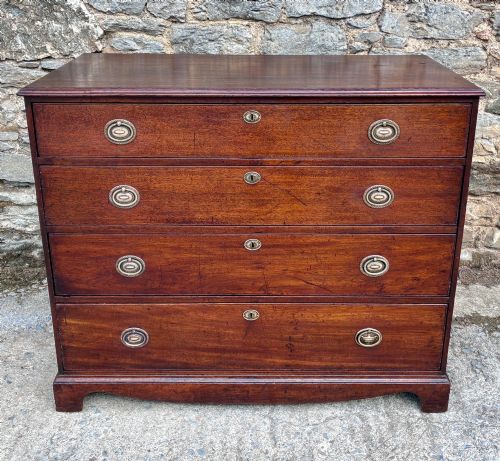
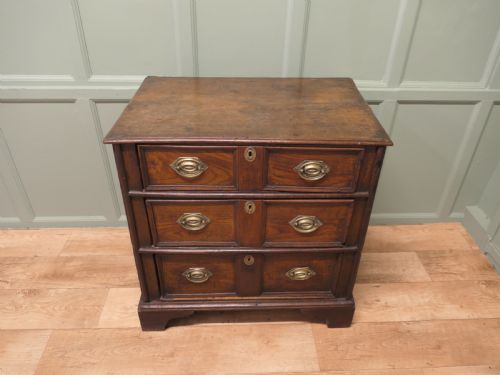
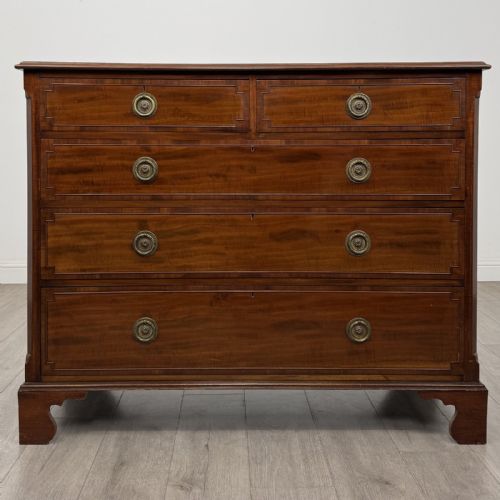
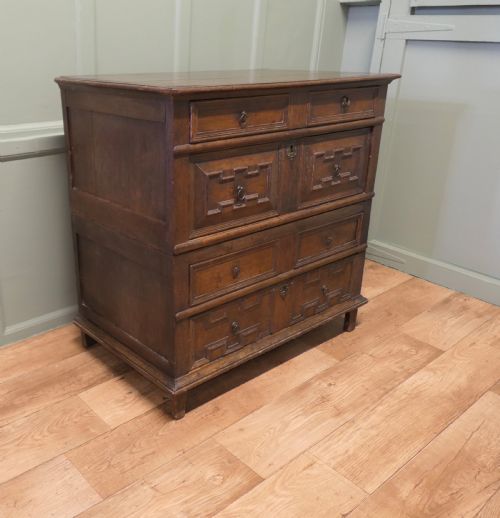
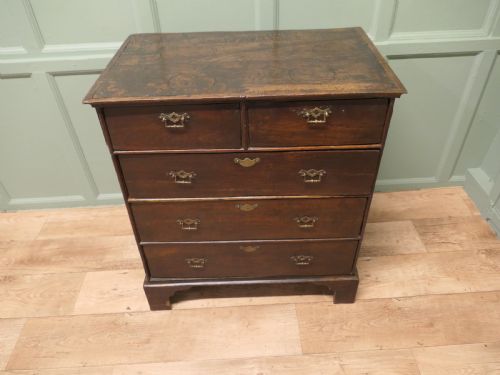
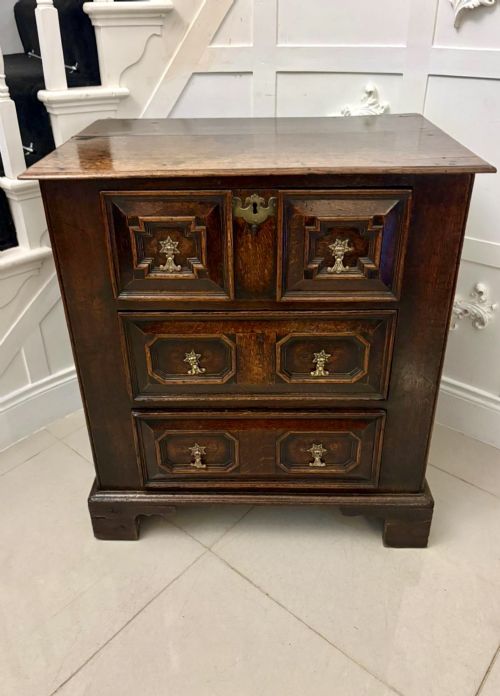
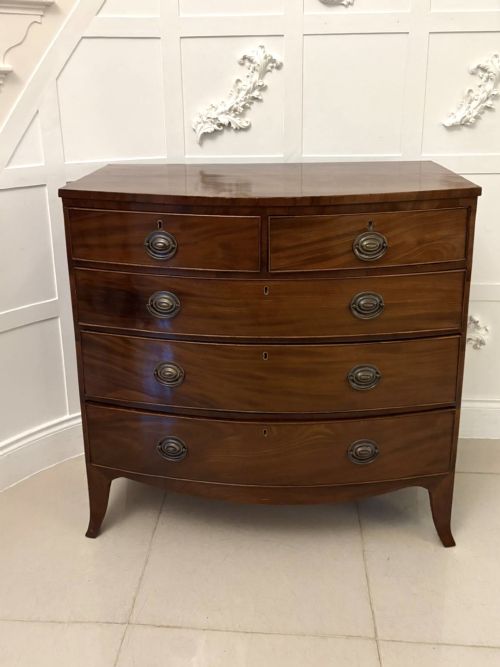
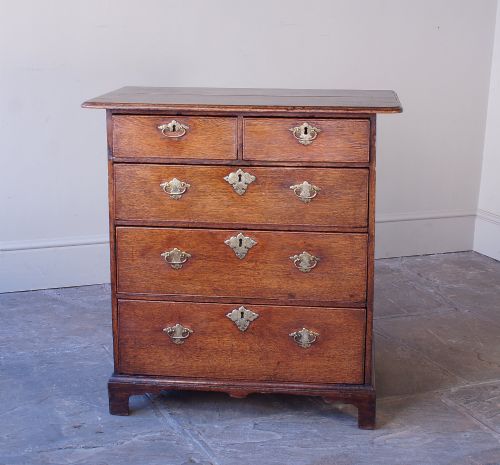
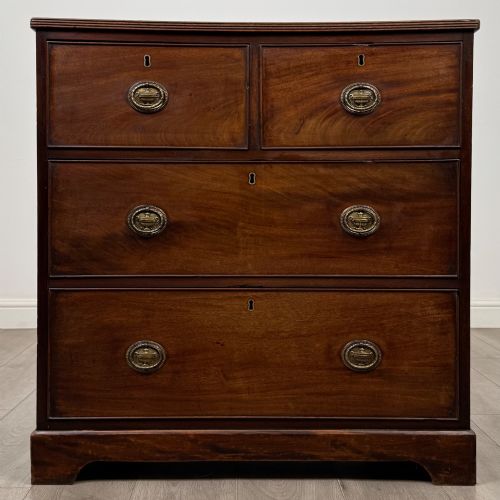
A period furniture chest encompasses sturdy seventeenth-century oak coffers, elaborate seventeenth-century mule chests, and refined mahogany or walnut chests of drawers from the Georgian and Regency eras. You will encounter straightforward chests of drawers, tall chests on stands, and specialised linen presses designed for household storage.
The versions most common on this page span the seventeenth century through to the Victorian period, reflecting centuries of domestic utility. Pieces range from panelled oak examples built in regional workshops to polished flame mahogany and burr walnut designs meant for formal bedrooms.
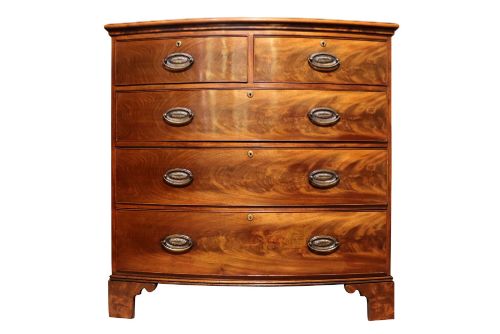
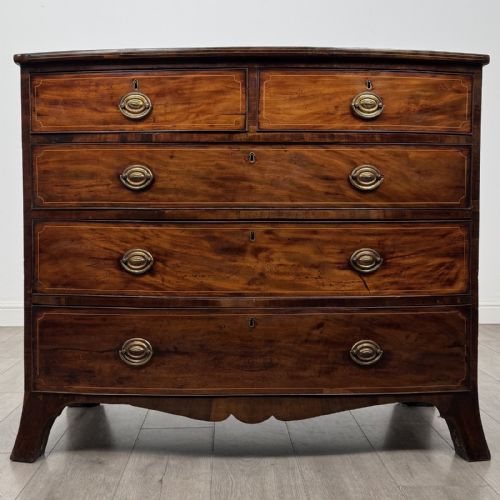
Form follows function across these storage pieces, showing simple lidded coffers alongside multi-drawer configurations with brass handles. Cabinetmakers adapted the basic chest into secretaire desks, tall chests on chests, and bow-fronted designs to suit changing interior fashions.
Materials and construction
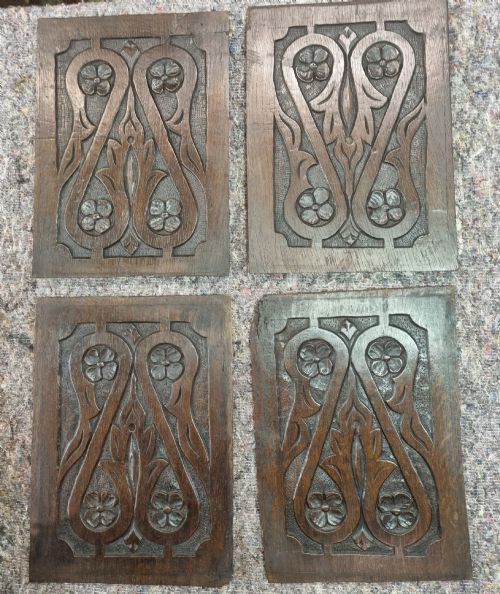
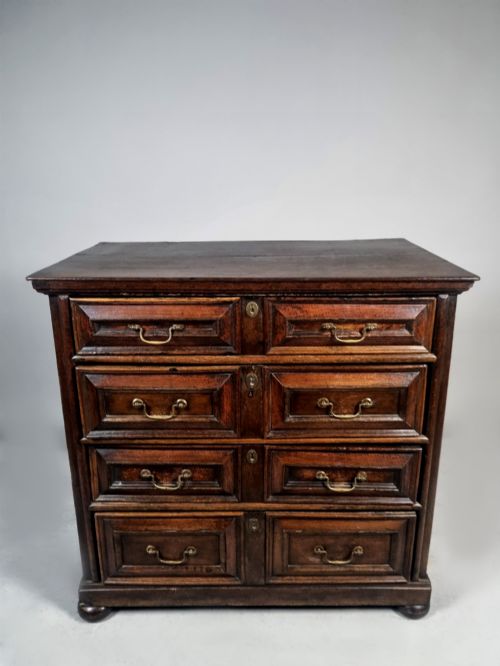
Makers relied on native timbers like oak and elm for early seventeenth-century coffers and panelled chests, utilising frame and panel construction to accommodate seasonal wood movement. Iron hardware and pegged joints secured these heavy pieces against daily wear.
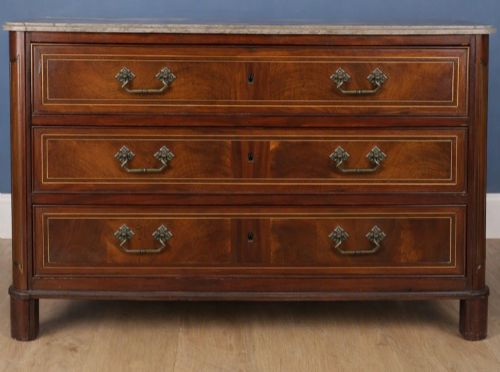
As styles shifted into the eighteenth and nineteenth centuries, cabinetmakers adopted mahogany, walnut, and exotic veneers such as flame mahogany and burr walnut. Skilled artisans applied marquetry inlay and geometric mouldings, mounting drawers with brass handles and locks.
Listings feature periods spanning from the seventeenth century through the Georgian, Regency, and Victorian eras.
Assessing quality
Quality rests in the selection of timbers, such as highly figured flame mahogany or dense burr walnut, and the precision of the cabinetmaker's joinery. Superior pieces display crisp geometric mouldings, well-executed marquetry inlay, and harmonious proportions across the facade.
The integrity of the construction, from hand-dovetailed drawer boxes to the retention of original brass hardware, separates exceptional examples from ordinary utility pieces. Finer chests maintain a crispness in their carved details and a balanced grain pattern across matched veneer panels.
The Period Furniture Chest Glossary
- Mule chest
- A storage chest featuring one or more drawers at the base beneath a primary lidded compartment. This hybrid form bridges the traditional coffer and the modern chest of drawers.
- Chest on stand
- A case piece consisting of a primary chest section elevated on a separate, typically leg-supported frame. These elevated designs often date to the late seventeenth and early eighteenth centuries.
- Oyster veneering
- A decorative technique utilising transverse slices of small branches, arranged in repeating patterns that resemble oyster shells. This method appears on late seventeenth-century case furniture.
- Bow front
- A convex, curved front profile popular on Georgian and Regency chests of drawers. This curved shape softens the rigid angles of traditional case furniture.
- Marquetry
- The art of applying decorative pieces of veneer to a structure to form intricate patterns or pictures. Craftsmen employed contrasting woods to create elaborate floral or geometric designs.
Period Furniture Chest: Frequently Asked Questions
What is a mule chest?
A mule chest combines a traditional lidded coffer with one or more drawers built into the base.
Cabinetmakers developed this form to provide both top-loading storage and easy access to smaller items stored in the bottom drawers.
How do I date an old chest?
Dating relies on observing construction techniques, timber choices, and hardware styles across different eras.
Early seventeenth-century pieces typically feature pegged oak frames, while eighteenth-century examples showcase mahogany veneers and hand-cut dovetails.
Where were these chests used?
These storage pieces served primarily in bedrooms, hallways, and living quarters of period homes.
They held household linens, clothing, and valuables before fitted wardrobes became standard domestic furniture.
What is oyster veneer?
Oyster veneer consists of circular slices cut across small branches to create distinctive patterns resembling oyster shells.
Cabinetmakers arranged these pieces carefully across surfaces during the late seventeenth century to display the varied grain.