

Period Framed Art
Period framed art brings together centuries of paintings, prints, and drawings enclosed in wooden and giltwood surrounds.
Period Framed Art
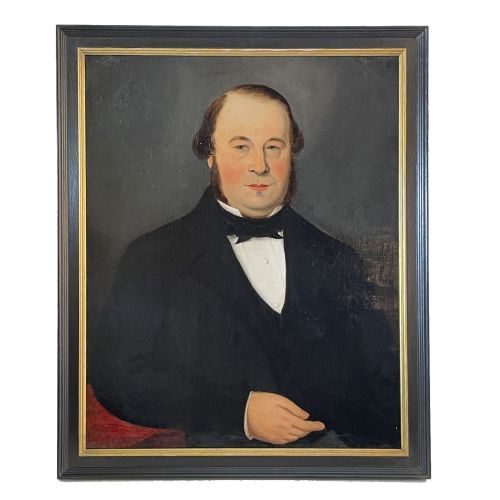
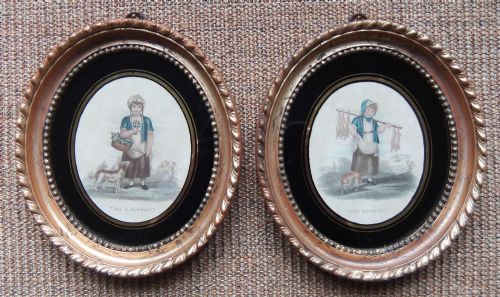
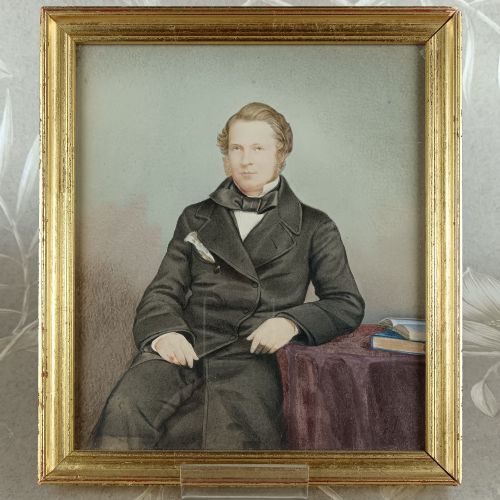
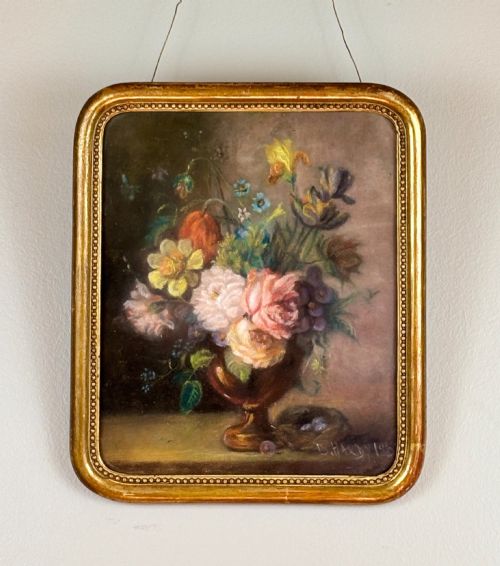
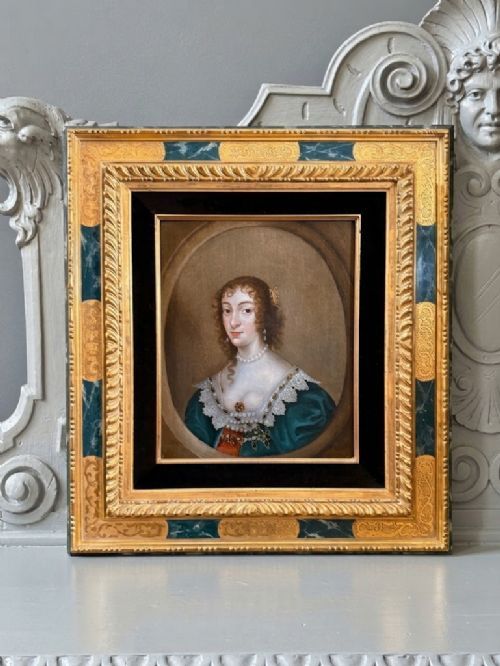
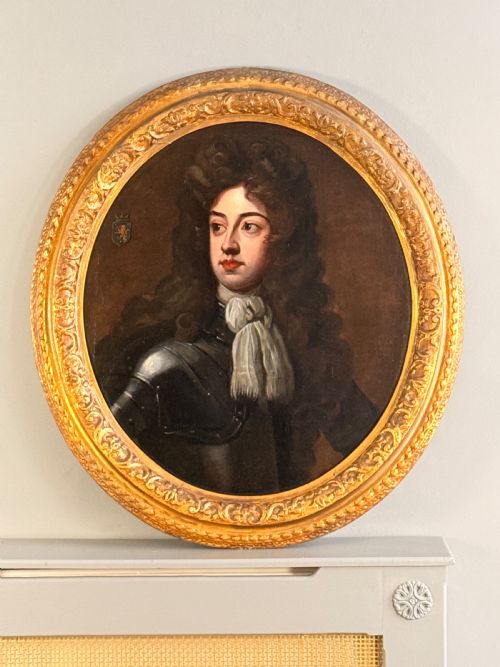
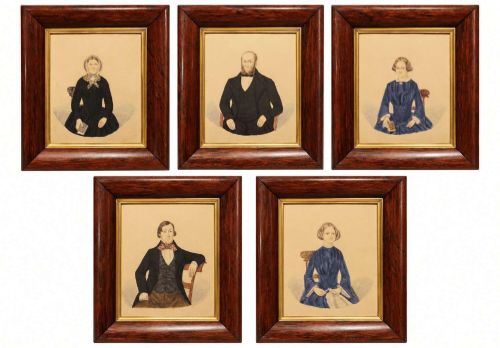
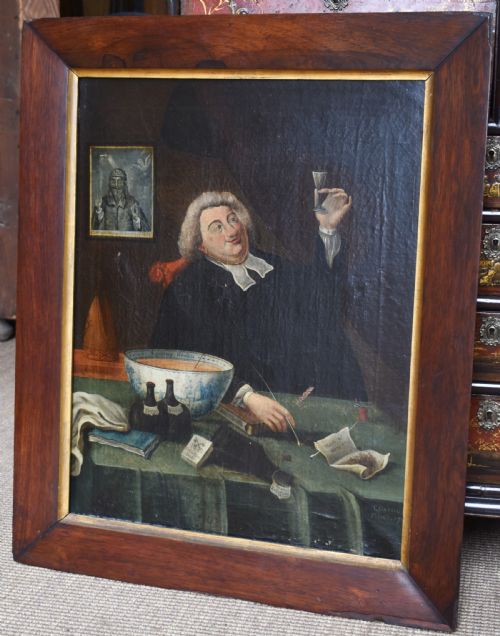
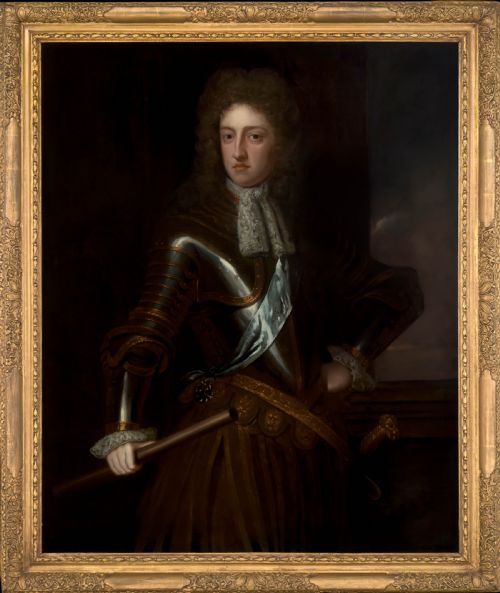
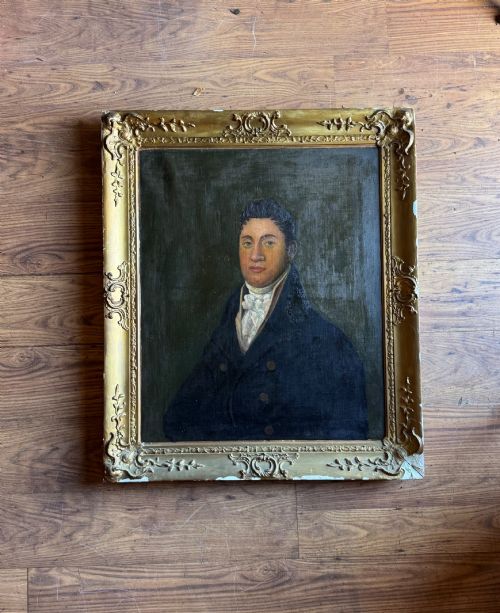
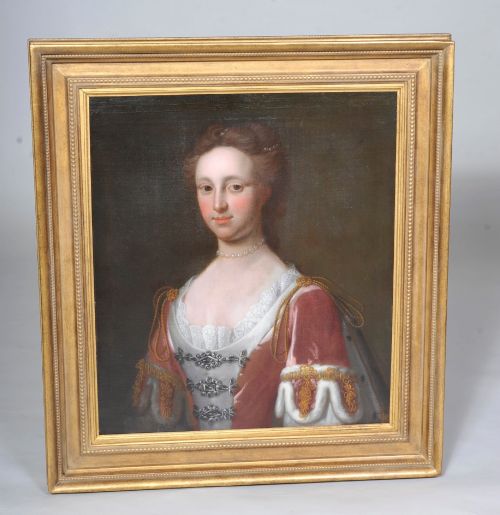
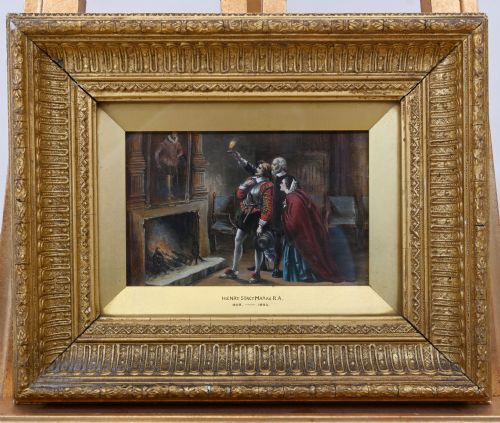
Period framed art covers oil paintings, portraits, watercolours, prints, and engravings dating from the seventeenth century through to the Edwardian era and the 1930s. Buyers searching for period framed art encounter significant portraiture, including works attributed to seventeenth-century studios and eighteenth-century British schools.
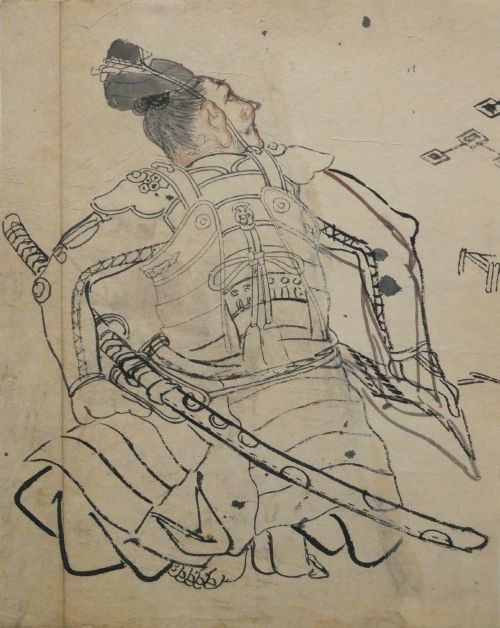
Works originate from British, French, Bavarian, and Chinese makers, offering varied subjects from church gatherings to noble figures.
How they were made
Makers utilised oil on canvas and oil paint on panel, applying pigments to woven canvas surfaces or prepared wooden boards. Works frequently incorporate wood and giltwood frames, sometimes enhanced with gold leaf to enclose the imagery.
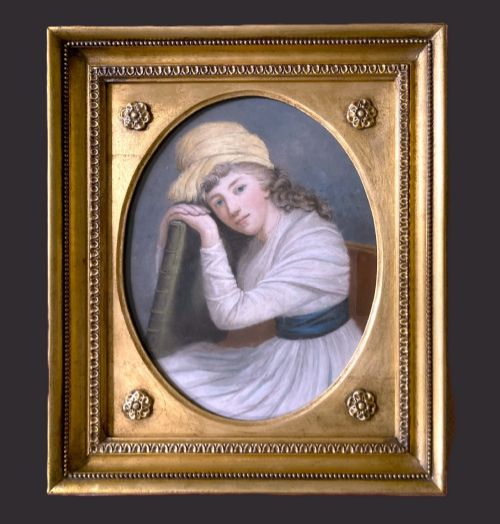
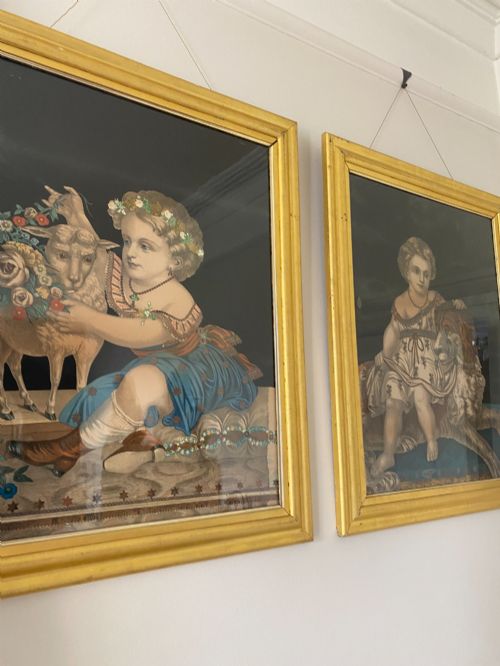
Paper appears in prints, engravings, mezzotints, watercolours, pastels, and silhouettes. These varied techniques define the physical construction of each piece across the centuries.
Period Framed Art Retail Price Guide 2026
Typical asking prices for period framed art among the pieces listed under this phrase on Sellingantiques today, from the lower quarter to the upper quarter. They describe what is for sale here now, not the wider market.
Listings feature works spanning the seventeenth century, eighteenth century, nineteenth century, Regency, Edwardian, Victorian, and 1930 periods.
What varies in quality
Quality rests upon the execution of the painting or print, the handling of the medium, and the preservation of the original surface. Studio attributions and named artists separate standard output from works possessing documented historical provenance.
The construction and finish of the surrounding frame, particularly the depth of carved wood and the application of gold leaf, contribute to the overall standing of an artwork.
Sir Godfrey Kneller·Sir Peter Lely·Michael Dahl·Thomas Murray·David Scougall·Robert Byng·Trajan Hughes·Cornelius Johnson·Joseph Clover·Kurt Lorein Victor Peiser·Edward Fisher·Sir Joshua Reynolds·John Smith·John Hayls·Stanley Webb Davies·Katsukawa Shunsho
The Period Framed Art Glossary
- Giltwood
- Wood carved and covered with a thin layer of gold leaf. This material frequently forms the ornate frames surrounding historical paintings.
- Mezzotint
- A printmaking technique of the tonal engraving process where the plate is roughened to achieve rich dark areas. It was widely used in the eighteenth century for reproducing portraits.
- Woodblock print
- An image carved into a block of wood, inked, and transferred to paper. This technique defines traditional Japanese printmaking.
- Oil on canvas
- Pigment mixed with drying oil applied to a stretched fabric support. This combination dominates seventeenth and eighteenth-century painting.
- Portrait miniature
- A small-scale painted likeness executed on materials such as vellum, card, or paper. These delicate works were often housed in protective cases or frames.
Period Framed Art: Frequently Asked Questions
What is period framed art?
Period framed art encompasses historical paintings, watercolours, prints, and drawings housed within their original or period-appropriate frames. These works span multiple centuries and artistic movements.
The category highlights traditional portraiture, landscapes, and engravings produced by European and Asian makers across various eras.
How do I identify the period of a frame?
Identifying the period involves examining the wood type, carving style, and gilding techniques used in the construction of the surround. Styles shifted from heavy seventeenth-century mouldings to refined eighteenth and nineteenth-century giltwood designs.
Comparing the construction methods of the frame with the dating of the artwork helps confirm its historical context.
Are these works original?
The listings include original oil paintings, period mezzotints, watercolours, and antique woodblock prints created during their respective historical eras. Many retain their seventeenth, eighteenth, or nineteenth-century characteristics.
Documentation often links specific pieces to known studios, schools, or named artists from the past.
How should I care for oil paintings on canvas?
Oil paintings on canvas require stable environmental conditions away from direct sunlight and excessive moisture fluctuations. Gentle dusting with a soft, dry brush maintains the surface without disturbing the paint.
Avoid using liquid cleaners or chemical solutions on the canvas or the giltwood frame.