

Period Figure Painting
Period figure painting brings together centuries of human portrayal, spanning European canvases and Asian export ceramics.
Period Figure Painting
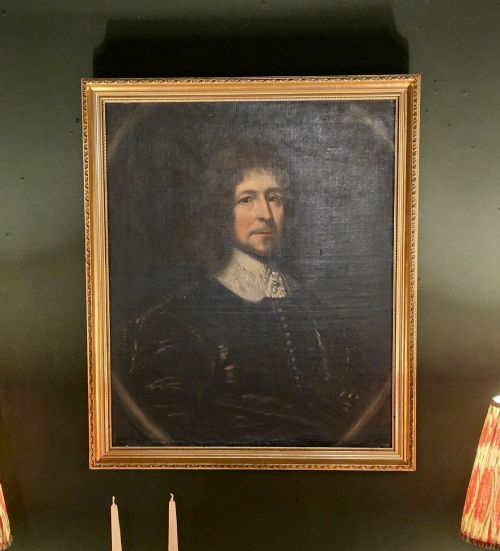
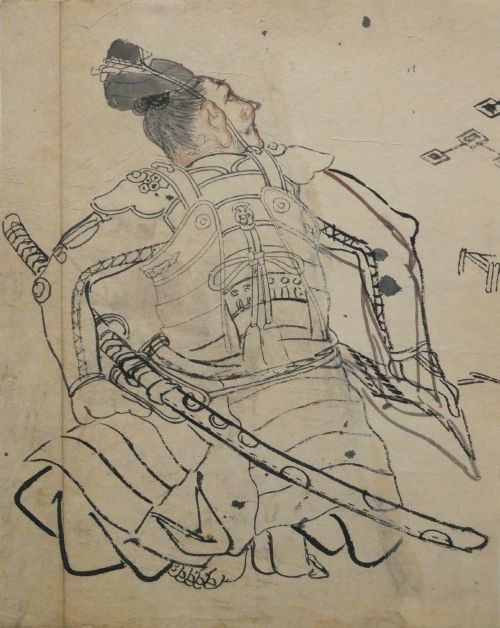
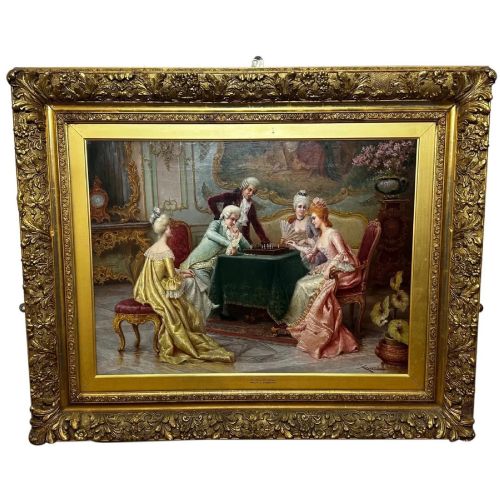
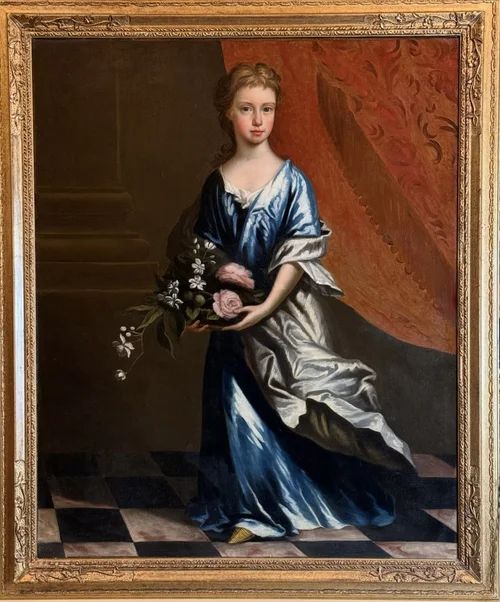
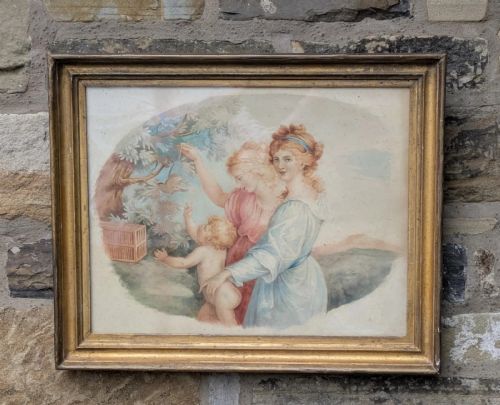
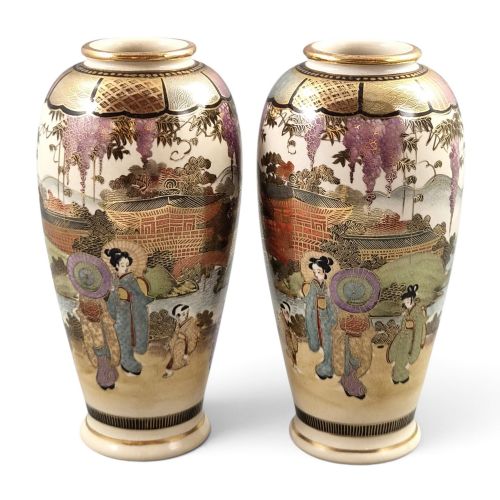
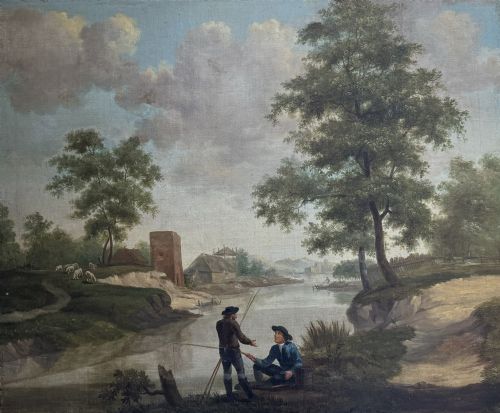
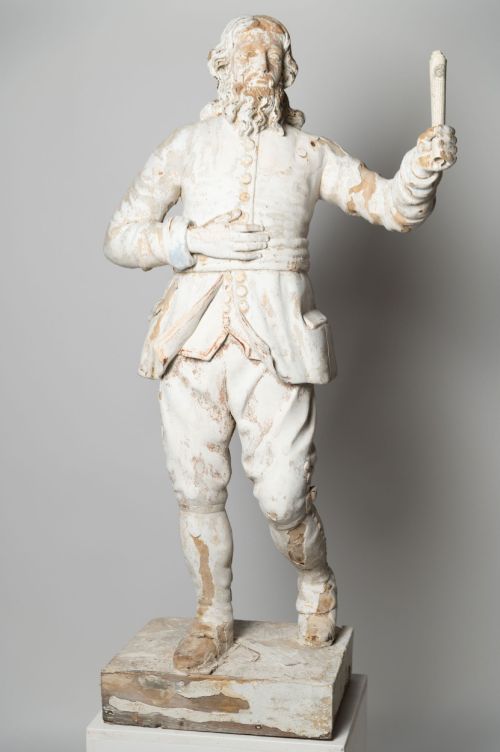
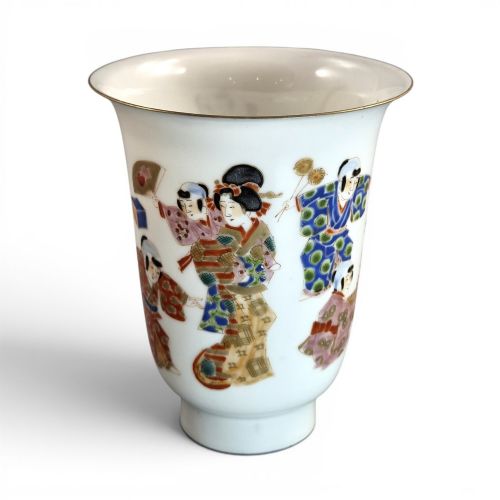
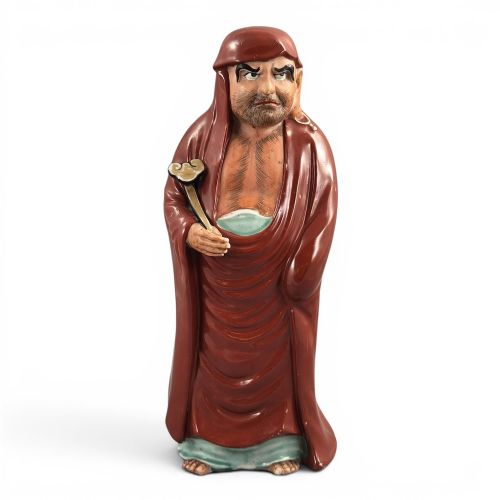
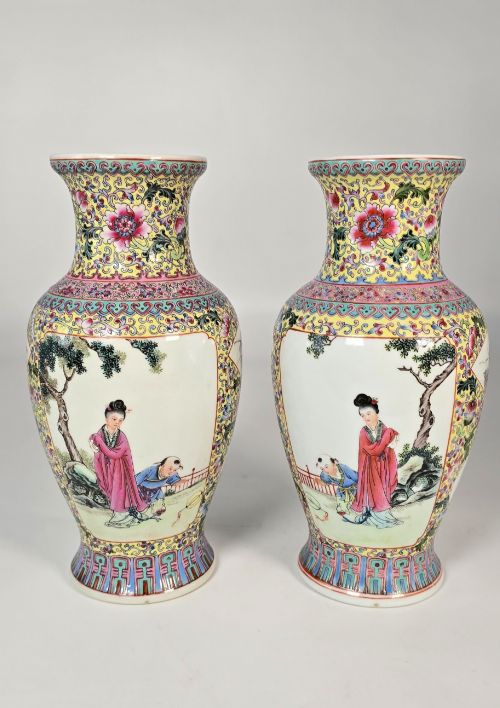
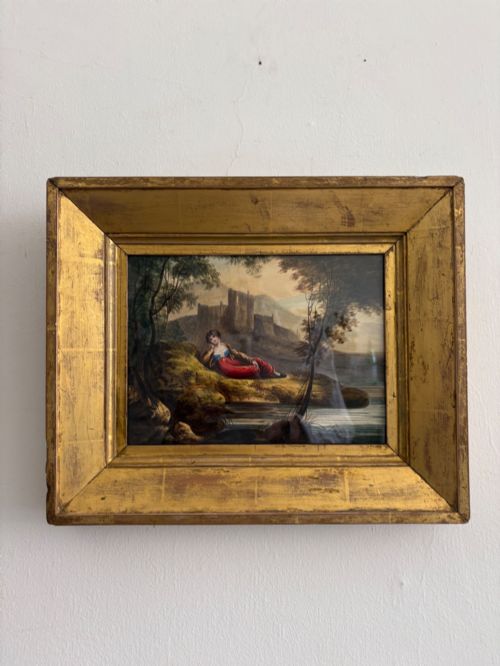
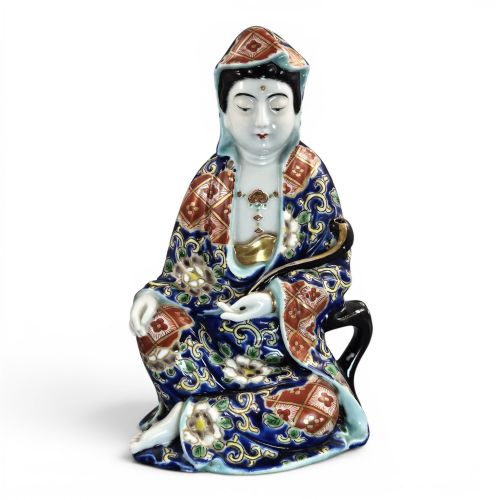
When searching for period figure painting, collectors encounter a diverse group of works that focus primarily on human subjects. These range from oil paintings and watercolours on canvas and paper to detailed enamel and porcelain figures and decorated vases.
The selections on this page bridge European portraiture, classical scenes, and traditional East Asian figural art. Works span multiple centuries, touching upon the eighteenth, nineteenth, and early twentieth periods.
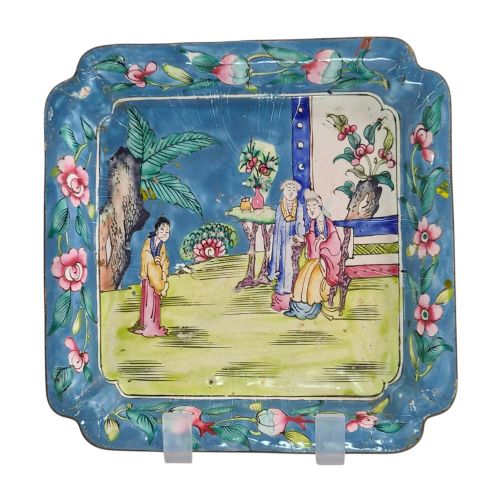
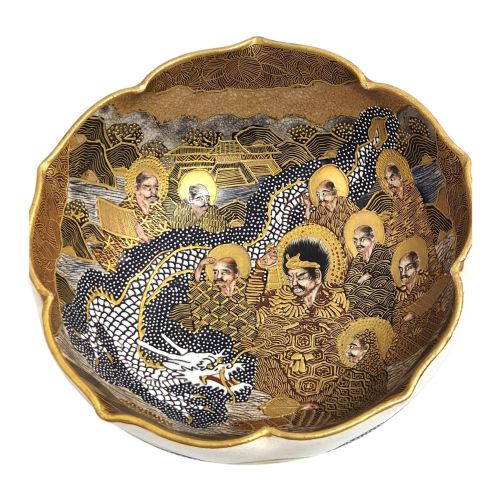
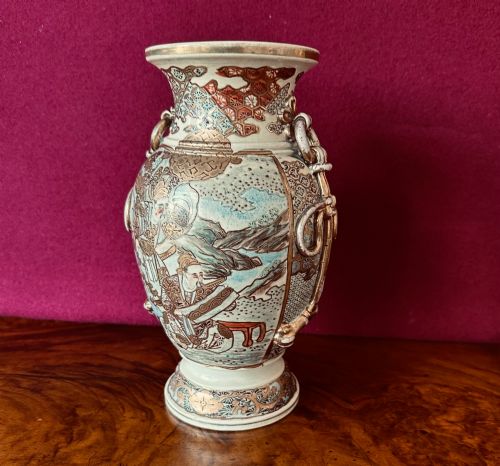
Buyers will find British and Italian schools alongside Japanese Satsuma, Kutani, and Chinese porcelain traditions. This mixture unites painted canvases with pigment-rich ceramic portrayals of figures, deities, and historical scenes.
How They Were Made
Makers utilised traditional oil on canvas and delicate watercolour for flat works, often framing the results in carved giltwood. Canvases display layered brushwork while watercolours rely on paper supports.
Ceramic pieces combine porcelain and earthenware bodies with enamels, underglazes, and gold leaf highlights. Skilled painters applied fine polychrome details to surfaces, particularly visible on Satsuma and Kutani wares.
Period Figure Painting Retail Price Guide 2026
Typical asking prices for period figure painting among the pieces listed under this phrase on Sellingantiques today, from the lower quarter to the upper quarter. They describe what is for sale here now, not the wider market.
Listings incorporate nineteenth-century European canvases alongside Meiji period Japanese porcelain and eighteenth-century British watercolours.
What Varies in Quality
The highest tier of works displays exceptional precision in facial expression and hand-painted detail, separating master compositions from routine factory output. Brushwork control and the subtlety of pigment blending dictate the visual depth of painted figures.
Gilding application and the preservation of original surfaces also distinguish finer examples. Pieces bearing documented signatures or attributed schools hold greater artistic weight than standard unsigned output.
Robert Byng·Carlo Ferranti·Shozan·Hichozan Shinpo·Zhu Mao Ji·Alexandre-Louis Martin·Antoine Calbet·Giovanni Paolo Panini·Kinkozan·Tokyo Taizan·Meizan·Gao Hengsheng
The Period Figure Painting Glossary
- Enamel
- A decorative glass-like substance fused to ceramic or metal surfaces through firing. It provides vibrant colour and a smooth glossy finish on porcelain bodies.
- Giltwood
- Wood that has been coated with a thin layer of gold leaf or gold powder. This material is frequently found on antique picture frames.
- Okimono
- A Japanese freestanding decorative figurine designed for display in an interior setting. These carved or moulded objects often depict historical figures, deities, or everyday people.
- Famille Rose
- A major palette of Chinese ceramic glazes introduced in the eighteenth century. It is characterised by opaque pink and rose enamel colours.
Period Figure Painting: Frequently Asked Questions
What defines a period figure painting?
These works centre on human subjects, created across centuries through oil, watercolour, or ceramic painting techniques.
They capture historical, mythological, or everyday individuals in distinct artistic styles.
How were ceramic figure pieces displayed?
Vases, chargers, and okimono figures served as prominent decorative items within period interiors.
Their detailed enamel work and gold leaf accents were intended to catch natural light in reception rooms.
How do I care for antique painted surfaces?
Canvas and paper works require stable humidity levels and protection from direct sunlight to prevent pigment fading.
Ceramic and porcelain pieces need gentle dusting with a soft dry cloth without chemical cleaners.
Can I identify the age of a painted ceramic?
Dating relies on stylistic markers, base marks, and the specific composition of the glaze and enamels.
Comparing known studio signatures helps narrow the production era.