
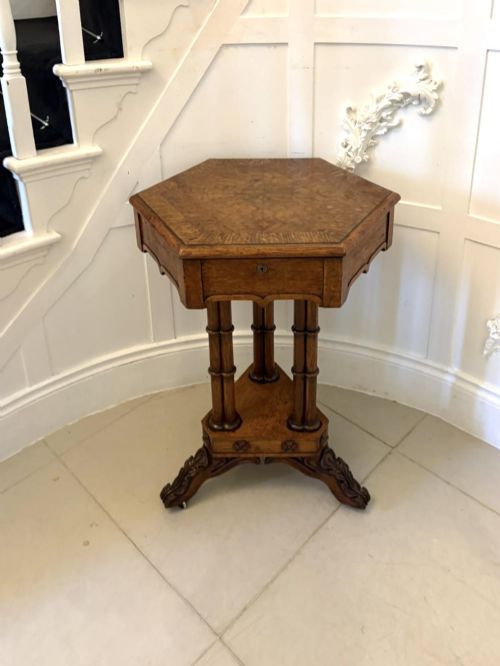
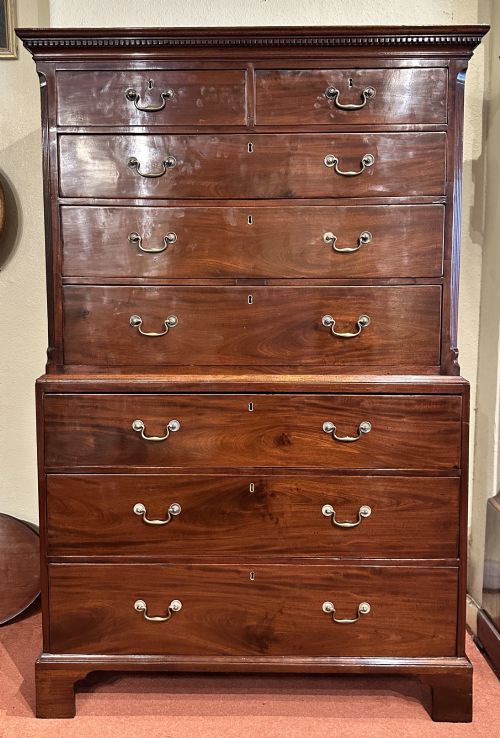
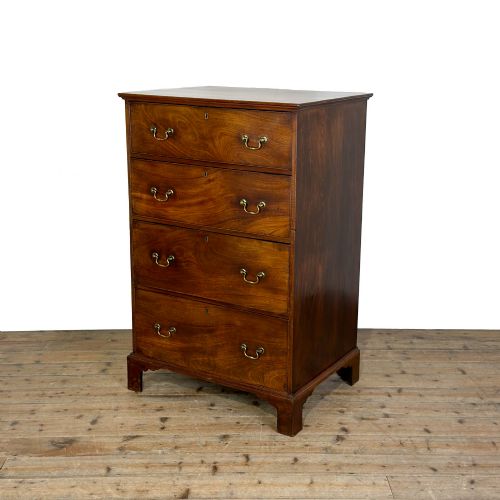
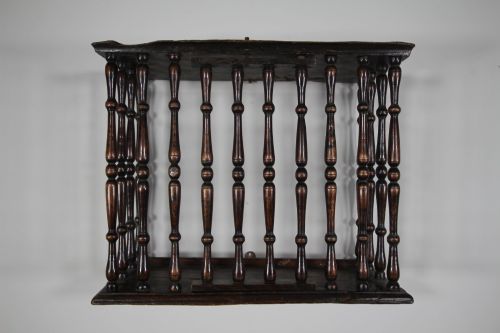
Period English Furniture
Period English furniture encompasses centuries of domestic craftsmanship, offering functional history through timber tables, chairs and chests.
Period English Furniture
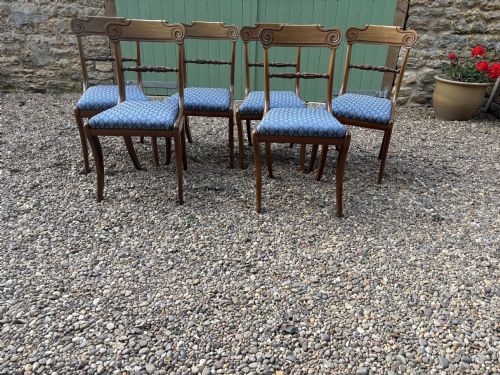
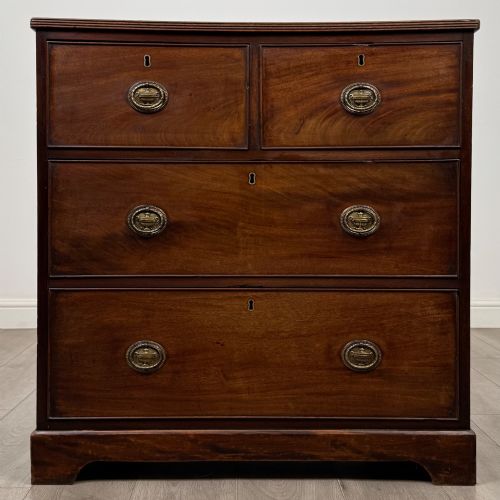
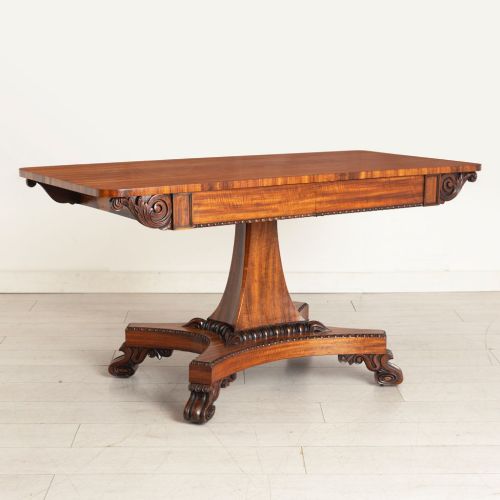
Period English furniture comprises items produced across multiple centuries, ranging from seventeenth-century joined oak to nineteenth-century mahogany pieces. When searching for period English furniture, buyers encounter forms that served domestic life, including chests of drawers, dining chairs, side tables and joint stools.
The objects span distinct historical epochs such as the Georgian era, the Regency period, and seventeenth-century reigns. Surviving examples reflect the shifting domestic requirements of households over hundreds of years.
Materials and construction methods
Craftsmen utilised native timbers like oak, elm, walnut and fruitwood for early pieces, transitioning to imported mahogany and rosewood in later eras. Joinery techniques evolved from pegged mortise and tenon joints in seventeenth-century pieces to sophisticated veneering and dovetailing in eighteenth and nineteenth-century cabinetwork.
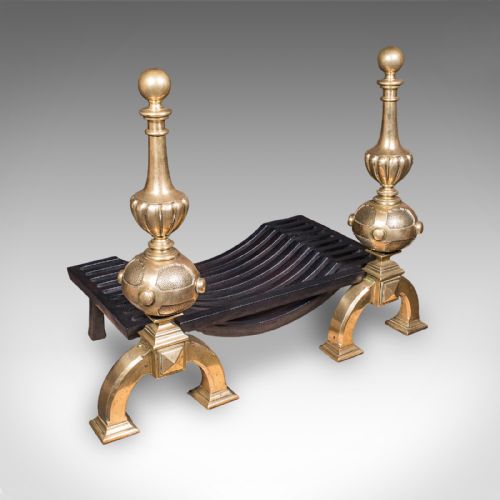
Metal components such as brass handles, iron fire baskets and andirons supplemented timber structures, while fabric upholstery finished seating forms like armchairs and wing chairs.
Early child-sized lambing chairs allowed the youngest household members to sit safely close to the warmth of the fire.
Assessment of quality
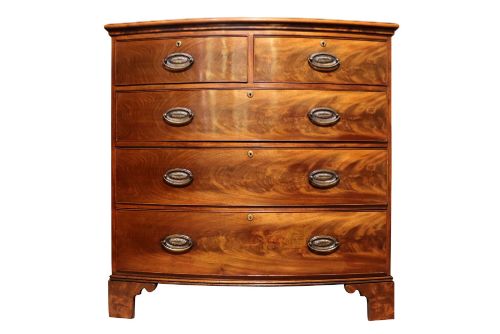
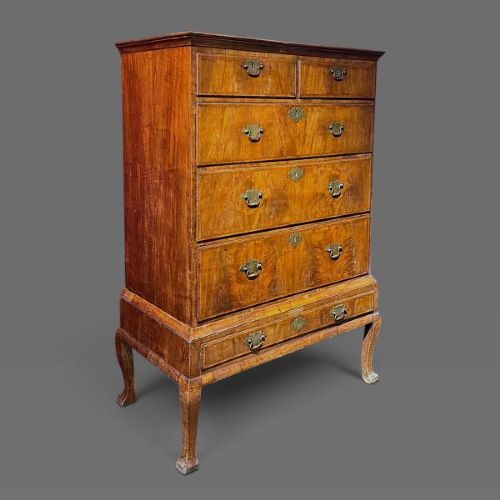
Quality rests upon the selection of timber figures, such as figured mahogany or oyster-veneer walnut, and the integrity of the original construction. Superior examples retain their original surface patination, uncompromised structural joinery and period hardware.
Proportion and restraint in carving distinguish finer works from standard domestic items. Pieces displaying sophisticated execution by known makers or specific regional workshops command greater attention.
Maple and Co
The Period English Furniture Glossary
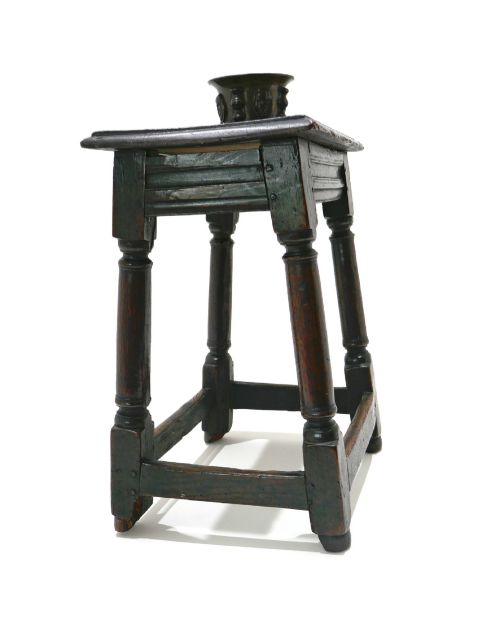
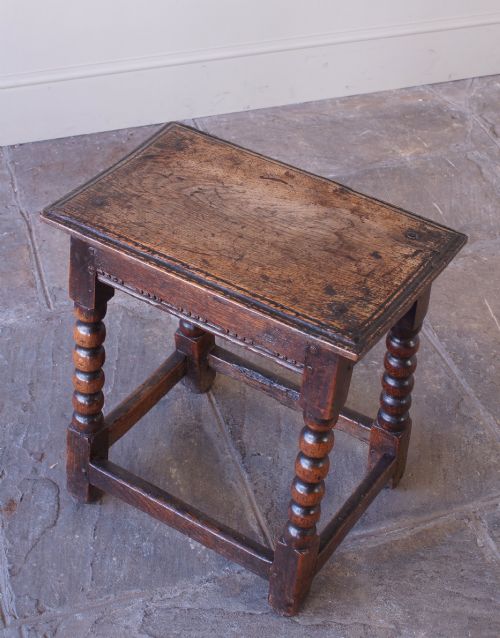
- Joint stool
- A sturdy wooden stool constructed with mortise and tenon joints rather than turned legs driven into a seat. These seventeenth-century items served multiple household seating purposes.
- Cricket table
- A small three-legged table originating in the seventeenth or eighteenth century. The three legs provide stability on uneven floors.
- Chiffonier
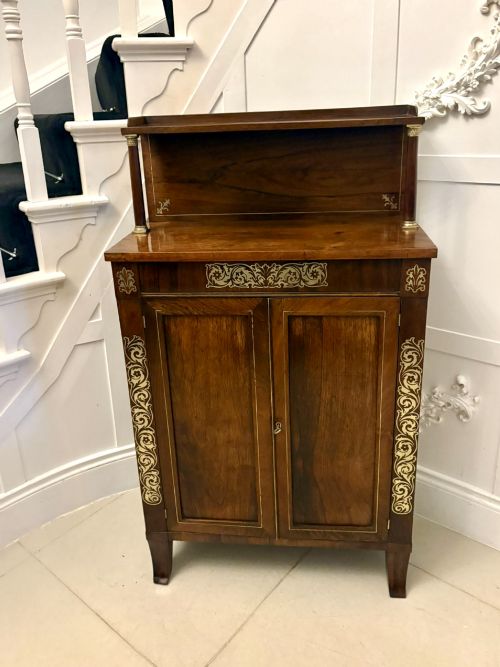
- A small sideboard or cabinet popular during the Regency period, often featuring shelves or enclosed cupboards. It functions as a display and storage surface.
- Wainscot armchair
- A heavy wooden chair from the seventeenth century constructed with panelled backrests. They reflect the joinery methods used in wall panelling of the period.
- Oyster veneering
- A decorative technique using transverse slices of small branches arranged in circular or geometric patterns. It appears frequently on seventeenth-century walnut surfaces.
Period English Furniture: Frequently Asked Questions
How do I identify seventeenth-century oak furniture?
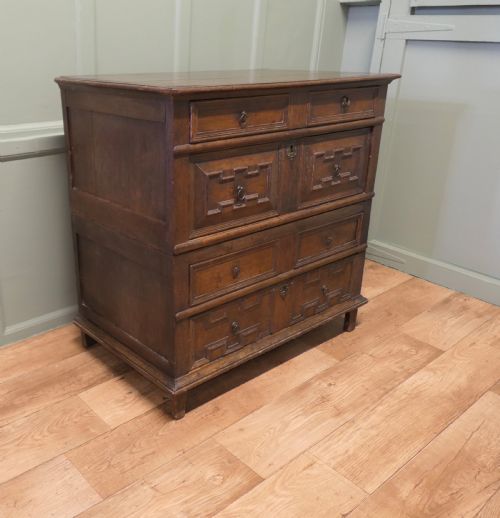
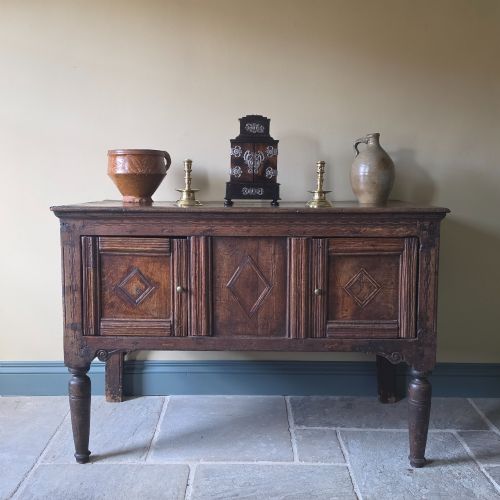
Seventeenth-century oak pieces display visible peg construction, hand-planed surfaces, and traditional jointing methods like mortise and tenon. The timber often shows a dark, rich patination developed over centuries of exposure.
Decoration on these items typically includes geometric mouldings, chip carving, or panelled elements rather than applied veneers.
What is the difference between Georgian and Regency styles?
Georgian furniture, spanning the eighteenth century, leans towards classical proportions, mahogany timber, and stylistic developments associated with designers like Chippendale. The forms often feature carved details and substantial construction.
Regency pieces, produced in the early nineteenth century, draw heavier inspiration from classical Greek and Roman antiquity. They frequently utilise rosewood, brass inlay, and more slender structural lines.
How should I care for antique timber surfaces?
Antique timber requires stable indoor humidity levels and protection from direct sunlight to prevent warping and fading. Regular dusting with a soft cloth maintains the surface without abrasive buildup.
Application of traditional beeswax preserves the patination and nourishes older woods like oak and mahogany. Avoid modern silicone-based polishes entirely.
Where were cricket tables used in a home?
Cricket tables served as versatile, movable small tables in early English households. Their three-legged design made them steady on flagstone or uneven floorboards.
Occupants placed them near hearths or by seating areas for holding small domestic items or drinks.