
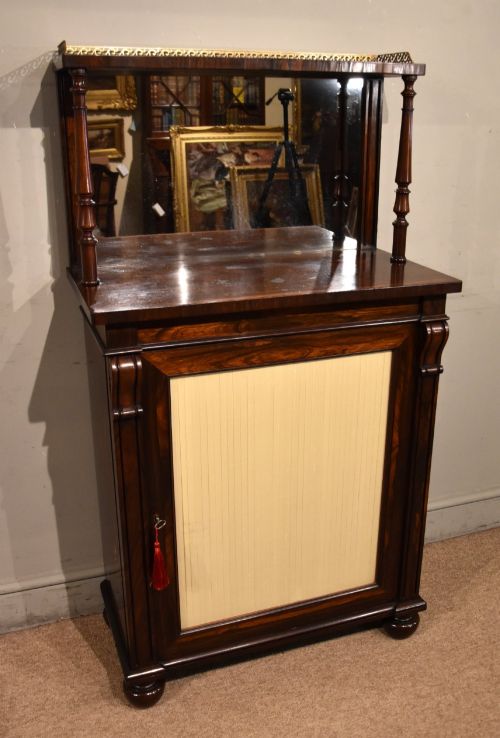
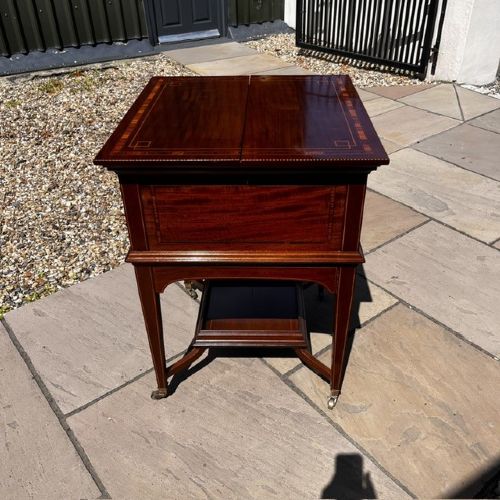


Period Drinks Cabinet
A period drinks cabinet offers a sophisticated way to house bottles and glassware, drawing on centuries of fine cabinet-making traditions.
Period Drinks Cabinet
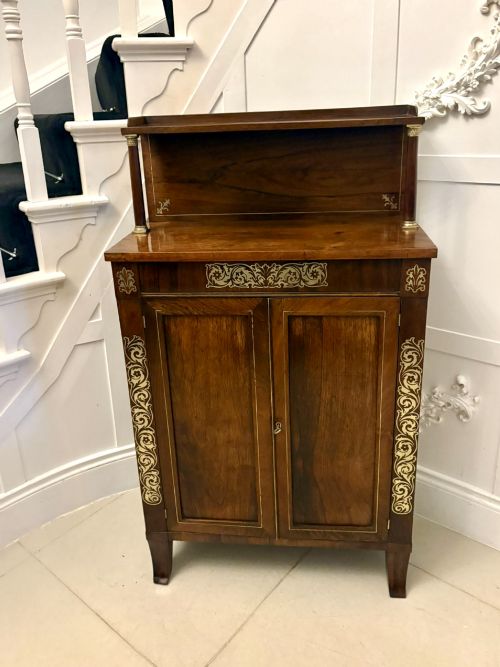
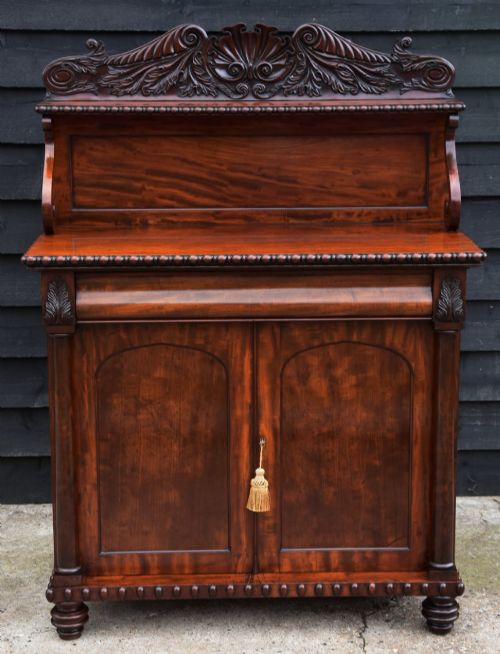
When you search for a period drinks cabinet, you encounter a diverse group of refined storage forms designed for hospitality and entertaining across several centuries. The selection on this page relies heavily on Regency and Georgian pieces, alongside examples from the Edwardian, Victorian, and William and Mary eras.
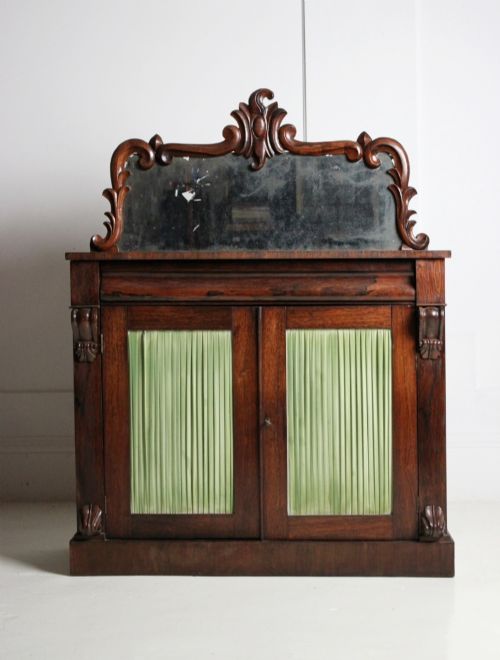
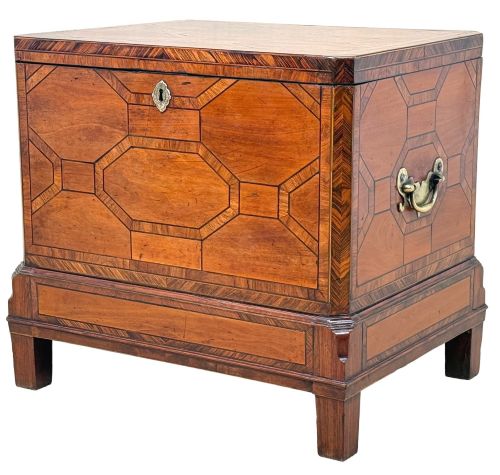
The objects span multiple functional types, including chiffoniers, side cabinets, cellarettes, wine coolers, tantalus sets, and cabinets on stands. You are most likely to meet Regency mahogany chiffoniers and side cabinets, which form the core of the available selection.
Origins stretch from the eighteenth century through to the Edwardian period, capturing stylistic shifts from George II and George III designs to the distinct aesthetic of the nineteenth century. Each form reflects the social habits of its era, from formal dining room wine storage to drawing-room serving furniture.
How They Were Made
Cabinet-makers utilised dense tropical hardwoods like mahogany, flame mahogany veneer, rosewood, and satinwood, often enhanced by intricate kingwood box inlay or oyster veneer. These primary woods provided a stable and visually striking canvas for the exterior surfaces.
Metalwork played a functional and decorative role, with brass mountings securing corners, hinges, and handles, while internal spaces incorporated mirror glass to reflect light and contents. Fabric linings and specialised fitted interiors were constructed to safely house bottles and decanters.
Surface treatments ranged from japanned finishes and simulated rosewood to highly polished natural grain highlights, demonstrating precise control over veneer selection and marquetry techniques.
Cabinets on stands appear alongside specialised tantalus sets and octagonal wine coolers.
What Varies in Quality
The grade of the timber and the selection of veneers dictate the visual impact of the piece, with figured and flame mahogany or matched oyster veneers marking out superior examples. Poorer specimens rely on plain, unselected timbers with less attention paid to grain continuity.
Interior architecture and hardware distinguish workshop output, as seen in custom bottle compartments, fine brass mounts, and integrated mirror glass rather than simple empty shelving. The precision of the joinery and inlay work further separates standard production from exceptional craftsmanship.
Proportion and scale influence desirability, particularly in smaller-scale items where maintaining balance requires exacting design adjustments.
Gillows
The Period Drinks Cabinet Glossary
- Chiffonier
- A low cabinet or sideboard featuring shelves on the upper back, frequently utilised for serving and display in nineteenth-century interiors.
- Cellarette
- A lockable container or box designed to hold wine bottles and decanters, often lined and positioned beneath a sideboard or free-standing.
- Tantalus
- A locking wooden stand holding decanters visible to guests but secured from unauthorized pouring, typically mounted with brass during the Victorian period.
- Oyster Veneer
- Cross-sections of small branches or roots sliced to resemble oyster shells, creating decorative circular patterns popular in the William and Mary period.
- Japanned
- A European imitation of East Asian lacquerwork, applied to furniture surfaces to produce a glossy, decorated finish.
Period Drinks Cabinet: Frequently Asked Questions
What is a period drinks cabinet?
A period drinks cabinet encompasses antique storage forms like cellarettes, side cabinets, and chiffoniers designed historically to hold wine, spirits, and glassware. These pieces reflect the prevailing interior styles of their respective centuries.
They combine practical compartment storage with decorative cabinet-making, utilising timbers such as mahogany and rosewood to suit formal entertaining spaces.
How were antique cellarettes used?
Antique cellarettes were positioned near dining tables to store bottles of wine and liquor securely before the meal or during service. Their interiors often featured fitted dividers to prevent bottles from shifting.
Many included lead linings for ice or water, allowing hosts to keep beverages chilled near the dining area without frequent trips to the cellar.
How do I identify a Regency chiffonier?
A Regency chiffonier typically presents a low rectangular cabinet base with one or more doors, often accompanied by a raised two-shelf back supported on pillars. They frequently employ mahogany, rosewood, or simulated rosewood finishes.
Hardware is usually restrained, and the proportions suit the refined, classical aesthetic dominant in early nineteenth-century domestic interiors.
How do I care for antique wood furniture?
Care for antique wood by maintaining stable room temperatures and avoiding direct sunlight, which can fade delicate rosewood and mahogany veneers over time. Regular dusting with a soft, dry cloth preserves the finish.
Occasional application of appropriate wax polish helps nourish the timber surface without building up excessive residues that dull the natural grain.