




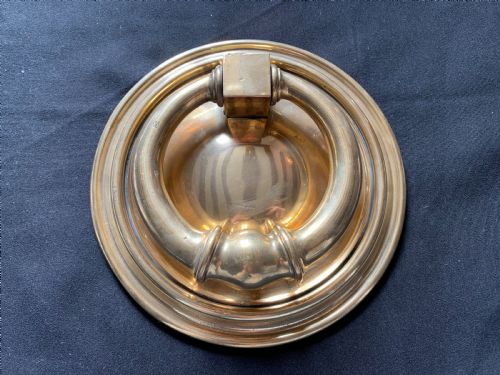

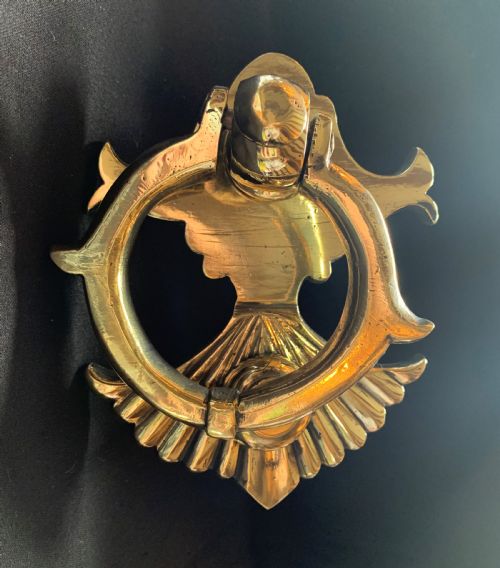


Period Door Knocker Brass
Period door knocker brass pieces are heavy architectural hardware items that give an entryway character and solid weight.
Period Door Knocker Brass
A period door knocker brass selection brings together architectural hardware from the Georgian, Victorian and nineteenth century periods. These items serve both a practical function on an entrance and a decorative purpose for the exterior of a building.
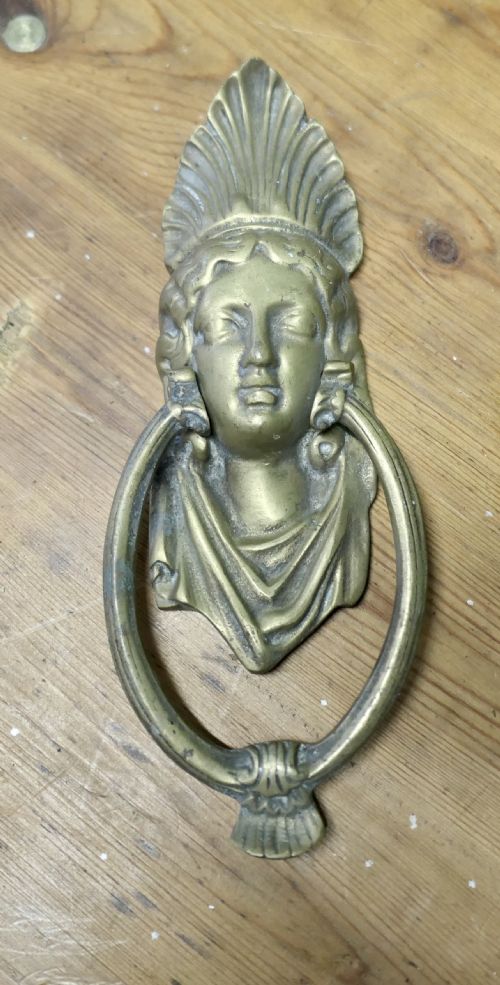
Most examples found here date from the Victorian era or the nineteenth century, taking the form of figural knockers, lion masks, or traditional doctor's styles. Materials range from solid cast brass to bronze, occasionally mounted alongside matching letter plates or striking plates.
Buyers will encounter diverse regional designs, including continental Louis Seize styles and distinctive Maltese dolphin motifs. Each piece reflects the functional hardware demands of its original architectural context.
Materials and construction methods
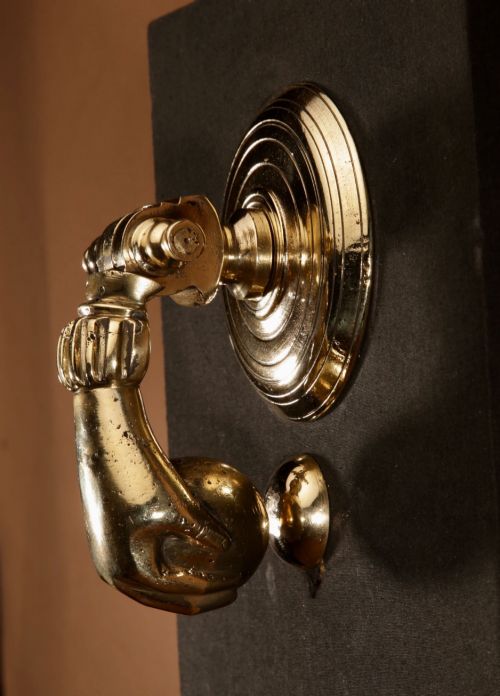
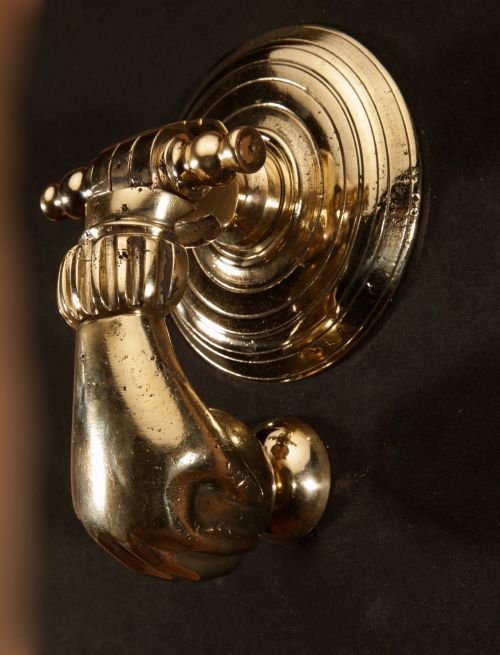
Makers utilised solid brass, cast brass, and bronze to achieve durable heavy metal fittings that could withstand daily use on exterior doors. Casting techniques allowed workshops to render intricate details such as lion manes, human hands, and caryatid figures.
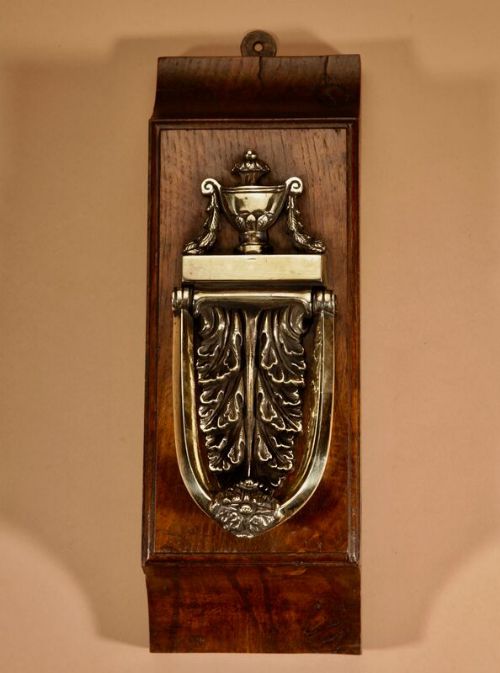
Some configurations integrate wooden elements like oak alongside the metalwork to form complete backing plates for the hardware. Surface patination develops naturally on the bronze and brass components through age and exposure.
Assessing quality in metalwork
The weight of the metal and the integrity of the original striking plate contribute significantly to the overall substance of the hardware. Complete assemblies featuring original backing plates and matched fixings hold greater interest for collectors.
The Period Door Knocker Brass Glossary
- Caryatid
- A carved human figure acting as an architectural support column. These figures appear sculpted into the vertical mounts of ornamental door hardware.
- Striking plate
- A metal plate mounted on the door surface where the knocker lands. This piece protects the timber from repeated impacts.
- Maltese dolphin
- A traditional marine motif frequently used in coastal hardware designs. The creature's arched body forms the striking handle of the knocker.
- Doctors style
- A specific configuration of door hardware with a dedicated pull handle paired with the knocker. The layout facilitates rapid operation for frequent visitors.
Period Door Knocker Brass: Frequently Asked Questions
How do I mount a heavy brass knocker?
Heavy hardware requires secure fixings that pass entirely through the door leaf for stability. Match the screw gauge to the existing fixing holes where possible to avoid weakening the timber.
Ensure you align the striking plate correctly beneath the hammer point before final tightening. This prevents the metal from striking the wood directly during daily use.
What periods do these knockers represent?
The available pieces span the Georgian and Victorian eras, alongside general nineteenth century manufacturing. Victorian examples form the largest group within this selection.
Design influences range from classical revival Louis Seize styles to figurative hand and dolphin motifs. Each era introduced specific stylistic flourishes to everyday architectural metalwork.
How should I clean aged brass?
Leave the natural dark patination intact if you prefer the historic appearance of aged bronze and brass. The surface oxide layers protect the underlying metal from active corrosion.
Apply gentle soapy water and a soft cloth to remove surface dust and grime without stripping the finish. Avoid harsh abrasive compounds that scratch the original cast texture.
Are striking plates always included?
Some pieces include their original matching striking plates or combined letterbox plates as complete assemblies. Others are offered as standalone knockers designed to mount directly onto the door surface.
Check the listing details to confirm whether a backplate or striking plate accompanies the main knocker component.