

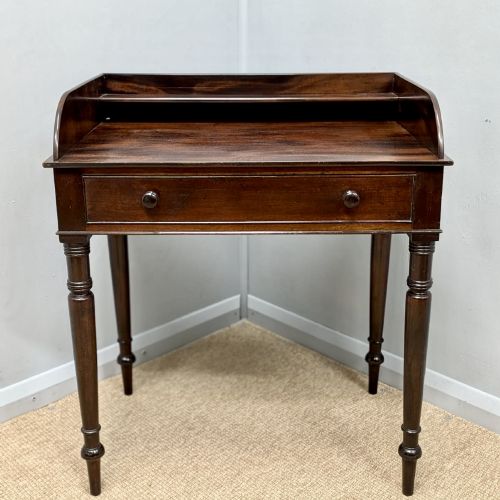
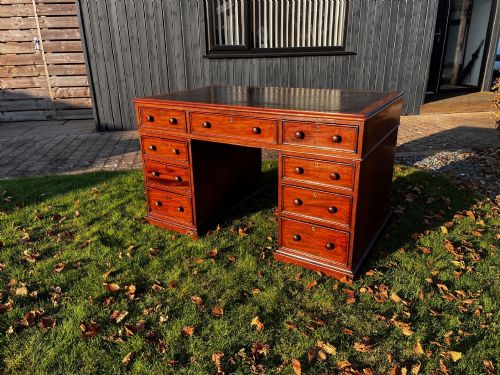
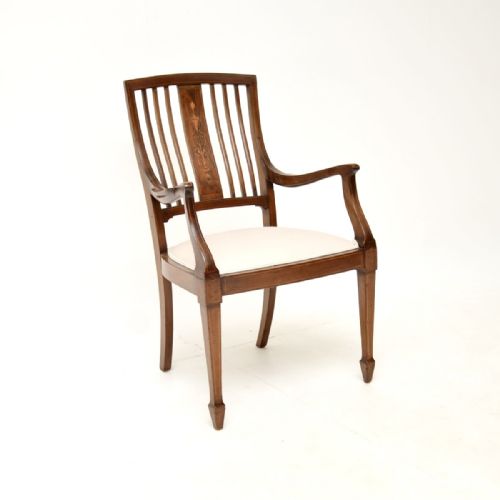
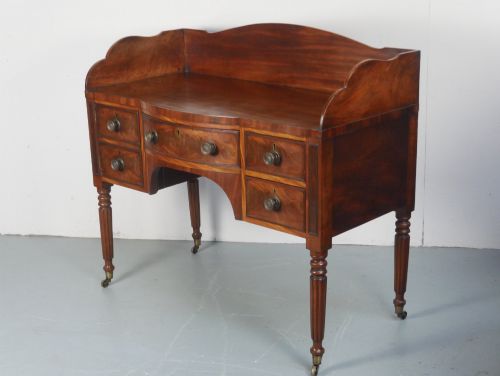
Period Desk
A period desk brings centuries of cabinet-making directly into a study, offering timber construction and fitted interiors designed for correspondence.
Period Desk
A period desk spans writing tables, bureau bookcases, and secretaire sideboards originating from the seventeenth century through to the twentieth century. These items emerge from Georgian, Regency, and Victorian workshops, utilising forms built for daily use in private libraries and reception rooms.
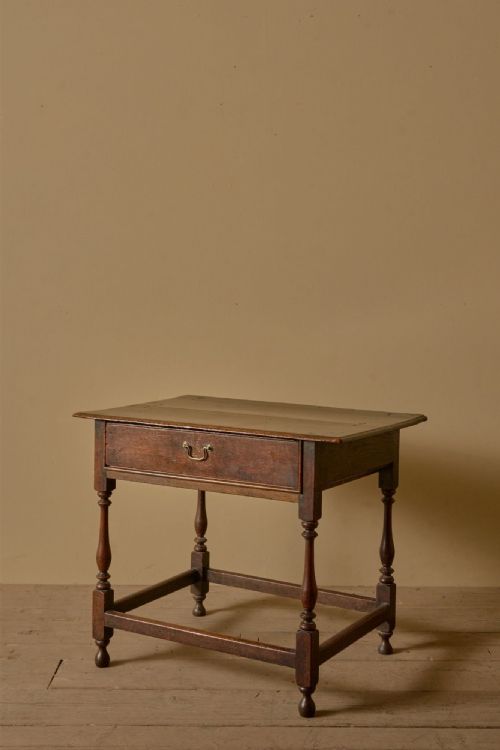
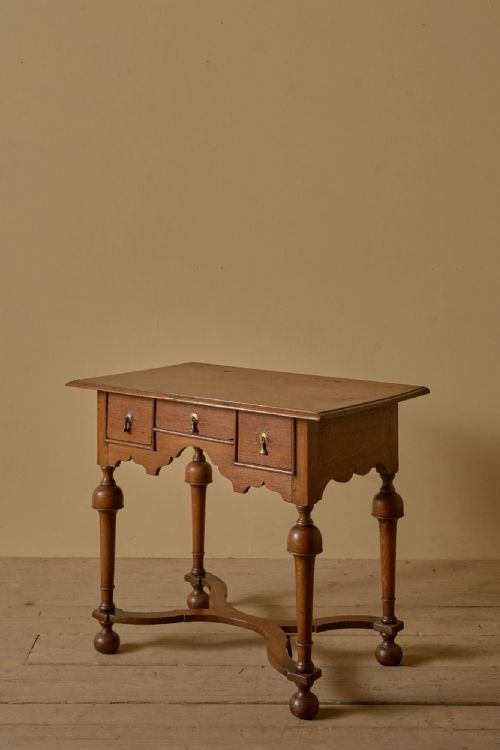
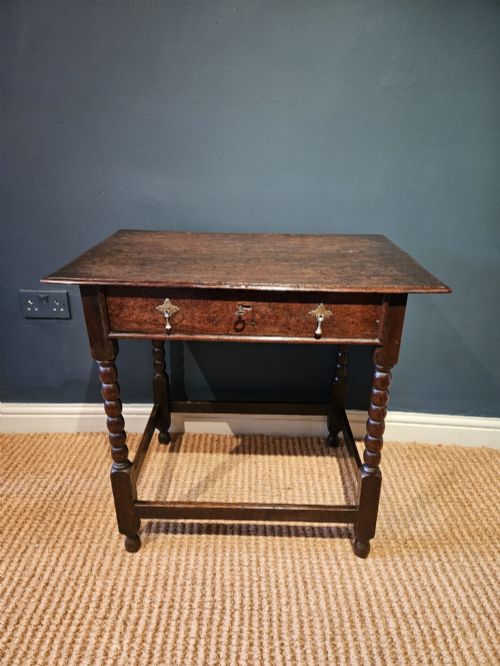
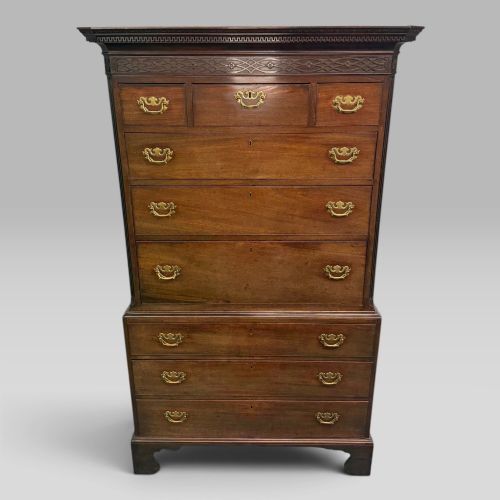
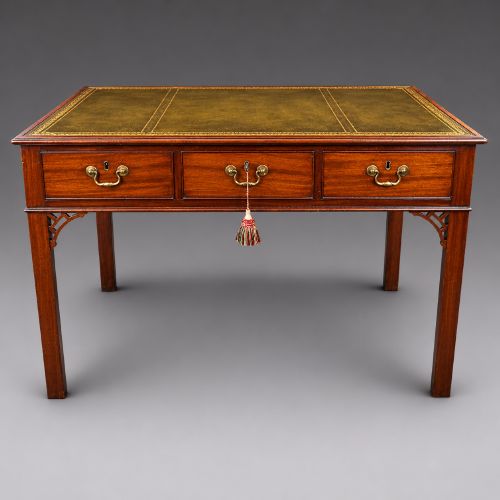
Mahogany and oak dominate the available selection, frequently taking the shape of chamber writing tables or compact lowboys. Buyers often encounter pieces displaying Chippendale or George III influence alongside later Regency designs.
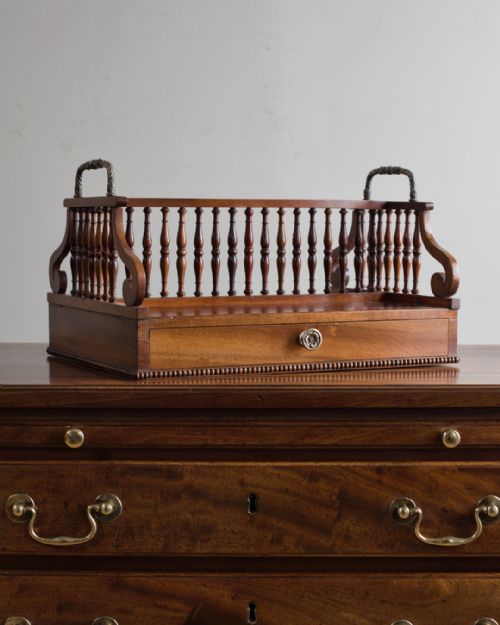
The inventory includes specialised forms such as compendium tables and work tables alongside traditional writing furniture. Each object reflects the domestic requirements of its specific period.
Early examples rely on heavy oak construction, while later nineteenth-century pieces utilise figured mahogany and rosewood with brass inlay. These variations trace the evolution of domestic workspace furniture across successive generations.
Standards of Execution
Quality rests upon the selection of timber and the precision of the internal cabinet-work, particularly within secretaire drawers. Superior examples maintain original brass hardware, unblemished veneer surfaces, and intact fitted compartments.
The distinction between standard pieces and exceptional ones lies in the depth of carving and the integration of secondary timbers. Workshop attribution, such as work originating from Gillows of Lancaster, elevates the standing of a desk.
Period Desk Retail Price Guide 2026
Typical asking prices for period desk among the pieces listed under this phrase on Sellingantiques today, from the lower quarter to the upper quarter. They describe what is for sale here now, not the wider market.
Several desks hide tiny secret compartments behind dummy drawer fronts, designed for stashing private correspondence and small valuables.
Gillows of Lancaster
The Period Desk Glossary
- Bureau
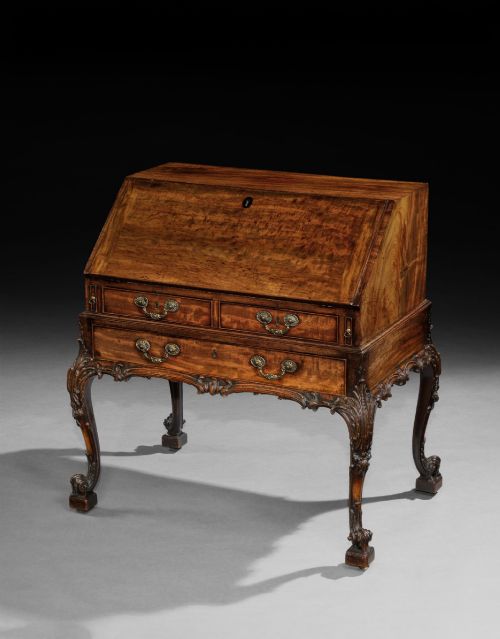
- A desk with a sloping hinged writing flap that opens to reveal internal drawers and pigeonholes. This form dates back to the seventeenth century in solid oak and walnut.
- Secretaire
- A cabinet or sideboard incorporating a dedicated writing drawer that drops forward to form a writing surface. It conceals a fitted interior of small compartments.
- Lowboy
- A small side table with one or more rows of drawers, commonly constructed from oak or walnut during the eighteenth century. It served various domestic functions including writing.
- Dovetail
- A joint formed by interlocking wedge-shaped fingers, utilised to secure drawer corners. Hand-cut variations indicate the period of manufacture.
- Figured mahogany
- Timber exhibiting a decorative wave or grain pattern caused by branch junctions or growth anomalies. It appears on prominent surfaces of Regency and Georgian furniture.
Period Desk: Frequently Asked Questions
What is a period desk?
A period desk is a historic piece of furniture designed for writing, originating from recognised design eras such as the Georgian or Regency periods. These items utilise traditional timbers like mahogany and oak.
They combine practical workspace surfaces with internal compartments, reflecting the craftsmanship of past centuries.
How should I care for a wood desk?
Maintain a stable room temperature and keep wooden desks away from direct heat sources to prevent the timber from splitting. Apply traditional wax polish periodically to nourish the surface.
Avoid placing damp items directly on antique wood finishes to protect the grain.
What is a secretaire bookcase?
A secretaire bookcase combines a upper section of glazed doors for book storage with a lower section containing a pull-out writing drawer. This multi-functional form became popular during the Regency era.
The drop-front drawer conceals small drawers and pigeonholes for correspondence.